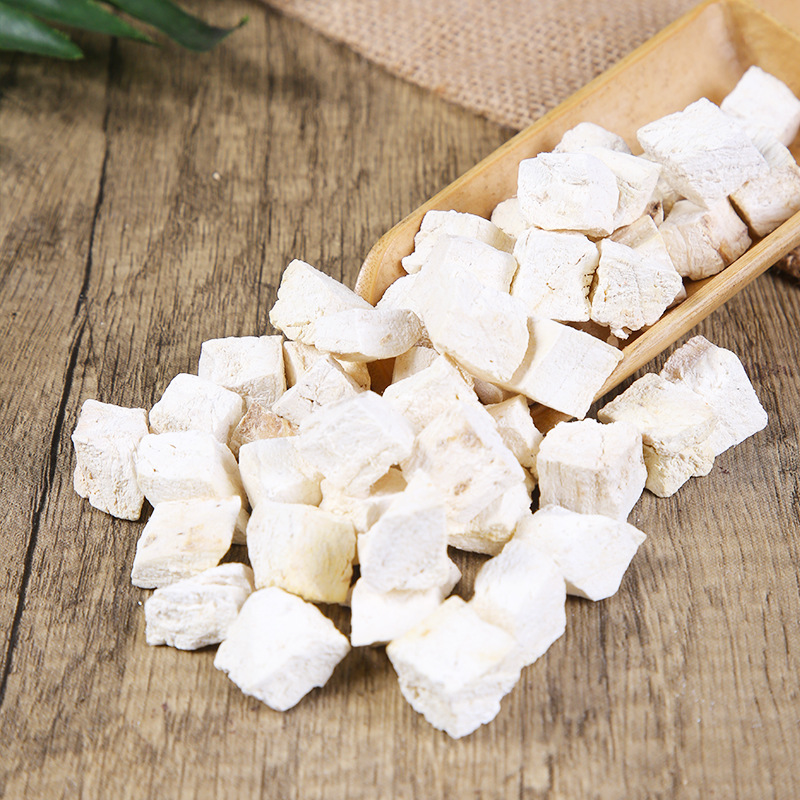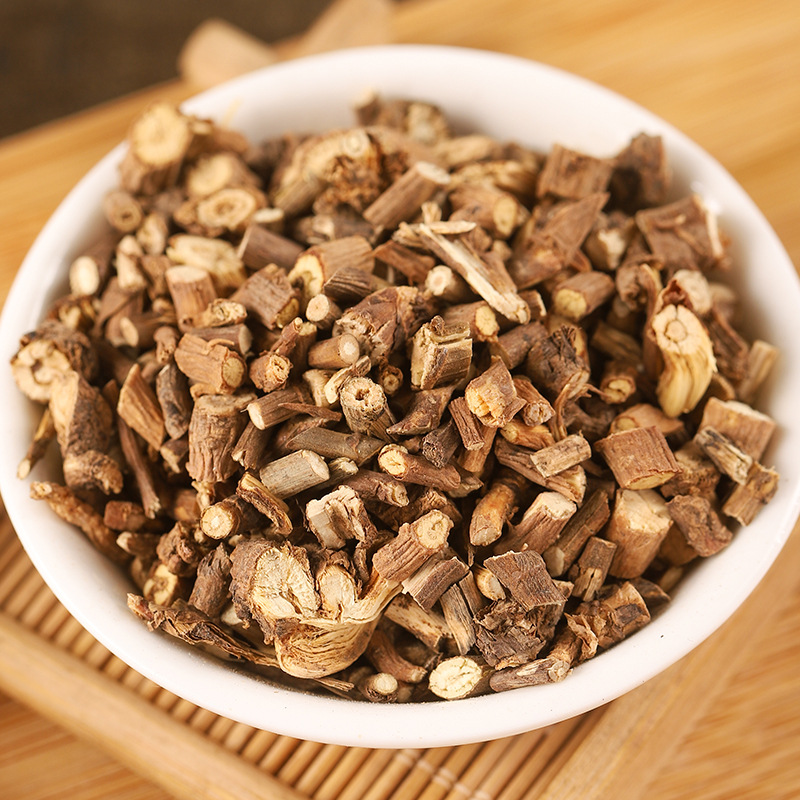
Traditional Chinese medicine believes that excessive sweating, phlegm, and urination can actually damage the body's vital energy. This is because sweat, phlegm, and urine all originate from the yin fluids transformed by the vital energy of the internal organs. Once these three are excreted excessively, they can easily deplete the vital energy of the organs. Today, I will explain this in detail
Let's start withprofuse sweatingNormal sweating is a physiological phenomenon, but if one sweats profusely with slight movement or even without moving, feels cold after sweating, and often experiences palpitations, chest tightness, shortness of breath, and susceptibility to colds, it is mostlyQi deficiency and insecurity of the defensive exterior lead tomust pay attention toTonifying Qi and Strengthening the Exterior。
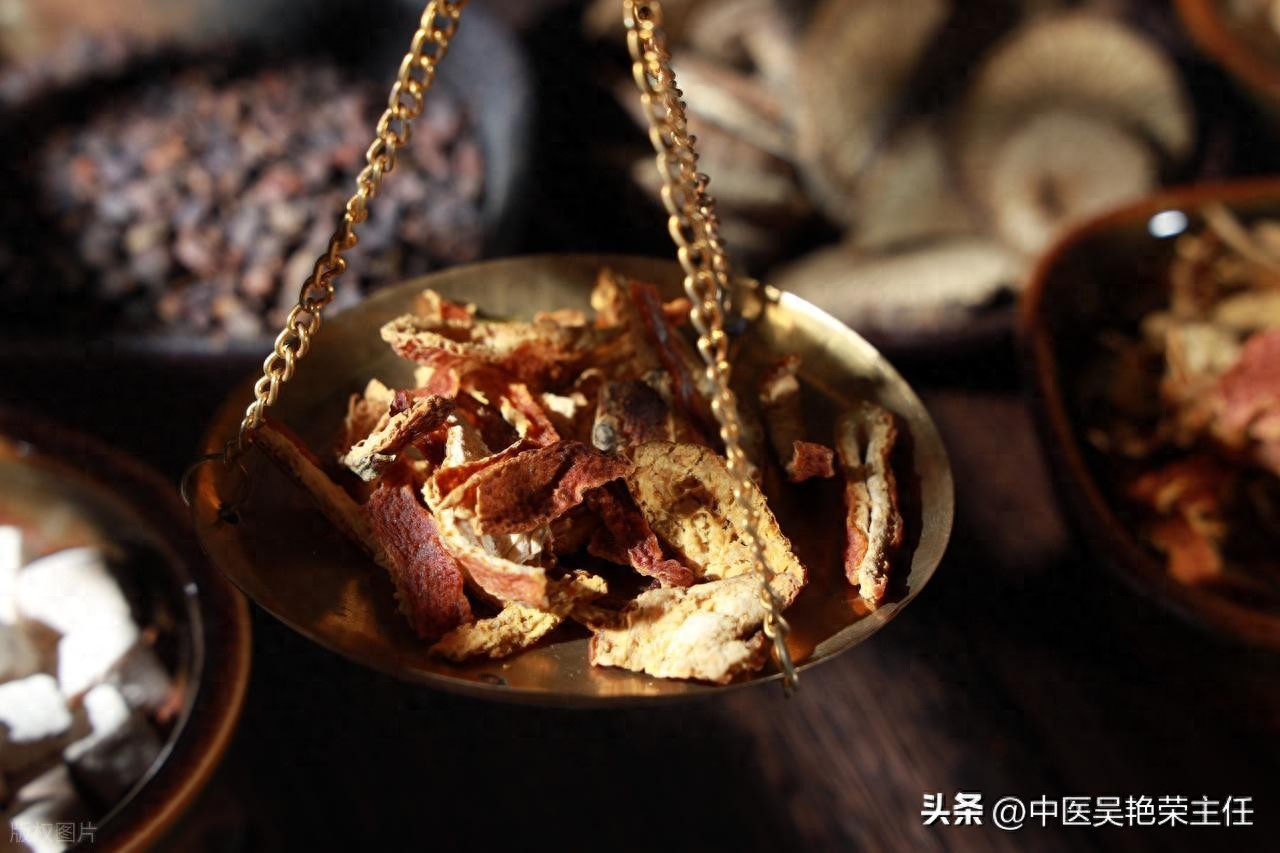
Look againphlegm excessIf you always feel that there is a lot of phlegm, mainly white phlegm, which is easy to cough up, and is accompanied by abdominal distension, loss of appetite, and heavy and weak limbs, this is usuallySpleen deficiency leads to abnormal transportation and transformation of fluidsWater and fluid stagnation in the body forms damp phlegm, the key to regulation lies inStrengthen the Spleen and Resolve Phlegm。
Finally, let's take a lookfrequent urinationThe kidney governs water metabolism, and water must be transformed and reabsorbed by kidney yang before being converted into urine for excretion. Ifkidney yang deficiencyWhen the transformation of water and fluids is impaired, it leads to frequent urination and increased urine output, especially waking up multiple times at night. In such cases, it is necessary toWarming Yang to Transform Qi, Moving Qi to Promote Waterto improve.
However, it is important to note that traditional Chinese medicine emphasizes syndrome differentiation and treatment. Since each individual has a different constitution and varying complexities of syndromes, it is crucial not to blindly apply treatments on one's own. Always use them under the guidance of a professional physician based on syndrome differentiation.