Many people are unaware that the weaker the lung qi, the more prone the body is to problems. Traditional Chinese medicine believes that the lungs govern respiration and the qi of the entire body. If lung qi is deficient, respiratory function will be affected. Over time, on one hand, the body's ability to resist external pathogens will decline, making a person more susceptible to recurrent colds, and symptoms such as coughing and runny nose may also occur.
On the other hand, the lungs and the large intestine have an exterior-interior relationship. Weak lung qi can also disrupt the large intestine's transportation function, leading to constipation or diarrhea. Therefore, nourishing lung qi is crucial for maintaining health.
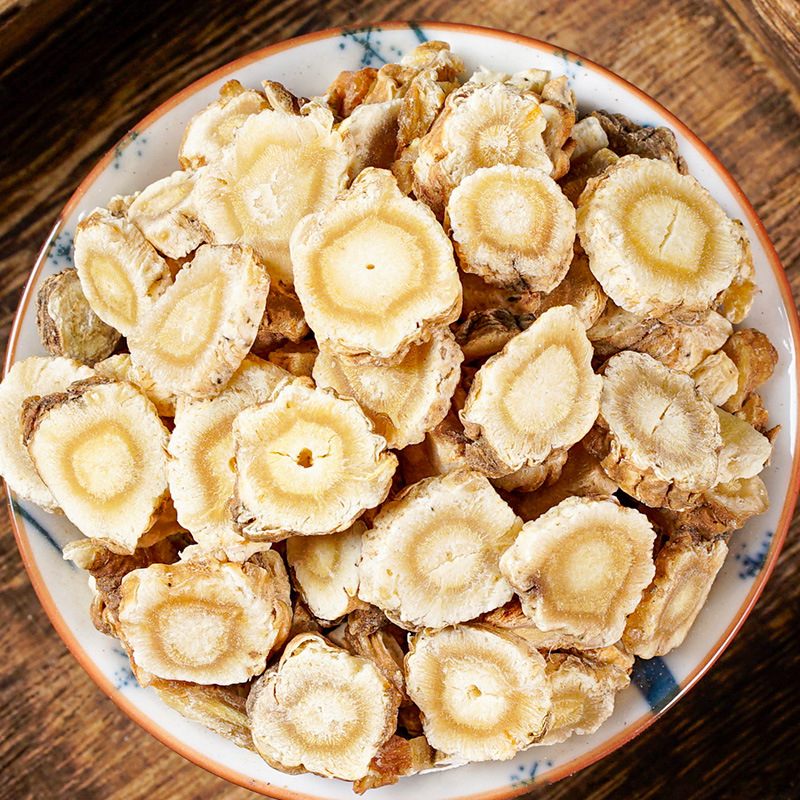
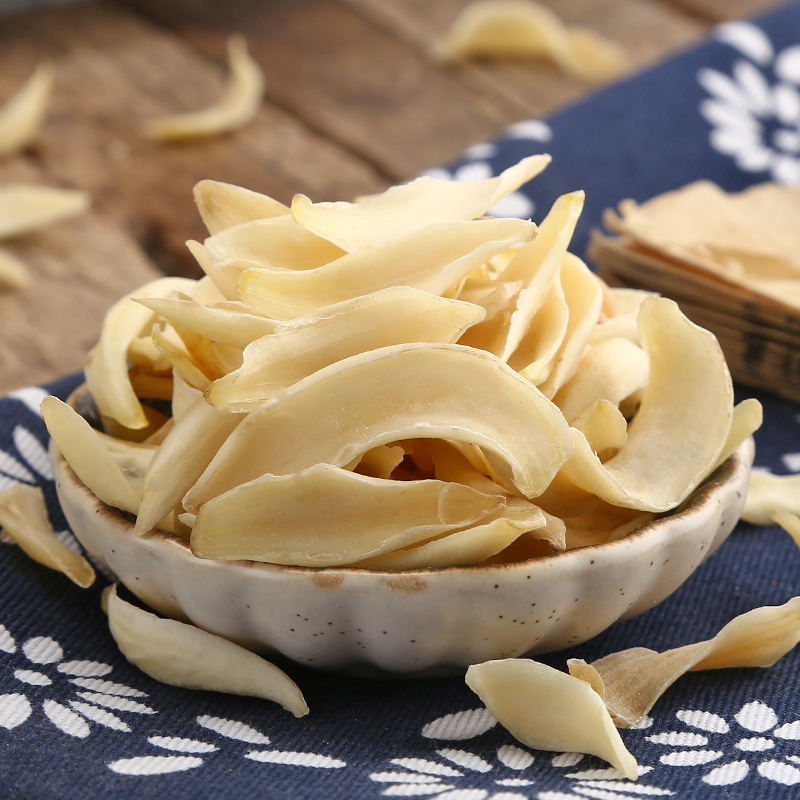
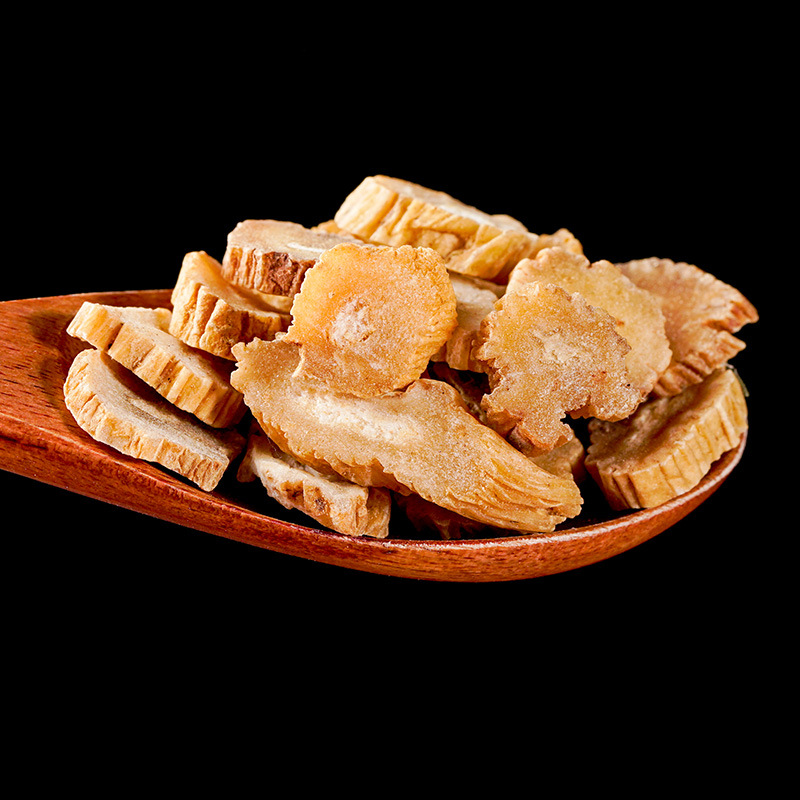
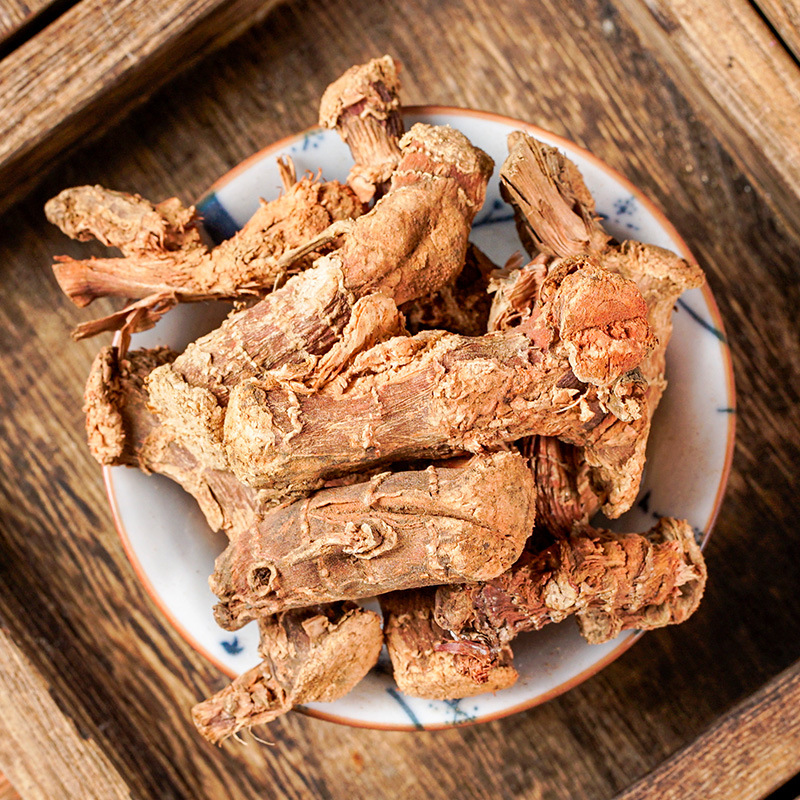
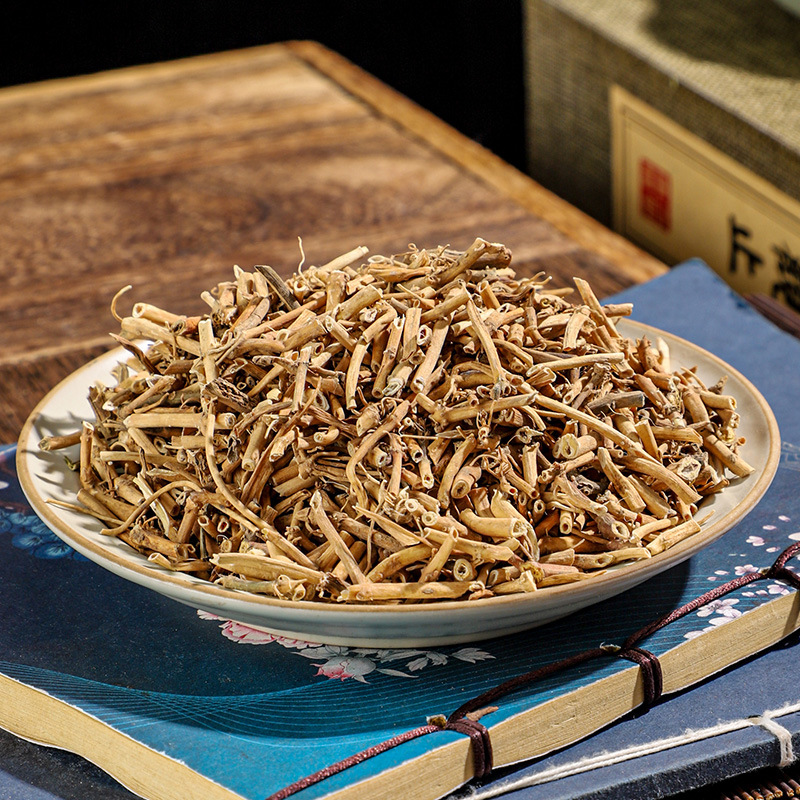
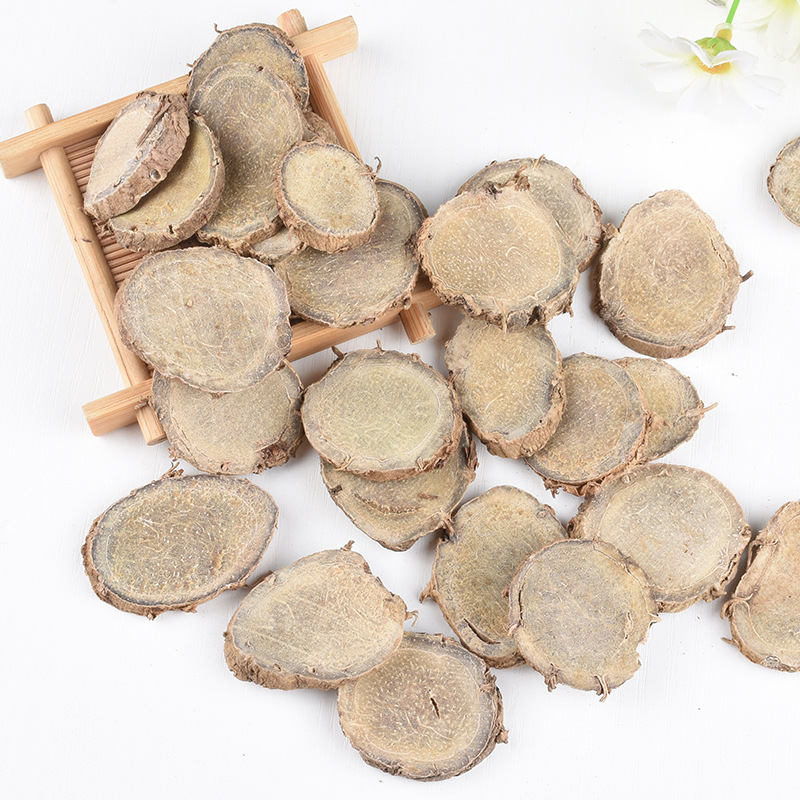
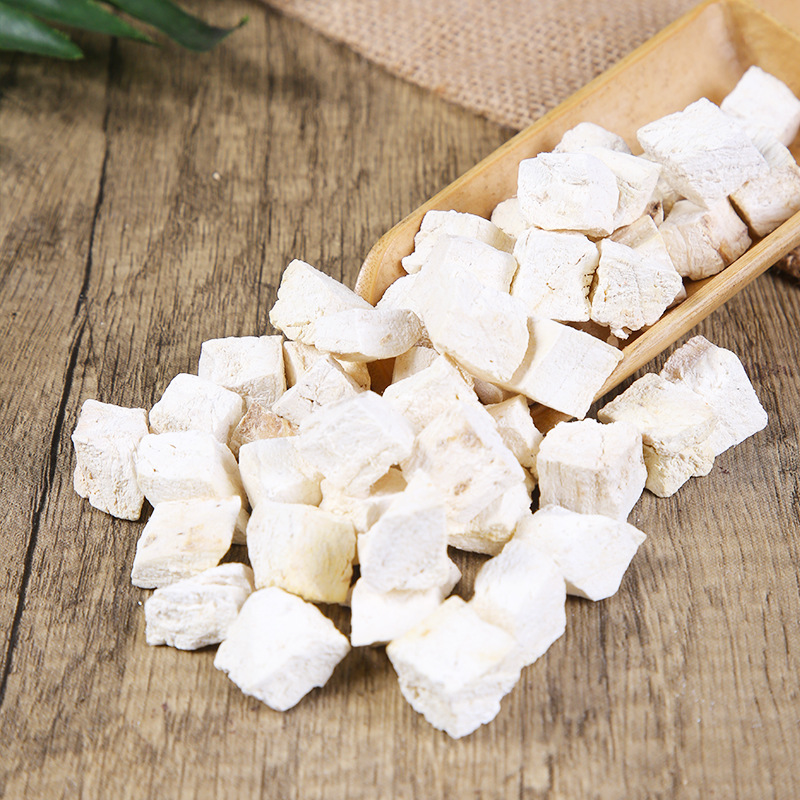
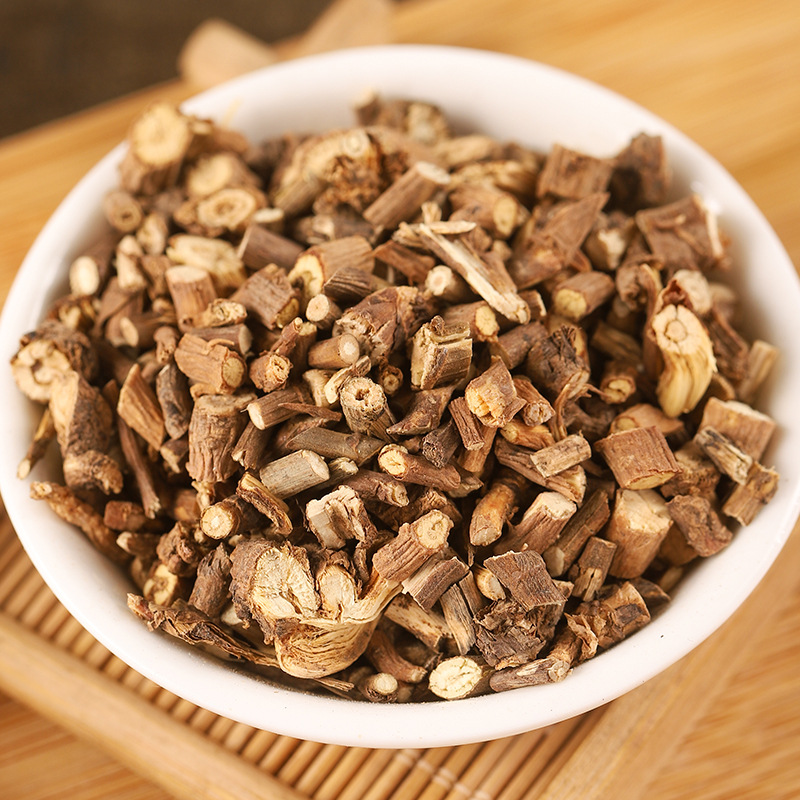
Today I will share with you an ancient and renowned formula for nourishing the lungs and boosting qi, it isSupplement Lung DecoctionIt is composed ofGinseng, Astragalus, Rehmannia, Schisandra, Aster, Mulberry BarkSix medicinal ingredients compose it.
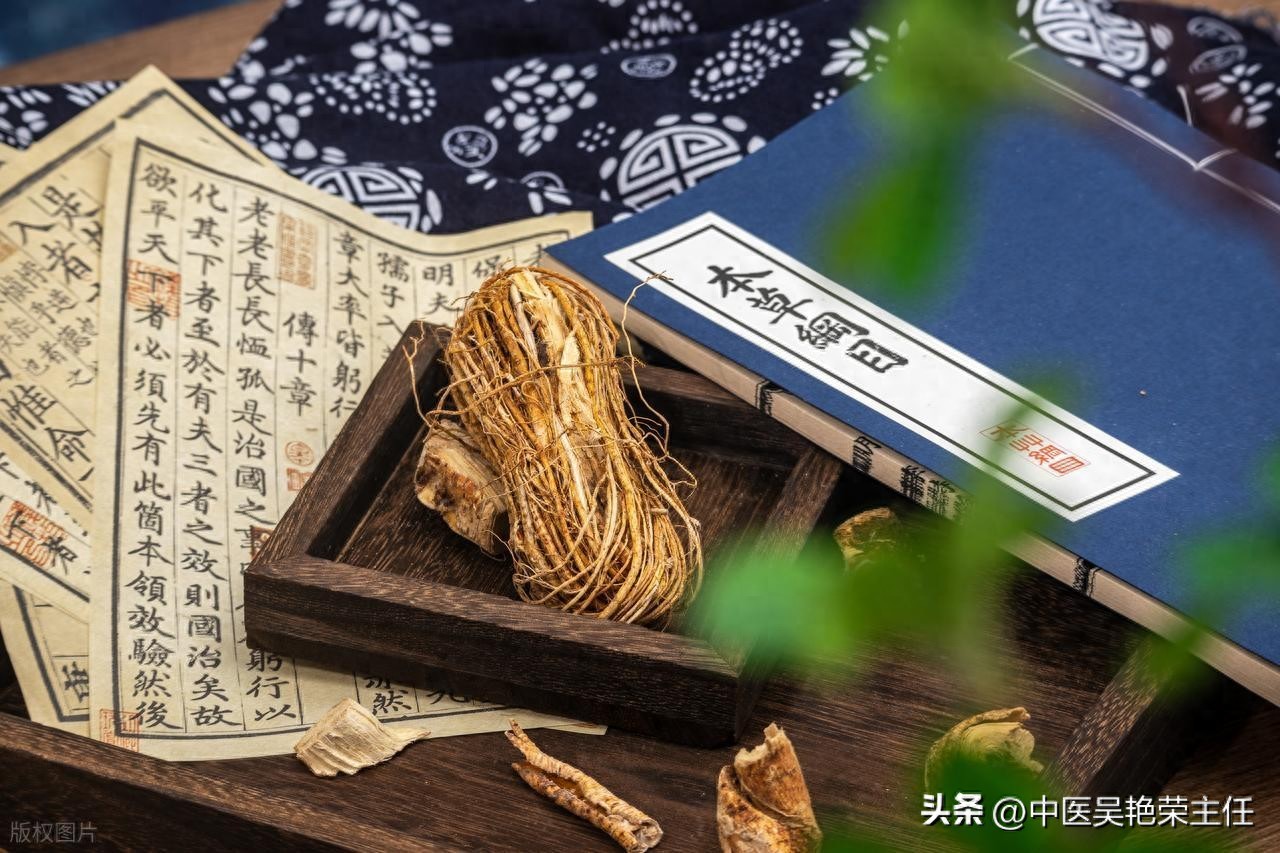
among whichGinsengcan greatly tonify primordial qi, especially good at tonifying lung qiAstragalusNot only can it enhance lung qi, but it also strengthens the exterior and reduces the dissipation of lung qi.Rehmanniae Radix PraeparataIt can nourish yin and blood, and moisten lung yin;Schisandra chinensisIt can astringe lung qi, relieve cough and calm panting;Astermoisten the lung and direct qi downward resolve phlegm and relieve coughCortex MoriClears lung heat and promotes diuresis to reduce edema.
These six herbs are combined together,It can tonify lung qi, nourish lung yin, and also relieve cough and asthmaComprehensively addresses the issue of lung qi deficiency, alleviating discomfort symptoms such as coughing and shortness of breath.
However, it is important to note that traditional Chinese medicine emphasizes syndrome differentiation and treatment. Since each individual has a different constitution and varying complexities of syndromes, it is crucial not to blindly apply treatments on your own. Always use them under the guidance of a professional physician based on syndrome differentiation to ensure both safety and effectiveness.