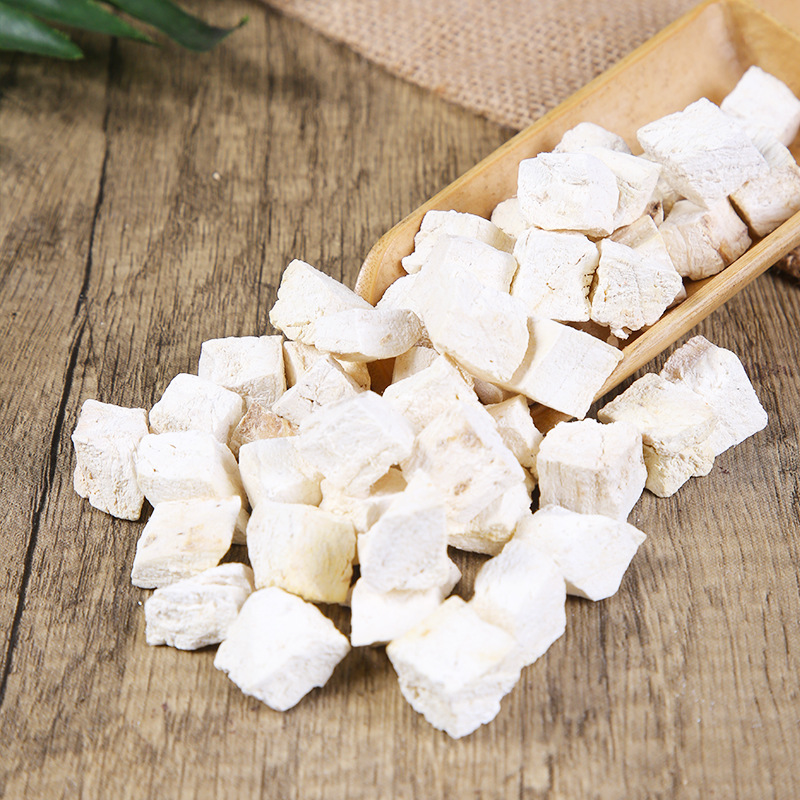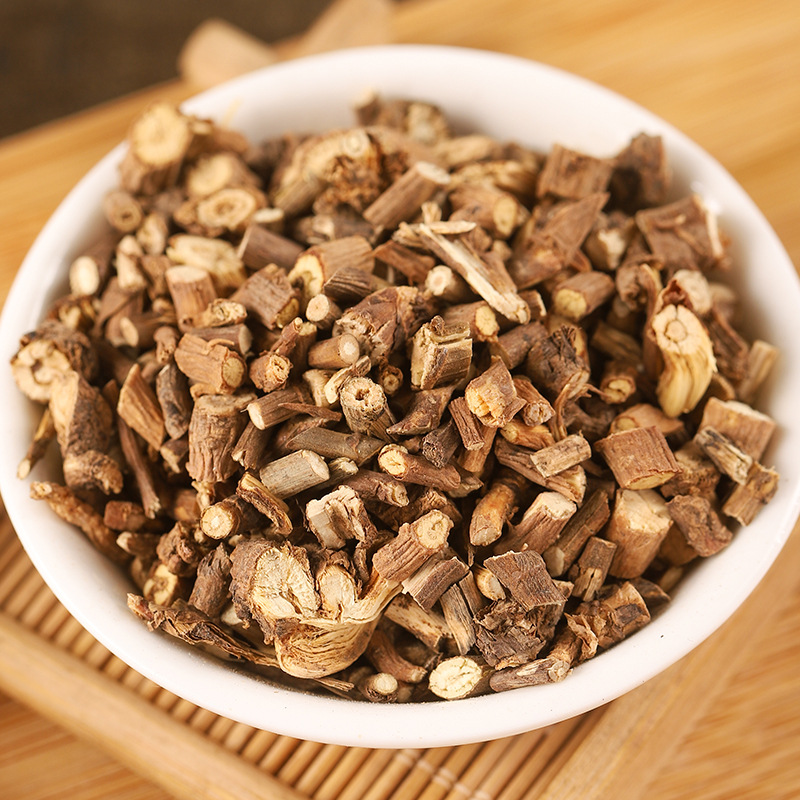
In daily life, some people have a cold constitution but frequently suffer from excessive internal heat, with recurring oral ulcers and sores at the corners of the mouth. At such times, many choose to use heat-clearing and fire-purging medicines, but after taking them, aside from experiencing insomnia and vivid dreams, the issue of excessive internal heat remains largely unresolved.
This is because the nature of this internal heat is caused by cold in the body. In traditional Chinese medicine, insufficient yang qi fails to warm and transform dampness in the body, which over time can lead to cold-dampness. Cold-dampness is sticky and viscous, and its prolonged accumulation in the body tends to transform into heat, resulting in symptoms of internal heat. In addition to internal heat, such patients often experience cold hands and feet that are difficult to warm, frequent bloating, and a tendency to have diarrhea, especially after consuming cold foods, which makes these symptoms more pronounced.

In this situation, neither tonifying yang nor purging fire is appropriate. Because the cold-dampness in the body will block the spleen and stomach, the medicinal properties not only fail to reach their intended destinations but also exacerbate the stagnation in the middle jiao, making it more difficult for heart fire and kidney water to interact, ultimately leading to a condition of heat in the upper body and cold in the lower body.
So when we regulate, the first step isFirst, unblock the middle jiaoWhen the stagnation is cleared, thenTargeted Dispelling of Cold and Clearing Fire QiRestoring the balance of cold and heat within the body will naturally cause the issue of excessive internal heat to gradually disappear.
However, it is important to note that traditional Chinese medicine emphasizes syndrome differentiation and treatment. Since each individual has a different constitution and varying complexities of syndromes, it is crucial not to blindly apply treatments on one's own. Always use under the guidance of a professional physician based on syndrome differentiation.