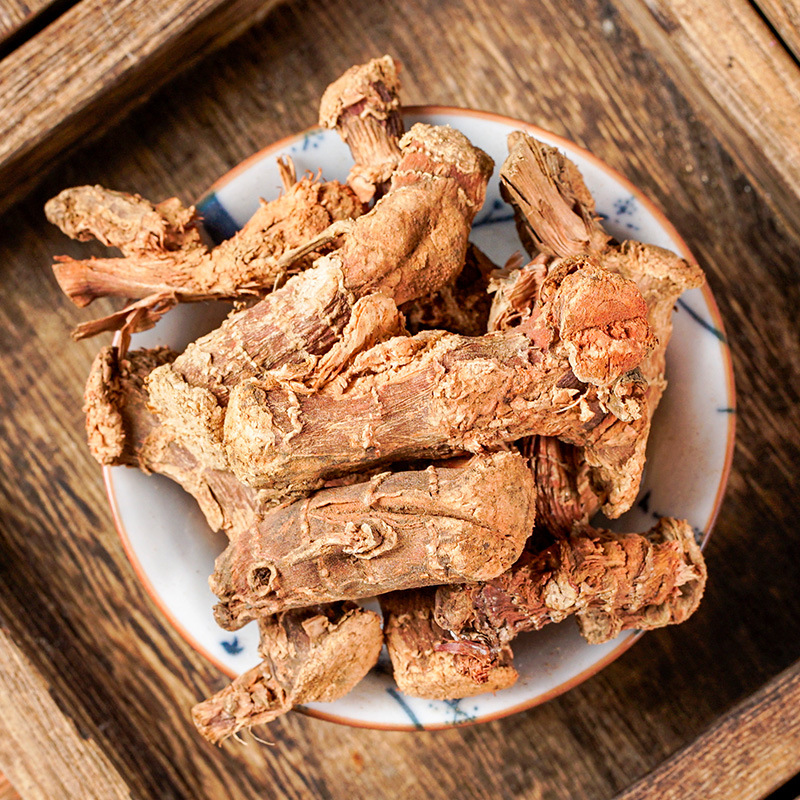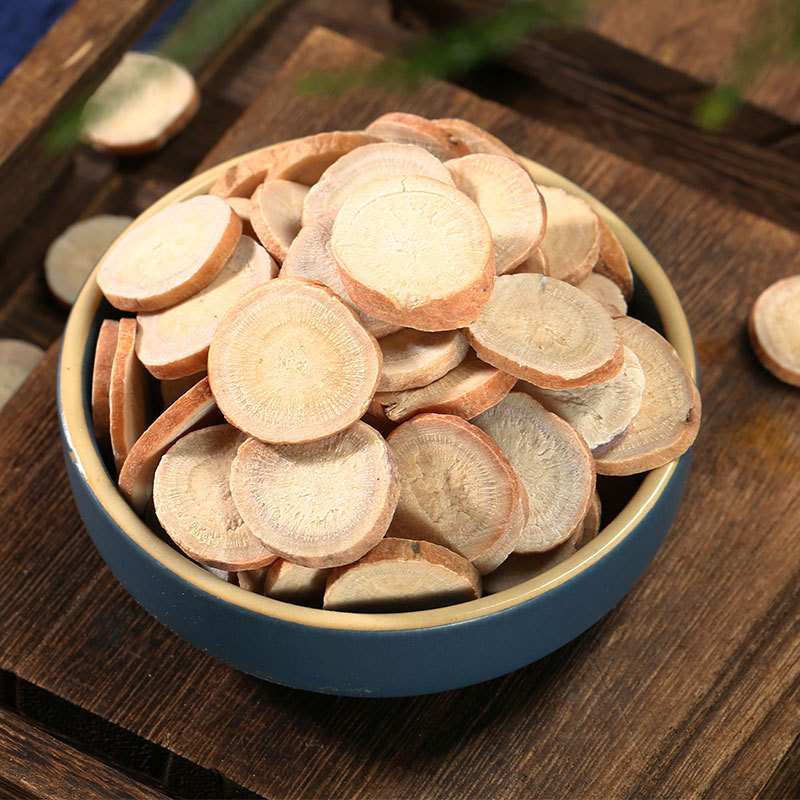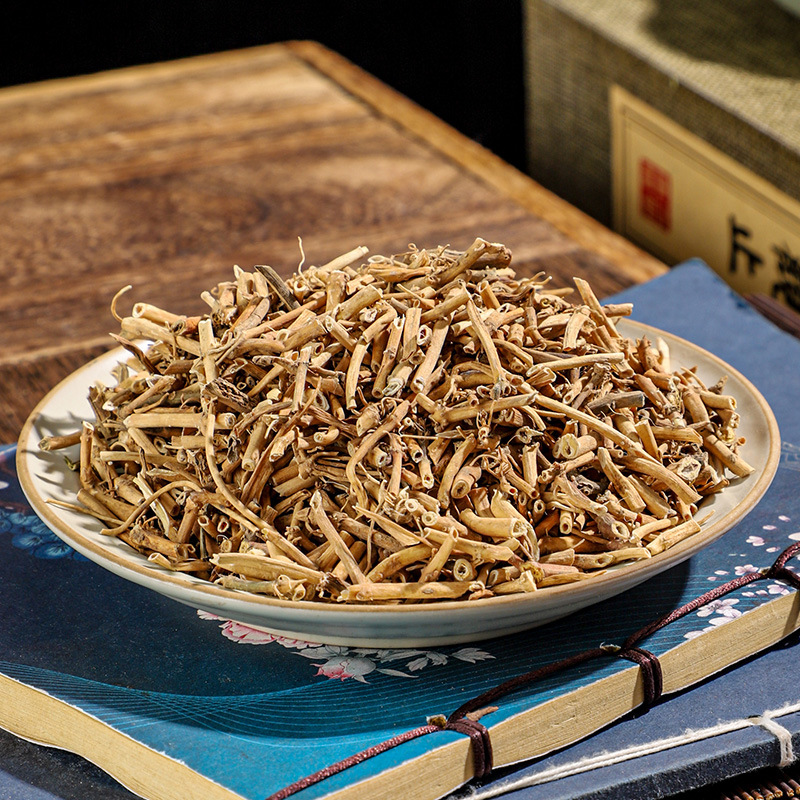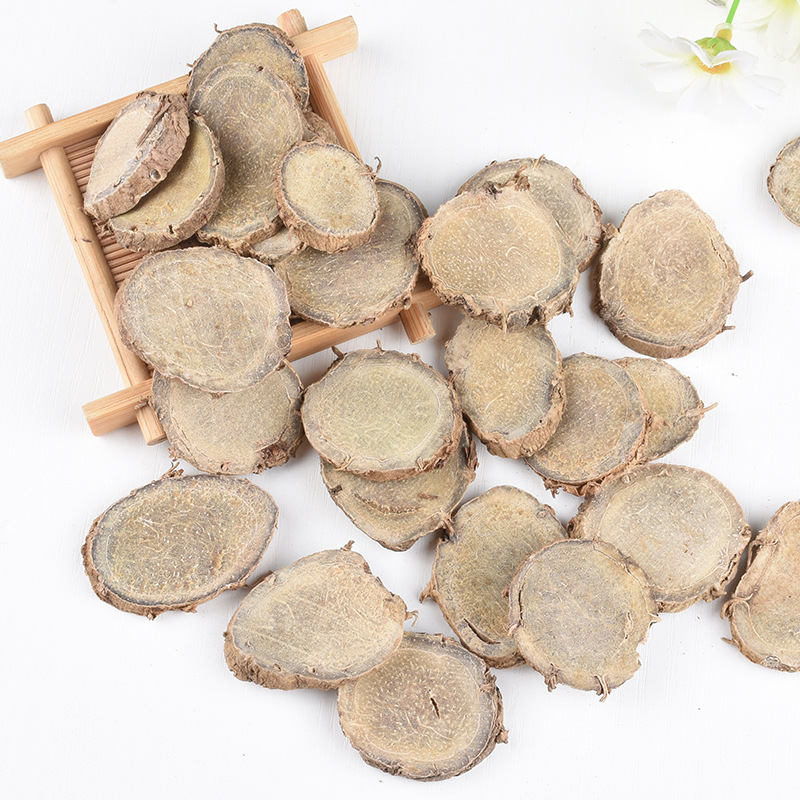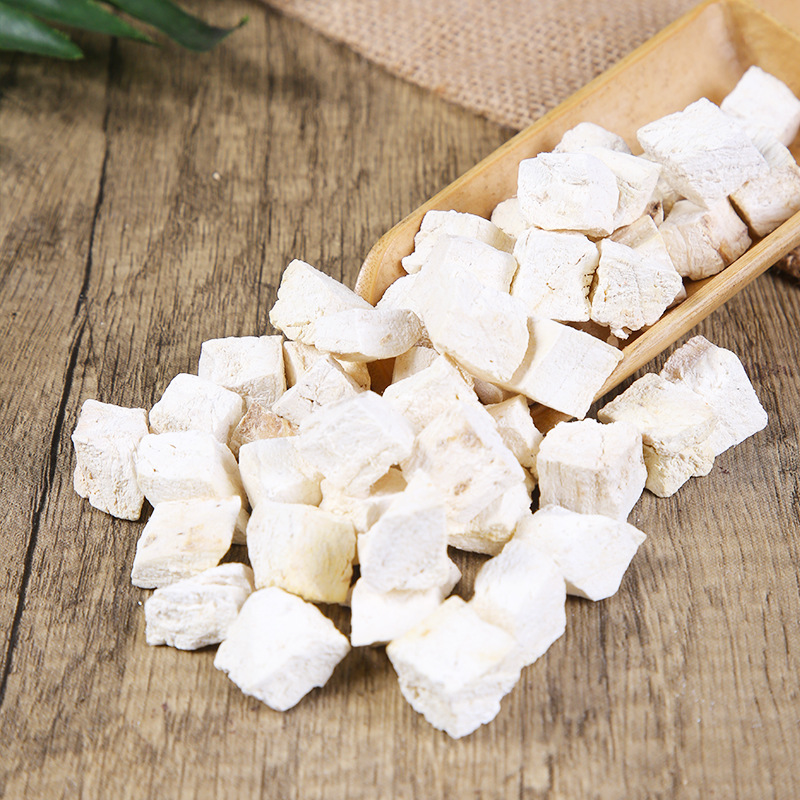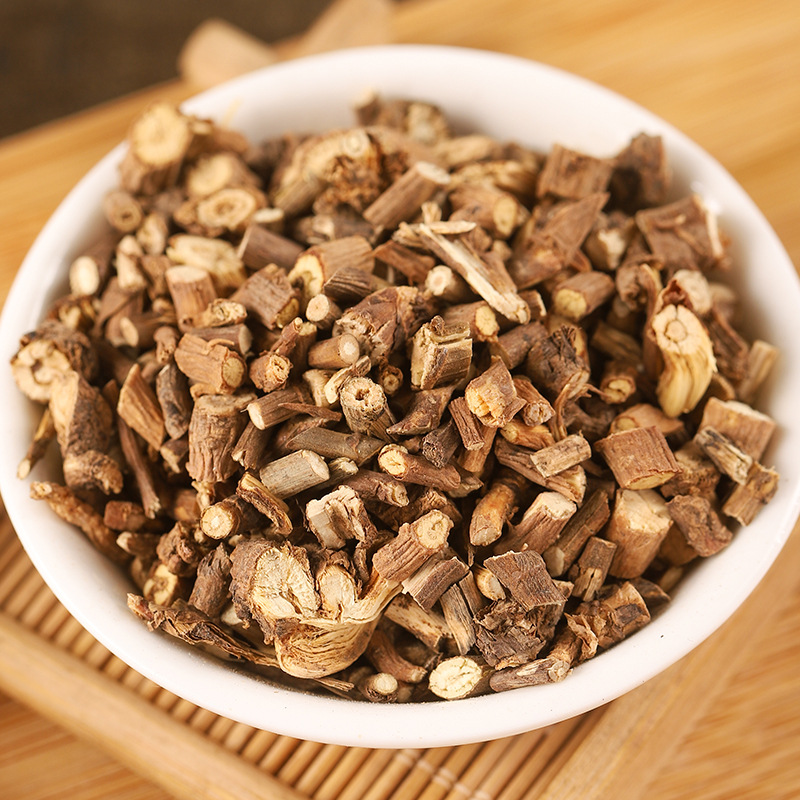
In traditional Chinese medicine, the best medicine for soothing the liver is never the expensive herbs, but"Shun Qi" - When liver qi flows smoothly, stagnation naturally dissipates, and many minor ailments caused by liver depression will also be alleviated accordingly.Some people often find themselves sighing uncontrollably, feeling tightness in the chest; their emotions are particularly unstable; they occasionally experience distending or dull pain below the ribs on both sides; and they are often accompanied by dizziness, a feeling of heaviness in the head, restless sleep, as well as belching, acid reflux, poor appetite, and difficulty eating.
These symptoms are most likely due to liver qi stagnation.Traditional Chinese medicine believes that the liver governs free flow and is responsible for regulating the movement of qi throughout the body, acting like a traffic commander within the body. Once liver qi becomes stagnant, the flow of qi is obstructed, which can affect the circulation of qi and blood as well as the functions of the internal organs.
When qi is blocked in the chest, it causes chest tightness and sighing; when it affects emotional regulation, it leads to irritability or low mood; when it obstructs the qi in the hypochondriac region, it results in distending pain in the ribs; when liver qi disturbs the clear orifices, it causes dizziness and insomnia; more importantly, "liver wood overacts on spleen earth," prolonged liver qi stagnation can also affect the functions of the spleen and stomach, leading to qi stagnation in the spleen and stomach, resulting in issues such as belching and poor appetite. This is also the root cause of why many people lose their appetite and experience indigestion when they are in a bad mood.
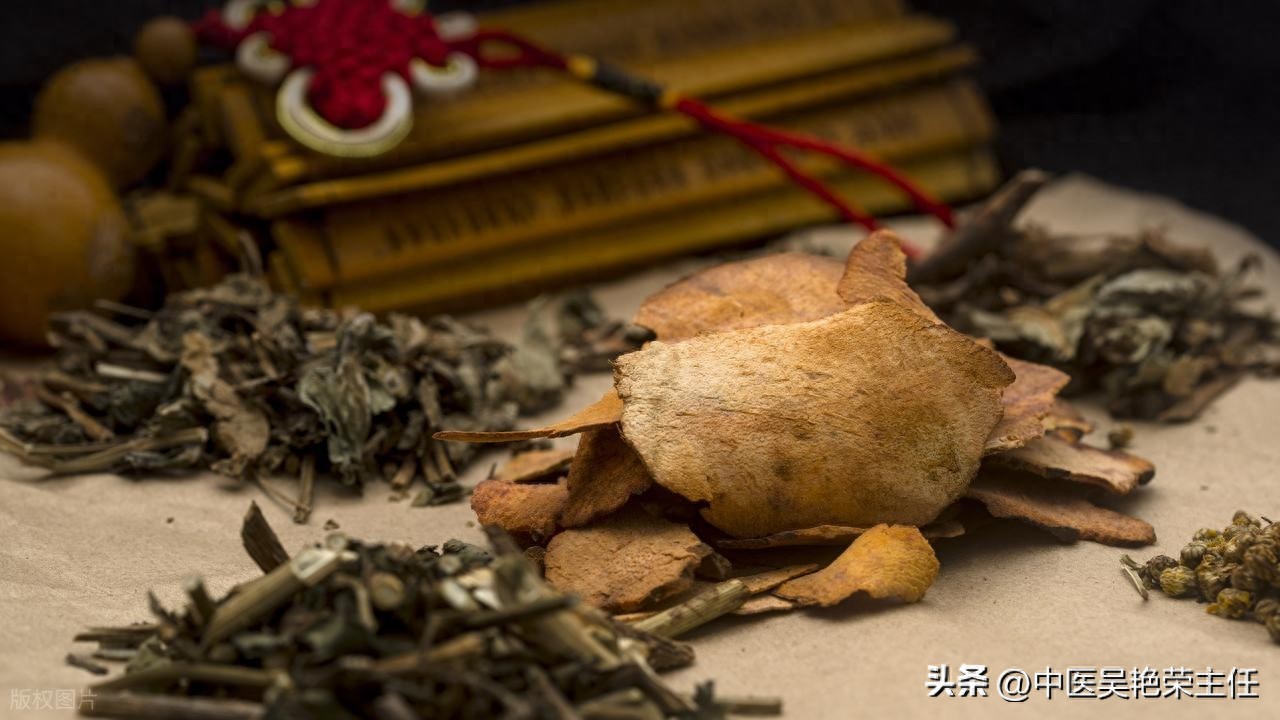
In fact, regulating liver qi stagnation is not complicated; the core isRegulating Qi and Relieving Depression, Smoothing Liver Qi, while also taking care of the spleen and stomach to prevent Liver Qi from attacking the spleenToday's shared combination—Rose Flower + Dried Tangerine Peel。
Among themRose flower soothes the liver and relieves depression, promotes qi circulation and activates blood. It not only disperses stagnant liver qi, alleviating discomforts such as chest tightness, irritability, and hypochondriac pain caused by liver qi stagnation, but also activates blood and relieves pain.
Tangerine Peel regulates qi and strengthens the spleen, dries dampness and resolves phlegm. It can regulate the qi mechanism of the spleen and stomach.It alleviates issues such as belching, acid reflux, poor appetite, and abdominal distension caused by stagnation of spleen and stomach qi, effectively compensating for the potential neglect of spleen and stomach care that may arise from solely focusing on liver regulation; simultaneously,The drying dampness and resolving phlegm effect of ChenpiIt can also alleviate mild symptoms of phlegm-dampness caused by stagnation of qi and abnormal water-dampness metabolism.
These two herbs combined together are the golden combination for "soothing the liver and strengthening the spleen"Rose is responsible for soothing the liver and relieving depression, smoothing liver qi, and solving the core problem of qi stagnation; tangerine peel is responsible for regulating qi and strengthening the spleen, protecting the function of the spleen and stomach, and preventing liver qi from attacking the spleenThe two complement each other, not only can they smooth out the stagnant liver qi, but also take care of the spleen and stomach, allowing the liver qi to flow smoothly and the spleen and stomach to harmonize.
Finally, it must be reminded that everyone's constitution and specific symptoms are different. Therefore, if you really need to use medication for conditioning, you must first consult a professional traditional Chinese medicine practitioner to clearly differentiate the syndrome and adjust the prescription according to your own situation. Do not casually take medicine on your own to avoid causing trouble to your body due to improper treatment.