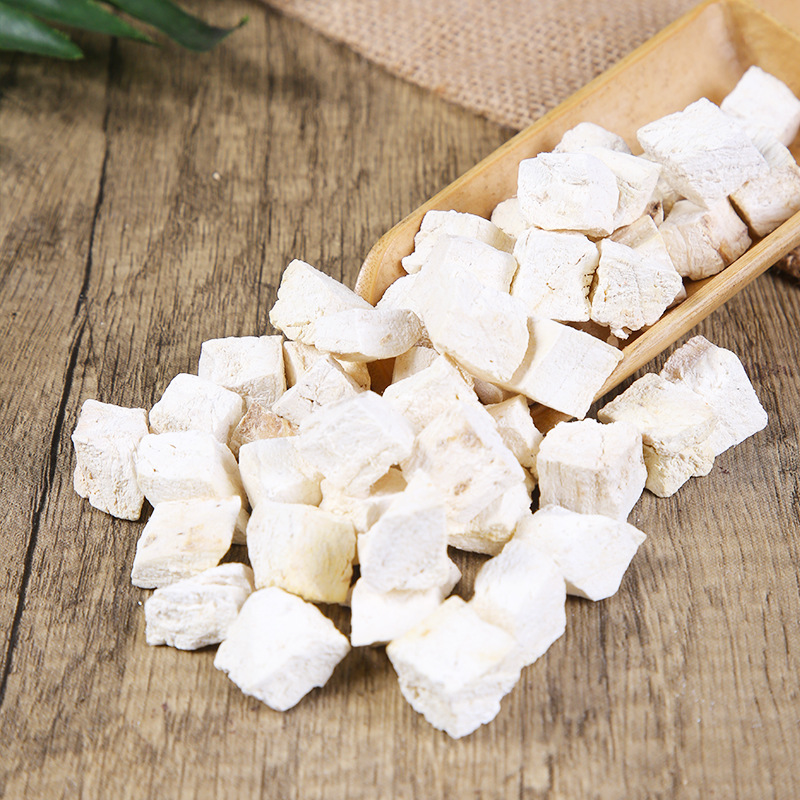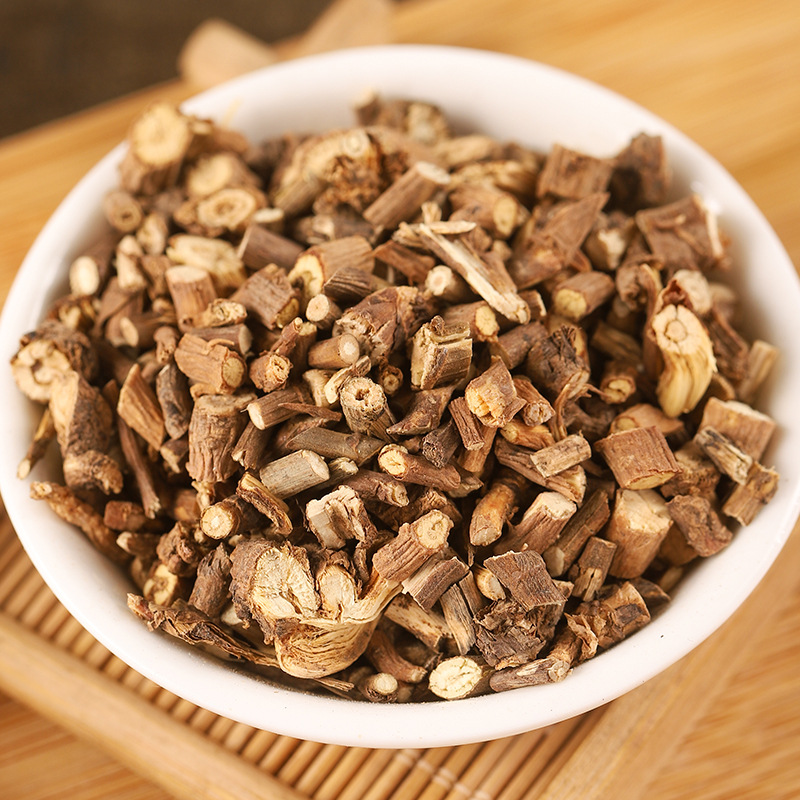
【Cough Prescription】
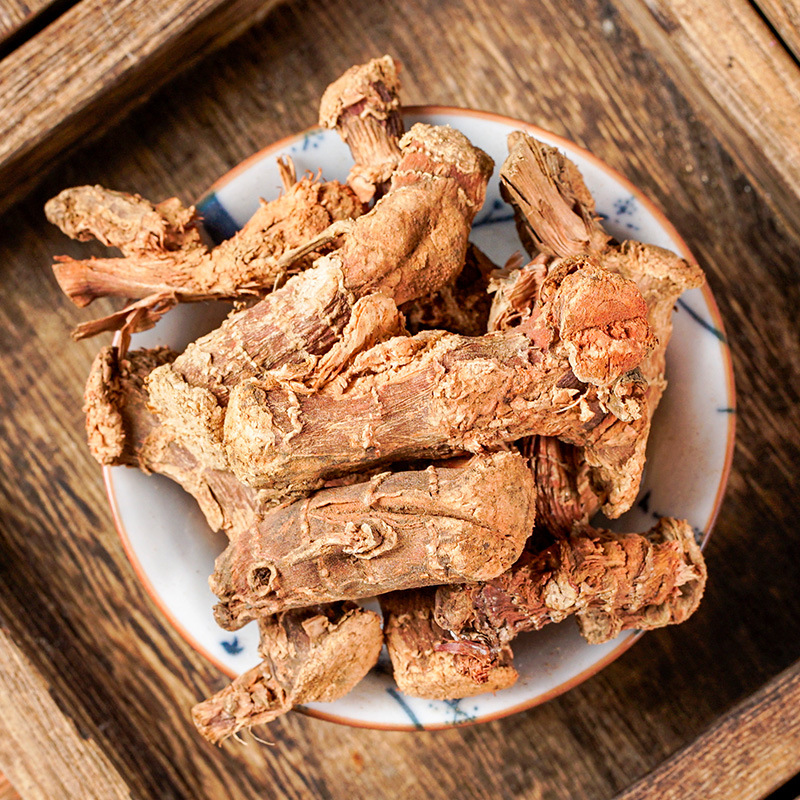
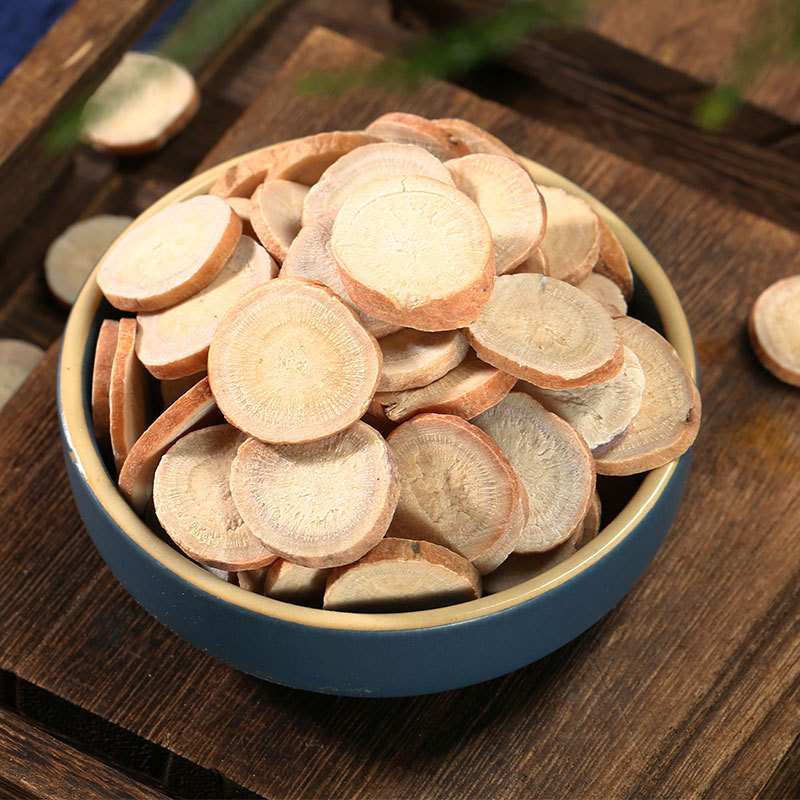
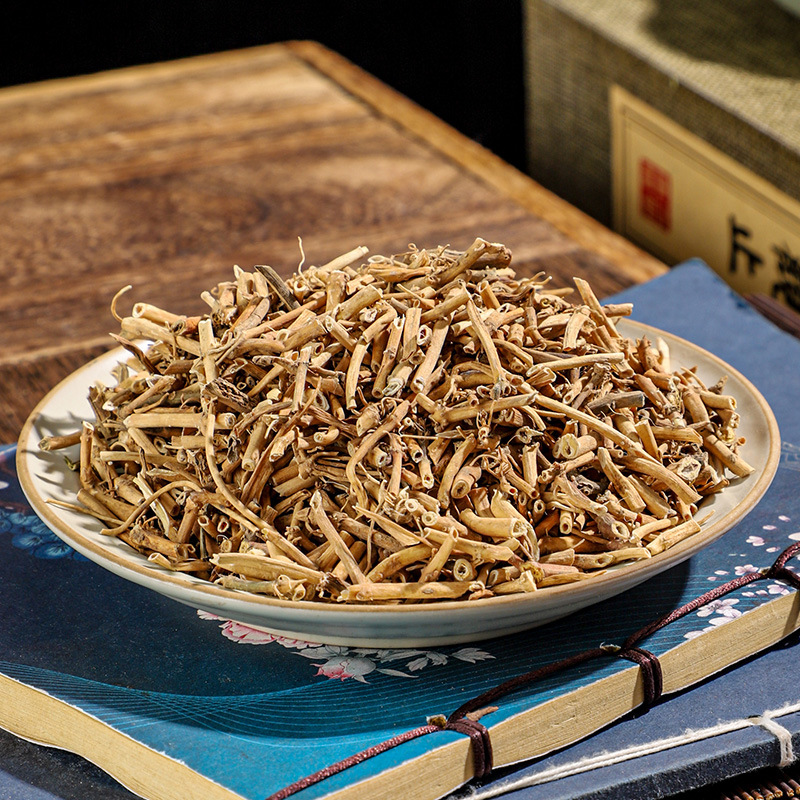
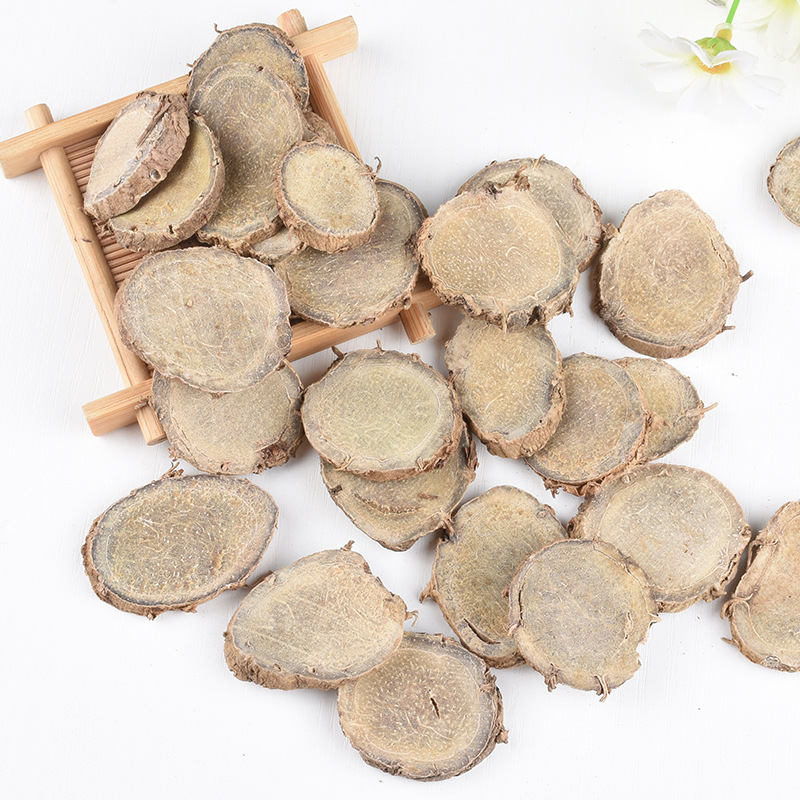
Schizonepeta 5-10g, Peucedanum 10-15g, Platycodon 5-10g, Sweet Almond 5-10g (this ingredient may be omitted at the onset of a cold), Licorice 5-10g, Loquat Leaf 5-10g, Cynanchum 5-10g, Aster 10-15g, Tangerine Peel 5-10g, Tabasheer 10-20g(No Bamboo Shavings Available)Fritillaria thunbergii 5-15g, Phragmites communis 10-20g, Trichosanthes kirilowii 10-20g (used for thick and greasy phlegm, otherwise not used).

The Ever-Effective Qianhu Zhisou Decoction
Introduction: The three prescriptions of Qianhu Zhisou Decoction, Zhisou Powder, Shuxie Lijin Decoction, and Feiyan Qingjie Decoction are the author's finest works in treating external cough over several decades. From Teacher Guo's analysis of the origin and composition of Qianhu Zhisou Decoction, it is not difficult to see the breadth of his reading. He effortlessly draws from classical materia medica and renowned formulas of past dynasties to create his own "effective prescriptions," leaving the editor in awe.
If Zhi Sou San is the crystallization of Cheng Zhongling's experience, then Qian Hu Zhi Sou Tang can be considered a masterpiece in my decades of treating external cough prescriptions. This formula not only treats cough at the onset of a cold but is also suitable for prolonged cough. What is prolonged cough? It is a long-term cough that does not heal due to various upper respiratory infections, such as acute bronchitis, pneumonia, etc., which are not treated promptly or are improperly treated. Because the illness has been present for some time and treatment has been delayed, it is different from the common external cough, so I refer to it as prolonged cough.
Nature and Scope
The ancients said about cough: sound without phlegm is called ke, phlegm without sound is called sou, and both phlegm and sound together are called kesou. Later generations found this statement somewhat inappropriate. While it is true that sound without phlegm is called ke, it is difficult to establish that phlegm without sound is called sou. They believed that regardless of whether there is phlegm or not, it should all be referred to as cough. I think this argument makes sense. To be more precise, sound without phlegm should be called dry cough, and sound with phlegm should be called cough. Both types of cough are very common in clinical practice. The reasons for this are likely due to differences in patients' constitutions and the causes of pathogenic factors. Therefore, the treatment methods naturally differ as well. Since "Qianhu Zhisou Tang" is not very effective for dry cough, what I will discuss here is the latter type—"cough with phlegm."
Cough is a disease, and ancient people had the saying that "all five viscera and six bowels can cause cough," indicating its complex causes. Zhang Jingyue distinguished it into external contraction and internal injury, which can be described as concise and to the point, providing a clear outline. As for protracted cough, although some patients have been coughing for several months, when examining its causes and nature, it still falls within the scope of external contraction, and therefore should not be considered as internal injury.
Cause and Treatment Principles
Traditional Chinese medicine has always relied on traditional decoctions, pills, and powders for treatment. Due to the large dosage, bitter taste, and the inconvenience of preparing decoctions, it has gradually been replaced by Western medicine's tablets and injections. Additionally, the theories of traditional Chinese medicine are profound and abstract, making them difficult to understand. Apart from professionals, few people seek it out, which is why Western medicine is now commonly used to treat external pathogenic diseases.
It is undeniable that Western medicine has many advantages over traditional Chinese medicine in treating febrile diseases, acute illnesses, and critical conditions, some of which are even incomparable to traditional Chinese medicine. However, Western medicine also falls short in many aspects compared to traditional Chinese medicine, and treating external coughs is one of them. Western medicine believes that upper respiratory tract infections such as acute bronchitis are caused by bacteria or viruses. Guided by this theory, antibiotic drugs are naturally used for treatment.
In recent years, clinicians have tended to use high doses and multiple antibiotics in combination, especially through intravenous administration. Regardless of the condition, they often prescribe 500–1000 ml (or more) of fluid with high-dose antibiotics or hormones for intravenous infusion. Oral medications are also predominantly focused on cough suppression. While many patients recover with such treatment methods, there are also quite a few who do not.
Traditional Chinese medicine believes that the lung occupies the highest position among the organs and serves as the canopy of the five zang organs. It governs qi and respiration, corresponds externally to the skin and hair, and is responsible for the body's exterior. When external pathogens invade, the skin and hair are affected, and the pathogens bind the muscle surface, internally affecting the lung, which is its corresponding organ. This leads to the failure of lung qi to disperse, impairment of its descending function, obstruction of the airways, and the production of phlegm and saliva, resulting in coughing. Therefore, traditional Chinese medicine holds that "exterior syndromes should be treated with dispersing methods"; "for cough due to common cold, cough suppressants should be avoided, as suppressing cough will prevent pathogens from being expelled and worsen the cough"; "in treating exterior syndromes, medications should not be too sedative, as sedation may cause lingering unresolved conditions and lead to other diseases; cold and astringent herbs should be avoided"; "the lung is a delicate organ: excessive cold causes pathogens to congeal and fail to disperse, excessive heat leads to fire scorching metal and causing bleeding, excessive moisture generates phlegm and fluid retention, excessive dryness depletes body fluids, excessive dispersion results in sweating and yang deficiency, and excessive astringency causes qi stagnation and pathogen accumulation."
A comparison reveals many differences between Chinese and Western medicine in terms of principles, methods, prescriptions, and medications. From the perspective of Chinese medicine, antibiotics can be considered cold and cooling herbs, while intravenous fluids can be seen as fluid-increasing agents. Chinese medicine believes that the optimal time for administering antibiotics intravenously is when lung heat is excessive (equivalent to the high fever and toxemia stage of conditions like pneumonia). However, modern doctors often use antibiotics indiscriminately from the beginning to the end, applying them in large doses early on, which can cause pathogenic factors to become "frozen" and "coagulated without dispersion." Particularly, the infusion of large volumes of fluids through the lungs can lead to increased phlegm and saliva (excessive moisture generates phlegm and fluid retention). In such situations, where phlegm and saliva are already abundant, efforts to resolve phlegm and clear fluids are insufficient. Moreover, regardless of whether the patient is dehydrated, administering large volumes of intravenous fluids undoubtedly exacerbates the condition of the lungs, which are already burdened with excessive phlegm.
Additionally, taking strong oral cough suppressants too early prevents the pathogenic factors from being expelled (excessive astringency leads to qi stagnation and pathogen accumulation), resulting in more severe coughing. At this point, the physician still fails to realize the issue, attributing it to insufficient antibiotic dosage or an inadequate treatment duration. Instead of adjusting the approach, they advise the patient to continue treatment patiently, increase the dosage of the aforementioned medications, or repeat their use, ultimately leading to incessant coughing and persistent phlegm.
Another issue worth mentioning is the extensive use of hormones. Hormonal drugs have a wide range of indications and can yield remarkable therapeutic effects when used appropriately. However, they also come with significant side effects. It is important to emphasize that prolonged use of such medications can lead to dependence and tolerance in the human body, resulting in a gradual decline in physical constitution and a weakened ability to resist diseases. This often causes patients to experience symptoms such as external floating of deficient yang, persistent low-grade fever, and lingering colds, thereby increasing the recurrence rate and complicating treatment.
The Composition and Indications of Qianhu Zhisou Decoction
Composition: Schizonepeta 5-10g, Peucedanum 10-15g, Platycodon 5-10g, Sweet Almond 5-10g (this ingredient may be omitted at the onset of a cold), Licorice 5-10g, Loquat Leaf 5-10g, Cynanchum 5-10g, Aster 10-15g, Tangerine Peel 5-10g, Tabasheer 10-20gNo bamboo shavings availableFritillaria thunbergii 5-15g, Phragmites rhizome 10-20g, Trichosanthes fruit 10-20g (used for thick and sticky phlegm, otherwise not used).
The above dosage is for adults. For pediatric patients, the dosage should be calculated based on age or body weight. For cases of cough accompanied by mild wheezing (suitable for mild wheezing; severe cases are not within the scope of this formula), replace Schizonepeta with Ephedra. As the herbs in this formula are not bitter, it is particularly suitable for pediatric patients.
Indications: External contraction cough, severe cough, profuse phlegm, gurgling sounds of phlegm in the throat, persistent rales on auscultation of both lungs, possible low-grade fever or afternoon low-grade fever, body temperature generally below 38 degrees Celsius, disease course mostly ranging from ten days to one or two months, ineffective after using various antibiotics (especially intravenous drip medications) and cough suppressants. Or long-term unresolved cough due to improper or delayed treatment, or accompanied by persistent low-grade fever, especially suitable for pediatric patients.
Addition and Subtraction: For persistent low-grade fever in the afternoon, add Cortex Mori, Cortex Lycii, Radix Cynanchi Atrati, and Carapax Trionycis; for severe external wind invasion, add Radix Saposhnikoviae; for wheezing, remove Herba Schizonepetae and use Herba Ephedrae; Fritillaria is expensive and may also be omitted.
General Meaning and Analysis of the Prescription
The Cough-Stopping Decoction with Peucedanum is a formulation I developed by modifying three existing prescriptions: the Cough-Stopping Powder, the Pathogen-Dispersing Lung-Benefiting Decoction, and the Pneumonia-Clearing Decoction. The entire formula is sweet and cool in nature, clearing heat, resolving phlegm, and stopping cough. Except for Schizonepeta, all the herbs in the formula are key medicines for stopping cough, calming wheezing, and clearing phlegm. These herbs have been consistently and effectively used by physicians throughout history. By gathering them into a single formula, it is akin to concentrating superior forces, ensuring an unbeatable outcome. Below is a brief analysis of the prescriptions and herbs involved in this formula:
1. Zhisou San is a prescription from "Medical Insights"
Zhisou Powder is composed of seven herbs: Schizonepeta, Aster, Dried Tangerine Peel, Stemona, Tangerine Peel, Swallowwort Rhizome, and Licorice. The entire formula is warm, moist, gentle, and balanced, neither cold nor hot. "It avoids the risk of excessive attack while effectively opening the door to expel pathogens." Later generations have commented that this formula has the characteristic of "dispersion without excessive scattering, and descending without excessive purging." It can be modified and applied to treat coughs regardless of their duration. Clinically, it is most effective for treating cold-induced coughs, especially those caused by wind pathogens and characterized by throat irritation and itching.
In my prescription, I have used almost all the herbs from the Cough-Stopping Powder, but I specifically omitted Bai Bu because it tastes bitter. Some medical texts claim that Bai Bu has a sweet taste, but when I was young, I once boiled Bai Bu into a paste and consumed it myself, and it was indeed bitter. Since it is bitter, it is difficult for pediatric patients to take. When I was working at the Fudong Hospital, a Korean woman from Minguang would bring her child to see me every time the child caught a cold and coughed, traveling several miles on foot. I asked her, "There are many doctors in Minguang, and a cold or cough is not a serious illness. Why not seek medical help nearby?" She replied, "My child is very peculiar. Only the Chinese medicine you prescribe works best for him. He refuses to take the medicine prescribed by other doctors, spitting it out even if forced into his mouth. I don’t know why." I smiled and said, "It’s not that the medicine prescribed by other doctors is completely ineffective. It’s probably because the medicine is too bitter. Although there is a famous saying, ‘Good medicine tastes bitter but is beneficial for the illness,’ if the patient cannot swallow it, it is useless. Therefore, doctors should tailor their prescriptions according to the specific circumstances of the patient. For adults or those who are not afraid of bitter medicine, Bai Bu can certainly be used without issue. As for replacing Ju Hong with Chen Pi in the prescription, it is because Chen Pi is more widely available, while small rural pharmacies often do not stock Ju Hong. Moreover, the Ju Hong available nowadays is mostly made by scraping off the inner white pulp of Chen Pi, not the genuine Huazhou Ju Hong."
2. Shuxie Lijin Decoction is a prescription from Gu Songyuan's "Medical Mirror"
The Shu Xie Li Jin Decoction is composed of eight medicinal herbs: Schizonepeta, Saposhnikovia, Peucedanum, Apricot Kernel, Platycodon, Licorice, Perilla Seed, and Tangerine Peel. Its functions are to dispel wind, release the exterior, direct qi downward, and resolve phlegm. Gu personally formulated this prescription, and it is considered the first choice for all conditions such as external contraction of wind, cough with phlegm and wheezing, fever, and headache. It is evident that this prescription is one of Gu's proudest achievements in his lifetime, and its efficacy goes without saying.
I omitted Fangfeng in this formula because the focus is on clearing and transforming, not on releasing the exterior. For "opening the door to expel the thief," Jingjie alone is sufficient to handle the task, without needing to mobilize the entire group. If the external contraction is at its initial stage and the wind pathogen is relatively severe, using Fangfeng together is also acceptable. I did not use Suzi in the formula because although Suzi can direct qi downward and transform phlegm, its nature is acrid and warm, which is far from the sweet, cool, clearing, and transforming properties of Tianzhuhuang, hence the substitution.
3. Pneumonia Clearing and Resolving Decoction
This prescription is composed of Scutellaria baicalensis, Gypsum fibrosum, Cortex Mori, Pheretima, Rhizoma Phragmitis, Radix Glycyrrhizae, Bulbus Fritillariae Thunbergii, and Concretio Silicea Bambusae, among others. Its functions are to clear heat and resolve phlegm, and it is indicated for acute upper respiratory infections such as lobar pneumonia. I came across this prescription in the Journal of Traditional Chinese Medicine published around 1958. When I first began studying medicine, I delved into various prescription books but was not adept at remembering authors' names. At that time, I only recorded the prescription. After moving several times, the original magazine was long lost, and now there is no way to verify it. Because the author's description was very vivid, it left a deep impression on me, so I still remember it to this day. I will now recount the gist as follows:
Before the founding of New China, a wealthy man suffered from lobar pneumonia and was in critical condition. Several renowned doctors in the city were summoned for treatment. Although the author was not among the famous doctors at the time (the author modestly states this), he was selected because he had knowledge of both Chinese and Western medicine. Each renowned doctor took turns diagnosing and prescribing, but the wealthy man refused to take any of the medicines, fearing death and finding the prescriptions too potent or excessively cold. When it was the author's turn to diagnose, he considered that prescribing a new formula would also be rejected. Therefore, he selected a supplementary prescription from an elderly Chinese doctor, which was intended to be boiled for the patient to drink as tea (a common method in traditional Chinese medicine at the time). The prescription mainly consisted of reed rhizome, winter melon peel, bamboo sugar, and other ingredients, similar to the Qianjin Weijing Decoction. Afterward, there was no further news, and the author assumed the patient had surely died. Unexpectedly, when he later encountered the patient's family and inquired about the condition, the family said, "He took the modified prescription you recommended (with additions like ghost arrow feather) and recovered long ago." The author was greatly surprised that such mild medicine could cure such a critical illness—how miraculous! He then devoted himself to research, tested it clinically, and finally formulated this Pneumonia Clearing and Resolving Decoction. The discussion following the prescription elaborates on the remarkable pharmacological effects of bamboo sugar and the rationale for its heavy use, stating that this formula's efficacy surpasses that of penicillin.
After reading this article, I was deeply moved and often wanted to verify it in clinical practice to confirm its theory, but at that time, there were too few cases in the rural area. In 1987, when I was at Fudong Town Hospital, I encountered many such patients in clinical practice, especially children with acute bronchitis and pneumonia. The hospital commonly used intravenous antibiotics, and many of these cases gradually became protracted and difficult to cure, with symptoms such as persistent cough, excessive phlegm, and lingering low-grade fever, which were not uncommon. Therefore, I delved into the prescriptions of past masters, combining the strengths of several formulas into one, and tested it in clinical practice, achieving rapid results. In this formula, I did not use gypsum or scutellaria because this prescription is designed for protracted cough, at which point high fever has generally subsided, so there is no need for bitter and cold herbs to directly suppress it.
Peucedanum Cough-Stopping Decoction Drug Introduction
1. Schizonepeta
Schizonepeta is an essential herb for treating external afflictions. The "Shen Nong's Herbal Classic" states that it "treats cold and heat," the "Compendium of Materia Medica" notes it "disperses wind-heat, clears the head and eyes, and benefits the throat," while the "Compendium of Materia Medica Discourse" describes it as "a light and dispersing herb that scatters wind and clears blood... for all wind-toxin syndromes, whether they have emerged or not, or are about to disperse or not, using raw schizonepeta can clear them." Zhang Shouyi said, "It treats wind-heat in the exterior and upper body, can drain lung heat and reach the skin and hair, making it suitable for wind-heat cough." Schizonepeta has a pungent and warm aroma, fragrant but not excessively drying, with a gentle diaphoretic effect, unlike the harshness of ephedra and cinnamon. Whether for external wind-cold or wind-heat, with appropriate formulation, it can achieve excellent therapeutic results.
In December 1987, my daughter was 16 years old. She caught a cold with cough, stuffy nose, and slight aversion to wind and cold. For convenience, she took fast-acting cold tablets, tetracycline, erythromycin tablets, and cough relief capsules daily. The illness lingered for over a month without improvement, gradually leading to excessive phlegm. Reluctantly, I prescribed Qianhu Zhisou Tang for her. In the formula, 10g of Schizonepeta was used, but Fritillaria was omitted due to its high cost. Each dose was decocted twice, and the two decoctions were combined and taken warm in three doses in the morning, noon, and evening. Less than a quarter of an hour after the first dose, she experienced a nosebleed with fresh blood. My daughter was frightened, but I explained to her: This is "nosebleed as a resolution," caused by prolonged stagnation of external pathogens. After briefly stopping the bleeding, she continued taking the medicine without further nosebleeds. After taking three consecutive doses, she finally experienced slight sweating, and the illness was cured.
From this, the rationale for using Schizonepeta in Cheng's Cough-Stopping Powder becomes clear. Therefore, I generally do not remove the Schizonepeta from the formula. If external pathogens are particularly severe, 10–15g can be used. Even if external pathogens are no longer obvious, a small amount of 3–5g can still be employed to leverage its ability to "purge lung heat and reach the skin and hair," thereby achieving the effect of "opening the door to expel the thief." It is worth noting that Schizonepeta can activate blood circulation, and excessive or prolonged use often leads to nosebleeds. This is not documented in most formula books and can be considered a piece of my clinical experience.
2. Peucedanum
Peucedanum tastes bitter and slightly cold, capable of dispersing and descending, making it a key herb for treating external contraction cough. The Compendium of Materia Medica describes it as "clearing lung heat, resolving phlegm heat, and defeating wind evil," and "an essential herb for phlegm and qi." Throughout medical texts across generations, there are countless examples of using Peucedanum in formulas to treat external contraction phlegm wheezing. For instance, the Peucedanum Powder from the Sacred Remedies uses Peucedanum 30g, Ophiopogon 45g, Fritillaria 30g, Mulberry Root Bark 30g, and Apricot Kernel 15g.gLicorice root 3g. Grind into powder, take 12g each time, add 3g of ginger, decoct and take. Treats cough with thick and sticky sputum, chest discomfort, and occasional irritability and fever. The "Shengji Zonglu" records Qianhu Drink, using Qianhu 45g, Fritillaria and Baiqian 30g each, Ophiopogon 45g, Bitter Orange 30g, Peony and Ephedra 45g each, Rhubarb (steamed) 30g. Take 9g each time, decoct in water and take. Treats lung heat cough with phlegm congestion, and restless wheezing. In modern times, such as the "Selected Medical Cases of Zheng Qiao," the Modified Qianhu Decoction uses Qianhu, Apricot Kernel, Mulberry Leaf, Anemarrhena, Ophiopogon, Scutellaria, Honeysuckle, and Licorice. It is indicated for lung heat phlegm wheezing cough and various upper respiratory tract infections, pediatric pneumonia, etc. Due to space limitations, not all can be listed.
"Compendium of Materia Medica" praises it: (Qianhu) pungent to ventilate the lungs and dispel wind-cold, sweet to harmonize the spleen and regulate the chest and abdomen, bitter to purge the heat of the Jueyin, cold to disperse the pathogens of the Taiyang... Its function specializes in descending qi; when qi descends, fire is reduced and phlegm is eliminated... It treats phlegm-heat asthma, cough, and retching... It is contraindicated for those without external contraction." "Explanation of Compendium of Materia Medica" states: "This herb is bitter, pungent, and slightly cold in nature, with a relatively mild and balanced property. It primarily enters the lung meridian, functioning to dispel phlegm and relieve lung qi stagnation, descend qi to control the upward rebellion of lung qi, and slightly cold to clear heat. It also has the ability to disperse wind-heat in the lung meridian, with the characteristics of dispersing without excessive dissipation and descending without excessive lowering. Therefore, it can be applied to conditions such as lung qi failing to descend, phlegm-heat cough, as well as wind-heat stagnating in the lungs, cough, and fullness of breath. It is particularly suitable for cough with excessive phlegm accompanied by exterior syndrome." After reviewing this text three times, the efficacy of Qianhu needs no further elaboration.
3、Loquat Leaf
Bie Lu states that loquat leaf has a bitter and neutral taste, non-toxic, and is primarily used for "sudden hiccups that do not stop, and to direct qi downward." Dian Nan Ben Cao describes its nature as slightly cold, with a bitter and pungent taste, and its functions include stopping cough, resolving phlegm and calming wheezing, breaking phlegm threads, transforming stubborn phlegm, dispersing roaring asthma, and relieving shortness of breath. An attached formula uses 15g of loquat leaf, 4.5g of Sichuan fritillaria, 6g of apricot kernel, and 6g of aged tangerine peel. Grind them together into powder, take 3-6g each time with warm water to treat cough with phlegm sounds in the throat. Ben Cao Yan Yi includes a formula for treating women with prolonged cough due to lung heat, body feeling as if scorched, emaciated muscles, and on the verge of developing lung consumption. Use equal parts of loquat leaf, akebia stem, coltsfoot flower, aster root, apricot kernel, and mulberry root bark, with half the amount of rhubarb. Prepare as usual, grind into powder, and form into honey pills the size of cherries. Take one pill after meals or before bed, allowing it to dissolve in the mouth.
Modern over-the-counter medicines for treating cough also include loquat syrup. According to the "Dictionary of Traditional Chinese Medicine," clinical use of loquat leaf and platycodon root in syrup form has a strong cough-suppressing effect but poor phlegm-removing properties. It is more effective for simple bronchitis but ineffective for asthma.
Loquat leaf is a commonly used herb for treating cough, but some believe it should not be used at the onset of a cold (as mentioned in Qin Bowei's "Qianzhai Medical Lecture Notes" on cold treatment methods). I think this likely refers to using it as a single herb or in prescriptions where loquat leaf is the main ingredient. In my designed Qianzhi Zhisou Decoction, loquat leaf is only a supporting herb and should not be subject to this restriction. Based on years of application, removing loquat leaf from this formula actually reduces its effectiveness. Clinically, although Qianzhi Zhisou Decoction is primarily designed for persistent cough, I often make slight adjustments to use it at the onset of acute upper respiratory infections, especially in cases without high fever but with cough as the main symptom, and no side effects have been observed.
In 1987, I was working at Fudong Town Hospital. In Nanyang Brigade, there was a child surnamed Zhu, named Zhu Lizhu, male, 5 years old. During his first hospitalization at the hospital, he had already received intravenous erythromycin for five or six days. Although the fever had subsided, the cough did not lessen, and there was a heavy sound of phlegm in his throat, causing great concern for his parents. I advised them to try traditional Chinese medicine, but the parents said the child couldn't even take syrup, so how could he take Chinese medicine? After repeated explanations and assurances that the medicine I prescribed was not bitter, they reluctantly agreed to give it a try. After taking three doses, the child recovered. Later, whenever the child caught a cold and coughed, his parents would carry him over twenty miles to seek my treatment, saying that the medicine I prescribed was something the child could take, and it was both cheaper and less painful than Western medicine. Each time, I would slightly modify this prescription, and the child would recover after taking it.
4. Bamboo Silicea
According to the Dictionary of Traditional Chinese Medicine, Tianzhu Huang was first recorded in the Kaibao Materia Medica. It is sweet in taste, cold in nature, and non-toxic. It is primarily used for treating infantile convulsions and epilepsy, calming the heart, improving eyesight, and dispelling various wind-heat conditions. It is evident that in ancient times, it was not primarily used for phlegm and wheezing syndromes. It was not until the Compendium of Materia Medica that its functions were discussed, stating: "Its properties, taste, and functions are similar to those of bamboo sap, but without the cold and slippery nature." The Compendium of Herbal Medicine further elaborates: "Tianzhu Huang is a medicinal substance that resolves phlegm, opens the orifices, calms fright, and tranquilizes the mind. Li Shizhen noted that its properties, taste, and functions are largely similar to those of bamboo sap, with minor differences. Bamboo sap acts quickly, directly unblocking the meridians and collaterals, and possesses cold and slippery properties. Tianzhu Huang, on the other hand, acts more slowly, clearing heat and resolving heat, and has the additional benefit of calming fright and tranquilizing the mind. Therefore, in ancient times, it was used to treat infantile convulsions, epilepsy, night crying, insomnia, fright-induced dysentery and malaria, as well as wind-cold induced phlegm obstruction, fever, and shortness of breath." In fact, both Tianzhu Huang and bamboo sap are derived from bamboo juice (Tianzhu Huang is also formed by the coagulation of bamboo sap), so their functions should not differ significantly.
There are not many discussions on Tianzhu Huang in herbal classics, yet the discussions on Zhuli in historical herbal texts are the most detailed. The "Bencao Yanyi" summarizes it as follows: "Zhuli dispels phlegm, reaching all parts of the body from top to bottom, including the bones, hair, and pores. If phlegm is at the crown of the head, it can be brought down; if phlegm is in the chest and diaphragm, it can be opened; if phlegm is in the limbs, it can be dispersed; if phlegm is in the organs and meridians, it can be regulated; if phlegm is between the skin and membranes, it can be moved... It is the supreme remedy for phlegm disorders." This discussion essentially portrays Zhuli as a specialized medicine for treating phlegm.
The Bing Bu Shou Ji Fang states that using only one portion of light bamboo sap, taken three to five times a day, with adults taking one liter, can treat cough, shortness of breath, chest tightness, coughing with phlegm and nasal discharge, and expectoration of foul-smelling, thick, and sticky mucus in both children and adults (see Zhong Yao Da Ci Dian, page 899). Additionally, the fourth issue of Guangming Zhong Yi in 1988 records the experience of the elderly traditional Chinese medicine practitioner Jiang Erxun, who used Huotan Wan to cure severe cases of pleural effusion. Initially, he used radish juice mixed with the medicine, but it was ineffective. Subsequently, he used an equal amount of bamboo sap and medicine juice, mixing them into one bowl (indicating a large dosage). After taking it three times, he recovered and exclaimed in amazement: "The thick and sticky phlegm, without being vomited or expelled, disappeared quietly and imperceptibly."
Wan Mizhai said, "Bamboo sap treats phlegm like hot water poured on snow, melting it instantly." Although the above discussion pertains to bamboo sap, as mentioned earlier, both bamboo sap and tabasheer are derived from the juice of bamboo, and ancient people believed their functions were essentially the same. The difference lies in the fact that tabasheer lacks the cold and slippery nature. I say: For severe cases of pleural effusion, the cold and slippery properties are precisely what make it effective. However, when treating phlegm and wheezing caused by external pathogens, using tabasheer does not lead to diarrhea due to its cold and slippery nature, which is one advantage over bamboo sap. Additionally, as a solid crystal, it is convenient for storage and transportation, which is the second advantage over bamboo sap. With its sweet and cold nature, it clears heat and resolves phlegm without harming the body's vital energy, truly deserving to be called the holy medicine for phlegm disorders. I have limited experience with bamboo sap, but I find that using tabasheer to resolve phlegm is indeed effective and easy to handle.
[Note] The Tianzhu Huang discussed by the ancients was naturally formed, while the Tianzhu Huang available today seems to be mostly artificially synthesized. However, clinical evidence shows that its effectiveness remains satisfactory. Additionally, there is another type of Tianzhu Huang, which is a parasitic fungus on bamboo. Although it also has the effect of clearing heat and resolving phlegm, it is not the same variety as the one used in this formula and should not be confused.
5、Platycodon grandiflorus
Platycodon grandiflorus is a medicinal herb used to treat a wide range of conditions, not limited to cough, but it is undoubtedly one of the commonly used herbs for treating external contraction cough. Reviewing historical literature and combining it with modern clinical reports, this herb has a strong expectorant effect. The Dictionary of Traditional Chinese Medicine states that its functions include opening and diffusing lung qi, dispelling phlegm, and expelling pus. It is primarily used to treat external contraction cough, sore throat, and lung abscess with purulent expectoration. For example, in the Synopsis of the Golden Chamber, the Platycodon Decoction uses one liang of Platycodon grandiflorus and two liang of licorice, decocted in water for oral administration, to treat lung abscess with cough, chest fullness, chills, rapid pulse, dry throat without thirst, and intermittent expectoration of foul-smelling, turbid saliva, eventually leading to the expulsion of pus resembling rice porridge. In the Brief Prescriptions for Universal Relief, 4.5g of Platycodon grandiflorus is ground into powder, decocted in half a liter of children's urine until reduced to four he, strained, and taken warm to treat cough and wheezing with restlessness. Later generations of physicians have used it even more frequently in formulas for treating external contraction cough, and it is unnecessary to list them all here.
Modern research indicates that the expectorant mechanism of Platycodon grandiflorus is similar to that of ammonium chloride. In small doses, it can irritate the gastric mucosa, causing mild nausea, which reflexively stimulates bronchial secretion. In light of this, I generally recommend using around 10g of Platycodon grandiflorus. In traditional Chinese medicine, the primary purpose of using Platycodon grandiflorus is to promote the upward movement of lung qi, not solely for its expectorant effect. It can still be used even when there is no phlegm. As Zhu Danxi stated, "For dry cough and phlegm-fire pathogens stagnating in the lungs, bitter Platycodon grandiflorus should be used to open them..." The dry cough discussed by Danxi does not refer to dry cough due to yin deficiency and lung dryness, but rather "phlegm-fire pathogens stagnating in the lungs," which corresponds to the irritating cough in the early stages of acute upper respiratory infections in modern medicine. At this stage, the main symptom is dry cough with little phlegm, and inflammatory secretions in the bronchi have not yet appeared, making it appropriate to use Platycodon grandiflorus for its "opening and uplifting" effect.
6. Almond
Almonds function to dispel phlegm, relieve cough, calm asthma, and moisten the intestines, making them one of the commonly used herbs for treating external cough and asthma. Throughout history, they have frequently been employed in prescriptions for cough and asthma, and there is little need for extensive discussion. However, it is worth mentioning that in the works of various medical practitioners and materia medica, the efficacy of almonds is often emphasized more for calming asthma. For instance, the "Shennong Bencao Jing" states: "It primarily treats cough with counterflow qi ascent, thunder-like sounds, throat obstruction, and descending qi." The "Yaoxing Lun" says: "It treats lung qi cough and upper qi panting and urgency." Li Gao also remarked: "Almonds descend panting and treat qi."
From my experience using almonds, their effect on relieving asthma is not significant; instead, they primarily moisten the lungs and relieve cough. To alleviate asthma, it is essential to use ephedra, or combine ephedra and almonds to achieve the desired effect (such as in Ephedra Decoction, Ephedra, Almond, Gypsum, and Licorice Decoction, Su Chen Jiu Bao Decoction, etc.). In these formulas, ephedra disperses lung qi to relieve asthma, while almonds direct qi downward and resolve phlegm to relieve cough. Ephedra is dry and potent, whereas almonds are moist and gentle. They complement each other, working together to disperse lung qi and relieve asthma. Hence, ancient practitioners said, "Ephedra uses almonds as its assistant." Taking my self-designed Qianhu Zhisou Decoction as an example, according to traditional medical texts, both Qianhu and almonds in the formula are said to have asthma-relieving effects. However, in actual clinical practice, patients with asthma are not suitable candidates for this formula (I have also used this formula by removing Schizonepeta and adding ephedra to treat patients with asthma and cough, but it can only be applied to mild cases of asthma, which further illustrates this point).
I believe the discussion in "Diannan Materia Medica" that it "stops coughing, eliminates phlegm, moistens the lungs, moistens the intestines and stomach... and directs qi downward" is quite appropriate. However, almonds contain hydrocyanic acid, and traditional Chinese medicine texts also mention that they are slightly toxic, so the dosage should not be too large. Generally, around 10g is appropriate (referring to the adult dosage). For the initial stages of coughing, it may not be necessary to use them. Additionally, there are two types of almonds. For treating pediatric patients, bitter almonds should not be used to avoid difficulty in administration.
7. Baiqian
In traditional Chinese medicine, Baiqian is almost a specialized herb for treating cough. The "Bie Lu" first discusses Baiqian, stating: "It primarily treats rebellious qi in the chest and ribs, cough, and upward qi." The "Tang Ben Cao" says: "It primarily treats upward qi rushing to the throat, making breathing nearly impossible." The "Rihuazi Ben Cao" states: "It treats running piglet kidney qi, lung qi restlessness, and upward qi." The "Gang Mu" says: "It descends qi and reduces phlegm." From the above discussions, Baiqian seems to be a herb for treating asthma, but as I mentioned earlier, I do not dare to agree, because the prescription I formulated does not work well for patients with accompanying asthma. I more agree with the discussion in the "Ben Cao Yan Yi": "Baiqian stabilizes lung qi and is often used to treat cough."
The Ben Cao Zheng Yi states: "Baiqian regulates qi and clears the lung metal, which is its primary function; it has no other effects." The Ri Hua Zi Ben Cao claims that it "treats running piglet and kidney qi, likely because it can descend lung rebellion, thus extending its application. However, Baiqian primarily treats the upper burner and cannot descend directly; its use for kidney qi treatment misses the point." I believe this argument is relatively accurate. The Ben Jing Feng Yuan states that it "specifically searches for wind-water in the lung orifices." Regarding this viewpoint, Wang Zhifu from the Affiliated Hospital of Shandong College of Traditional Chinese Medicine mentioned in the article "Discussing Cheng Zhongling's Zhisou San": We once decocted one liang of Baiqian in water and had three people taste it personally. Its nature is mild, its flavor slightly sweet and pungent, with no bitterness.
According to the nature of the odor, its effect is determined by the pharmacological principles of ascending, descending, floating, and sinking. "Those with a light taste ascend," and those with a slightly pungent and sweet taste belong to this category. "Those with a light qi descend," and those with a mild nature fall into this category. Thus, pungent and sweet substances ascend, capable of dispersing lung qi, relieving congestion, and expelling pathogens, while mild substances descend, capable of regulating water passages and directing flow to the bladder. Some books record that Baiqian "treats lung qi congestion and searches for wind and water in the lungs," which is reasonable (Selected Medical Cases and Discussions of Experienced Traditional Chinese Medicine Practitioners, page 337).
From the scattered discussions above, one can get the impression that Baiqian is a specialized medicine for treating cough. In the "Compendium of Materia Medica," the name "cough medicine" is also listed in the explanation of names, which further supports this. Ancient prescriptions include those that use this herb alone, such as in the "Meishi Collection of Proven Prescriptions" for treating chronic cough, where Baiqian is pounded into powder and taken with warm wine in a dose of two qianbi. There are also compound applications, such as in the "Jinxiao Prescriptions" for treating chronic cough with bloody sputum, where Baiqian is decocted with Sangbaipi, Gancao, and Jiegeng. Later, Cheng Zhongling included this herb in his Zhisou Powder, further highlighting its function. In summary, it should be appropriate to say that Baiqian is a specialized medicine for treating cough.
8. Aster
Regarding the clinical functions of Aster, the "Dictionary of Chinese Materia Medica" states: "Warms the lungs, directs qi downward, eliminates phlegm, and stops coughing. Treats wind-cold cough and asthma, coughing up pus and blood due to deficiency fatigue, throat obstruction, and difficulty in urination." It can be seen that most of its functions are also aimed at treating lung meridian diseases. Since the "Shennong's Classic of Materia Medica," various herbal medicine works throughout history have discussed its use in treating cough and asthma, which seems to be undisputed. However, there is some disagreement regarding the determination of its properties and taste. For example, the "Ben Cao Jing Shu" says: "Observing its ability to open throat obstruction and remove harmful phlegm, its pungent dispersing effect is strong, and its nature is warm. Lung diseases such as cough, rebellious qi, and asthma are all syndromes of yin deficiency and lung rebellion, so it should not be used exclusively or excessively. Even when used, it must be combined with bitter and cold herbs such as Tianmendong, Baibu, Maidong, and Sangbaipi to avoid harm." On the other hand, the "Ben Cao Tong Xuan" states: "Aster is pungent but not drying, moistening but not cold, tonifying but not stagnant. However, it cannot achieve quick results unless used alone or in large quantities." It is evident that the opinions of the ancients were not uniform.
I personally lean towards the explanation in "Ben Cao Zheng Yi" and record it as follows:
Aster is sufficiently soft and moist. Although it is said to be bitter, pungent, and warm, it is not comparable to drying and harsh herbs. It specializes in opening and dispersing lung stagnation, calming cough and descending counterflow, promoting the flow of stagnation, and simultaneously regulating the qi and blood of the lung system. For all patterns such as external contraction of wind-cold with lung qi congestion, cough with difficulty expectorating, panting, wheezing, and roaring; or blazing of qi-fire, stagnation forming lung abscess, coughing and spitting of pus and blood, phlegm with foul and fishy odor—there is none that it cannot treat. It is especially suitable for cases where cold rheum is entrenched, turbid phlegm is sticky and solidified, and the throat produces sounds like a water bird. Precisely because it is warm but not hot, moist but not drying, it is suitable for both cold and heat patterns, without any contraindications. Jingyue stated that it is not suitable for cases of water deficiency and metal dryness with cough and blood loss; Shiwan stated that it is contraindicated for cases of yin deficiency and lung heat with dry cough. This is likely due to fear that excessive opening and dispersing may severely damage lung metal, and also concern that the pungent-warm nature might potentially assist fire. In essence, even in deficiency taxation with cough, there must be turbid phlegm obstructing the lung orifices, hence frequent coughing to seek passage. If not opened, the cough will not cease. Using this warm and moist herb to drain and transform grimy turbidity, smoothly regulate qi movement, without harming the upright, without leaning toward dryness, and without committing the faults of cold and constraining suppression or greasy stagnation that retains pathogens—is this not correct treatment? Moreover, its soft and moist nature certainly does not lean toward heat. Compared to the two Ophiopogon and two Fritillaria, which are known as nourishing yin but are a group of yin herbs that cause greasy stagnation and block the pathways, the difference is still great. Only in cases of replete fire causing cough and lung abscess with pus formation, although Aster can drain and descend, it is slightly considered close to pungent-warm and should not be used heavily. However, borrowing it as a guide to break into the stronghold is also permissible. In summary, for lung metal obstruction, whether due to cold or fire, there is a situation where without this herb, it cannot be opened.
After reading through this argument, I have nothing more to say.
9. Chenpi
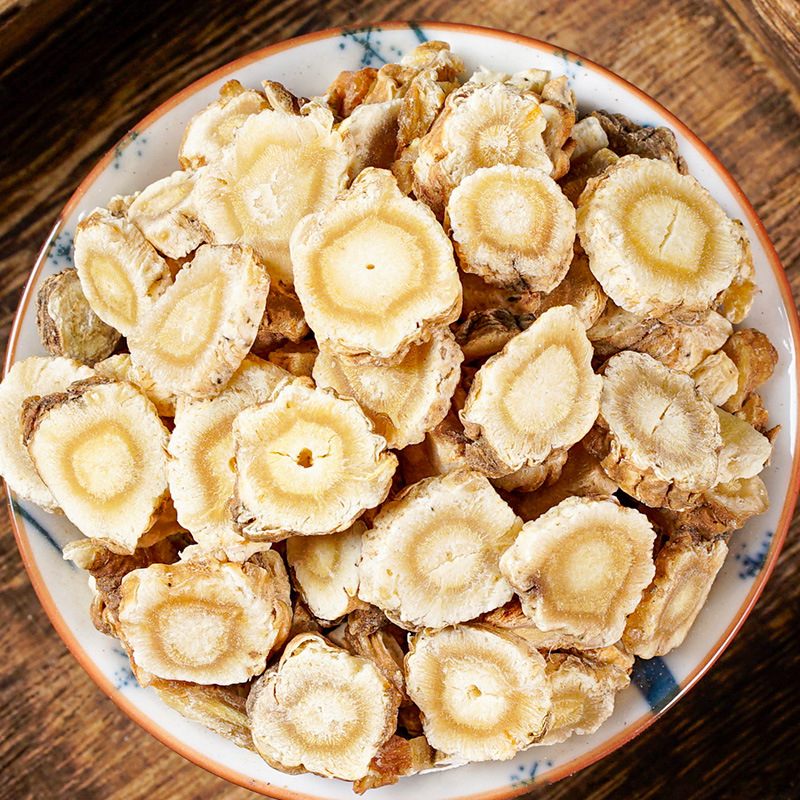
Chenpi, originally known as Jupi, is called Chenpi because it is better to use the aged ones for medicinal purposes. Chenpi is used to treat many clinical syndromes, not just cough. As Li Shizhen said, "Jupi, bitter in taste, can purge and dry; pungent in taste, can disperse; warm in nature, can harmonize. Its treatment of various diseases always relies on its function of regulating qi and drying dampness... Zhang Jiegu said: Chenpi and Zhiqiao promote the flow of qi, and phlegm will descend naturally." This is also the main reason why I use Chenpi in the prescription. As I mentioned earlier, the Qianhu Zhisou Tang I formulated is based on Cheng Zhongling's Zhisou San but without Baibu. The original prescription used Juhong. Regarding the herb Juhong, on one hand, it is truly difficult to obtain. The Juhong used nowadays is made by removing the inner pulp from Chenpi, not the genuine Huazhou Juhong. On the other hand, even such Juhong is often unavailable in ordinary pharmacies, so I directly used Chenpi. Through clinical application, I believe its effect is still quite good. It is worth noting that Chenpi is prone to mold, so when using it, one should choose those that are not rotten or spoiled to avoid side effects.
10. Fritillaria
The herb Fritillaria is used to treat many clinical conditions, not just cough. However, folk customs generally regard Fritillaria as a specific remedy for cough, especially Sichuan Fritillaria, which is particularly famous (to the extent that its other functions are overshadowed). Therefore, there is no need to elaborate on the role of Fritillaria in treating cough. One point worth mentioning is that Fritillaria is divided into two types: Sichuan Fritillaria and Zhejiang Fritillaria (also known as Pingbei or Xiangbei). According to traditional Chinese medicine practices, Sichuan Fritillaria is used to moisten the lungs, while Zhejiang Fritillaria is used to clear lung heat. Hence, the prescription I propose should use the latter. Additionally, Sichuan Fritillaria is much more expensive than Zhejiang Fritillaria, which is another reason for choosing the latter.
It should also be mentioned that besides the two types of Fritillaria mentioned above, there is another type called Tu Beimu (note that Zhe Beimu is also sometimes referred to as Tu Beimu, but it should not be confused with this Tu Beimu). This type is primarily used to treat conditions such as sores, boils, and swelling, and is not effective for treating lung-related diseases like cough. Caution should be exercised when using it.
11. Whole Trichosanthes Fruit
Clinically, Trichosanthes can be divided into different uses such as whole Trichosanthes, Trichosanthes peel, and Trichosanthes seeds. Of course, like other medicinal herbs, Trichosanthes treats many conditions and is not solely used for cough. Since this article only discusses prolonged cough due to external pathogens, only the content related to cough treatment is excerpted as follows: In the "Xuan Ming Lun Fang," a single Trichosanthes fruit is used, with the seeds removed, ground into powder, mixed with flour to make cakes, roasted until yellow, and then ground into powder again. One qian is taken each time, dissolved in warm water with lactose, three times a day. It is used to treat children with diaphragmatic heat, severe cough, and prolonged wheezing that does not resolve. In the "Lu Fu Jin Fang," for treating cough with phlegm, a ripe yellow Trichosanthes fruit is used, with some seeds removed and replaced with peeled almonds. It is then burned until its properties are preserved, mixed with vinegar paste to form pills the size of Chinese parasol tree seeds. Twenty pills are taken each time before bedtime, swallowed with white radish soup. The "Compendium of Materia Medica" states: "It moistens lung dryness, reduces fire, treats cough, dissolves phlegm accumulation, benefits the throat, and reduces abscesses, sores, and toxins." The "Chongqing Hall Essays" states: "It moistens dryness, opens accumulations, and clears phlegm heat..." The "Ben Cao Bian Du" states: "Its nature and flavor are the same as those of Trichosanthes root, but its moistening and descending effects are stronger. Therefore, it can be used for conditions such as upper burner stagnant heat, greasy phlegm-fire, and cough." The "Dictionary of Chinese Materia Medica" summarizes its functions as: "Moistening the lungs and resolving phlegm, dispersing accumulations and lubricating the intestines. It treats phlegm-heat cough, chest impediment, chest bind, lung wilting with coughing blood, wasting-thirst, jaundice, constipation, and early-stage abscesses."
Although the above excerpt may be taken out of context, it can still be seen that the herb Trichosanthes kirilowii has indeed been highly regarded by medical practitioners throughout history for treating cough with phlegm-heat and excessive phlegm accumulation. Clinical evidence confirms its efficacy, and it can be used with confidence. However, it should be noted that it is not suitable for use in the early stages of a cold.
Once, my daughter had a severe cough after catching a cold, and she mentioned having a lot of phlegm. Over the phone, I instructed her to take three doses of this prescription. Due to the excessive phlegm, I also advised adding 20g of whole Trichosanthes kirilowii. Three days later, when I returned home, my daughter told me that after taking the three doses, she felt no improvement. I then inquired in detail about the nature of the phlegm, and she said, "It's like foamy white phlegm, not sticky at all." I said, "Remove the whole Trichosanthes kirilowii and take three more doses to see." As a result, she recovered immediately after finishing them. From this, I learned that whole Trichosanthes kirilowii has a moistening nature and is suitable for treating sticky phlegm caused by "stagnant heat in the upper burner and turbid phlegm-fire," not ordinary phlegm. Before this, I was accustomed to using whole Trichosanthes kirilowii, but only after this experience did I begin to understand why ancient practitioners insisted on using different parts of Trichosanthes kirilowii (such as the peel, seeds, or the whole fruit) separately.
12. Licorice
The medicinal properties and indications of licorice are well-known to anyone who has studied traditional Chinese medicine, so I will not elaborate further here. It is important to note that my use of licorice in this context is not solely for its role in harmonizing other herbs. In addition to its sweet taste and gentle nature, licorice is highly effective in dispelling phlegm. During my time as a barefoot doctor in the Fengxi Brigade, we produced our own Chinese patent medicines to support cooperative healthcare (at that time, higher authorities required all health clinics to make their own medicines). When grinding licorice, its fine powder would enter the throat, tasting sweet and demonstrating a clear phlegm-dispelling effect. Even today, many commonly used cough and phlegm-relieving patent medicines or children's cough syrups still contain licorice extract. Therefore, although licorice serves as an adjuvant herb in this formula, it remains indispensable. Please take note of this.
13. Reed Rhizome
"Medical Records: Integrating Chinese and Western Medicine" states: "Its nature is cool, capable of clearing lung heat; its hollow structure can regulate lung qi." "Illustrated Classic of Materia Medica" states: "Reed root clears and purges lung heat, also promotes diuresis, guiding heat toxins out through urine, thus it can treat lung heat with thick phlegm cough and lung abscess with purulent sputum and blood." For the former condition, it is often combined with mulberry bark, skullcap root, and fritillaria to clear heat, resolve phlegm, and relieve cough. For the latter condition, it is often combined with platycodon root, houttuynia, coix seed, and honeysuckle to clear the lungs, expel pus, detoxify, and treat abscesses. Additionally, reed root clears heat while also dispersing wind-heat, making it suitable for wind-heat cough. It is often combined with mulberry leaf, chrysanthemum, and platycodon root to disperse wind, clear heat, diffuse the lungs, and relieve cough, as seen in the formula Sang Ju Yin from "Systematic Differentiation of Warm Diseases." In this formula, I only use it as a guiding herb, so no further discussion is needed.
Conclusion
All the herbs in this formula are commonly used in clinical practice for treating cough. On the surface, they may appear to overlap, but in reality, they do not. This is akin to concentrating superior forces, as Sun Tzu said, "If ten times the enemy's strength, surround them." This formula summarizes my decades of experience in treating externally contracted cough. As long as the syndrome differentiation is correct, it can be described as effective in every case. Because the herbs are not bitter, it is particularly suitable for pediatric patients. Even children who cannot take syrup can still take this formula. Generally, 2 to 6 doses are sufficient for a cure, truly remarkable. Hence, I dare to record it here to share with fellow practitioners.