As soon as the weather turns cool, sugarcane starts appearing at stalls. You can see bundles of thick, straight sugarcane everywhere—at roadside fruit stands, in vegetable markets, and in front of supermarkets. Peel off the skin, take a bite, and the juice overflows, so sweet it makes you tremble. This thing is not just a "winter exclusive"; it also evokes childhood memories for many people.
The question then arises. Many diabetic friends drool over sugarcane while feeling uncertain in their hearts: "Didn't the doctor say we shouldn't eat too much sugar? Sugarcane is so sweet—can we still eat it?" Some even say, "Just a taste won't hurt," but their confidence wanes. Others claim, "I ate a piece, and my blood sugar shot up to over ten!" Is this a coincidence, or did they truly "crash"?
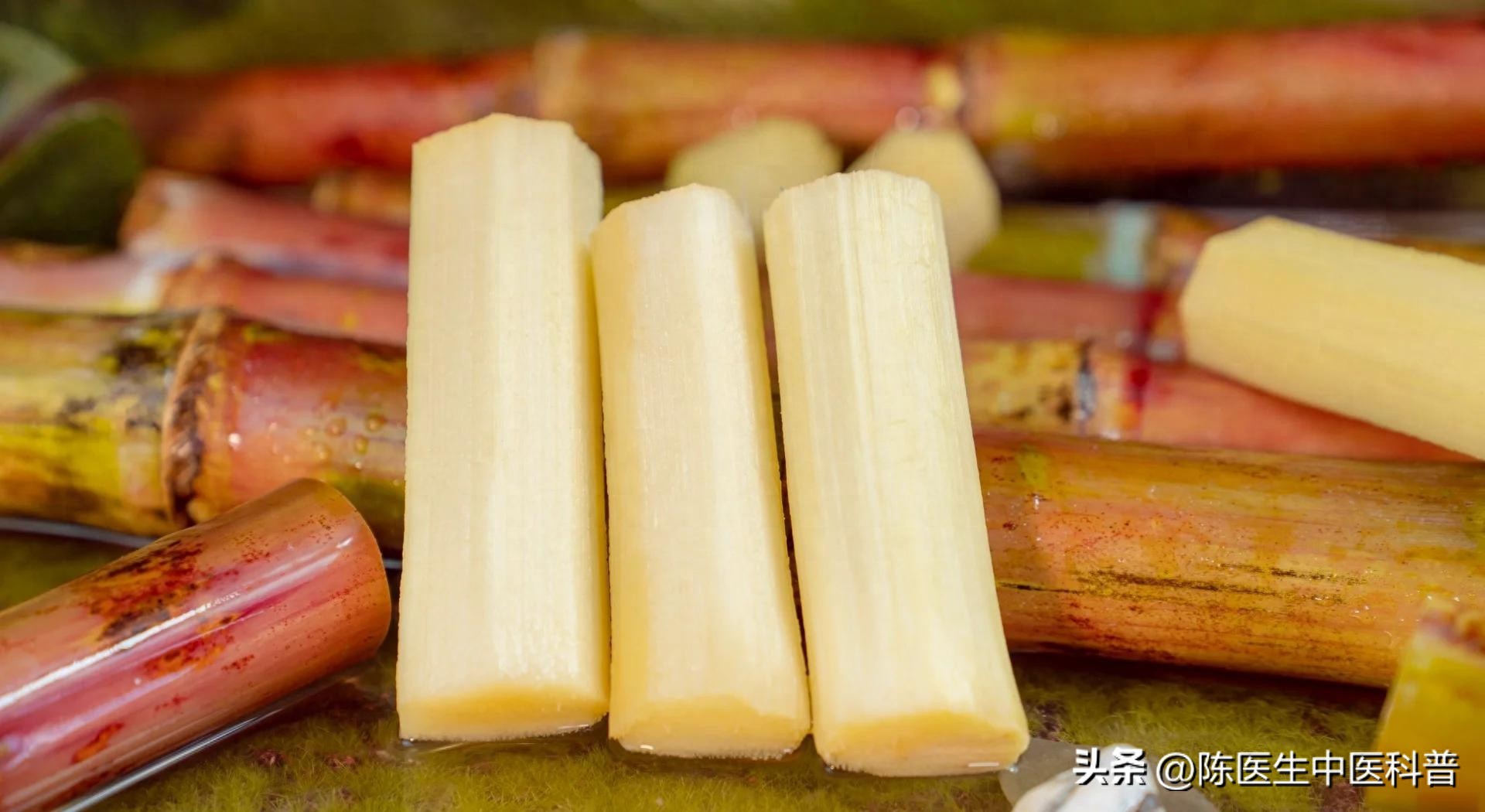
Sugarcane, can diabetics eat it or not
As a traditional Chinese medicine practitioner, I often say that medicine and food share the same origin, and any food has its two sides. Sugarcane is no exception; it is not a monster, but it is certainly not a healthy snack that can be enjoyed without restraint.
From the perspective of traditional Chinese medicine, sugarcane is cold in nature and sweet in taste, belonging to the lung and stomach meridians. It has the effects of clearing heat, promoting fluid production, moistening dryness, and descending qi. The "Compendium of Materia Medica" records: "Sugarcane is neutral in nature, with the effects of clearing heat and descending qi, aiding the spleen and strengthening the stomach, benefiting the large and small intestines, quenching thirst and resolving phlegm, relieving restlessness and alleviating alcohol intoxication. It can improve symptoms such as restlessness and thirst, constipation, drunkenness, bad breath, lung heat cough, and sore throat."
However, from the perspective of modern medicine, the main components of sugarcane are sucrose, along with glucose and fructose, which essentially classify it as a high-sugar food. In 100 grams of sugarcane, there is approximately 13 grams of sugar, with a calorie content of around 60 kilocalories. This sugar content is not the lowest among fruits, but it is also not the highest; it is slightly lower than that of lychees and bananas, but higher than that of apples and oranges.
The key lies in the glycemic response. The glycemic index (GI) of sugarcane is around 65, which is considered moderately high. This means that after consumption, blood sugar levels rise faster compared to low-GI foods like apples or cucumbers, but not to an extreme extent.
If you eat sugarcane on an empty stomach, chewing and swallowing it in large bites without controlling the amount, your blood sugar is indeed likely to spike. However, if you know how to structure your diet and master the rhythm of eating, blood sugar control won't actually "go off the rails."
How to eat sugarcane properly? I have summarized six key points. As long as you follow these, people with diabetes can also enjoy the deliciousness of sugarcane with peace of mind.
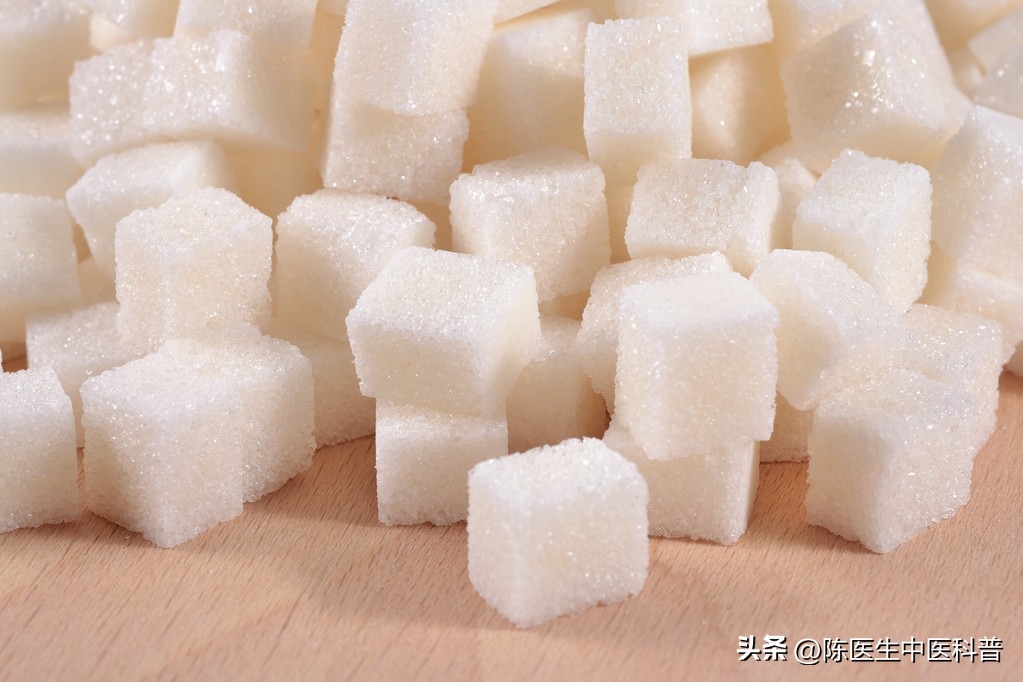
First, eating sugarcane should be counted in the total carbohydrates
Don't eat sugarcane today and then still consume staple foods, snacks, and multigrain porridge as usual—of course, your blood sugar will skyrocket. Every bit of sugar you eat, your body has to account for. "Eat happily, blood sugar suffers"—this isn't meant to scare you, it's reality.
Traditional Chinese medicine emphasizes that "grains are the foundation of nourishment," with staple foods serving as the primary source of our energy. Sugarcane, as a fruit, can only be consumed as a snack and should not replace staple foods. After eating sugarcane, it is necessary to correspondingly reduce the intake of staple foods to maintain a balanced total carbohydrate intake.
Second, do not eat on an empty stomach.
On an empty stomach, insulin levels are low. Sugarcane, which is high in sugar and low in fiber, can cause blood sugar to spike rapidly. It is best to eat one or two small pieces between meals when blood sugar is relatively stable, rather than consuming an entire stalk.
From the perspective of Traditional Chinese Medicine, on an empty stomach, the functions of the spleen and stomach are relatively weak. Consuming cold-natured sugarcane at this time can easily damage the yang qi of the spleen and stomach, leading to spleen and stomach deficiency cold, and symptoms such as cold pain in the epigastric region and diarrhea. Therefore, it is best to eat sugarcane 1-2 hours after a meal, when the functions of the spleen and stomach are stronger, allowing for better digestion and absorption of the nutrients in sugarcane.
Third, do not drink it as juice
Many people think that turning sugarcane into juice is healthier, but in fact, the opposite is true. Juicing removes the fiber, causing the sugar to be released more quickly and leading to a sharper spike in blood sugar levels. Drinking a cup of sugarcane juice is not as good as chewing two small pieces of raw sugarcane—this is the truth.
Traditional Chinese medicine believes that "food should not be too refined, and meat should not be too finely chopped," but the term "finely chopped" here does not refer to squeezing food into juice. Instead, it means that food should be processed finely to make it easier to digest and absorb. Although sugarcane juice tastes good, it loses the function of dietary fiber and can easily cause a rapid rise in blood sugar. Chewing sugarcane directly not only preserves dietary fiber but also exercises the teeth and chewing muscles, promotes saliva secretion, and aids in digestion and absorption.
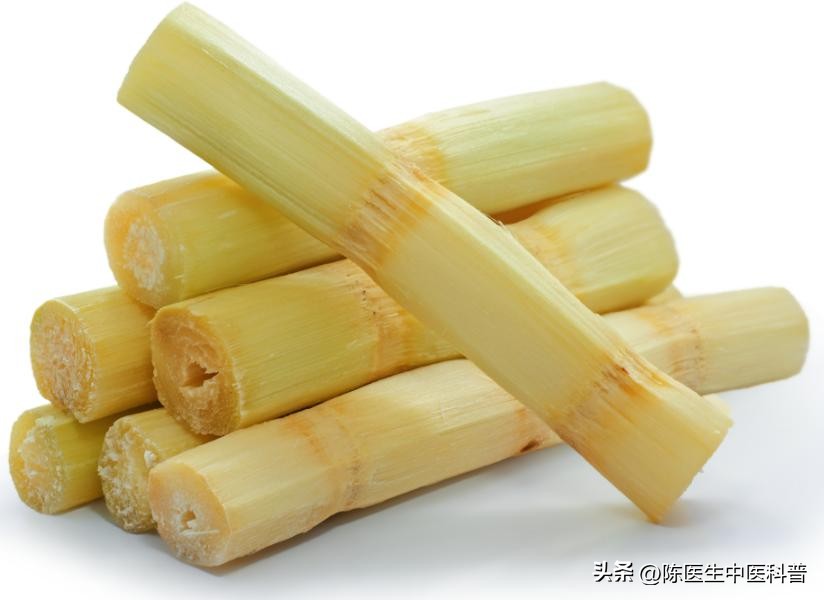
Fourth, the amount of sugarcane consumed must be limited to a small segment (approximately 50 grams).
Don't look at that small piece, its sugar content is already close to two sugar cubes. After eating, you can monitor your blood sugar to see how big your blood sugar response to sugarcane is.
Traditional Chinese Medicine emphasizes the "Doctrine of the Mean," advocating moderation in all foods. Although sugarcane is delicious, it should not be consumed excessively. Overconsumption of sugarcane can not only lead to elevated blood sugar levels but also damage the spleen and stomach, resulting in symptoms such as abdominal distension and diarrhea. Therefore, it is essential to control the amount of sugarcane consumed, with each serving not exceeding 50 grams and no more than three times per week.
Fifth, eat with protein and fat-rich foods
For example, eating nuts, eggs, or low-fat yogurt before consuming sugarcane can slow down sugar absorption, preventing a rapid rise in blood sugar.
Traditional Chinese medicine emphasizes the "harmony of five flavors," and the combination of foods should be reasonable. Sugarcane has a sweet taste and belongs to sweet foods, which can easily generate dampness and produce phlegm. Foods rich in protein and fat, such as nuts, eggs, and low-fat yogurt, belong to salty foods, which can strengthen the spleen, promote diuresis, and neutralize the sweetness of sugarcane. Therefore, pairing sugarcane with some protein- and fat-rich foods can balance yin and yang, reducing the adverse effects of sugarcane on the body.
Sixth, do not eat it as a meal, do not eat it every day
Sugarcane is a seasonal fruit, and it's fine to indulge occasionally for a taste, but if you chew on it every day, it becomes a challenge for blood sugar control. "A moment of pleasure in the mouth, three days of high blood sugar" is not uncommon.
Traditional Chinese medicine emphasizes "following the natural order," meaning that food consumption should align with seasonal characteristics. Sugarcane is a winter fruit. In winter, the weather is cold, and the body's yang energy is stored internally. Consuming cold-natured sugarcane during this time can easily damage yang energy. Therefore, sugarcane should only be consumed occasionally as a seasonal fruit in winter and not eaten every day.
Why do some diabetics experience no significant change in blood sugar after eating sugarcane?
This involves individual differences. Some people have relatively good pancreatic islet function and can quickly process blood sugar after eating slightly sweet foods; others experience a "blood sugar explosion" after eating just a little. Therefore, do not blindly follow others' experiences. "Just because others don't experience a spike doesn't mean you won't either." It depends on your own blood sugar response.
There is another type of person who usually controls their diet too strictly, maintaining a long-term low-carbohydrate intake. When they eat sugarcane, their blood sugar spikes particularly sharply. This is known as "excessive reactivity," where the body is overly sensitive to sugar, reacting strongly to even the slightest stimulus.
Many people overlook a key point: monitoring blood sugar. Ultimately, it's not the doctor who decides whether you can eat sugarcane, but your blood glucose meter. If possible, measure your blood sugar one hour and two hours after eating sugarcane to see if it exceeds the limit. If it only rises slightly and your post-meal blood sugar does not exceed 10 mmol/L, then it's not a big issue. However, if it spikes to 12 or 13 or above, you need to be cautious.
Do not be afraid of trouble, be afraid of eating without caution. I have encountered many cases in the clinic where patients thought they were fine but ended up with uncontrolled blood sugar. A middle-aged male diabetic patient, who believed his blood sugar was well-controlled, decided to eat some sugarcane in winter to nourish himself. As a result, after eating two or three pieces for three consecutive days, his blood sugar soared to 16, his vision became blurry, and his feet began to feel numb. Upon further examination, his glycated hemoglobin rose from 6.8 to 8.2, directly entering the pre-complication stage.
Sugarcane is not poison, but it is not a health product to be consumed casually. Every bit of sweetness you eat, your body will remember.
Some people might say, doesn't sugarcane also contain dietary fiber and minerals? Indeed, sugarcane contains a certain amount of dietary fiber and trace elements such as potassium, calcium, and magnesium, but the content of these components is not high, and its nutritional value is not as good as eating a bowl of vegetable soup. When it comes to supplementing nutrition, sugarcane is far from the first choice.
But on an emotional level, the human touch of sugarcane is irreplaceable by any other fruit. It brings not only sweetness but also the lively atmosphere of winter and memories from childhood. I am not forbidding you from eating it, but rather hoping that you eat with understanding and peace of mind.
Many things are not about "to eat or not to eat," but rather "how to eat." Diabetes does not mean a lifetime of only bitter melon and plain water. Life should be flavorful, but that flavor requires strategy and a bit of thought—just like playing chess, where you cannot focus only on the immediate sweetness but must consider the situation several moves ahead.
You can eat sugarcane, but you need to know what you're doing. Ultimately, diabetes management is a long-term game, not determined by a single meal, but every meal influences the outcome. You can enjoy the temptation of sugarcane, this "winter-limited" treat, but you must also know your limits.
Do not let a moment of craving lead to three months of blood sugar fluctuations. Eating wisely and controlling sugar effectively are the confidence that people with diabetes should have.