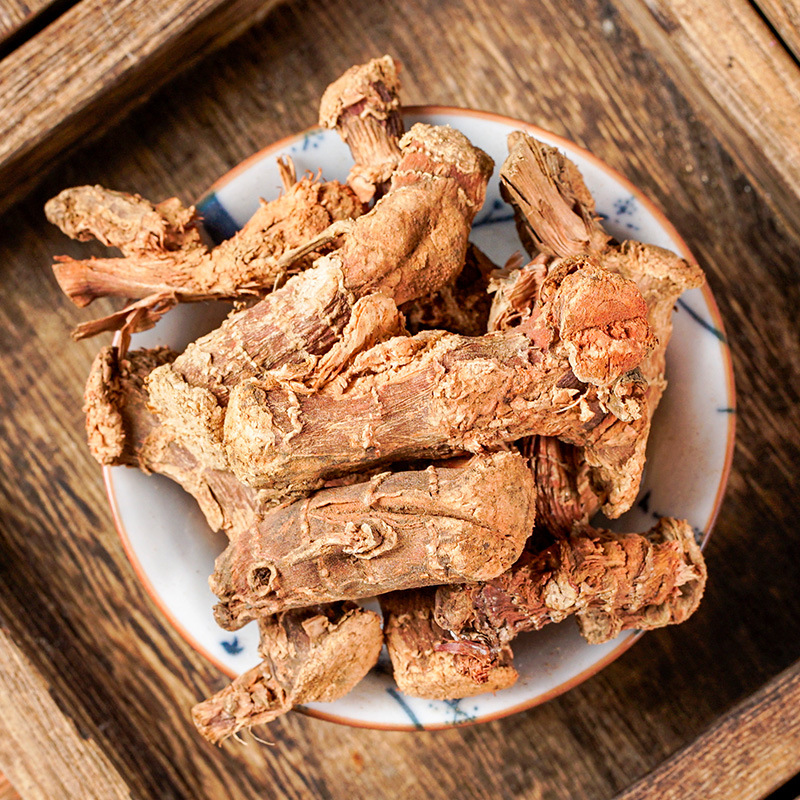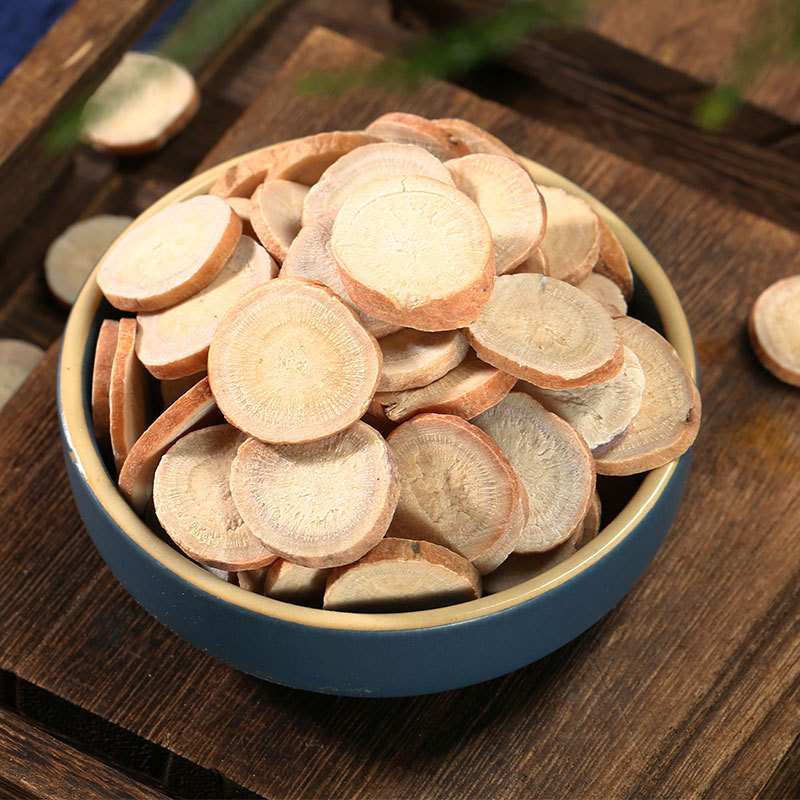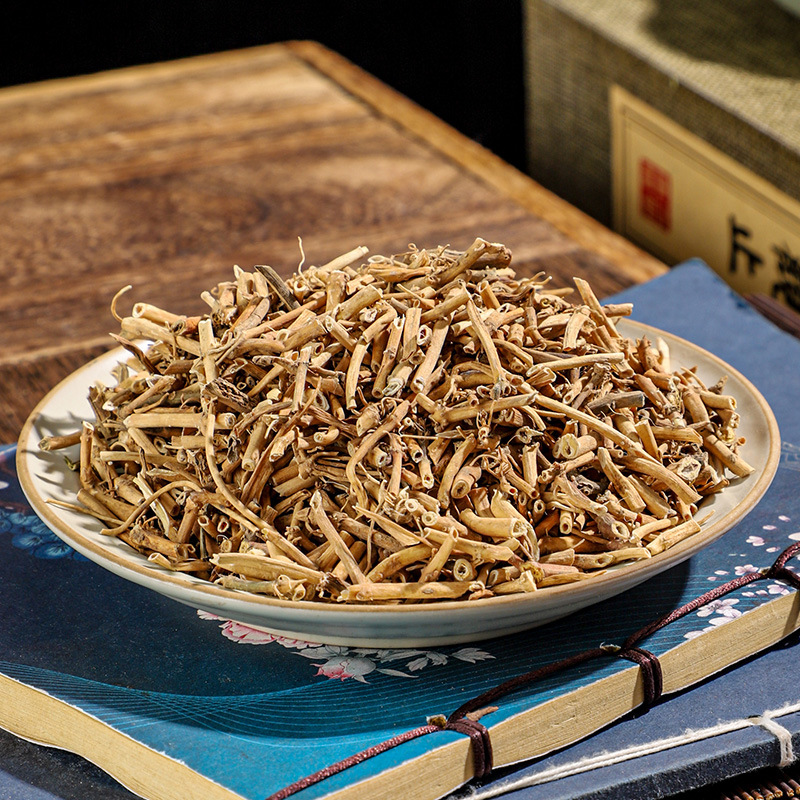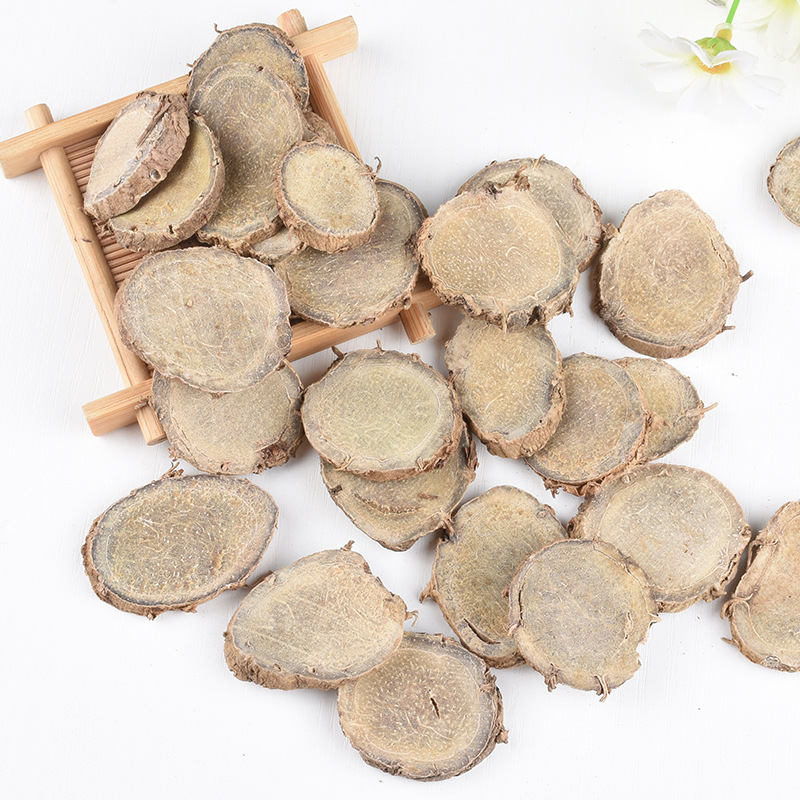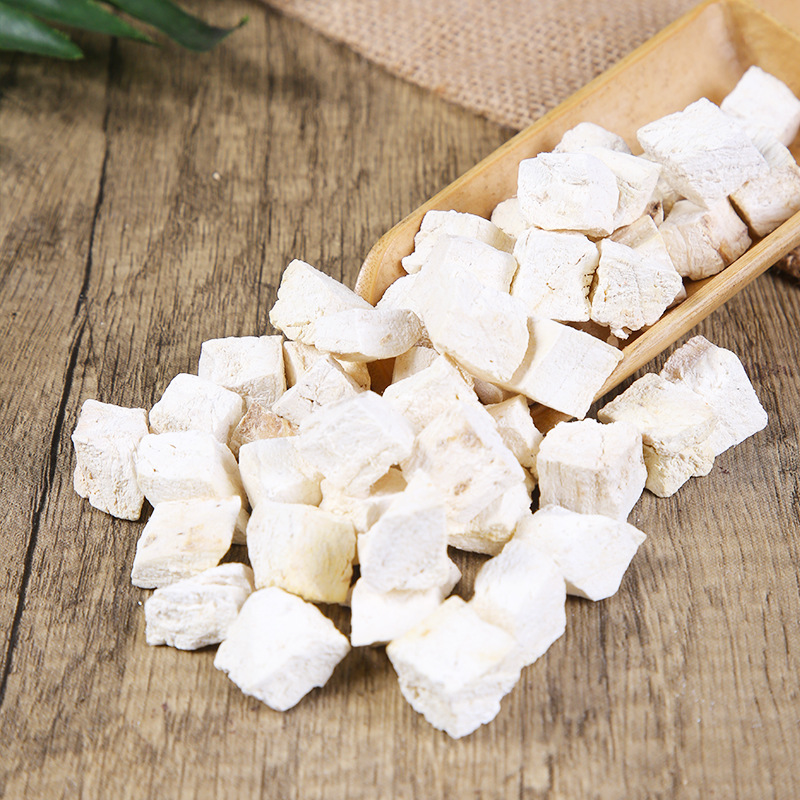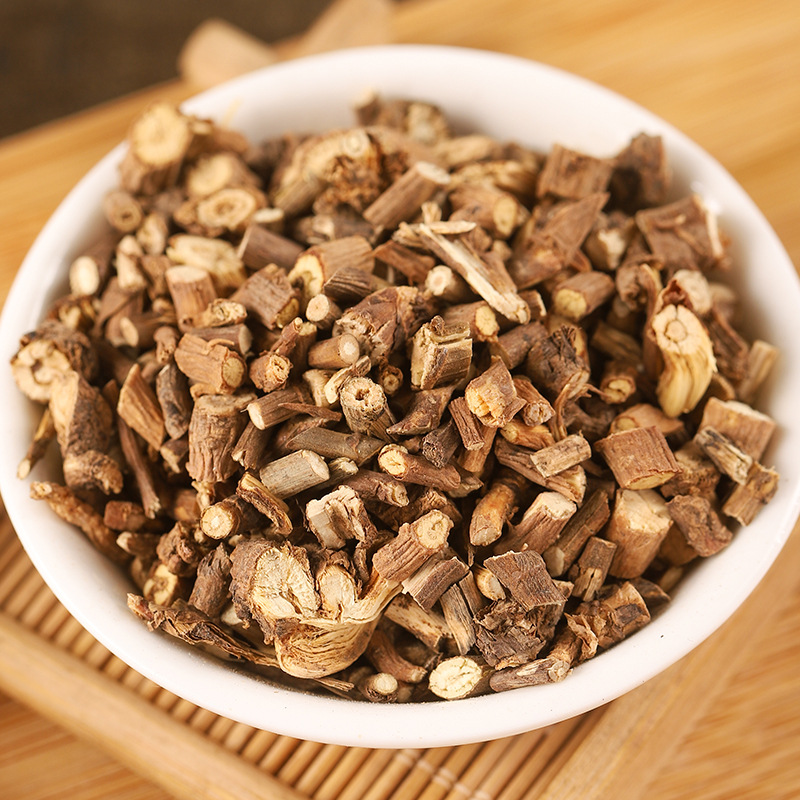
Traditional Chinese medicine is beneficial, but misuse may harm the liver and kidneys. In many households, traditional Chinese medicine is regarded as a "natural and harmless" health option, and is even used as a means of daily conditioning. However, doctors caution that traditional Chinese medicine is not entirely non-toxic or harmless; some medications, if used long-term or in large quantities, may cause irreversible damage to the liver and kidneys.
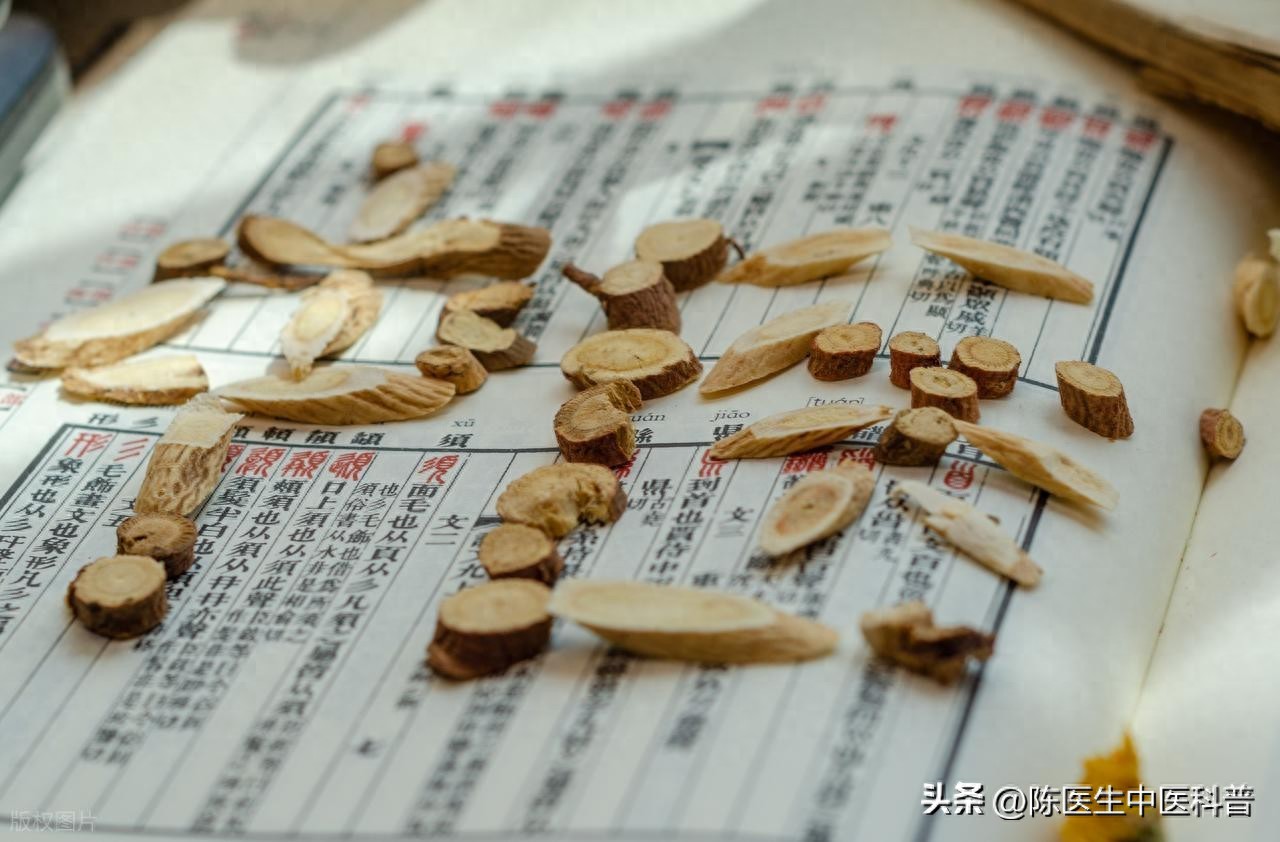
The liver and kidneys are vital organs for metabolism and detoxification in the human body. Certain components in traditional Chinese medicine require decomposition by the liver and excretion by the kidneys, which also means they place a greater burden on these two organs. In particular, some traditional Chinese medicines containing toxic components can gradually impair liver and kidney function with long-term use, potentially leading to chronic hepatitis, renal insufficiency, or even uremia in severe cases.
Improper use of traditional Chinese medicine may harm the liver and kidneys
The dual nature of traditional Chinese medicine is often overlooked by people. Traditional Chinese medicine is indeed a treasure of Chinese medical science, with unique efficacy in treating diseases and regulating the body. However, precisely because of the complex composition of traditional Chinese medicine, the toxic components present in some drugs also make it a double-edged sword. Long-term use of certain traditional Chinese medicines may not only fail to achieve the expected therapeutic effects but also cause hidden harm to the body.
After entering the human body, the components of traditional Chinese medicine need to be decomposed and metabolized by the liver. If the medicine contains highly toxic components or components with a high metabolic burden, it may damage liver cells, further leading to drug-induced hepatitis and even liver failure.
The kidneys are responsible for excreting metabolized drugs from the body through urine. If certain drug components are difficult to fully metabolize or deposit excessively in the renal tubules, it may lead to renal tubular damage, thereby reducing the kidneys' excretory capacity, and in severe cases, potentially inducing kidney failure.
Many people believe that traditional Chinese medicine is derived from plant or animal ingredients, leading them to mistakenly assume it is "purely natural and harmless." However, in reality, many components of traditional Chinese medicine possess certain levels of toxicity. These toxic effects may not be immediately apparent in the short term, but long-term and excessive consumption can pose potential threats to the body.
For example, the common Polygonum multiflorum, although widely used for nourishing the liver and promoting hair growth, contains anthraquinone compounds. Long-term use may induce abnormal liver function or even drug-induced hepatitis. The rational use of traditional Chinese medicine and avoiding blind reliance are key to protecting health. In particular, the following categories of traditional Chinese medicines pose a higher risk of toxicity to the liver and kidneys, and long-term use may lead to serious consequences.
Long term use of these types of traditional Chinese medicine may lead to liver and kidney damage
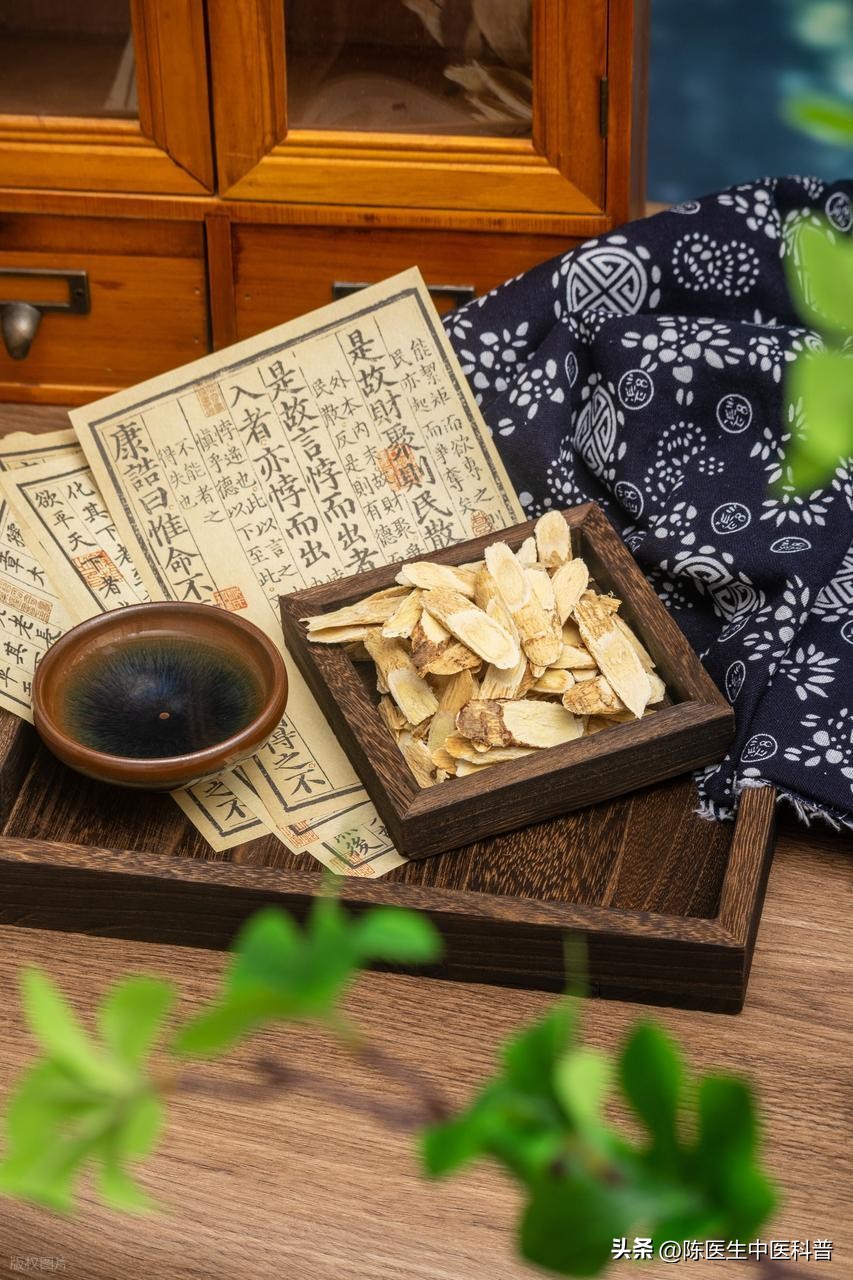
1. Polygonum multiflorum——Long-term use may easily cause liver damage
Polygonum multiflorum is highly regarded for its efficacy in "darkening hair and nourishing the complexion," particularly favored by middle-aged and elderly individuals. However, its hepatotoxicity has been confirmed by multiple studies.
Research Basis:
- A 2014 study published in the World Journal of Gastroenterology indicated that Polygonum multiflorum and its preparations are one of the main causes of drug-induced liver injury in China.
- Clinical analysis from the Liver Disease Research Institute of Peking University First Hospital indicates that long-term consumption of Polygonum multiflorum can lead to hepatocyte necrosis, abnormal elevation of liver enzymes, and even progression to liver failure.
Suggestion:
- Polygonum multiflorum should not be taken for a long time, especially those with abnormal liver function should be cautious.
- If needed, it is recommended to use under the guidance of a doctor, avoid increasing the dosage or taking it for a long time without authorization.
2. Tripterygium wilfordii—highly toxic, damages the kidneys
Tripterygium wilfordii has anti-inflammatory and immunosuppressive effects and is often used in the treatment of diseases such as rheumatoid arthritis. However, it is highly toxic, especially causing significant damage to the kidneys.
Research Basis:
- A 2019 study published in the Chinese Journal of Rheumatology indicated that Tripterygium wilfordii can cause acute kidney injury and even lead to renal failure.
- Clinical research from Zhongshan Hospital affiliated with Fudan University found that patients who used Tripterygium wilfordii long-term had significant renal tubular damage, and some patients developed irreversible renal failure.
Suggestion:
- Leigongteng is strictly prohibited for self-use and must be taken under the guidance of a doctor for a short period.
- Contraindicated in patients with renal insufficiency, pregnant women, and children.
3. Aristolochia manshuriensis—Contains aristolochic acid, which can easily lead to renal failure
Guanmutong was once widely used for clearing heat and promoting diuresis, treating edema, but it contains aristolochic acid, a component that has been proven to have severe nephrotoxicity and may even lead to cancer.
Research Basis:
- In 2001, the New England Journal of Medicine reported that a group of women in Belgium who took weight-loss drugs containing aristolochic acid developed severe kidney damage, with some even progressing to uremia.
- The Chinese Pharmacopoeia has removed traditional Chinese medicines containing aristolochic acid since 2003, but some folk remedies are still circulating in the market, requiring extra vigilance.
Suggestion:
- Guanmutong and other traditional Chinese medicines containing aristolochic acid (such as Guangfangji, Tianxianteng, etc.) should be avoided.
- If you need to clear heat and promote diuresis, you can choose safe alternatives such as winter melon peel and coix seed.
4. Licorice - Long-term use may lead to hypertension and edema.
Licorice is commonly used to moisten the lungs, relieve cough, and alleviate stomach pain, but long-term use may cause water and sodium retention, leading to hypertension and hypokalemia.
Research Basis:
- A study in the Journal of the American Medical Association indicates that long-term consumption of licorice can lead to "pseudoaldosteronism," resulting in hypertension and hypokalemia.
- Clinical observations from the Affiliated Hospital of Beijing University of Chinese Medicine have found that some patients experience edema and elevated blood pressure due to long-term use of licorice.
Suggestion:
- Preparations containing licorice should not be taken for extended periods, especially with caution for patients with hypertension or heart disease.
- Avoid consuming large amounts of herbal teas or health drinks containing licorice.
5. Rhubarb – Long-term use may damage the intestines and kidneys
Rhubarb is a common purgative traditional Chinese medicine often used to relieve constipation. However, long-term use of rhubarb may lead to intestinal mucosal damage, the development of dependence-related constipation, and in severe cases, even affect liver function.
Research Basis:
- Long-term use of rhubarb can lead to significant loss of electrolytes such as potassium and sodium along with water, which over time may cause issues like fatigue and abnormal heart rhythms.
- The purgative effect increases the burden on the kidneys, and long-term use may damage renal tubular function, gradually reducing the kidneys' excretory capacity and even inducing chronic kidney disease.
Suggestion:
- Rhubarb should not be taken for a long time, especially for those with renal insufficiency.
- If needed, it is recommended to use under the guidance of a doctor, avoid increasing the dosage or long-term use without authorization.
Proper Use of Traditional Chinese Medicine to Protect Liver and Kidney Health
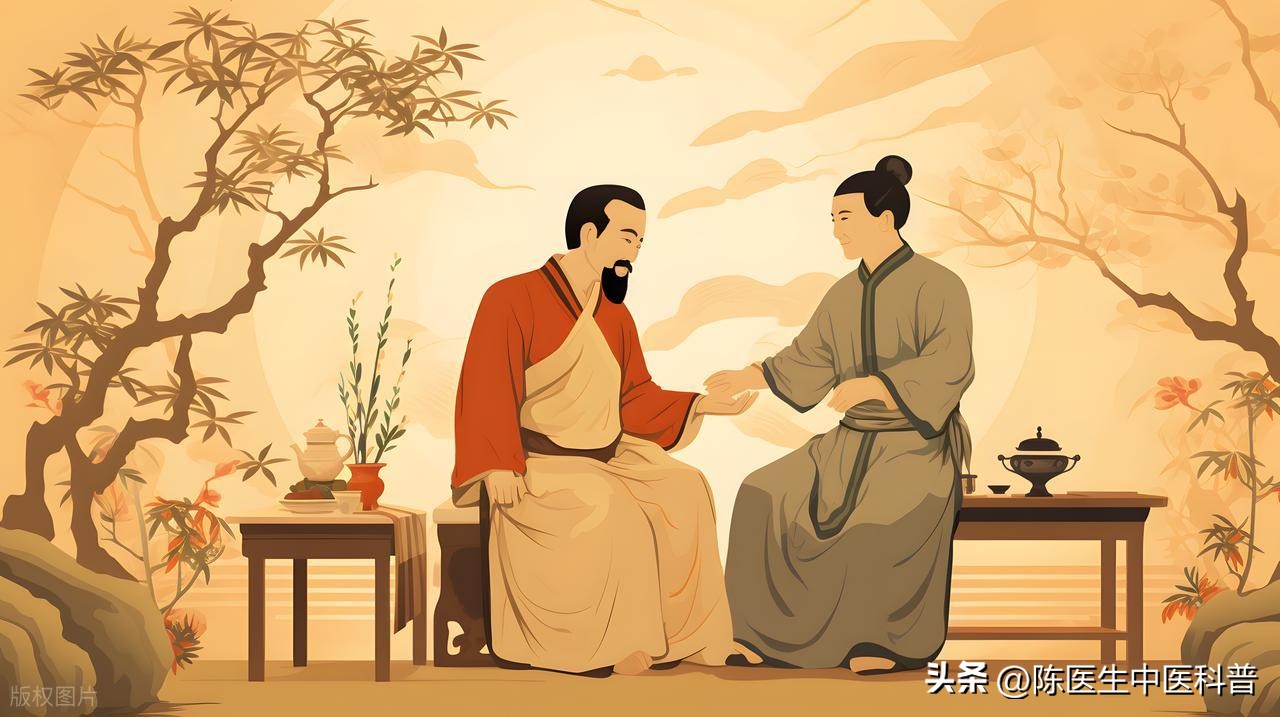
Scientific medication is essential to unleash the true efficacy of traditional Chinese medicine. The value of traditional Chinese medicine is unquestionable, but its use must be based on correct understanding and scientific methods. Here are the principles for using traditional Chinese medicine recommended by doctors:
- Avoid long-term useThe dosage and duration of traditional Chinese medicine should be adjusted based on individual conditions, and it is important to avoid arbitrarily increasing the dosage or extending the duration of use. Especially for traditional Chinese medicines with toxicity or strong medicinal effects, it is crucial to strictly adhere to the doctor's recommendations.
- Regular check-upsPatients taking traditional Chinese medicine for a long time should undergo regular liver and kidney function tests, especially when taking tonic or purgative herbs. If symptoms such as discomfort in the liver area or abnormal urine color occur, they should immediately discontinue the medication and seek medical attention.
- Avoid blindly following trendsTraditional Chinese medicine is not "the more, the better," nor does everyone need to supplement. When choosing nourishing traditional Chinese medicine, it should be based on one's own constitution and health condition to avoid blindly following trends in purchases.
- Choose formal channelsWhen purchasing traditional Chinese medicine, choose formal channels to avoid using drugs of unknown origin or those that have been restricted. Carefully read the drug instructions to understand the ingredients and contraindications, ensuring medication safety.
Conclusion
In daily life, we should rationally view the role of traditional Chinese medicine, avoiding blind reliance or excessive use. Only by using it scientifically under the guidance of a doctor can we truly realize the value of traditional Chinese medicine and avoid unnecessary harm to important organs such as the liver and kidneys. The effectiveness of traditional Chinese medicine does not lie in how much is used, but in how correctly it is used. Let us start with scientific medication to protect the health of ourselves and our families