Today I want to talk about a very common health misconception—nuts. Many people think nuts are a "healthy snack" and good for the heart, but the reality might be quite the opposite. Especially for those with a history of heart attack or poor heart health, eating certain nuts incorrectly can be more dangerous than eating greasy meat.
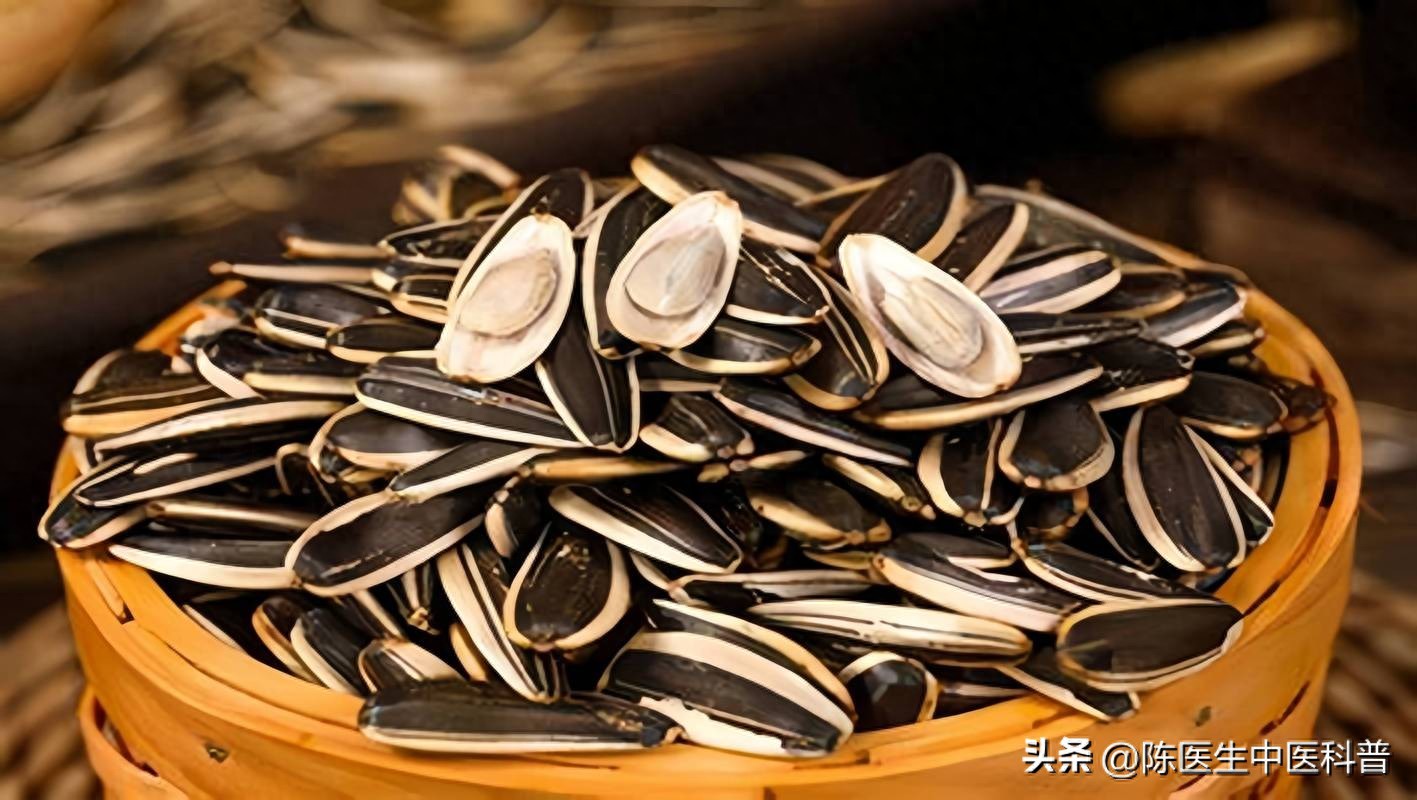
Let me share a real case with you. Uncle Wang, 65 years old, was cracking sunflower seeds at a chess stand near the entrance of his residential community two hours before his heart attack. He watched people playing chess while eating, shoving three handfuls of sunflower seeds into his mouth without stopping. At first, he only felt chest tightness, but after a while, he clutched his chest and crouched down. By the time he arrived at the hospital, he was already experiencing a typical ST-segment elevation myocardial infarction. Fortunately, he was sent to the hospital in time, which saved his life. During the catheter intervention in the emergency room, we found that his left anterior descending coronary artery was almost completely blocked, and his lipid profile showed—triglycerides as high as 4.2 mmol/L, with total cholesterol also far exceeding the normal range.
His daughter sat in the corridor, crying and asking me, "Doctor, can eating a few sunflower seeds cause trouble? Aren't they nutritious?"
Melon seeds, will they really clog blood vessels the more you eat?
First of all, it should be clear that sunflower seeds themselves are not "blood vessel blockers," but improper eating methods can indeed pose risks.
Sunflower seeds are high in fat, calories, and sodium, especially the popular five-spice and salt-roasted varieties on the market, which have extremely high sodium content. The Chinese Nutrition Society recommends that adults should not consume more than 2,000 milligrams of sodium per day, which is roughly equivalent to 5 grams of salt. However, a 200-gram pack of salted sunflower seeds typically contains over 1,500 milligrams of sodium, nearly equal to 3.75 grams of salt. Combined with the hidden salt in regular meals, it is very easy to exceed the recommended limit.
Excessive sodium intake can lead to elevated blood pressure, increasing the risk of atherosclerosis and myocardial infarction. For individuals with existing hypertension, coronary heart disease, or cardiac insufficiency, it is like adding fuel to the fire.
Not only that, sunflower seeds contain a large amount of oil, with a fat content of 40 to 50 grams per 100 grams. In particular, trans fatty acids are commonly found in roasted sunflower seeds. Long-term and excessive intake can increase low-density lipoprotein cholesterol (bad cholesterol), making blood vessels more prone to blockage.
So, sunflower seeds are not something you cannot eat, but people with poor cardiovascular health really should not snack on them excessively.
Do not just focus on sunflower seeds! These 5 types of nuts should be eaten with caution by people with heart conditions
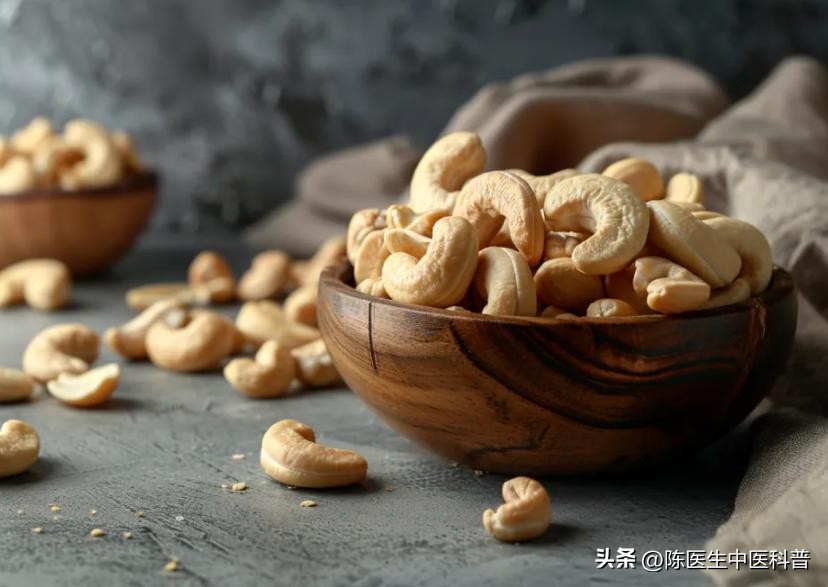
Nuts are indeed a treasure trove of nutrition, but not all nuts are beneficial for the heart. The following types, if you have heart problems, it is recommended to eat less or avoid them
1. Roasted Melon Seeds
As mentioned earlier, roasted sunflower seeds are high in both sodium and fat, and may also contain the carcinogen acrylamide, which is extremely unfriendly to cardiovascular health.
Especially when eating sunflower seeds, it is easy to consume a large amount of salt without realizing it, leading to a gradual increase in blood pressure, which is a chronic blow to the heart.
2. Sugar Roasted Chestnuts
The most fragrant bite on the street is actually a bomb for blood sugar and blood lipids.
The outer skin of sugar-fried chestnuts is coated with a thick layer of syrup, and the high-temperature frying process also produces caramelized products, which not only cause a rapid rise in blood sugar but may also damage the vascular endothelium.
For patients with diabetes and hyperlipidemia, overeating is equivalent to actively accelerating the speed of arteriosclerosis and indirectly triggering cardiovascular events.
3. Candied Nuts
For example, honey almonds, cream pecans, caramel cashews, etc., look tempting but are actually a "sweet trap."
These nuts often contain large amounts of added sugar and trans fats, as well as additives such as flavorings, colorings, and preservatives, which can burden the cardiovascular system and liver function.
Long-term consumption can lead to dyslipidemia, insulin resistance, and exacerbate cardiometabolic syndrome.
4. Fried Peanuts
Fried peanuts are crispy and delicious, but their fat content skyrockets, and the frying process easily produces oxidized lipids and inflammatory substances.
Research indicates that individuals who frequently consume high-temperature fried foods have a 23% higher risk of myocardial infarction compared to the general population (source: British Medical Journal, BMJ, 2021).
For people with heart problems, eating fried peanuts is like pouring oil into a clogged pipe—the consequences are predictable.
5. Processing Mixed Nut Packs
Such products are commonly found in the snack section of supermarkets, with a wide variety of options. Many are marketed as "daily nuts," but a glance at the ingredient list reveals the presence of "added sugar, salt, vegetable oil, and flavorings." Consuming these nuts not only fails to benefit the heart but can also lead to elevated blood lipid levels.
Can patients with myocardial infarction not eat nuts? No!
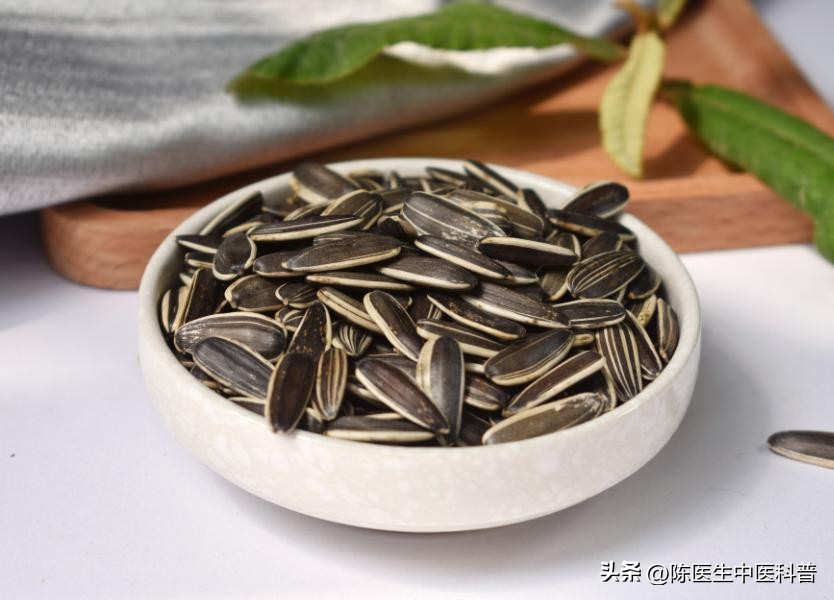
Nuts are indeed rich in unsaturated fatty acids, vitamin E, dietary fiber, and polyphenols, and moderate consumption is beneficial for cardiovascular health.
The key lies in eating right and choosing well.
The following three nuts are recommended by authorities as heart-protective nuts and are suggested to be prioritized
1. Original Walnut
Rich in α-linolenic acid, which can be converted into EPA/DHA in the human body, helping to lower triglycerides, reduce inflammation, and protect blood vessels.
It is recommended to eat 3 to 5 pieces daily without adding salt or stir-frying.
2. Original Almond
Rich in vitamin E and plant sterols, it helps stabilize blood lipids, resist oxidation, and slow down arterial aging.
Keep it to 10 to 15 pieces per day, and avoid buying sugar-coated almonds or spicy flavors.
3. Original Flavor Pistachios
Rich in monounsaturated fatty acids and potassium, it helps control blood pressure and lower heart rate.
Eat no more than 20 pieces per day, and do not add salt.
3 Key Principles for Healthy Nut Consumption
It's not that you can't eat it, it's that you shouldn't eat it indiscriminately.
Patients with myocardial infarction or those at high risk of cardiovascular disease must remember these three principles when eating nuts
1. Choose "Original Flavor" over "Processed"
The common issue with processed nuts is high salt, high sugar, and high oil content, which directly turns good things into bad things.
When purchasing, look for the phrases "no additives, original flavor," "low-temperature baking," and "no sugar, no salt."
2. Control the amount: a small handful per day, do not overdo it
The Dietary Guidelines for Chinese Residents (2022) recommend a daily intake of nuts of about 25 grams, roughly a small handful.
Exceeding this amount will lead to a significant overconsumption of fat and calories, which can harm the heart.
3. Consume it as a meal, not as a snack.
Do not watch TV series while eating sunflower seeds, and do not use nuts as a substitute when you feel like snacking.
It can be eaten with oatmeal, yogurt, or mixed vegetables for breakfast or main meals, making it easier to control portions and providing a greater sense of fullness.
Doctor's Reminder: Patients with Myocardial Infarction Should Pay Attention to These Dietary Considerations
In addition to controlling nut intake, the daily diet of myocardial infarction patients should follow the following principles
- Low salt, low fat, low sugar dietEat less processed food and try to have a light diet.
- Eat more fruits, vegetables, and whole grainsAdequate dietary fiber intake helps lower lipids and control blood sugar
- High-quality protein is essentialFish, eggs, soy products, skinless poultry, etc., protect the heart and nourish muscles.
- Quit smoking and limit alcohol, maintain a regular schedule, exercise moderatelyThis is the foundation for long-term rehabilitation in patients with myocardial infarction.
Written at the end
Nuts are a double-edged sword, the key lies in how to eat them and how much to eat.
Melon seeds are not a "terrible scourge", but if eaten incorrectly, they become a "vascular killer". Especially for those with heart problems, do not gamble with your life by eating them.
Scientific diet and reasonable intake are the key to protecting the heart.