When it comes to mutton, many patients with hypertension have such concerns: "Mutton is red meat, will eating it raise blood pressure?"
However, doctors remind that hypertension patients are not completely prohibited from eating lamb. As long as they choose the right parts, control the portion, and pair it reasonably, they may actually gain three benefits.
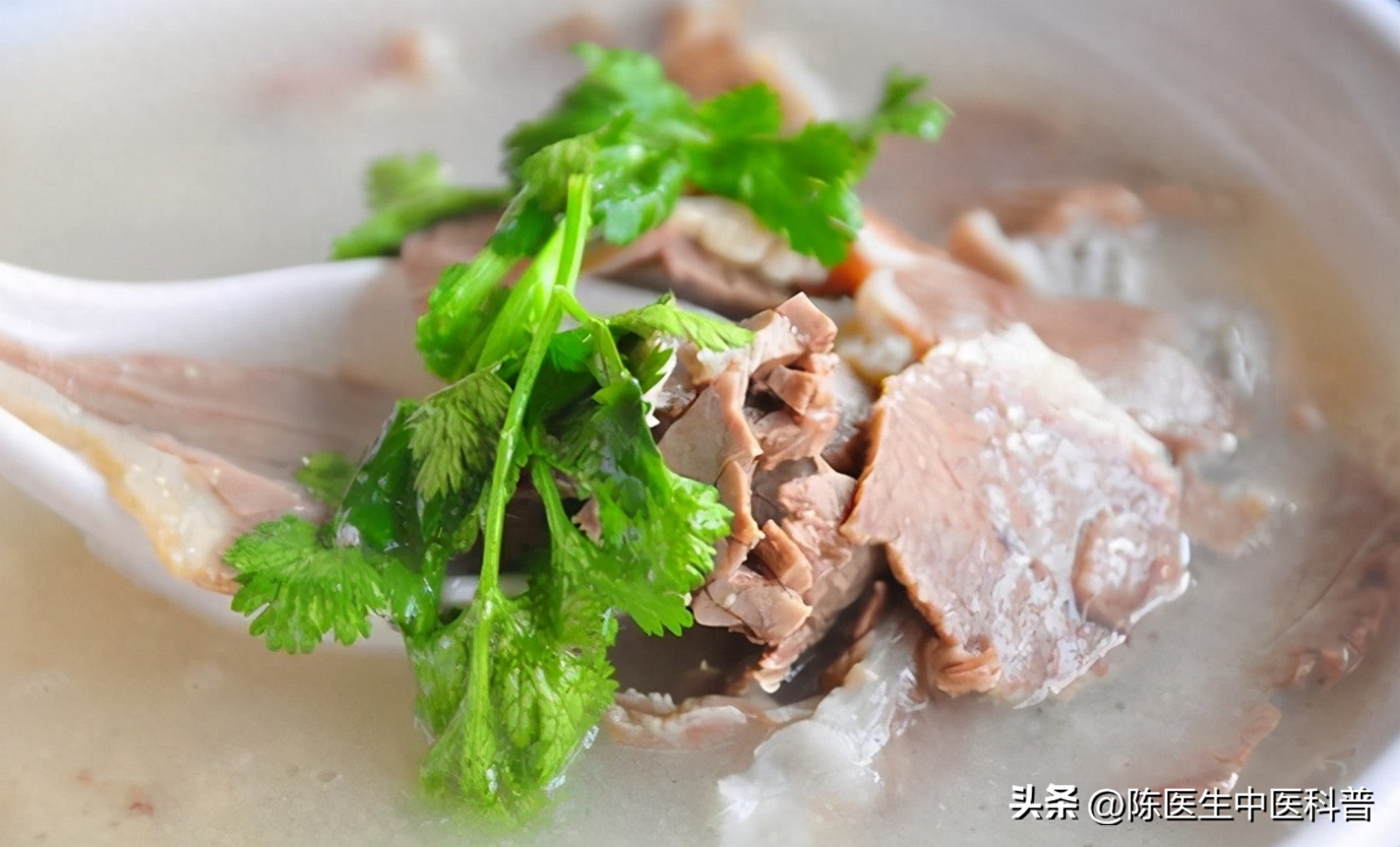
Today, I will talk to everyone about the correct way for hypertension patients to eat lamb and the potential benefits it may bring.
I. Nutritional Value of Mutton: Not a "Blood Pressure Killer"
Many people have a misunderstanding about lamb, believing it is "red meat" with high fat content and unsuitable for those with hypertension.
But in fact, the nutritional value and fat structure of mutton differ from those of other red meats. According to data from the "Chinese Food Composition Table (Sixth Edition)," every 100 grams of mutton contains approximately 8.8 grams of fat, whereas pork belly has a fat content as high as 33 grams.
Mutton is a high-protein, low-fat quality meat, with the lean part having a fat content only slightly higher than chicken breast. More importantly, the fat in mutton is primarily composed of unsaturated fatty acids, especially with higher levels of oleic acid and linoleic acid. When consumed in reasonable amounts, these fatty acids help regulate blood lipids.
That is to say, lamb is not as "greasy" as people imagine; instead, its lipid structure is more beneficial for cardiovascular health.
Two, Three Benefits of Eating Mutton for Hypertension Patients

Benefit one: Mutton is rich in L-carnitine, which helps with lipid metabolism
For patients with hypertension, controlling weight and reducing visceral fat accumulation are important aspects of managing blood pressure. Another underestimated component in lamb, L-carnitine, plays a key role in this process.
L-carnitine is an amino acid-like substance that promotes the entry of fatty acids into mitochondria for energy metabolism. In simple terms, it acts like a "little assistant for burning fat."
This is particularly important for patients with hypertension, as visceral obesity and metabolic abnormalities are often positively correlated with hypertension. Studies have shown that moderate intake of L-carnitine can improve fat metabolism, indirectly exerting a positive effect on blood pressure control.
Of course, this does not mean that the more lamb you eat, the better. The key lies in "moderation" and "scientific cooking."
Benefit two: rich in heme iron, improving the common hidden anemia in hypertensive patients
You may not know that after long-term use of certain antihypertensive drugs, people with hypertension may experience mild anemia or poor iron absorption, which can lead to fatigue, dizziness, and even affect the heart's oxygen supply function in daily life.
As a type of red meat, mutton is rich in heme iron, which is derived from animal sources and is more easily absorbed and utilized by the human body, with a much higher absorption rate compared to plant-based iron.
What is even more interesting is that lamb also contains a certain amount of trace elements such as vitamin B12, zinc, and selenium, which not only participate in the hematopoietic process but are also related to functions such as immune regulation and vascular elasticity modulation.
Therefore, for some hypertensive patients at risk of mild anemia, consuming an appropriate amount of mutton is a gentle and effective way to supplement nutrition, far more natural and controllable than frequently taking iron supplements.
Benefit three: The natural warming and nourishing properties of lamb help improve the state of blood vessel constriction
Traditional Chinese Medicine states that "mutton has a warm nature." Although modern nutrition does not directly use the concept of "warming and nourishing," mutton does contain various active peptides and minerals, which can help maintain vasodilation during cold seasons.
Cold can cause blood vessels to contract, which is one of the reasons for the high incidence of hypertension events in winter. Mutton is rich in minerals such as potassium and magnesium, both of which are closely related to maintaining vascular elasticity and regulating vascular tension.
In addition, some studies indicate that natural peptides in lamb, such as meat-derived peptides, possess certain antioxidant and anti-inflammatory effects, which help alleviate hypertension-related vascular endothelial damage.
Of course, these effects are not the kind that "show results after one meal," but rather potential benefits that gradually manifest within a long-term, reasonable dietary structure.
Three, The Correct Way for Hypertension Patients to Eat Mutton
Although lamb has many advantages, excessive intake of red meat may still increase the risk of hypertension. The World Health Organization recommends limiting weekly red meat consumption to within 350-500 grams.
This means that eating lamb two to three times a week, with each serving around 100 grams, is a reasonable range. Additionally, the cooking method of lamb determines whether it is a "healthy dish" or a "burden dish":
- Prefer clear stewing, blanching, and slow cooking methods to reduce fat intake.
- Avoid fried foods, stir-frying, and strong-flavored seasonings such as chili peppers, heavy salt, and cumin, which may stimulate blood pressure fluctuations.
- Consume with high-potassium and high-fiber vegetables such as radish, spinach, and celery to help balance sodium and potassium.
IV. Which hypertensive patients are not suitable for eating mutton

Although lamb is rich in nutritional value, the following groups of people should still be cautious or limit their intake
- Patients with high uric acid or goutThe purine content in mutton is relatively high, which may trigger gout attacks.
- People with weak gastrointestinal function:Mutton has coarse fibers, and improper cooking may increase digestive burden.
- Severe hypertension not controlled:When blood pressure is not stable, it is advisable to follow medical advice and temporarily avoid tonic foods.
In other words, while lamb is beneficial, it should be tailored to individual needs, with intake frequency and portion size adjusted according to personal constitution and health status.
Written at the end
Lamb is not the "enemy of hypertension"; reasonable consumption can actually be beneficial.
For individuals with hypertension, under the premise of controlling total energy intake and paying attention to dietary structure, consuming an appropriate amount of mutton not only does not raise blood pressure but may also bring three major benefits: improved lipid metabolism, alleviation of anemia, and vascular regulation.
Every choice you make when eating meat is essentially a decision for your blood vessels. Based on science and centered on your body, consuming each bite of lamb reasonably might just be a small turning point for stabilizing your blood pressure and improving your quality of life.