On the fitness trail in our neighborhood, two types of figures are always visible: one group walks briskly, clocking in ten thousand steps daily, yet they become breathless after climbing just two flights of stairs; the other group strolls leisurely, occasionally pausing to admire the scenery, yet they breathe steadily and are full of energy.
"Can walking really nourish the lungs?" This question has become a focal point of discussion among many middle-aged and elderly people after meals.
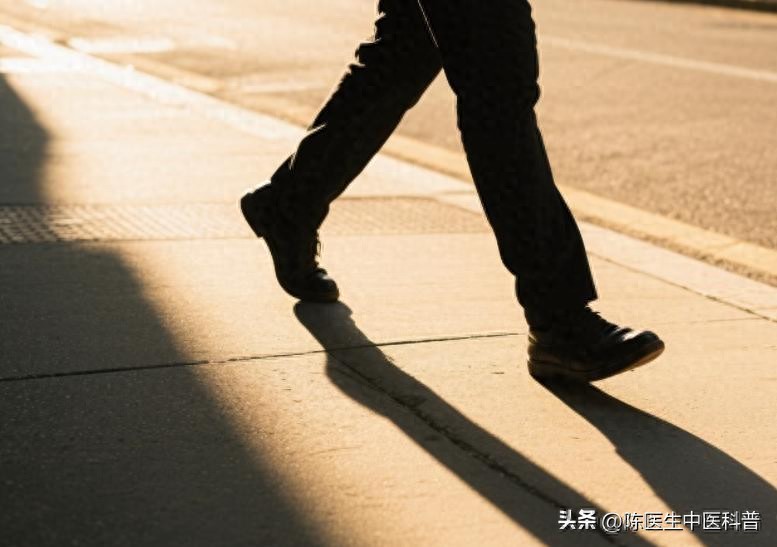
In fact, doctors have long provided a clear answer: walking is indeed an "entry-level exercise" for nurturing the lungs, but to truly keep the lungs healthy and youthful, relying solely on walking is not enough. The lungs are like the hardest-working "respirator" in the body, never stopping from birth to death. They have five "particularly favored things," and as long as each one is achieved, both young and old can enjoy smooth breathing.
First, why can walking help the lungs become stronger
Walking as the easiest aerobic exercise to stick to has a tangible effect on lung exercise When we take steps the chest cavity naturally rises and falls with the pace and the lungs like a bellows being evenly pulled continuously inhale fresh air and smoothly expel waste gases such as carbon dioxide from the body with each breath
During this process, the alveoli fully expand and contract, much like a long-unused balloon being repeatedly inflated and deflated, gradually restoring elasticity and vitality. The alveoli are the core of gas exchange; the stronger their vitality, the higher the efficiency of oxygen entering the bloodstream. With sufficient oxygen supply to the body's organs, one naturally feels energetic.
A study published in the Chinese Journal of Gerontology in 2020 showed that brisk walking for more than 30 minutes five times a week can improve lung ventilation function by about 12% and significantly enhance gas exchange efficiency in middle-aged and elderly individuals. Mr. Zhang, aged 68, is a beneficiary of this practice. Previously, he would become breathless with even slight activity. Later, he started brisk walking for 20 minutes after dinner every day, gradually increasing it to 40 minutes. After three months, not only did he find climbing stairs effortless, but his chronic cough of many years also significantly improved.
However, there is a key point to walking for lung health: do not blindly pursue step count; pay attention to the method. If you are panting and your heart rate is too fast while walking, it will actually increase the burden on your lungs. Only by maintaining a rhythm where you can speak normally without feeling breathless, coordinating your breathing with your steps, can you achieve the exercise effect. Elderly people can start with 15 minutes of slow walking per day, gradually increasing the duration and speed, without forcing themselves to reach "10,000 steps."
Two, Five Things the Lungs Love Most, Easily Achievable Even for the Elderly
Besides walking, the lungs have other "favorite" activities. Here are five simple and practical suggestions for lung care:
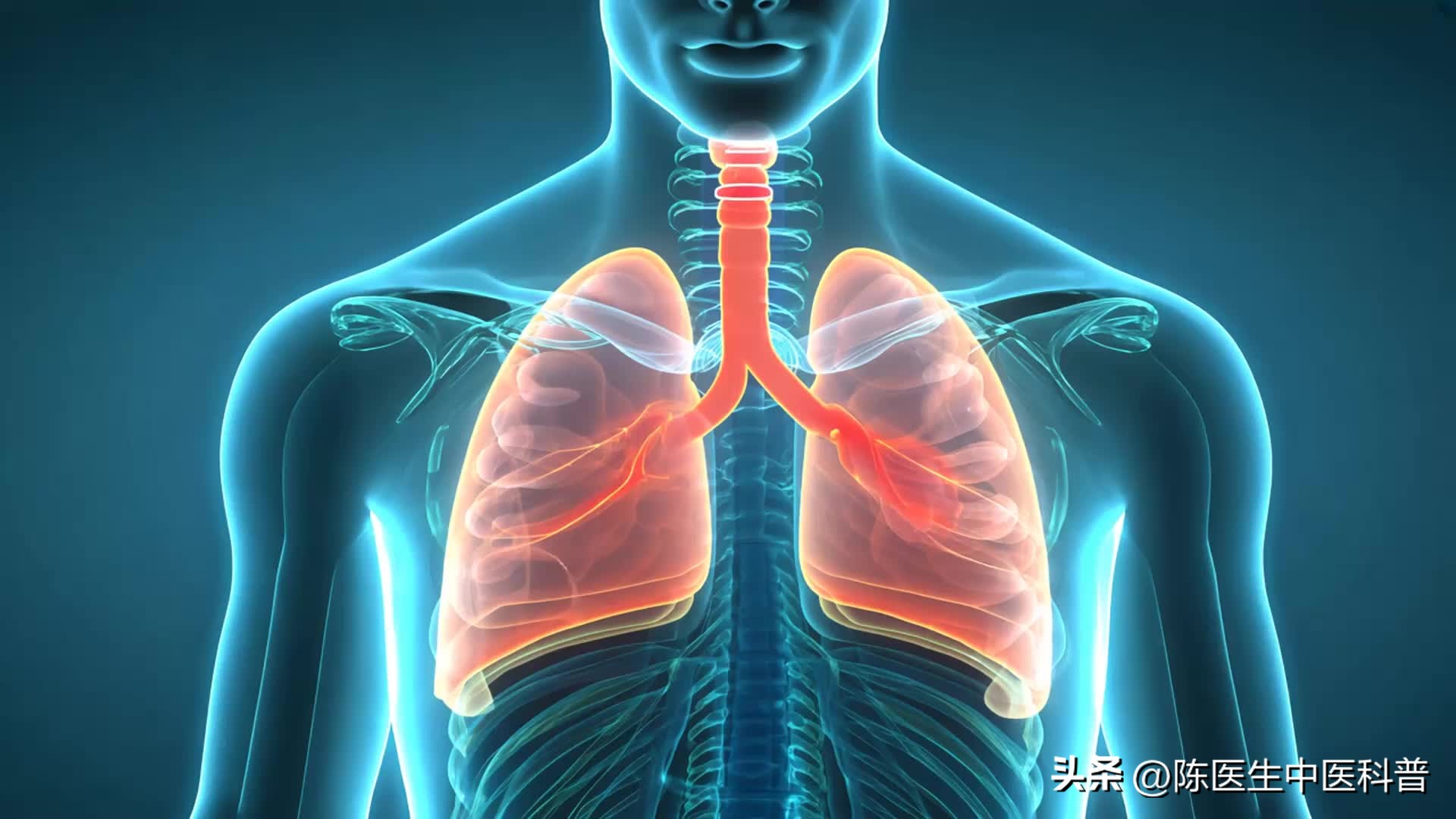
Breathe clean air, stay away from "invisible harm"
The lungs are organs that directly connect the human body to the outside world, functioning like a sophisticated filter that screens any impurities in the air. However, today, invisible killers such as smog, cooking fumes, secondhand smoke, and dust are quietly damaging our lungs.
Many people think that "as long as you don't smoke, you're fine," but that's not the case. Kitchen fumes contain various harmful substances, and long-term inhalation can irritate the respiratory mucosa, increasing the risk of chronic bronchitis and lung cancer. Vehicle exhaust on the roads contains carbon monoxide, nitrogen oxides, and other pollutants that directly damage the alveoli. Nicotine, tar, and other substances in secondhand and thirdhand smoke are no less harmful to the lungs than active smoking.
Doctors suggest that protecting the lungs first requires avoiding these "dirty airs":
- On hazy and dusty days, minimize outdoor activities. If you must go out, wear an anti-haze mask and avoid exercising near roadsides or industrial areas.
- Turn on the range hood in advance when cooking and keep it on for 5-10 minutes after finishing to reduce the time oil fumes stay. When stir-frying, try to use steaming, boiling, or stewing methods instead of high-heat stir-frying.
- Open windows for ventilation twice a day, 30 minutes each time, to maintain indoor air circulation and prevent the accumulation of dust and bacteria
- Stay away from smokers and quit smoking yourself. Research shows that even long-term smokers can gradually recover lung function after quitting, with symptoms like coughing and excessive phlegm significantly reduced.
72-year-old Aunt Li suffers from chronic bronchitis and used to have frequent flare-ups every winter. Later, she followed her doctor's advice: staying indoors on smoggy days, keeping the range hood on while cooking, asking her husband to smoke on the balcony, and ensuring regular ventilation at home. Over the past two years, her coughing episodes have significantly decreased, and she can breathe smoothly even during winter.
2. Drink enough warm water to "hydrate" the lungs
Many people think that drinking water is only to quench thirst, but they do not know that the lungs also need to be "hydrated." There is a thin layer of mucus on the respiratory tract mucosa, which can absorb dust and bacteria from the air, and also keep the phlegm moist for easy expulsion. If the body is dehydrated, this layer of mucus becomes dry and sticky, and the phlegm also clumps together, making it not only difficult to cough up but also prone to bacterial growth, leading to respiratory infections.
Especially in autumn and winter, the weather is dry, and the use of heating and air conditioning reduces indoor air humidity, making the lungs more prone to "dehydration." At this time, drinking enough warm water becomes key to nourishing the lungs. It is recommended that adults maintain a daily water intake of around 1500~2000 milliliters, with small amounts consumed frequently being most suitable.
3. Smile, take a deep breath
Do not underestimate the action of "laughing." It is actually a natural form of deep breathing that allows the alveoli to fully expand, helps the lungs expel waste gases, and promotes gas exchange. At the same time, laughing can also release stress hormones, reduce anxiety levels, and prevent the negative impact of emotions on the respiratory system.
Therefore, being a little happier every day is actually giving your lungs a "maintenance."
4. Practice abdominal breathing to awaken dormant alveoli
The shallow and rapid breathing we are accustomed to in daily life only utilizes a portion of the lung's capacity. Like inflating a balloon, practicing diaphragmatic deep breathing regularly can help open more alveoli and enhance lung capacity.
Method: Sit relaxed or lie flat. Inhale slowly through your nose, counting to 4 in your mind, while consciously allowing your abdomen to expand (you can feel the movement by placing your hand on your stomach). Then, exhale slowly through your mouth as if whistling, counting to 6-8 seconds, and feel your abdomen naturally retract. Practice for a few minutes each day, especially in the fresh morning air.
65-year-old Grandpa Liu does deep breathing exercises in the community garden every morning. He says, "When I first started, taking a single breath felt difficult. Now I can easily complete a set, and my breathing is much smoother. Before, I had to rest twice when climbing stairs, but now I can do it in one go."
5. Check lung function once a year
Many people have poor lung health without realizing it, as the decline in lung function often occurs "quietly." It is recommended that individuals aged 40 and above, or those with a history of smoking, chronic cough, wheezing, and other symptoms, undergo an annual lung function test (spirometry) to detect conditions such as chronic obstructive pulmonary disease (COPD) and asthma early.
Three, walking to exercise the lungs also requires proper methods, do not overlook these three key points
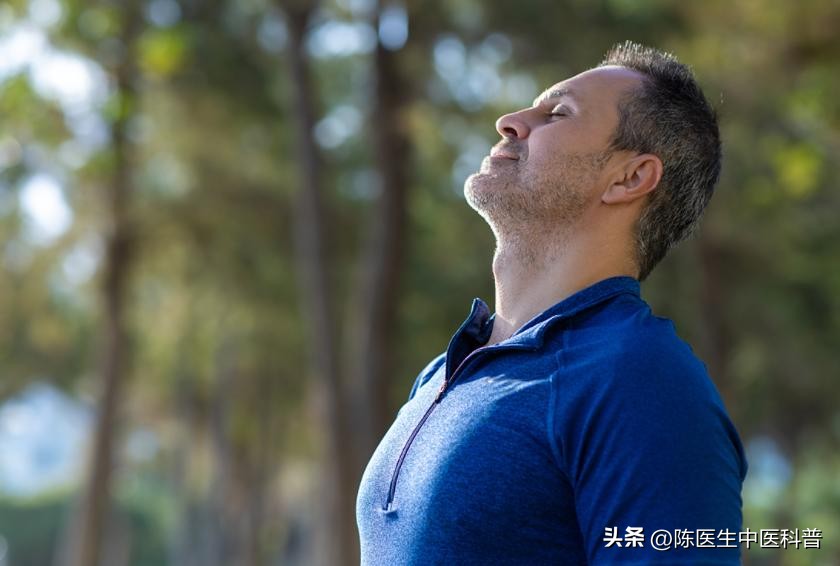
Although walking has many benefits, doing it correctly can exercise the lungs; doing it incorrectly can easily harm the body. The following three suggestions are particularly suitable for middle-aged and elderly friends to refer to:
Start slowly, don't go fast right away
Start walking at a comfortable pace, gradually increasing speed after a 5-10 minute warm-up. Avoid starting with intense walking to prevent excessive strain on the heart and lungs.
2. At least 30 minutes each time, 6000 steps per day is more appropriate
According to the World Health Organization, aerobic exercise should last for more than 30 minutes each time and reach a certain heart rate range to effectively exercise lung function. In terms of steps, 6,000 to 8,000 steps per day are most suitable for middle-aged and elderly people. More is not always better, as excessive exercise can harm the knees.
3. Breathing rhythm should coordinate with movements, do not hold your breath
When walking, you can adopt the rhythm of "inhaling through the nose and exhaling through the mouth," maintaining deep and long breaths to improve alveolar utilization. Especially for those with a history of chronic obstructive pulmonary disease or asthma, it is important to pay attention to breathing rhythm to avoid exercise-induced dyspnea.
Four, these groups of people should persist in walking, as their lungs will benefit more significantly
The following groups of people, if they can persist in walking every day, will see the most significant improvement in lung health
- The elderly: Natural decline in lung function, aerobic exercise can delay aging.
- Long-term sedentary groups: such as office workers and drivers, walking can improve the state of "lung stagnation."
- Patients with mild COPD: Walking can improve lung ventilation efficiency and delay disease progression.
- Smoking cessation group: Walking can promote lung recovery and accelerate toxin metabolism.
Written at the end
The lungs may be "silent," but they fear inactivity the most. Daily walking is like "routine maintenance" for the lungs. It is not expensive, difficult, or tiring, yet it can help you breathe more smoothly, feel lighter, and reduce the risk of illness.
Remember: The health of your lungs begins with taking the first step. In addition to walking, pay attention to breathing clean air, drinking enough warm water, smiling, practicing diaphragmatic breathing, and getting your lung function checked annually. These simple habits can keep your lungs youthful and energetic.
I hope everyone can pay attention to their lung health and stay away from the threat of diseases.