
When it comes to quitting smoking, many male friends have this thought: "I've been smoking for decades, my body is already used to it, so whether I quit or not makes no difference."
But doctors remind quitting smoking is never too late Especially for men once you quit smoking completely within a year your body will undergo five surprising changes
Today, I will talk to you about the positive changes that occur in the body after men quit smoking.
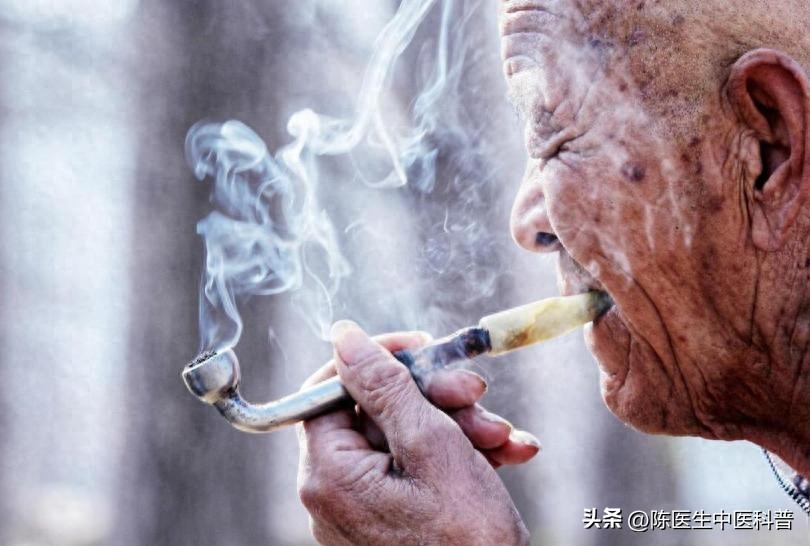
First, breathe more smoothly and say goodbye to the image of an old smoker
Many men who have smoked for years often experience the most direct symptoms: morning cough, itchy throat, shortness of breath, and chest tightness, which are particularly noticeable during winter or on hazy days.
This is because the tar and harmful particles in cigarettes deposit in the lungs over a long period, damaging the bronchial mucosa and leading to chronic bronchitis and decreased lung function.
Once smoking ceases, the self-repair mechanism of the respiratory tract initiates: mucosal inflammation diminishes, bronchi gradually regain patency, sputum secretion decreases, and coughing symptoms subsequently alleviate.
According to clinical studies, lung capacity begins to recover two weeks after quitting smoking, and within three months, the incidence of respiratory infections significantly decreases, along with a reduction in coughing and phlegm production.
For people with COPD or mild emphysema, quitting smoking may be the only "effective medicine" to slow the progression of the disease and extend life.
Second, appetite improves, and the true taste of food is savored.
Smokers often have a feeling that food is bland and tasteless, and they need heavy oil, spicy, and salty flavors to feel "appetizing." This is because nicotine in cigarettes numbs the taste bud nerves, reducing the sensitivity of taste and smell.
At the same time, smoking can also affect saliva secretion and gastrointestinal function, leading to issues such as indigestion, loss of appetite, and gastrointestinal bloating.
Soon after quitting smoking, especially within 1-2 months, taste buds gradually regain activity, and olfactory sensitivity improves.
At this moment, many people will be surprised to discover that light food can also be so fragrant, the sweetness of fruits becomes more pronounced, and even rice itself has a lingering sweet aftertaste.
In addition, quitting smoking can promote the balance of gastric juice secretion, restore normal gastrointestinal motility, enhance appetite, improve digestive function, and make the whole person look more energetic with a much rosier complexion.
Three, the heart becomes stronger, and the circulation of qi and blood improves
The damage smoking inflicts on the cardiovascular system is far more severe than most people imagine.
Nicotine in cigarettes stimulates the sympathetic nervous system, increasing heart rate and blood pressure; while carbon monoxide competes with hemoglobin for oxygen, reducing the blood's oxygen-carrying capacity. Over time, this places a greater burden on the heart, significantly increasing the risk of coronary heart disease and stroke.
When a person starts to quit smoking, within just 24 hours, heart rate and blood pressure drop back to a more normal state. After several weeks, blood circulation improves, oxygen delivery capacity increases, and the heart muscle receives better "oxygen and blood supply."
By 3 to 6 months, vascular elasticity begins to recover, the risk of thrombosis decreases, and the efficiency of the heart's pumping function also improves.
For middle-aged and elderly men, this change is particularly important because cardiovascular disease is the leading cause of sudden death in middle age, and quitting smoking is the best way to reduce the burden on your heart.
Four, improved mental state, enhanced sleep quality
Many people mistakenly believe that cigarettes can "refresh the mind," but in fact, this is due to the "addictive nature of nicotine."
Short-term stimulation can make people feel alert, but it is more likely to cause rapid alternation between nervous system excitement and fatigue. Especially at night, it can easily lead to sleep problems such as difficulty falling asleep, waking up during the night, light sleep, and frequent dreaming.
In the early stages of quitting smoking, although some people may experience mild withdrawal symptoms (such as anxiety and mood swings), these typically gradually subside within 2-3 weeks.
Afterwards, the mental state of most people will significantly improve, with better concentration, more energy during the day, and more restful sleep at night.
Quitting smoking can reduce the long-term hyperactivity of the sympathetic nervous system, stabilize the body's biological clock, and truly achieve daytime alertness and nighttime tranquility, restoring a healthy sleep-wake cycle.
V. Harmonious Family Atmosphere, Protecting the Health of Loved Ones

In addition to its impact on oneself, smokers often overlook the significant harm that "secondhand smoke" inflicts on their family members.
Especially in environments with pregnant women, children, and the elderly, the toxic gases released from cigarettes may trigger asthma in children, weaken immunity, worsen bronchitis in the elderly, and even increase the risk of cancer among family members.
When men decide to quit smoking, they are not only eliminating toxins for themselves but also creating a healthy and fresh living environment for their families.
The wife no longer complains about the smell of smoke on clothes, the child no longer avoids it, and the family atmosphere has become warmer and more harmonious.
More importantly, the act of quitting smoking often inspires respect and support from family members, and can even become the starting point for a healthy lifestyle within the family, guiding the entire household toward a more positive, loving, and healthy direction.
Written at the end
Quitting smoking is a small step towards changing fate and a big step towards protecting life
Many people fear that quitting smoking is "too difficult," "they will relapse," or "lack motivation." However, doctors point out that as long as you start quitting, your body will give you positive feedback.
One week, one month, three months... As long as you persist, your body will respond to you time and again with refreshing breath, a healthy heart, improved sleep, and a harmonious family.
What cigarettes bring is not a way to relieve stress but a chronic self destruction
Quitting smoking is not giving up enjoyment, but starting a real life.
If you are still hesitating, why not start today? Give yourself half a year to observe the changes in your body. You might be pleasantly surprised to discover that life was meant to be this refreshing.