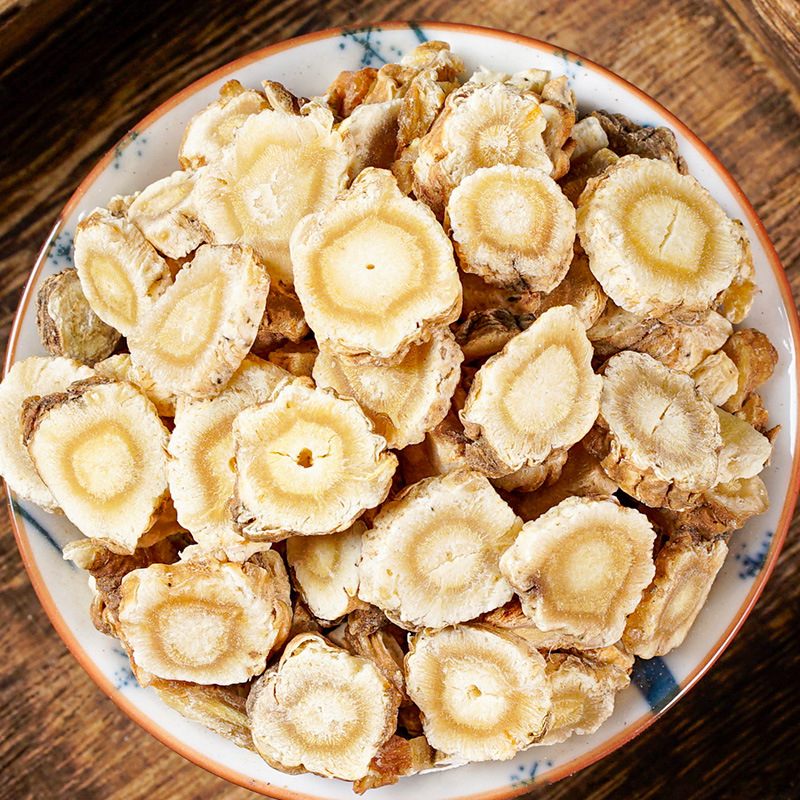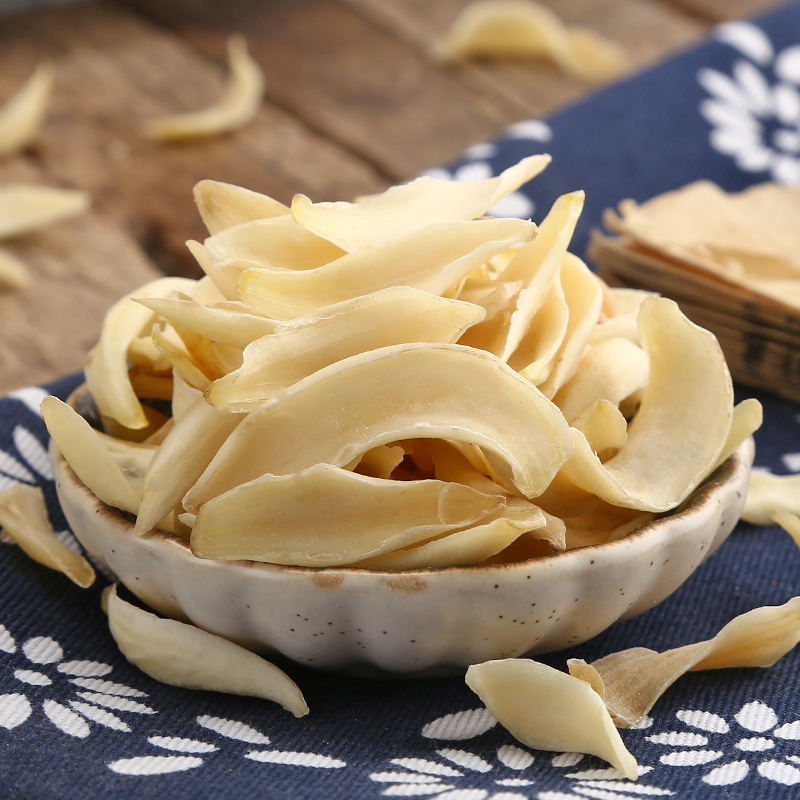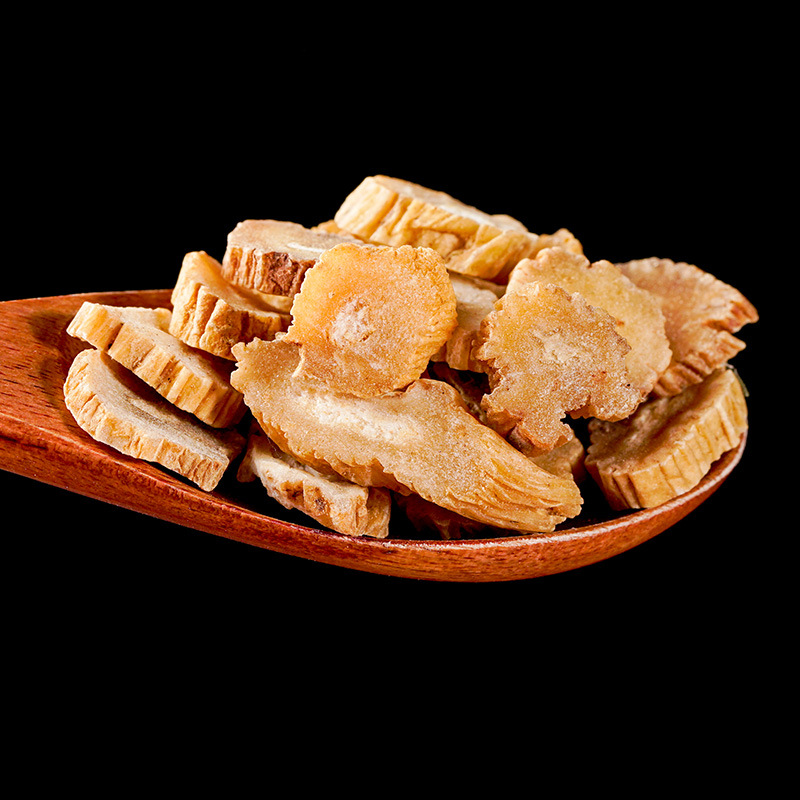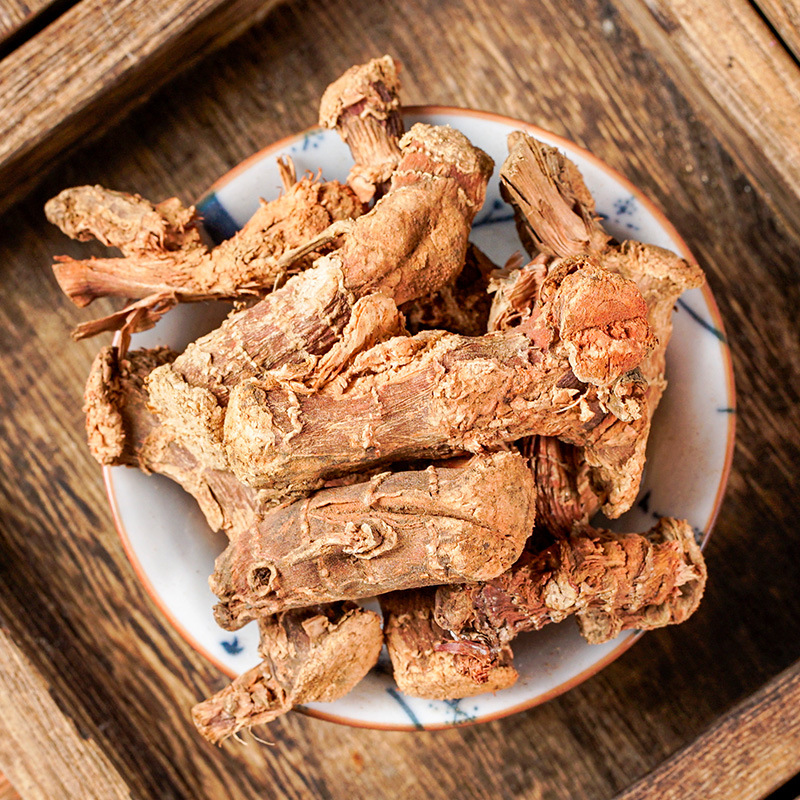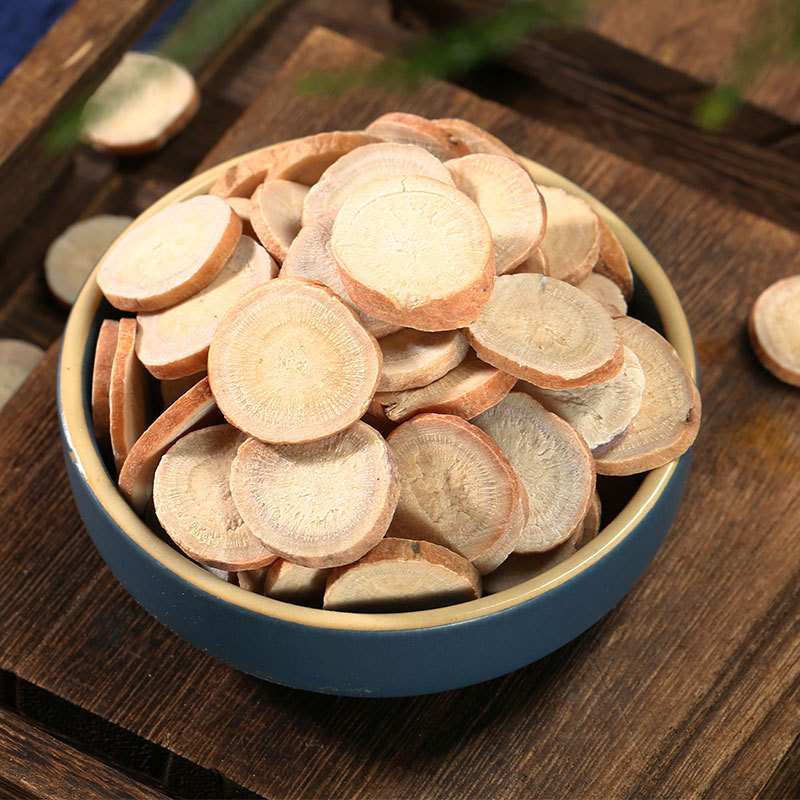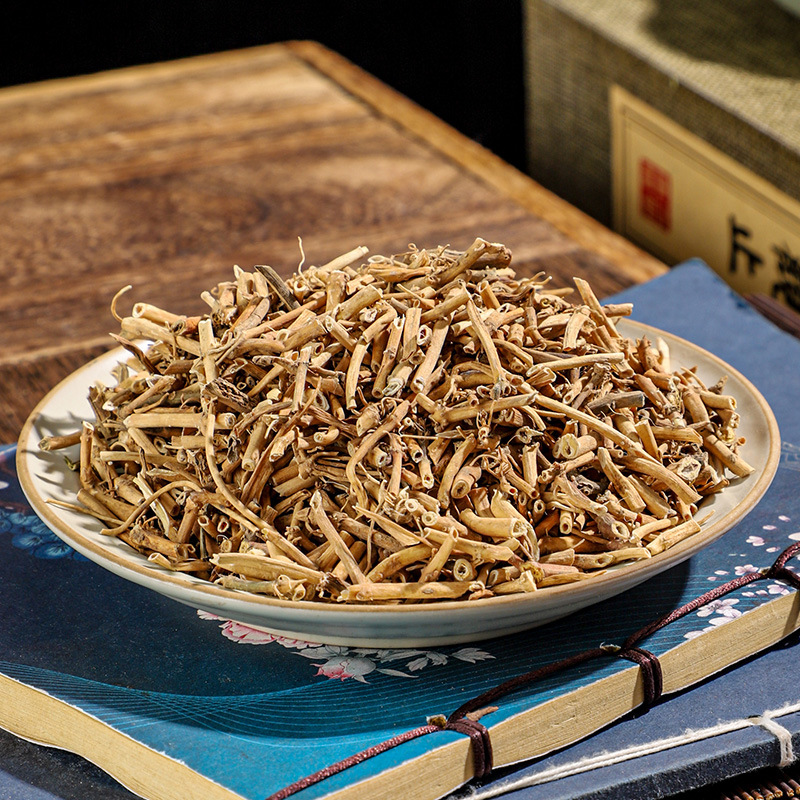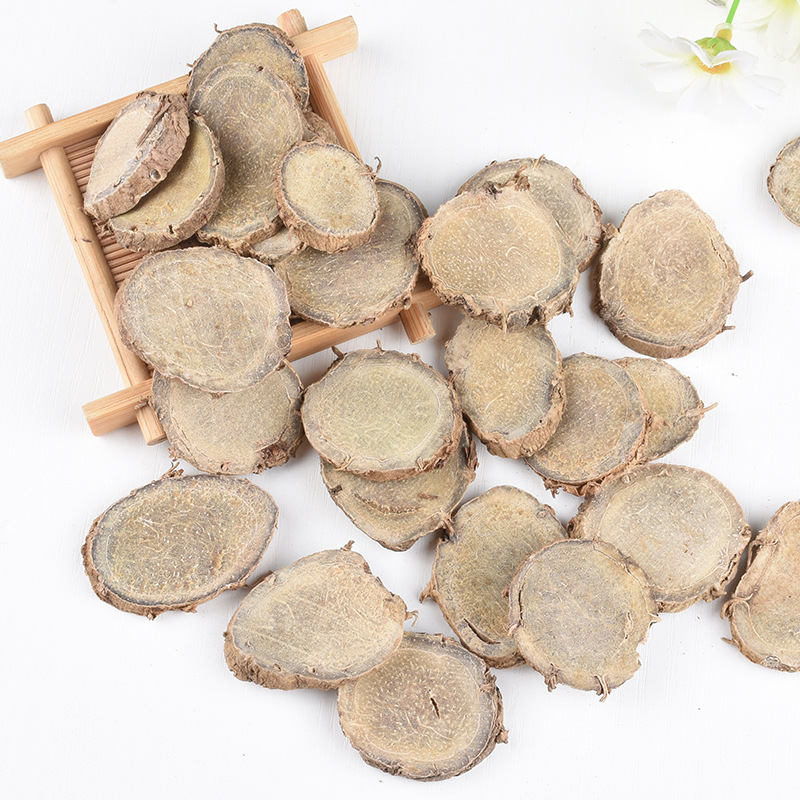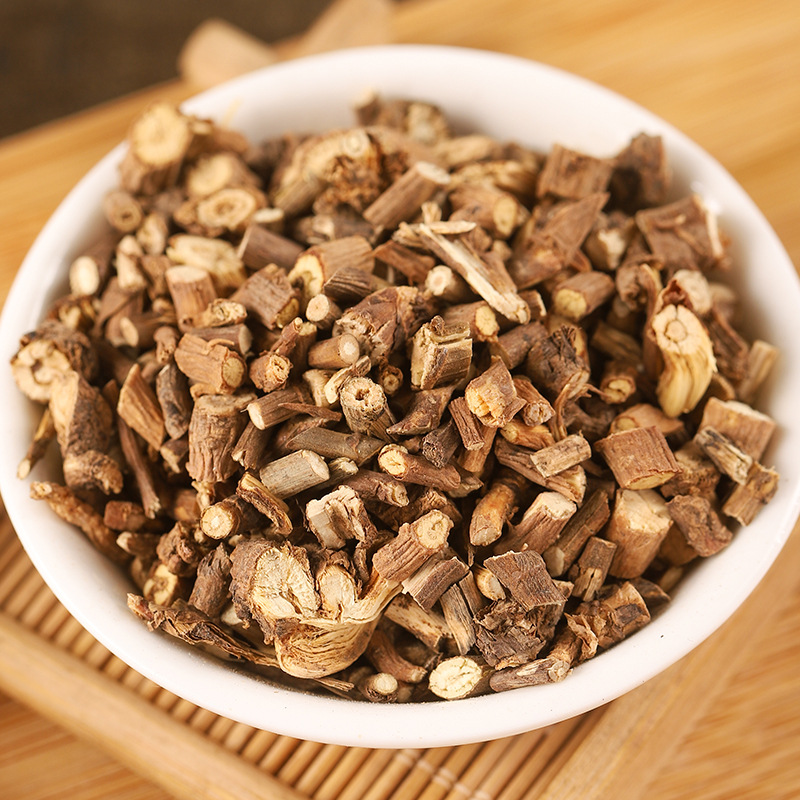
Do you think Angelica sinensis is a "magic blood tonic" and that eating more of it is harmless? But reality often slaps you in the face:The same Angelica sinensis, some people eat it and their complexion becomes rosy, while others experience internal heat and nosebleeds, and some even suffer from worsening dysmenorrhea.
It is not that Angelica sinensis has changed, but that the "dosage" has been misused. Angelica sinensis is not a universal tonic; instead, it is like a "double-edged sword." When used correctly, it can nourish life, but when misused, it can harm the body. Nourishing blood, promoting blood circulation, and regulating menstruation each have their own specific considerations. If the dosage is wrong, the direction is wrong.
How to use Angelica sinensis, what is the key? In the end,It is not that Angelica sinensis is toxic, but rather our understanding of it is "too casual."
Not that Angelica sinensis is ineffective, but you haven't used its "character" correctly.
In traditional Chinese medicine, angelica sinensis is known as the "holy medicine for blood," with a status not much lower than that of ginseng. It can both nourish blood and promote blood circulation, as well as regulate menstruation and relieve pain. However, precisely because of its many functions, it is easily misunderstood as an "all-purpose tonic."
Actually, its "tonifying" effect has prerequisites; it depends on the individual, the illness, the timing, and more importantly, the dosage.
A woman in her forties always felt her complexion was poor and her hands and feet were cold. A friend recommended she drink angelica root steeped in water daily. After a month, not only did her complexion fail to improve, but she also started breaking out, feeling irritable, and experiencing more severe menstrual cramps. She thought it was a "detox reaction," but the situation only worsened the more she drank.
This kind of situation is not uncommon. The basis of Angelica sinensis "tonifying blood" is that the body is deficient but not dry. If the blood itself is not deficient, but only qi stagnation or excessive fire, blindly tonifying blood is like adding fuel to the fire.
The "warm nature" of Angelica sinensis determines that it should not be used indiscriminately for supplementation. Once the dosage is too high or it is used on unsuitable individuals, it can easily lead to "deficiency unable to receive supplementation," and even cause the problem of "false supplementation and real damage."
It's like adding more firewood to a pot that's already smoking; trouble is bound to happen.

Nourishing Blood, Activating Blood, and Promoting Menstruation, the "Dosage Code" Behind It.
The wonder of Angelica sinensis lies in its ability to both "tonify" and "unblock." However, the issue arises here—different effects correspond to different dosage ranges. The practice of "grabbing a handful and adding it casually" is essentially using the body for "trial and error."
First, let's talk about "nourishing blood." This is the most widely recognized function of Angelica sinensis.For individuals with blood deficiency constitution, the recommended dosage is generally around 6 grams. It should be combined with blood-tonifying herbs such as Astragalus and Rehmannia for gentle nourishment.
If used excessively, it may quickly replenish blood but can easily cause "blood heat," manifested as facial redness, dry mouth, and even early menstruation. At this point,The body is not absorbing, but rather "resisting."
Let's talk about "activating blood circulation." This belongs to the "unblocking" power of Angelica sinensis, commonly used for blood stasis obstructing the collaterals, such as postoperative recovery, injuries from falls or blows, and irregular menstruation.The dosage can be slightly higher, generally around 10 grams, but it still needs to be used in combination with other medications to avoid deviation.

To truly "unblock the meridians," that is, to address conditions such as amenorrhea or dysmenorrhea, the dosage of Angelica sinensis must be more precise. It is generally recommended not to exceed 12 grams, and it must be used under the guidance of a professional physician. This is because the "unblocking" in this context involves "breaking through while supplementing," and any slight oversight may actually worsen the symptoms.
Angelica is like a key, opening the right door, it is a good medicine; opening the wrong door, it is trouble.
Blood is not the more you supplement the better, understanding "blood deficiency" is the key to avoiding detours.
Many people, upon seeing yellow skin, pale nails, and dizziness, immediately conclude that they have "blood deficiency" and start supplementing with angelica. However, in reality,"Blood deficiency" is merely a superficial manifestation, with a myriad of underlying causes.
For example, some people suffer from "insufficient blood production due to qi deficiency." In such cases, consuming only Chinese angelica is ineffective; one must add Codonopsis pilosula and Astragalus to first replenish qi and then generate blood. Others have "weak spleen and stomach," and taking tonics leads to diarrhea. In these cases, attempting to nourish the blood can actually harm the spleen.
There are also individuals who actually suffer from "blood stasis," where blood flows slowly and becomes obstructed in the body, manifesting symptoms similar to "blood deficiency." However, in such cases, supplementing blood will only worsen the blockage.
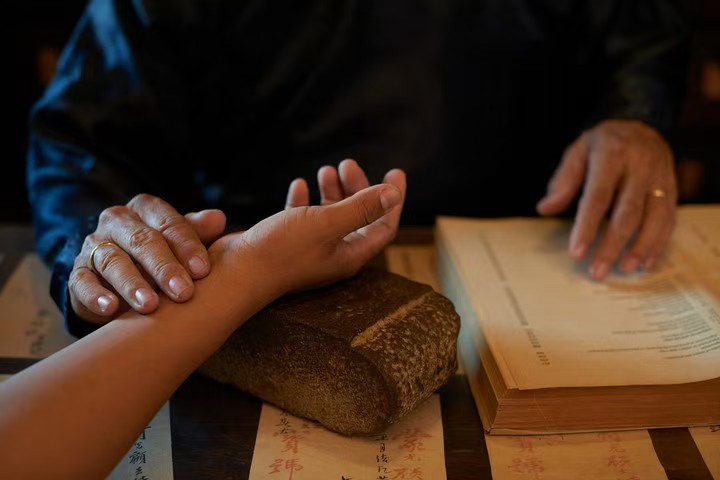
The body is like a river, blood is water, qi is wind. If the wind does not blow and the water does not flow, merely pouring water in is futile.
People who truly need to nourish blood often exhibit several characteristics: dry and flaky skin, scanty and pale menstrual flow, pale tongue, palpitations, and fatigue. At this time,Using Chinese angelica root in combination with qi-regulating and spleen-strengthening herbs can achieve twice the result with half the effort.
So don't self-diagnose and self-supplement just because you see one or two symptoms,Blood tonification is not about "force-feeding" but about "harmonizing." It requires understanding one's constitution and identifying the right direction.
Danggui is good, but not suitable for everyone.
Angelica sinensis, no matter how good it is, is not "suitable for all ages." Some people who consume it may not only fail to benefit but could also "harm their foundation."
For example, individuals with excessive damp-heat in the body often have a yellow and greasy tongue coating and experience difficulty with bowel movements. Such individuals are prone to experiencing heatiness, acne breakouts, and even inflammation when consuming Chinese angelica root.
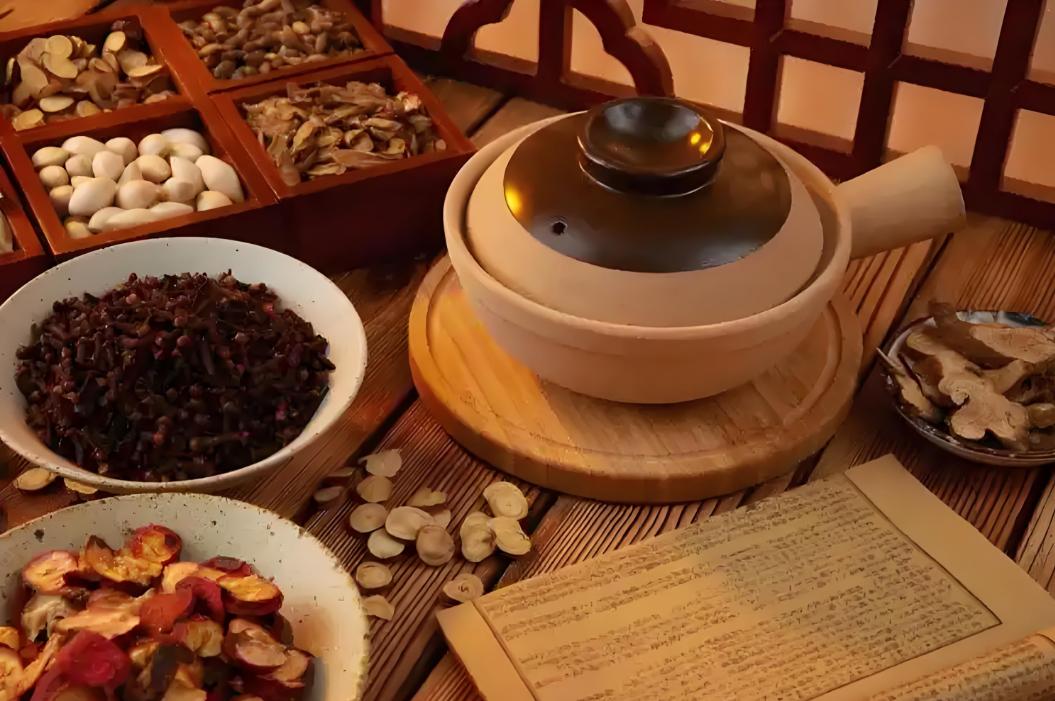
Pregnant women, especially during the first trimester, should avoid using Angelica sinensis casually. This is because it has blood-activating properties that can easily cause uterine contractions and increase the risk of miscarriage. Even in the middle and late stages of pregnancy, it must be used under the guidance of a doctor.
What is more important to note is that those with a tendency to bleed, such as individuals with hemorrhoidal bleeding, gum bleeding, or women with excessive menstrual bleeding,Excessive consumption of angelica can exacerbate bleeding, failing to replenish blood and instead causing the leakage of vital energy.
Traditional Chinese medicine says, 'Medicine is not as good as food, and food is not as good as sleep.' Although angelica is a fine herb in medicine, if not used properly, it can be like 'adding flowers to brocade, only to spoil it.'
In life, these places hide the "shadow of Angelica sinensis."
In fact, angelica sinensis does not necessarily have to be decocted for consumption; it has long permeated every aspect of life.
For example, the "Danggui Mutton Soup," which many people enjoy drinking in winter, is actually a typical dietary therapy for "nourishing blood and warming the uterus." However, this soup is not suitable for everyone.People with dampness, fire, or inflammation in their body will only become more agitated after drinking it.
For example, some people soak angelica in alcohol, hoping to strengthen their bodies and promote blood circulation.However, when Angelica sinensis is steeped in alcohol, its nature becomes even more drying and heating. Excessive consumption can easily lead to hypertension, dizziness, and palpitations, especially for middle-aged and elderly individuals, who should exercise extra caution.
Some people also use Chinese angelica root for foot soaking, believing it can promote blood circulation and clear meridians. This method is indeed quite good.However, the water temperature for foot soaking should not be too high, and the dosage should also be moderate, 4 to 6 grams is sufficient.Exceeding the limit may stimulate the circulatory system, causing palpitations.
The "tonification" in life emphasizes following the natural flow, not forcing or overdoing it.
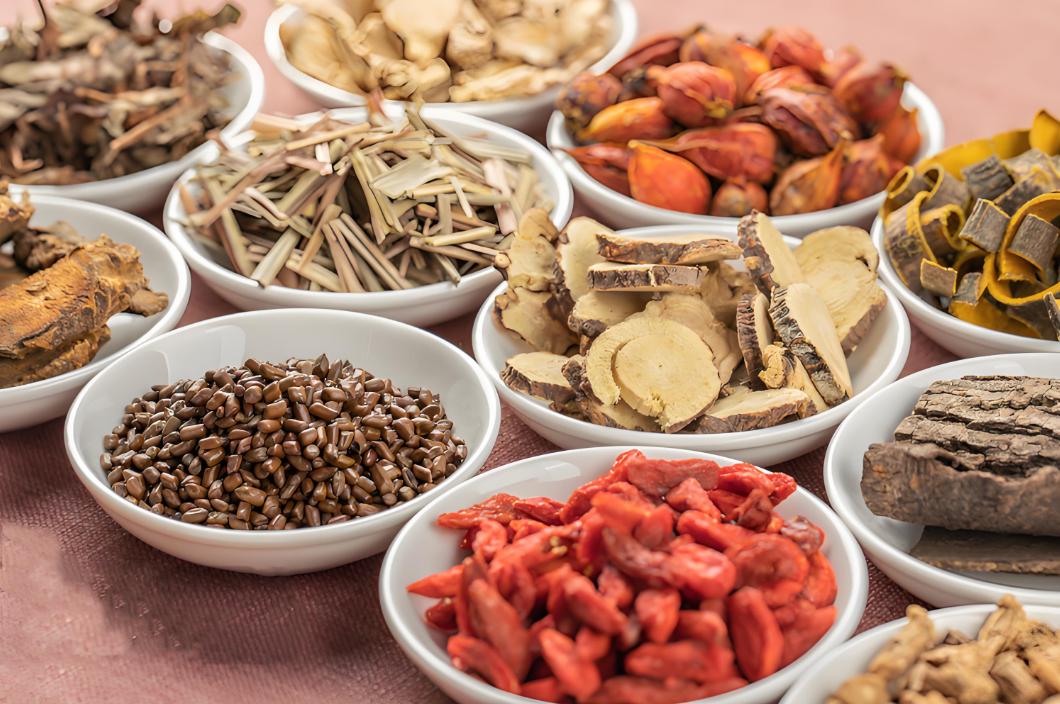
True nourishment is about allowing the body to gradually improve, not achieving immediate results.
Many people are accustomed to pursuing "immediate effects after consumption," butThe body is not a machine, nor is it a fast-food system.
The blood-tonifying and blood-activating effects of Angelica sinensis are subtle and gradual. It is truly effective for the right person, the right condition, and the right dosage.There may not be significant changes in three to five days, but after one or two months, complexion, sleep, menstruation, and mood will show subtle yet stable improvements.
On the contrary, if one takes angelica root when looking pale today and stops as soon as feeling better tomorrow, such intermittent and arbitrary usage will only confuse the body more.
Blood tonification does not rely on a single herb, but on an entire set of principles.
Angelica sinensis is just one part of the equation; what truly makes a difference is the combined effort of diet, mindset, and daily routine. Don't place all your hopes on a single herb.The body is not maintained by "miracle drugs" but cultivated through "lifestyle."Even a bowl of angelica soup, if consumed correctly, is nourishment; if consumed incorrectly, it is just trouble.
Health, in the end, is not about relying on medicine, but about living a stable life, maintaining a broad mindset, and keeping the body in sync with the rhythm.
How do you usually use Angelica sinensis? Have you ever experienced any discomfort after taking it? Feel free to share your experiences or ask questions in the comments section. Let's chat together.