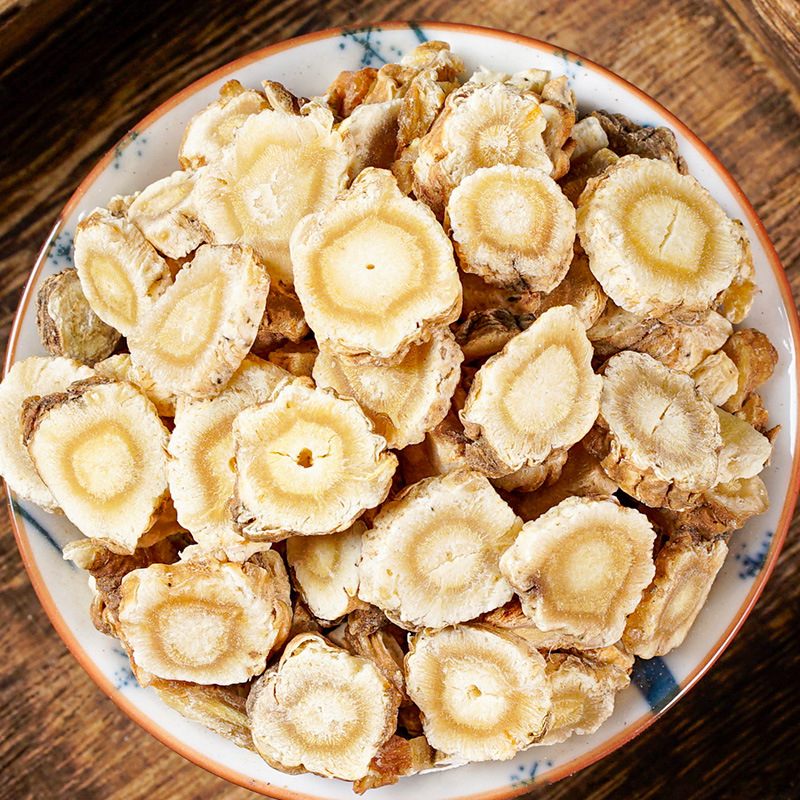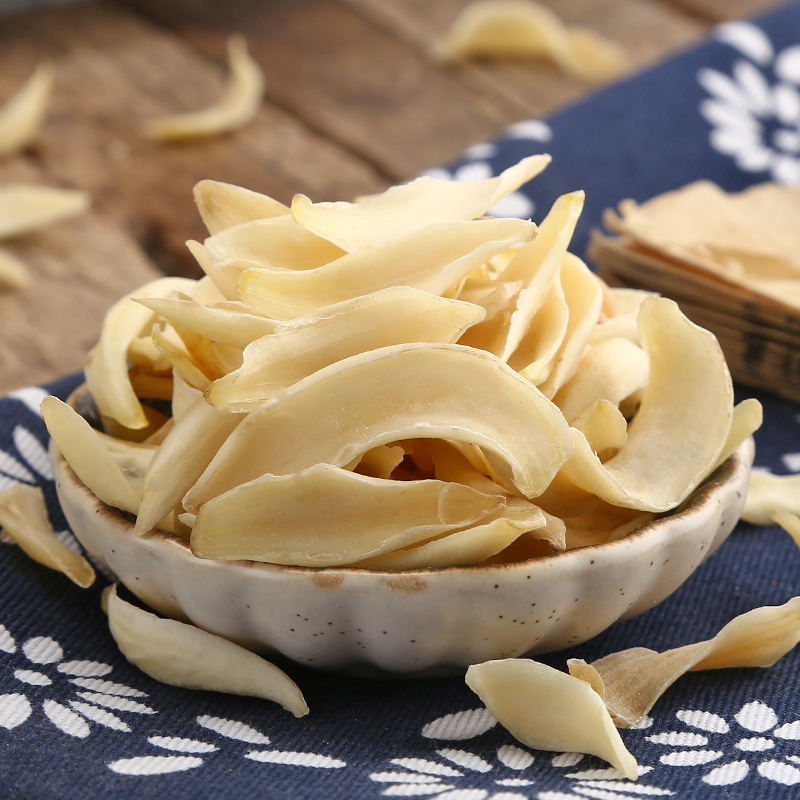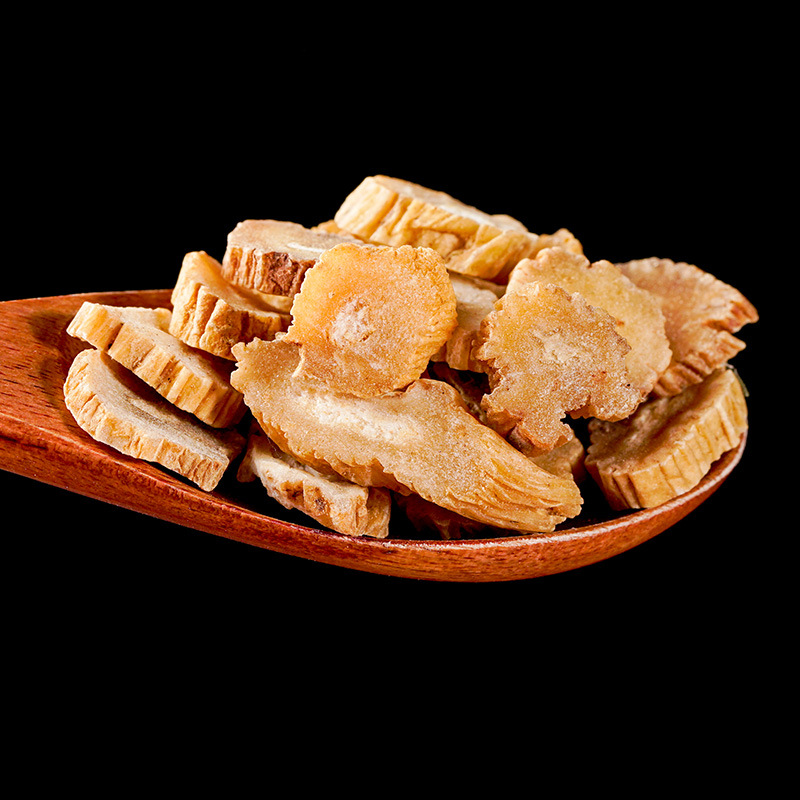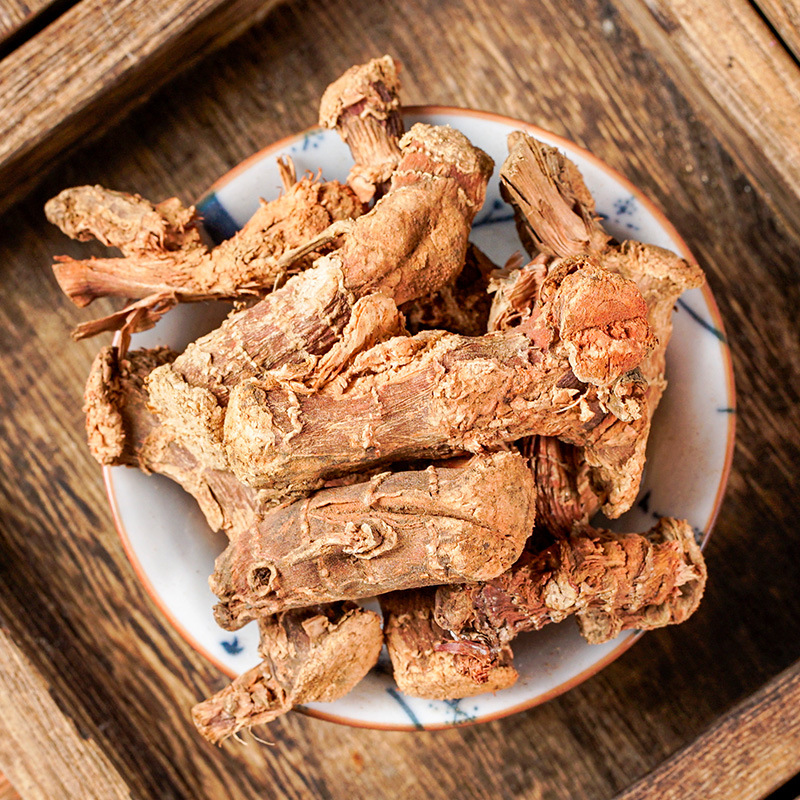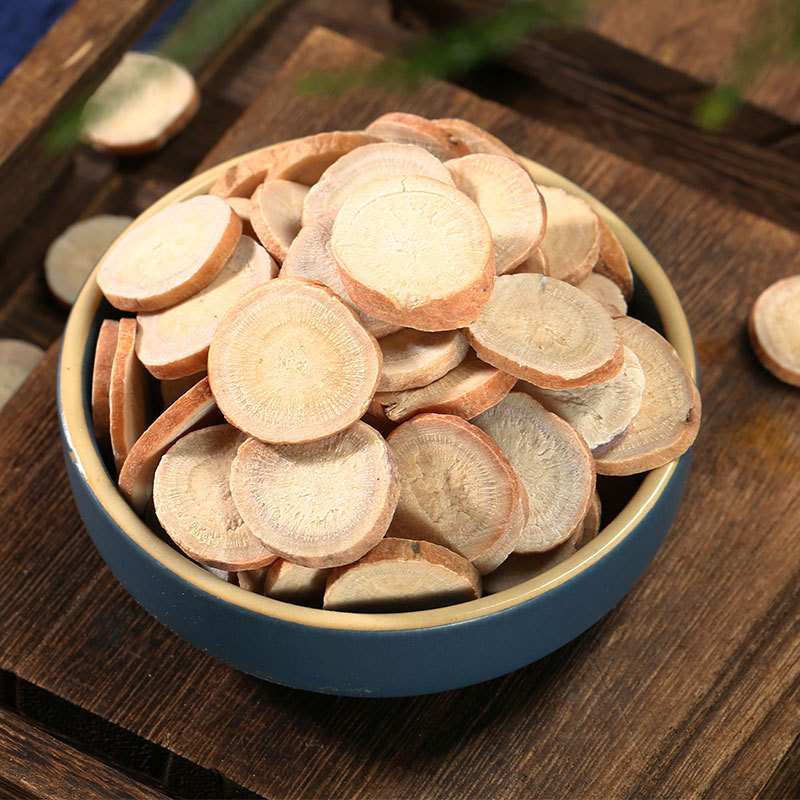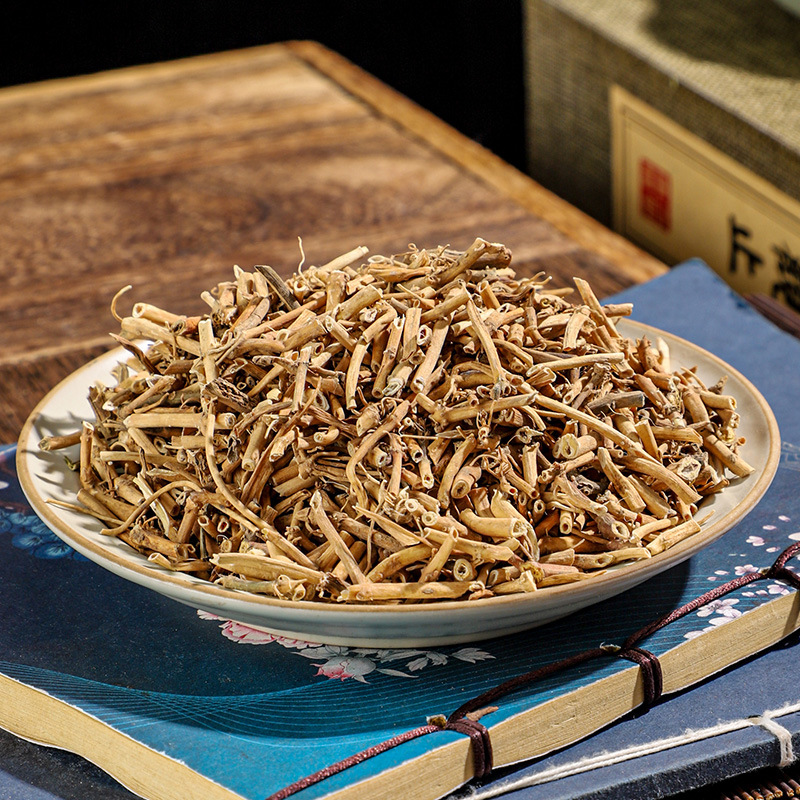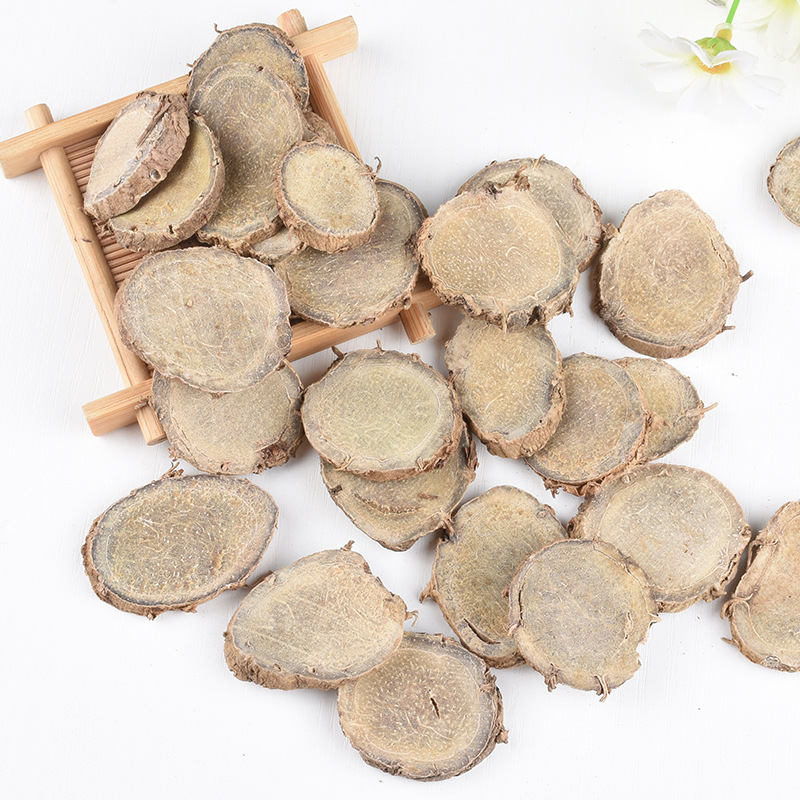
Do you always feel weak and lack energy, panting after just a little movement, and want to rely on qi-tonifying remedies but don't know whether to choose Codonopsis or Astragalus? Many people follow the trend of drinking Astragalus water, only to find it either ineffective or making them feel even weaker, with symptoms like weak legs, chest tightness, and internal heat—in fact, Astragalus has its nuances in tonifying qi, and its approach is completely different from that of Codonopsis. Only by identifying the right constitution and using the correct method will it work effectively. Today, we'll break down the characteristics of Astragalus in tonifying qi, teaching you how to distinguish the suitable constitution in just one minute, so you can drink it correctly at home without making mistakes.
First understand: Astragalus vs Codonopsis, the ways of tonifying qi are vastly different
In traditional Chinese medicine, there are many qi-tonifying herbs, with Astragalus and Codonopsis being the two most commonly used. However, their styles of tonifying qi are distinctly different, and blindly substituting one for the other can easily lead to inappropriate treatment. First, let's clarify the core differences:
Codonopsis pilosula tonifies qi, known for its "gentle and lasting" effect, akin to a trickling stream that slowly nourishes the spleen, stomach, and lungs. The qi it replenishes is stable and reliable, making it suitable for individuals with mild qi deficiency who require long-term regulation, such as those experiencing daily fatigue or poor appetite. Using Codonopsis pilosula for conditioning is unlikely to cause issues.
Astragalus replenishes qi, with its core characteristic being "fast and mobile." It replenishes qi and blood faster than Codonopsis, and the qi it replenishes is not stagnant; it inherently possesses upward and outward vitality, helping the body to "lift and disperse" qi. However, its shortcomings are also evident: its qi-replenishing effect is not long-lasting, and if used incorrectly, it can easily cause qi stagnation and internal heat. Therefore, it is more precisely suited to specific individuals.
Simply put, Codonopsis pilosula is the "chronic qi-tonifying and body-nourishing type," while Astragalus membranaceus is the "targeted conditioning type." Only by accurately identifying your own needs can you supplement effectively.
The 3 Core Characteristics of Astragalus in Boosting Qi: Why Some People See Results After Drinking It, While Others Experience Discomfort?
Huangqi can become a common medicine for replenishing qi, the key lies in its unique medicinal properties. These three characteristics determine its suitable scenarios and also hide its usage taboos:
1. Replenishing Qi yields quick results, but they are not long-lasting; it needs to be paired with strengthening the foundation.
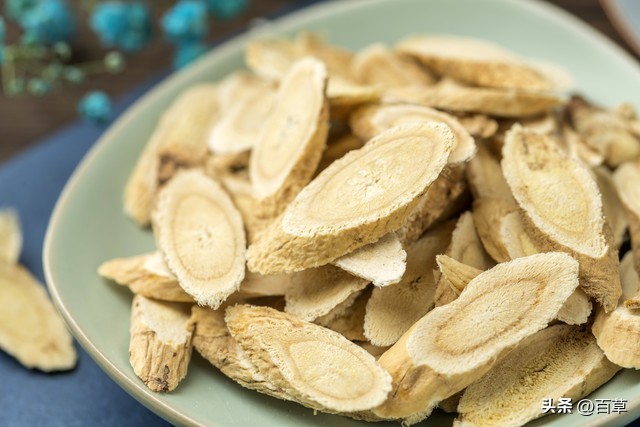
The greatest advantage of Astragalus in replenishing qi is its "speed." It can quickly replenish the body's qi deficiency, alleviating discomfort such as fatigue and shortness of breath. It is particularly suitable for those with obvious qi deficiency who urgently need to replenish qi, such as those who feel weak after recovering from a serious illness or those who experience persistent breathlessness after exercise. Astragalus can produce rapid results in such cases.
However, its shortcomings are also prominent—its ability to tonify qi is not long-lasting, and the qi it replenishes cannot be retained for an extended period. It is like providing the body with a temporary "energy boost," unable to address the root cause of qi deficiency. Therefore, in traditional Chinese medicine, astragalus is often combined with codonopsis. Astragalus is responsible for quickly tonifying qi and blood, while codonopsis works to slowly consolidate qi. This combination of fast and slow actions not only alleviates symptoms quickly but also provides long-term nourishment, compensating for astragalus's lack of durability.
2. Qi can lift upwards, specifically addressing the issue of "Qi sinking downwards"
The qi replenished by Astragalus has an inherent upward vitality, which helps the body "lift" the sinking qi. This is one of its core advantages, making it particularly suitable for individuals with "insufficient middle qi and downward-dropping qi."
For example, some people with long-term qi deficiency may experience issues such as gastroptosis, rectal prolapse, or uterine prolapse in women. The underlying cause is that the middle qi cannot support the organs, leading to their downward displacement. Others may often feel a heaviness in the chest, shortness of breath, or speak with a weak voice, which is also due to the inability of qi to ascend and circulate properly. The uplifting power of Astragalus can directly support the middle qi, help organs return to their proper positions, and promote the upward movement of qi, thereby alleviating discomfort caused by qi deficiency and sinking. This is why Astragalus is a core ingredient in many formulas designed to address prolapse-related issues.
3. Qi can disperse outward, helping to repair the body surface and expel pathogenic factors.
In addition to lifting upward, the qi of Astragalus can also disperse outward, delivering the supplemented qi to the body's surface and enhancing the circulation of qi and blood in the superficial layers. It is particularly suitable for cases of superficial qi deficiency and situations requiring repair.
For example, some people suffer from skin sores or ulcers, and their wounds take a long time to heal. The underlying cause is often insufficient qi and blood at the body's surface, which fails to nourish the wound and promote recovery. Others are prone to catching colds and fear wind, which is also due to qi deficiency at the body's surface, resulting in a weakened ability to resist external pathogens. In such cases, using astragalus can help disperse qi to the body's surface, replenishing qi and blood there. This not only aids in wound healing but also enhances the body's surface protective capacity. Therefore, astragalus is commonly used in traditional Chinese medicine for treating non-healing sores and ulcers.
Why Do You Feel Uncomfortable Drinking Astragalus Water? Identify the Root Cause of 3 Types of Issues
Many people follow the trend of drinking astragalus water, only to experience symptoms such as weakness in the legs and feet, chest tightness, and internal heat. It's not that astragalus is bad, but rather that they haven't identified their own constitution correctly. These three types of situations are the most likely to lead to pitfalls:
1. Legs and feet become weak after drinking: mostly due to kidney deficiency in the lower jiao, fearing "pulling out the kidney root"
The human body can be compared to a large tree, with the kidney qi in the lower jiao serving as the roots; the deeper they are rooted, the more stable the body becomes. Astragalus replenishes qi quickly and has an upward lifting effect, much like a force that pulls the tree upward.
If there is inherent deficiency in the lower jiao and kidney, akin to shallow roots and loose soil, using astragalus alone can cause the upward lifting force to "loosen the roots," which in traditional Chinese medicine is referred to as "pulling the kidney root." This manifests in the body as soreness and weakness in the lower back and knees, as well as weak legs and feet, leading to a feeling of increasing deficiency despite supplementation. For individuals who wish to consume astragalus to replenish qi, it should not be used alone. Instead, it must be combined with ingredients that warm and tonify the kidneys. By first "firming the roots" and then using astragalus to lift qi, discomfort can be avoided.
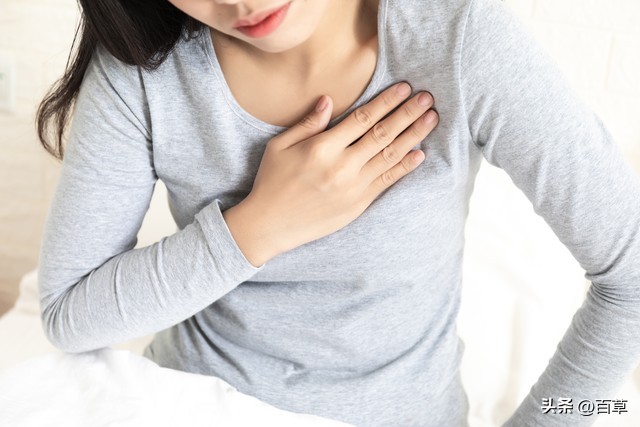
2. Chest tightness and internal heat after drinking: mostly due to heavy phlegm-dampness, qi carrying turbid phlegm upward
Traditional Chinese medicine says that "phlegm follows the movement of qi." Wherever the qi goes, the turbid phlegm in the body will follow. If there is heavy phlegm-dampness, such as a heavy head, a feeling of heaviness throughout the body, a thick, white, and greasy tongue coating, and sticky stools that cling to the toilet, it indicates that there is a significant amount of invisible phlegm-turbidity hidden within the body.
At this point, using Astragalus alone, the quickly replenished qi will carry these phlegm turbidities upward and outward. If they block the chest, it will cause chest tightness and irritability; if they rush to the upper burner, it will make one feel heatiness, such as dry mouth and throat obstruction, leading to increasing discomfort with continued consumption. People with this phlegm-damp constitution must avoid using Astragalus alone. If there is indeed qi deficiency that needs to be tonified, it should be paired with ingredients that resolve phlegm-dampness to eliminate the phlegm turbidities first, so that qi replenishment can proceed smoothly.
3. Abdominal Distension and Discomfort After Drinking: Mostly Due to Qi Stagnation and Stasis, Supplementing Without Unblocking
Astragalus replenishes qi quickly. If one is in a poor emotional state with liver qi stagnation, and the qi in the body is already blocked and not flowing smoothly, rapidly replenishing a large amount of qi at this time is like forcibly adding air to a blocked pipe. The qi cannot be expelled, which worsens the stagnation of qi. This manifests in the body as abdominal bloating, chest tightness, and even increased belching.
For individuals with severe qi stagnation and depression, such as those who often suppress anger, experience chest tightness, and have distension in the rib area, it is advisable not to rush into using Astragalus to tonify qi. Instead, focus on promoting the flow of qi within the body first. Once the qi is flowing smoothly, Astragalus can be incorporated based on the specific condition to avoid exacerbating the blockage.
Drink Astragalus According to Symptoms: 3 Types of People Benefit from It, 3 Types Should Avoid It
1. Three types of people suitable for drinking astragalus, the effect of replenishing qi is doubled
People with insufficient middle qi and qi sinking downward: those with gastroptosis, rectal prolapse, uterine prolapse, or usually experiencing shortness of breath, fatigue, speaking with a weak voice, and chest heaviness, the lifting power of astragalus can precisely target these symptoms.
People with superficial Qi deficiency and weak recovery ability: those with skin sores, wounds that do not heal for a long time, or those prone to catching colds, fear of wind, and weak constitution. Astragalus can replenish superficial Qi and blood, enhancing protection and recovery ability.
People with obvious qi deficiency and fatigue, urgently needing to replenish energy: Those who feel listless after recovering from a serious illness, experience shortness of breath after exercise, or suffer from dizziness and fatigue due to daily overexertion and qi deficiency can quickly replenish qi and alleviate discomfort with astragalus.
2. Three Types of People Who Should Never Consume Astragalus, It Gets Worse the More They Drink
People with lower jiao kidney deficiency and soreness and weakness of the waist and knees: They often feel soreness in the waist and weakness in the legs, frequent urination at night, and cold hands and feet. Using Astragalus alone can easily "pull out the kidney root" and worsen kidney deficiency.
People with heavy phlegm-dampness: heavy head, heavy body, thick and greasy tongue coating, sticky stool that sticks to the toilet, using Astragalus alone can cause phlegm-turbidity to rise, leading to chest tightness and internal heat.
People with qi stagnation and a tendency to suppress anger: usually experience chest tightness, rib distension, poor mood, and frequent belching. Since the flow of qi in their body is already obstructed, consuming astragalus can worsen the blockage, leading to abdominal distension and discomfort.
Astragalus Correct Usage: Drink This Way to Avoid Pitfalls and Enhance Qi-Boosting Effects
1. Pairing is key: Different body types should be paired this way to nourish without stagnation
For long-term Qi supplementation with sustained effects: Astragalus + Codonopsis, this combination allows Astragalus to quickly replenish Qi and blood, while Codonopsis slowly stabilizes Qi, suitable for those with mild daily Qi deficiency and fatigue who wish to undergo long-term conditioning.
People with kidney deficiency tonifying qi: astragalus + kidney-warming ingredients, first consolidate the kidney qi in the lower jiao, then use astragalus to lift qi, avoiding "pulling out the kidney root".
Phlegm-damp individuals tonify qi: Astragalus + phlegm-damp ingredients, first dissolve phlegm turbidity in the body, then tonify qi, qi flows smoothly and phlegm dissipates, without causing chest tightness or internal heat
For individuals with qi stagnation and depression who need to tonify qi: first combine with ingredients that soothe the liver and regulate qi to unblock the qi mechanism in the body, then use a small amount of astragalus to tonify. This way, the issue of tonifying without unblocking will not arise.
2. Daily Simple Usage: Home Care with Zero Threshold
Astragalus Infusion: Take an appropriate amount of astragalus, steep in boiling water for about 10 minutes, suitable for daily mild qi deficiency, such as fatigue and shortness of breath, with a mild taste and convenient preparation.
Astragalus Soup: Add a small amount of astragalus when making soup, paired with lean meat, ribs, or spleen-strengthening ingredients like Chinese yam and poria. This not only replenishes qi but also nourishes the spleen and stomach, making it suitable for the whole family to enjoy. It is especially beneficial for individuals with qi deficiency constitution for daily health maintenance.
Note: Regardless of the method of use, do not exceed the recommended dosage, and avoid long-term single use, especially for individuals with special constitutions. Combining with other methods is safer. After a period of adjustment, it can be paused to avoid over-supplementation.
4 Precautions for Drinking Astragalus Avoid Pitfalls for Safety
1. Do not blindly follow the trend: first determine if your constitution is suitable. If you are unsure, do not drink it casually, especially for those with underlying health conditions, to avoid causing discomfort.
2. Special populations should use with caution: Pregnant women, infants and young children, and individuals with severe chronic diseases should consult a doctor before consuming astragalus, adjust the usage according to their constitution, and avoid self-administration.
3. Observe body reactions: If discomfort such as bloating, internal heat, or weakness in the legs and feet occurs while drinking astragalus, stop immediately. This indicates that the constitution is unsuitable or the combination is incorrect; do not force consumption.
4. Boosting Qi While Nurturing the Body: Astragalus is only an auxiliary method. Daily attention should be paid to maintaining a regular routine, avoiding excessive fatigue, and keeping emotions relaxed. Only then can Qi deficiency be fundamentally improved. Relying solely on Astragalus without cultivating good habits will diminish its effectiveness.
Actually, Astragalus is a very good qi-tonifying herb. The key is to understand its characteristics—it tonifies qi quickly, can both ascend and disperse, and is suitable for people with insufficient middle qi and superficial qi deficiency. By avoiding conditions like kidney deficiency, phlegm-dampness, and qi stagnation, and making proper combinations, it can tonify accurately and safely. If you are unsure about your constitution, do not use it blindly. It is more reliable to consult a professional TCM practitioner for pattern differentiation before adjusting your regimen.