Winter nourishment strengthens the body for the coming year, but some people experience symptoms like internal heat and acne as soon as they start "nourishing." Why does this happen? How can we nourish ourselves scientifically in winter? Besides diet, what should we pay attention to when exercising and dressing warmly in winter? How should we cope with low spirits during the winter season?
Winter Nourishment Tailoring Care to Body Constitution is Key
Winter nourishment is a traditional wisdom that aligns with the seasons and nourishes the body, but it should not be a blind or excessive practice. The cause of internal heat is often a mismatch between one's constitution and the supplements taken. Those most suitable for winter nourishment are individuals with qi deficiency or yang deficiency constitutions. For people with damp-heat or yin deficiency constitutions, who are already prone to internal heat, further supplementation can be like "adding fuel to the fire," easily triggering ulcers or acne. Moreover, if one blindly supplements without moderation, the nutrients may not distribute evenly throughout the body and can easily accumulate and stagnate in certain areas.
Different Physique Winter Diet Choices
1. People with qi deficiency, yang deficiency, and balanced constitution,In winter, it is advisable to consume moderate amounts of nourishing foods such as lamb, Chinese yam, and lotus seeds.
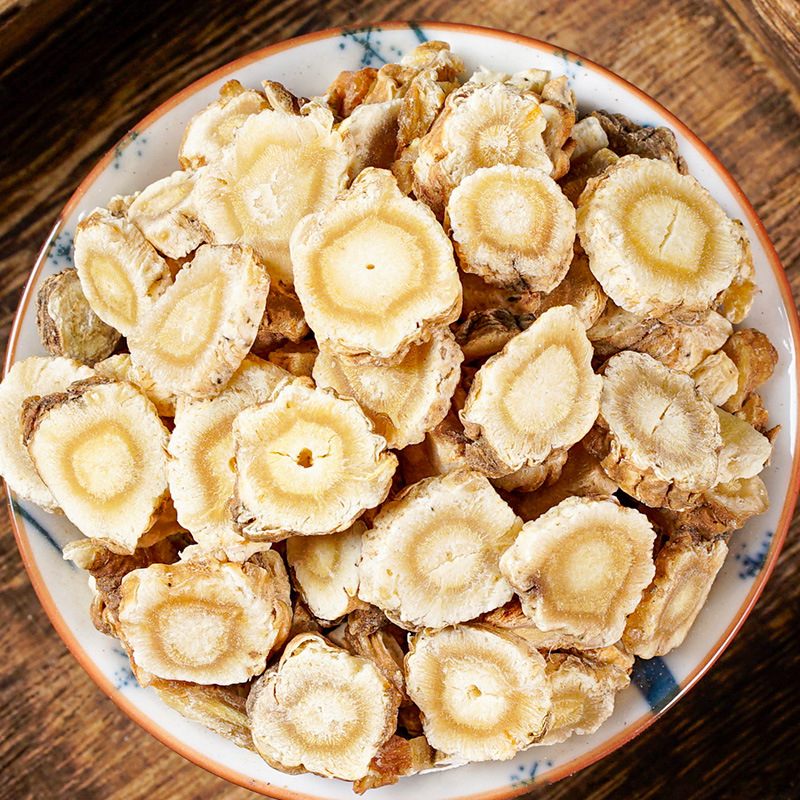
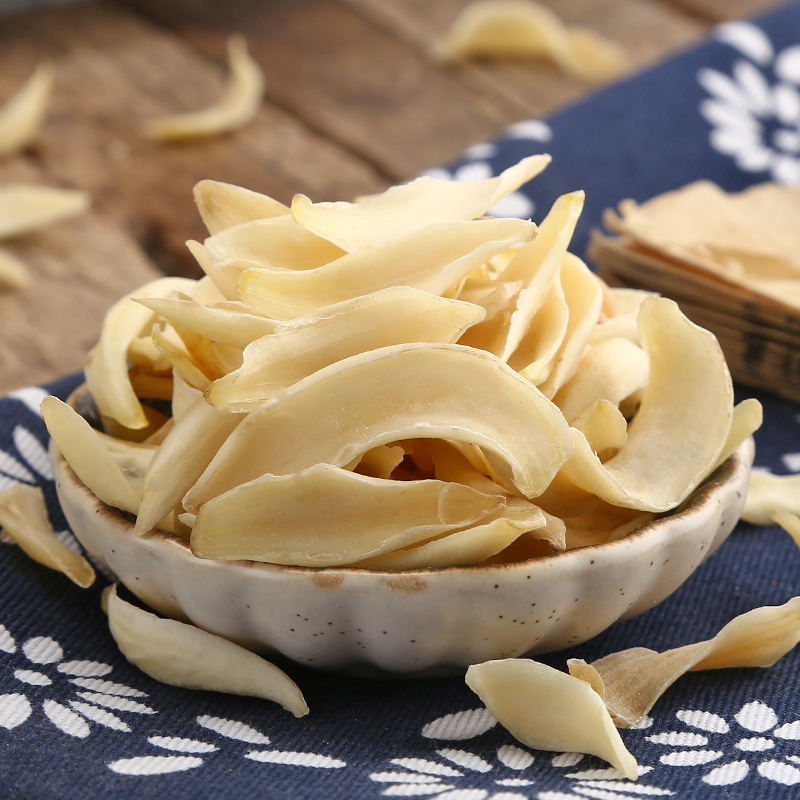
2. People with yin deficiency and excessive internal heat should choose "gentle tonification".Consume some yin-nourishing ingredients, such as lily bulbs, duck meat, American ginseng, and Ophiopogon japonicus.
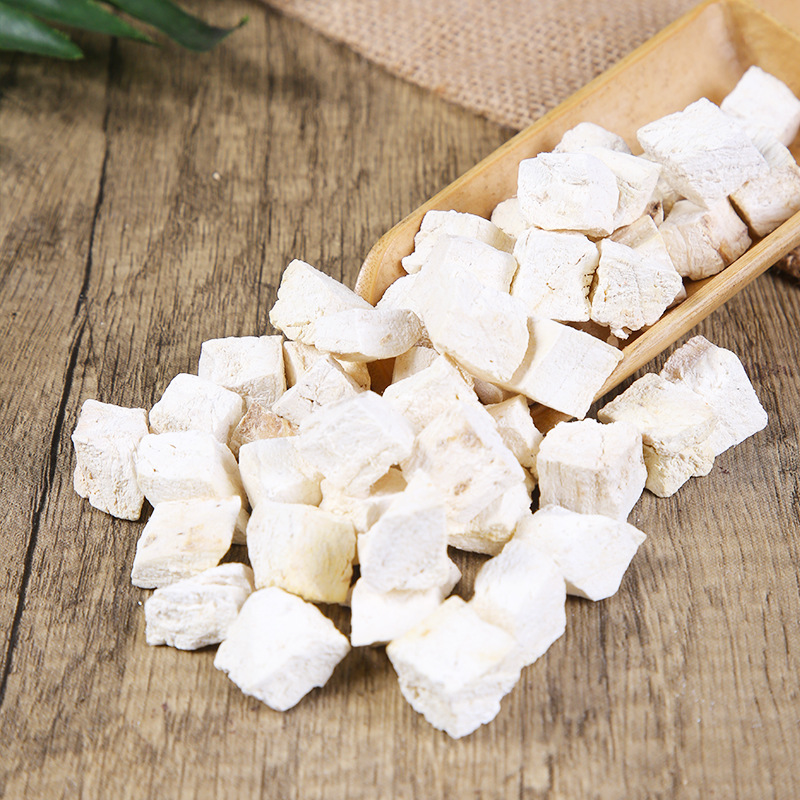
3. People with damp-heat constitutionIt is advisable to avoid overly nourishing foods and instead choose ingredients that clear internal heat, such as poria, barley, and mung beans.
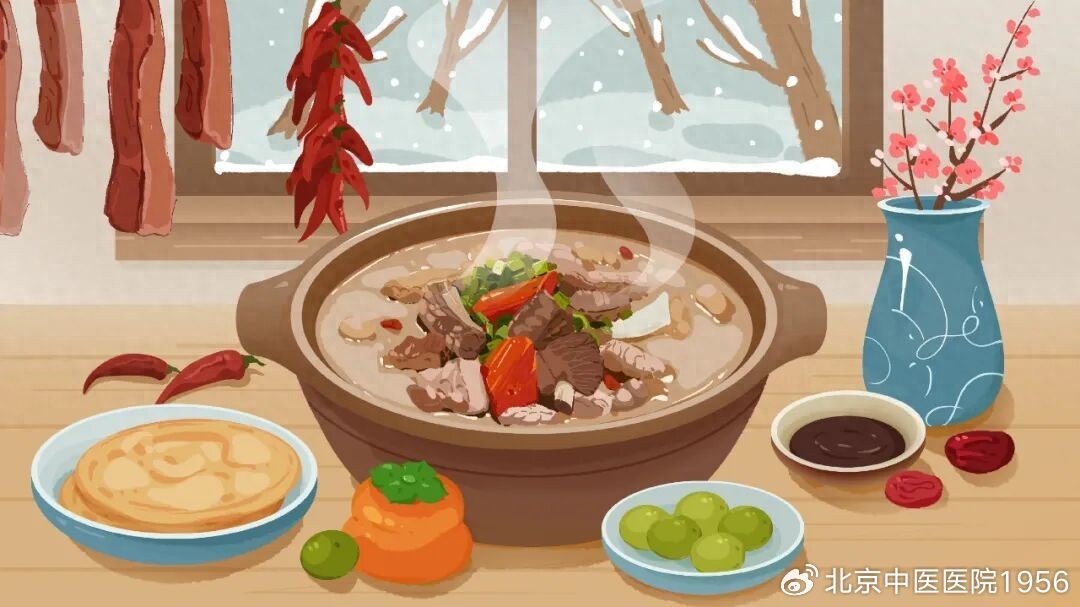
Additionally, proper pairing is also important. For example, when stewing lamb soup, adding cooling ingredients such as radish, Ophiopogon japonicus, and Polygonatum odoratum can help balance the medicinal properties and prevent excessive heat.
For winter health teas, one should also consider personal constitution to avoid blindly following trends.
Take ginger and jujube tea as an example. It is suitable for those who have caught a cold due to wind and cold, or for those who have long-term cold hands and feet, yang deficiency, and fear of cold, as it can achieve the effect of warming the middle and dispelling cold. However, it is not suitable for everyone. People with damp-heat in the body and a thick yellow tongue coating may develop mouth sores after drinking it.
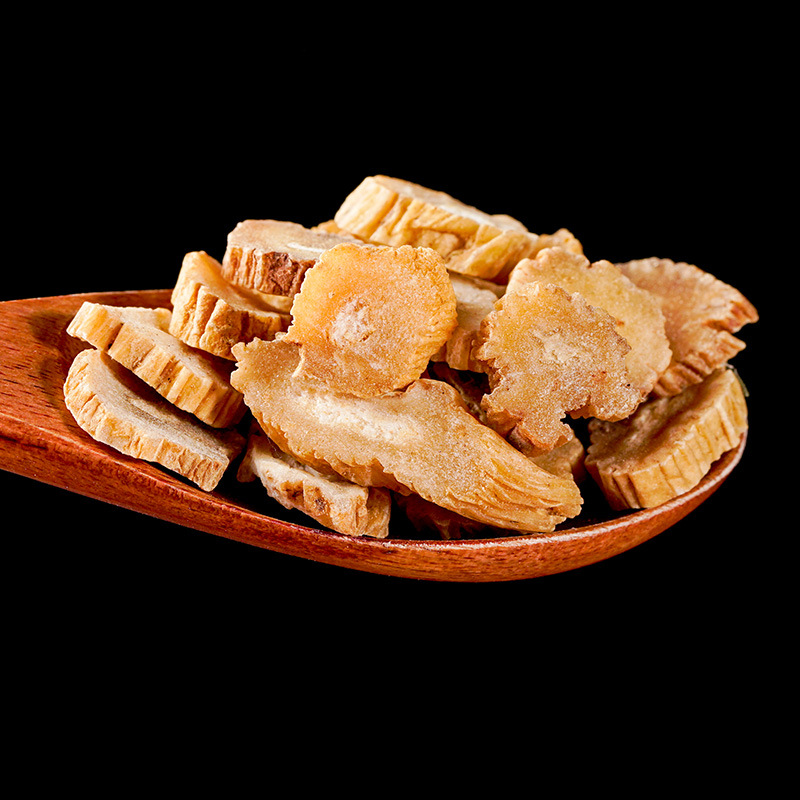
People with a weak constitution can drink some tonifying teas, such as red dates, ginger, longan, and astragalus; those with a robust constitution and internal heat are suitable for drinking some heat-clearing teas, such as chrysanthemum, cassia seeds, or ingredients that promote qi flow and clear liver heat like hawthorn and dried tangerine peel.
In summary, before starting any supplementation, it is important to understand your own deficiency or excess, cold or heat, and choose foods and teas based on your constitution. It is recommended to consult a professional traditional Chinese medicine practitioner to determine your constitution based on tongue and pulse diagnosis, as well as symptoms.
How to Overcome Winter Blues
After winter sets in, many friends feel like they are "sleeping more" and even experience low moods.
From the perspective of Traditional Chinese Medicine, this is actually caused by the inward storage of yang qi during "winter conservation." It is normal to appropriately increase sleep duration in winter, following the principle of "going to bed early and rising late, waiting for the sunlight." From the perspective of modern medicine, the low mood in winter is mainly due to shorter daylight hours, which leads to an increase in melatonin and a decrease in serotonin.
There are mainly 6 points to improve the method:
1. Appropriately increase lightingYou can sunbathe for 15 to 30 minutes between 11 a.m. and 1 p.m., take intermittent walks, and reduce melatonin secretion in the body.
2. Do some aerobic exercise,Improve the circulation of qi and blood, promote the secretion of endorphins and serotonin
3. Massage to refresh the mind and awaken the brain acupointsFor example, the Baihui point and the Fengchi point.
4. Feeling lowWhen feeling down, talk more with family and friends to gain emotional support;
5. Warm-colored lighting can be used at home.Or wear brightly colored clothes, listen to some cheerful and uplifting music to improve your mood.
6. In terms of diet, consume more foods rich in tryptophan.For example, bananas, walnuts, oats, etc. In the afternoon, you can also use aromatic items like mint and rosemary to refresh yourself. People with suitable constitutions can also drink tea in moderation.