With the popularization of health check-ups, more and more people are discovering "thyroid nodules" in their examination reports. Faced with this diagnosis, many friends are confused about whether to observe, take medication, or undergo surgery. In fact, besides traditional surgery, minimally invasive treatment techniques such as ultrasound-guided thermal ablation are opening up a more comfortable option for nodules that require intervention.
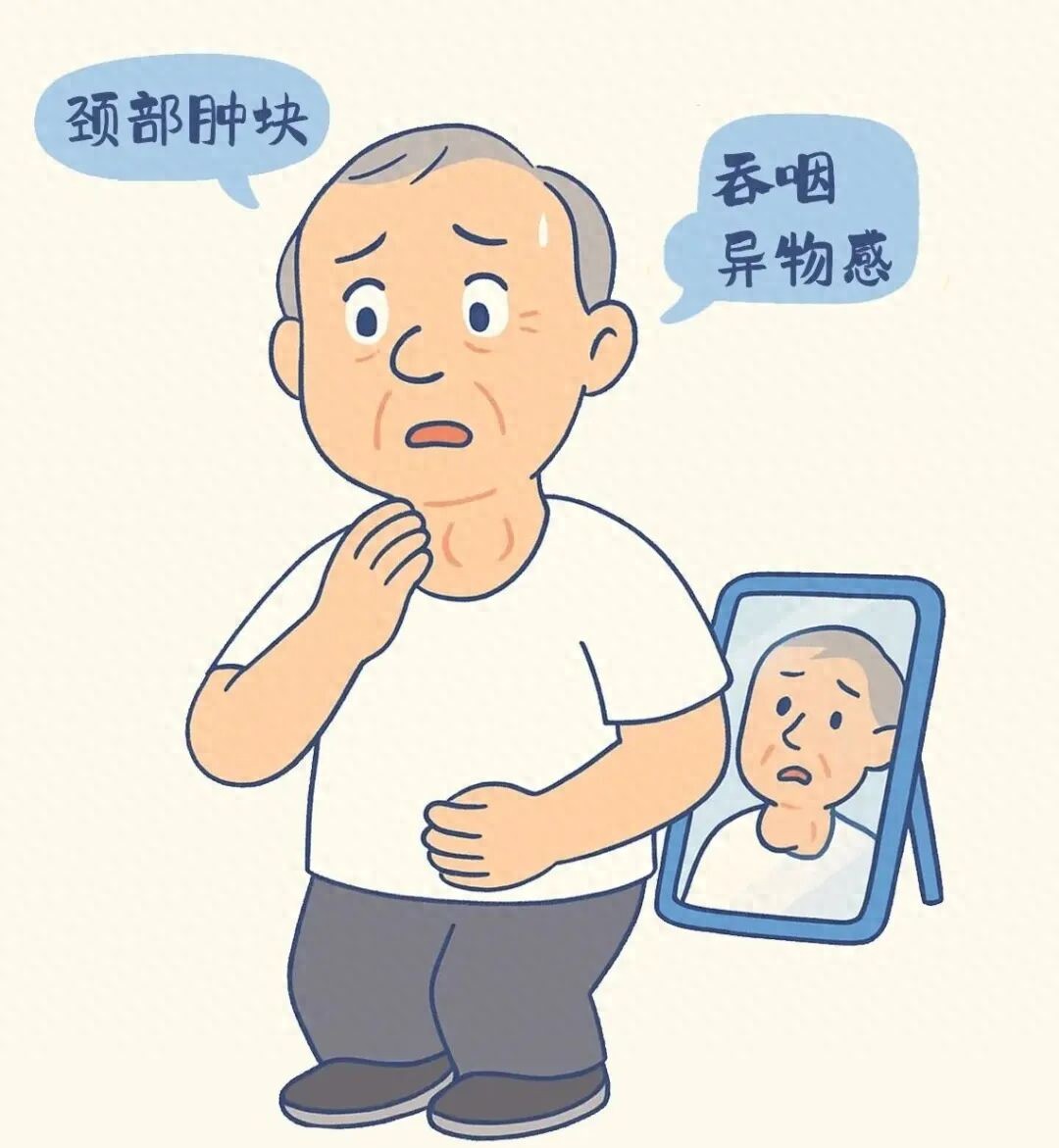
01. Does Your Nodule Need Treatment?
The vast majority of thyroid nodules are benign and do not require immediate treatment; regular follow-up observation is sufficient. However, medical intervention should be considered when nodules cause the following issues:
The nodule diameter is 2 centimeters or more, and it causes compressive symptoms such as a sensation of a foreign body during swallowing, difficulty breathing, or changes in voice.
The nodule is significantly raised, affecting the appearance of the neck or imposing a heavy psychological burden on the patient.
The nodule autonomously secretes excessive thyroid hormones, leading to hyperthyroidism symptoms such as palpitations and hand tremors;
The nodule was confirmed as low-risk thyroid cancer through puncture, and the patient explicitly refused surgical treatment after careful consideration.
02. Technological Innovation: From Alternative to First-Line Treatment
The application of thermal ablation technology in the field of thyroid has made significant progress in recent years. Looking back at its development, the 2018 expert consensus (1) positioned it as an alternative to surgical treatment. In contrast, the new multidisciplinary expert consensus released in 2025 (2) clearly states that for eligible benign thyroid nodules, ultrasound-guided thermal ablation has been recommended as a first-line treatment option.
This shift in status signifies that its efficacy and safety have gained widespread recognition within the industry, making it a mainstream choice. Meanwhile, the scope of treatment continues to expand. The new consensus not only pays more attention to patients anxious about nodules but also provides the possibility of exploratory treatment for some challenging lesions that are preoperatively inclined to be benign. For low-risk thyroid cancer patients who have undergone strict evaluation and are unwilling to undergo surgery, ablation has also become a feasible minimally invasive radical option.
03. Minimally Invasive Advantages: Precision, Function Preservation, Quick Recovery
Thermal ablation is a localized precision treatment technique guided and monitored in real-time by ultrasound. The doctor precisely inserts a thin ablation needle into the lesion, causing it to undergo coagulative necrosis through thermal energy. Subsequently, the necrotic tissue is gradually absorbed by the body's immune system, leading to significant shrinkage or even disappearance of the nodule.
Compared to traditional surgery, its core advantages lie in extreme minimally invasive techniques and functional preservation. After the treatment site heals, there are no scars on the neck; it maximizes the protection of normal thyroid tissue, and the vast majority of patients do not require lifelong medication post-surgery. Additionally, this technology offers the benefits of rapid recovery and shorter hospital stays. After effectively establishing a "protective barrier" to safeguard surrounding tissues, the risk of damage to important nerves and blood vessels is extremely low, ensuring excellent safety.
04. Clarify the Applicable Population to Ensure Treatment Safety
Thermal ablation technology is primarily suitable for symptomatic benign nodules, some cases of primary hyperthyroidism, low-risk thyroid cancer meeting specific criteria, and postoperative recurrence of cervical lymph nodes. Of course, to ensure absolute safety, conditions such as severe coagulation dysfunction, significant organ dysfunction, or contralateral vocal cord paralysis require rigorous preoperative evaluation by a professional physician, as these are contraindications for treatment.