The five grains are for nourishment, the five fruits for assistance, the five animals for benefit, and the five vegetables for supplementation. This classic dietary theory from the Huangdi Neijing reveals the ancient wisdom on balanced nutrition. So, what exactly are the five vegetables mentioned here, and what foods do they correspond to in modern diets?
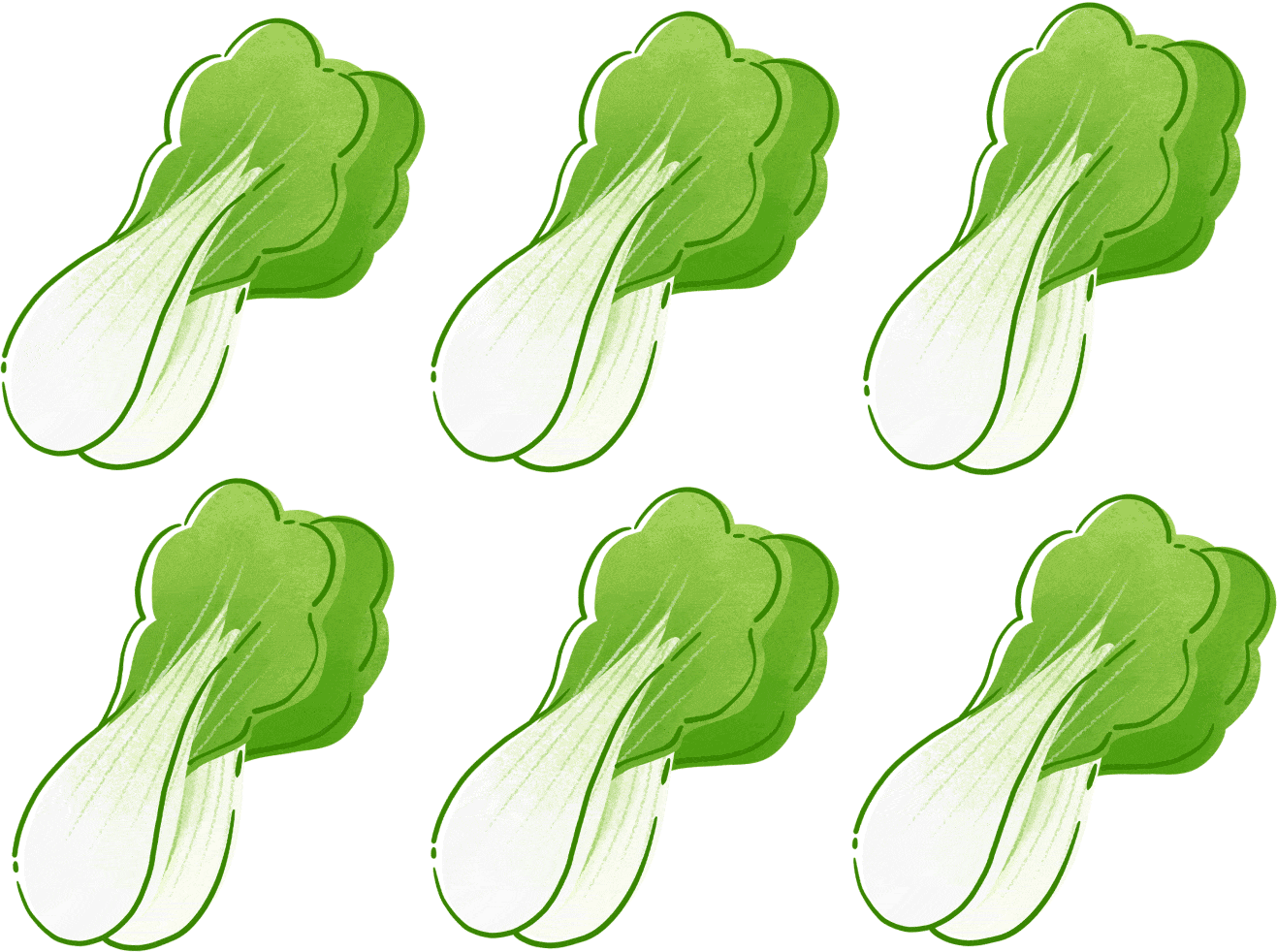
Kui: Moistens dryness and promotes intestinal function
Kui held an extremely important position in the vegetable family in ancient times, and is now known as winter mallow or winter cold vegetable, still cultivated in places like Sichuan and Hunan.
Winter mallow has a smooth and slippery texture, which helps to moisten dryness and benefit the intestines. In terms of cooking methods, it is more suitable for blanching or making soups. For example, winter mallow cooked with porridge complements the softness of the porridge with its tender texture; winter mallow tofu soup is light, delicious, and nutritious. Both methods effectively preserve the mucilage of winter mallow, which is highly beneficial for intestinal health. However, it should be noted that due to its cold and slippery nature, individuals with weak spleen and stomach or those prone to diarrhea should avoid excessive consumption to prevent aggravating discomfort.
Leek: Warming Yang and Promoting Qi
Leek is also known as Chinese chives, characterized by its ability to "grow and thrive for a long time." It is precisely because of this vigorous vitality that it has been given the alternative name "Yang-Enhancing Herb."
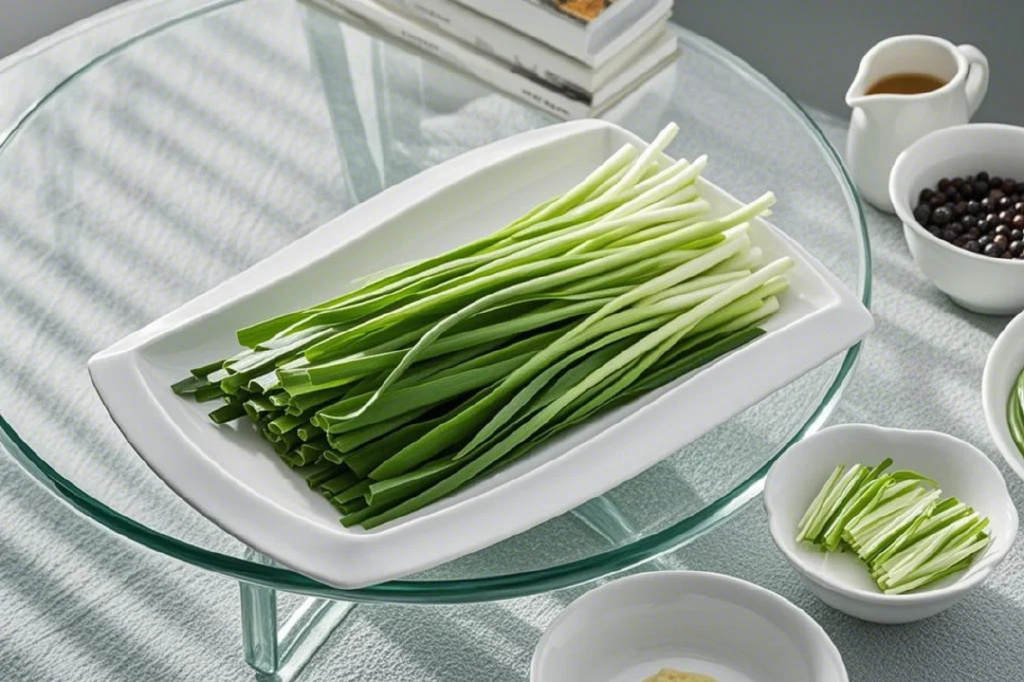
In traditional Chinese medicine theory, leeks have the effects of warming yang, promoting qi circulation, dispersing blood stasis, and detoxifying. They can help alleviate discomfort caused by spleen and stomach deficiency cold while also clearing internal heat toxins. Spring leeks are the most tender and have particularly outstanding nourishing effects. During the cold winter, leeks are suitable for making fillings, such as leek and egg filling or leek and pork filling, which can be wrapped into dumplings or buns to exert their yang-warming properties. They are especially beneficial for individuals with cold constitution or yang deficiency, but those with yin deficiency and excessive fire (often accompanied by dry mouth, bad breath, and acne) should avoid excessive consumption. Additionally, due to their high crude fiber content, they should be consumed in moderation during indigestion.
Allium chinense: Regulating Qi and Relieving Chest Distension
Allium chinense, also known as Chinese onion, is a highly popular specialty ingredient in southern regions. Its appearance somewhat resembles that of green onions, but its bulbs are plump, round, and as white as jade, emitting a pungent aroma when peeled.
Traditional Chinese medicine believes that Chinese onion has a pungent and bitter taste and a warm nature, with the effects of warming the middle and promoting yang, regulating qi and widening the chest. It can be prepared in various ways. In addition to being made into sweet and sour Chinese onion or pickled as an appetizer, it can also be cut into sections and stir-fried with hot oil, then paired with meats such as pork or beef, or vegetables like green peppers and beans. This not only neutralizes the greasiness of the meat but also adds a unique and fresh aroma to the dish. However, excessive consumption by individuals with qi deficiency may exacerbate physical discomfort, so it is important not to eat too much at once.
Huoxiang: Protecting the Intestines and Heart
Huotong refers to the tender leaves of common beans such as soybeans and black beans. It has a sweet and neutral taste with a slight coolness, making it suitable for most constitutions. Bean leaves are rich in various nutrients beneficial to the human body, such as abundant crude fiber, which helps maintain intestinal health; a certain amount of folic acid, which aids in reducing the risk of cardiovascular diseases; and isoflavones, which can assist in regulating hormone levels.
The best ways to consume bean leaves are by simmering them in soup or stir-frying them quickly. For example, the classic soybean leaf and tofu soup pairs the freshness of the bean leaves with the soft tenderness of tofu, resulting in a light and refreshing broth that maximizes the retention of nutrients such as folate and isoflavones, nourishing the body. It is important to note that bean leaves have a relatively coarse texture, so they must be thoroughly cooked to facilitate better nutrient absorption by the body.
Green Onion: Dispelling Cold and Unblocking Yang
Green onion refers to the scallion, which, due to its unique pungent aroma, can skillfully harmonize the flavors of various ingredients, neutralize unpleasant odors, and enhance freshness. It is often referred to as the "peacemaking herb."
In traditional Chinese medicine theory, green onions have the effects of inducing sweating to relieve the exterior, dispersing cold, and unblocking yang. Consuming an appropriate amount during the early stages of catching a cold can help alleviate mild chills, nasal congestion, and other discomforts. There are various ways to eat them: stir-frying with eggs or adding a few sections to slow-cooked meats can instantly enhance the aroma of the dish; many cold dishes or soups are sprinkled with chopped green onions after cooking to add color and fragrance; fresh and tender green onions can also be used to mix with tofu, making them an excellent choice for cutting through greasiness and stimulating the appetite. It should be noted that due to their pungent flavor, excessive consumption on an empty stomach should be avoided to prevent irritation of the stomach and intestines.
In daily diet, there is no need to deliberately pursue "collecting all five vegetables," but one should aim to consume them regularly throughout the seasons and rotate varieties. Avoid long-term consumption of a single type of vegetable to align with the traditional wisdom of "nourishing without excess and maintaining balanced health," allowing the body to sustain well-being through diverse nutritional intake.