In daily life, many people often feel tired and fatigued. Those around them who are interested in traditional Chinese medicine and health preservation might ask, "Are you blood deficient?" "But I just got checked, and I'm not anemic!" Is blood deficiency in traditional Chinese medicine the same as anemia? What are the differences between the two?
Blood Deficiency ≠ Anemia
Blood deficiency is a type of pattern differentiation in traditional Chinese medicine, while anemia is a disease diagnosis. People with blood deficiency often exhibit symptoms such as low energy, reluctance to speak, and lack of motivation to move. However, if a complete blood count is performed, it may not necessarily meet the diagnostic criteria for anemia. In addition to anemia, other diseases can also present with blood deficiency. For example, blood deficiency can cause insomnia, hair loss, and palpitations. Conversely, among those who meet the diagnostic criteria for anemia, deficiency of qi and blood serves as the underlying condition of the body. They may also concurrently experience conditions such as spleen-kidney yang deficiency, liver depression and spleen deficiency, or kidney yang deficiency.
Blood Deficiency Signals Not Only Fatigue
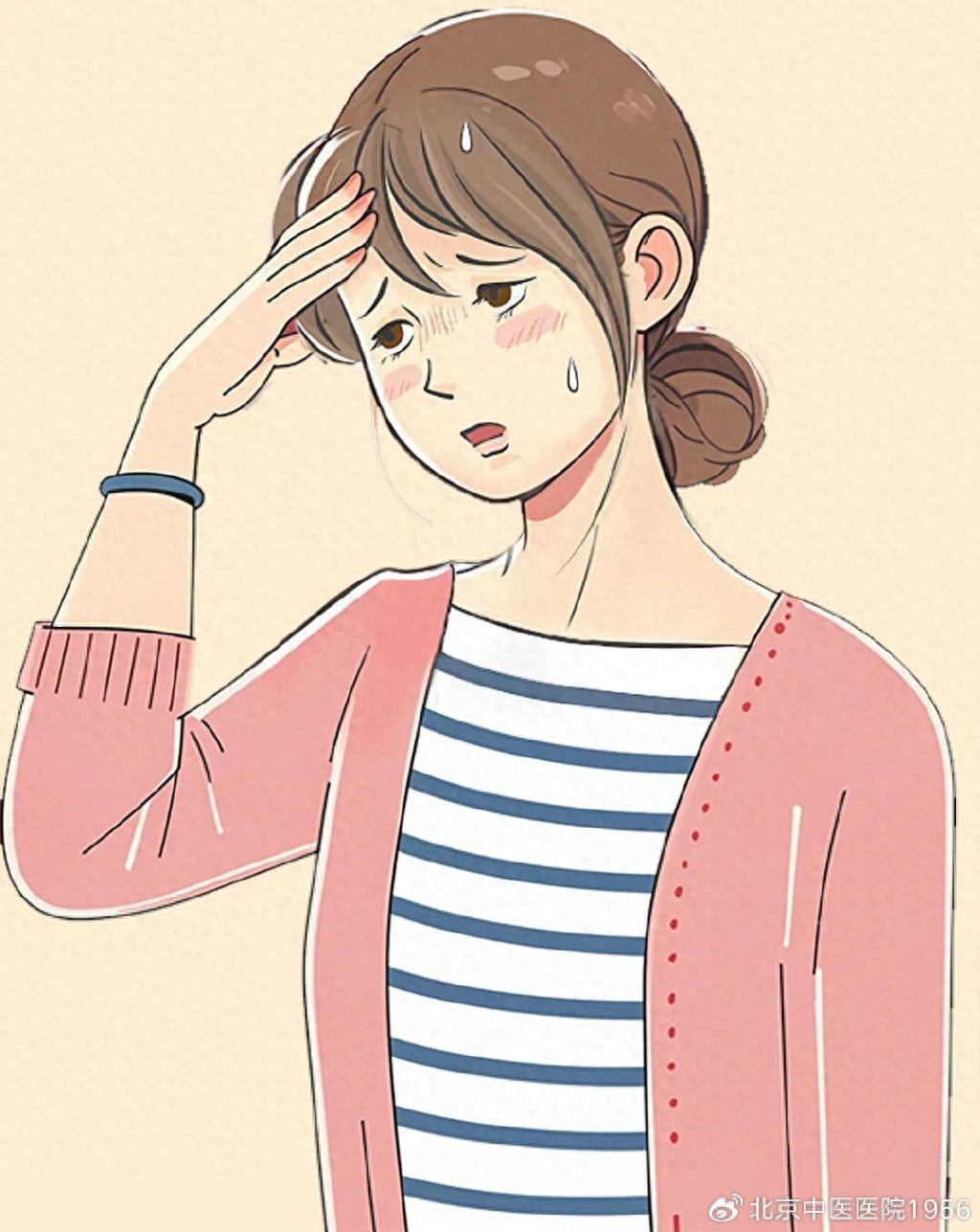
In addition to easily feeling weak and constantly complaining of fatigue, there are many other signs that may indicate the body is in a state of blood deficiency.
One is to look at the color.Under normal circumstances, the face is moist and slightly glowing. If the face becomes dull, no longer rosy, and even somewhat yellowish, along with changes such as pale lips and withered yellow palms, it may indicate blood deficiency.
Second, observe the sensations.People with blood deficiency often experience palpitations and poor sleep (difficulty falling asleep, easily waking up). When standing up from a sitting or squatting position, they may feel dizzy or experience darkening of vision.
When noticing these symptoms, one should seek medical attention to determine if anemia is present. If anemia is confirmed, it is necessary to further identify the cause and type of anemia and follow standardized diagnosis and treatment. If in a state of blood deficiency, some traditional Chinese medicine methods can be adopted for regulation.
Internal and external treatment can nourish blood
If diagnosed with blood deficiency, it can be adjusted through dietary therapy, massage, exercise, and other methods.
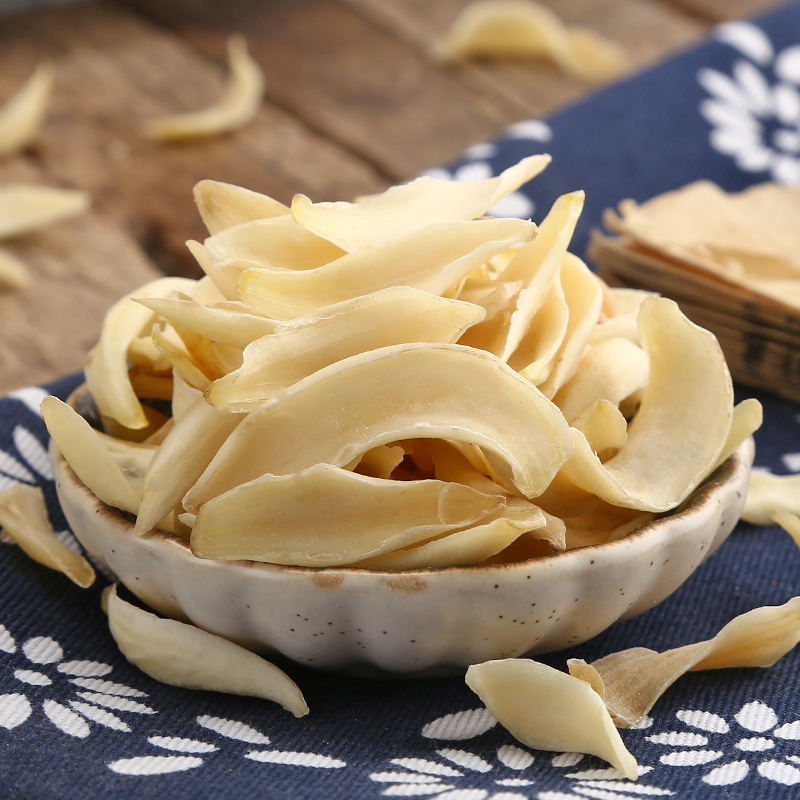
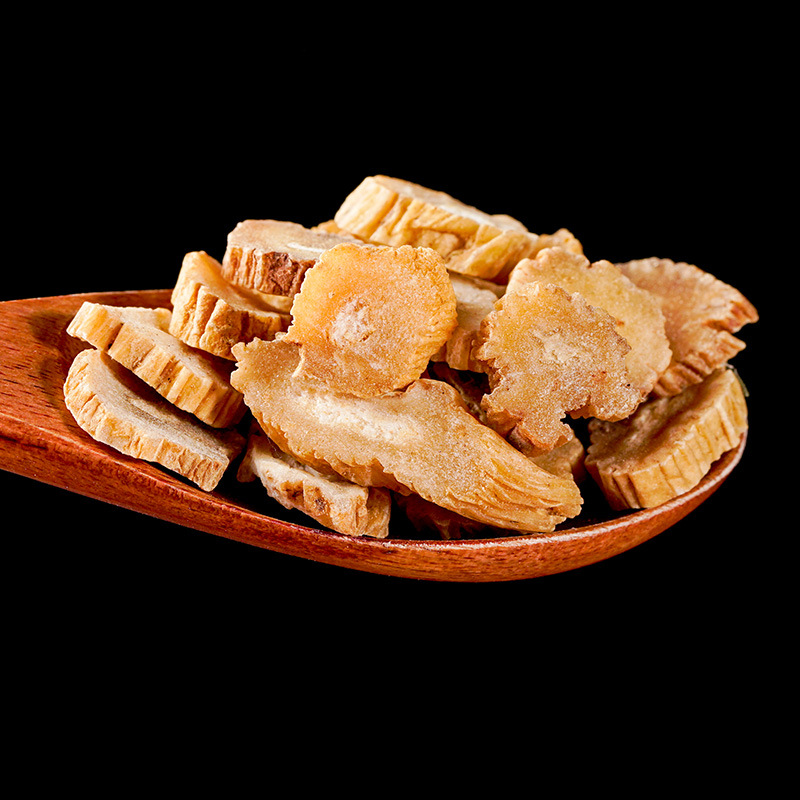
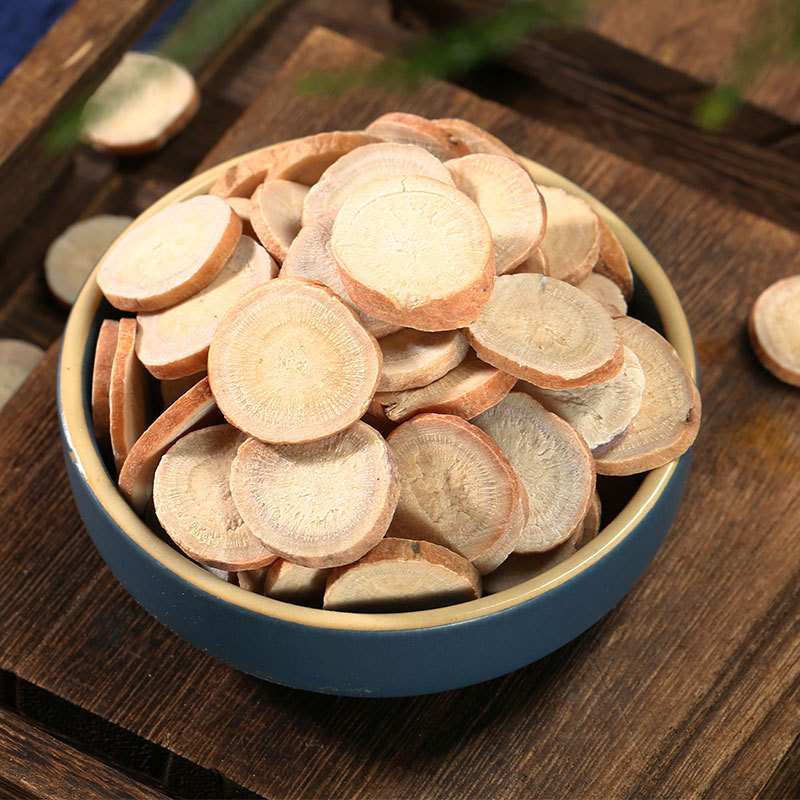
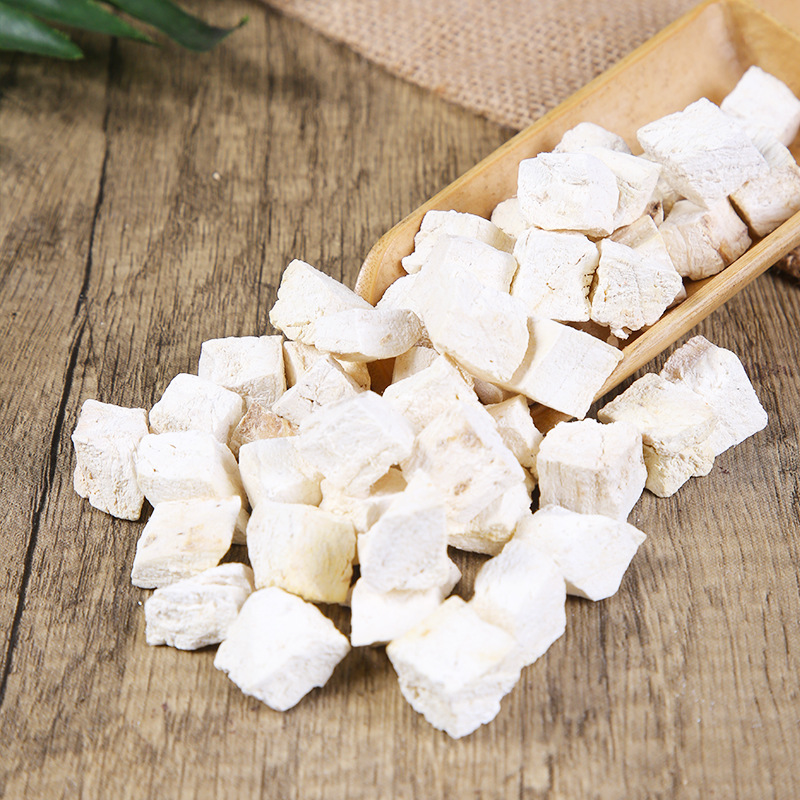
1. Dietary therapy:People with symptoms such as emotional abnormalities, dizziness, sallow complexion, poor appetite, abdominal distension, and loose stools can use the combination of "red dates + longan" to strengthen the spleen and nourish blood, and the pairing of "angelica + white peony root" to nourish blood and soften the liver, thereby adjusting the state of liver depression and spleen deficiency, making the flow of qi smoother and the ability to generate qi and blood more vigorous.
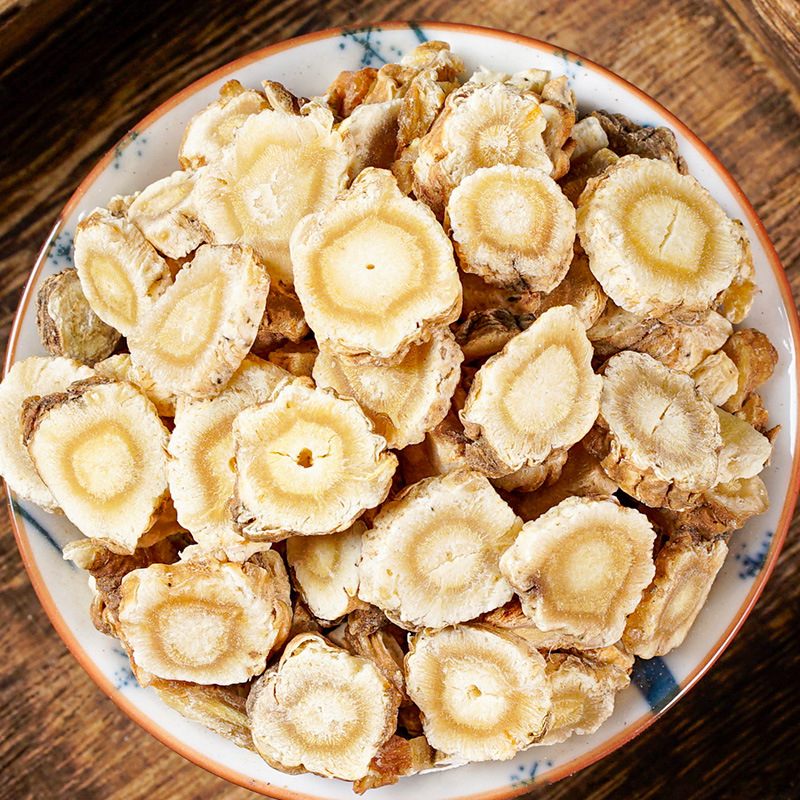
When making soup, you can add some astragalus to help strengthen the spleen and replenish qi. Traditional Chinese medicine believes that "where qi flows, blood follows." Sufficient and smooth qi is beneficial for the generation and circulation of yin blood. Astragalus, angelica, and black chicken soup is a good choice. People are familiar with the idea that "pig liver nourishes blood." From the perspective of traditional Chinese medicine, pig liver is indeed a blood-nourishing food, but it can only serve as an auxiliary remedy and should not be relied upon to correct anemia.
2. Massage:Zusanli point (four finger-widths below the outer knee) can strengthen the spleen and stomach functions, benefiting the production of qi and blood; Sanyinjiao point (four finger-widths above the inner ankle) can simultaneously tonify the spleen, liver, and kidneys, regulating suboptimal health by improving organ functions; Qihai point (about two finger-widths below the navel) and Guanyuan point (four finger-widths below the navel) help to replenish qi and strengthen the body. Consistently massaging these points can help adjust blood deficiency conditions.
3. Exercise:Traditional exercises such as Baduanjin and Tai Chi can improve blood deficiency through specific movements and breath regulation, which is superior to simple walking. Of course, if there is insufficient time and energy, walking is also good. As long as you move, it is beneficial to the circulation and generation of qi and blood.
Blood Tonic Traditional Chinese Medicine Has Its Unique Characteristics
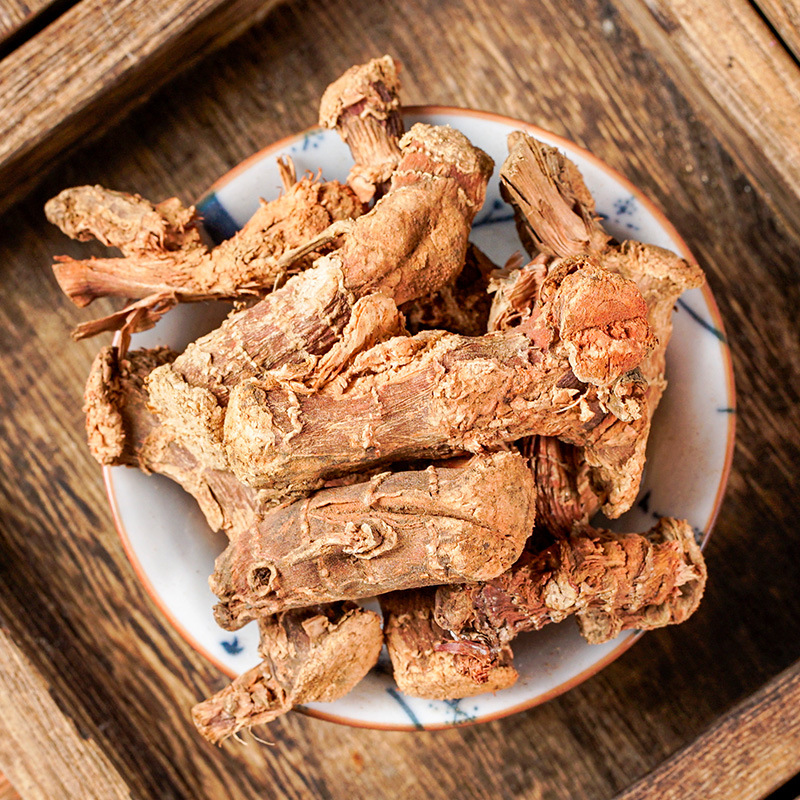
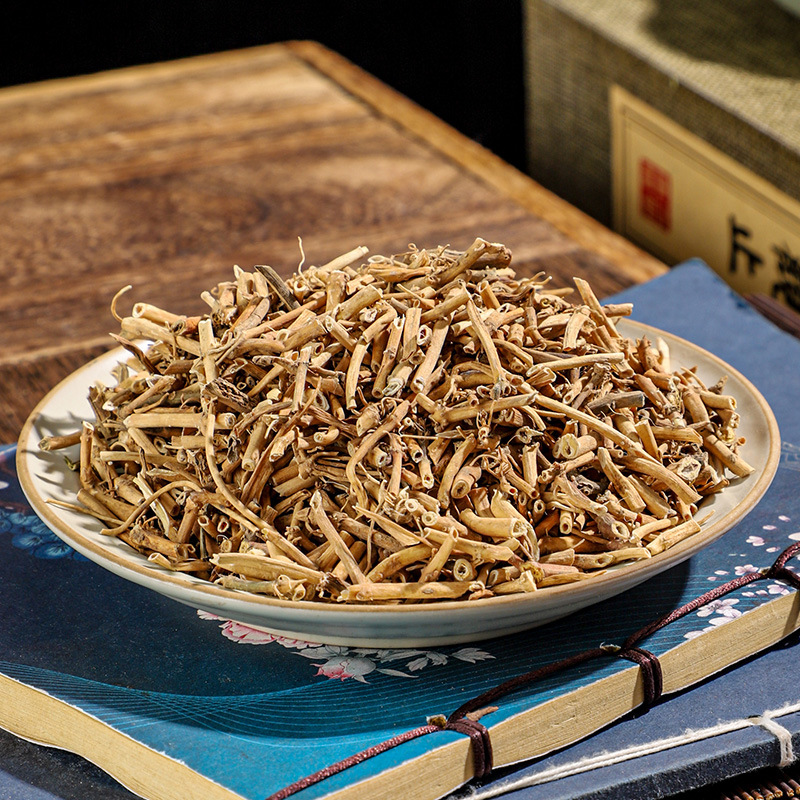
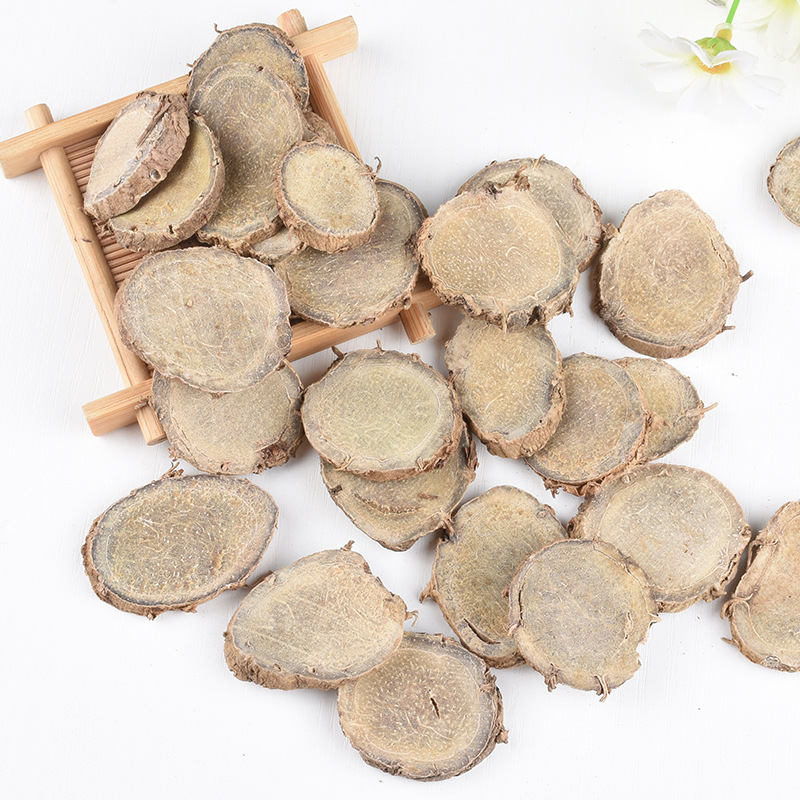
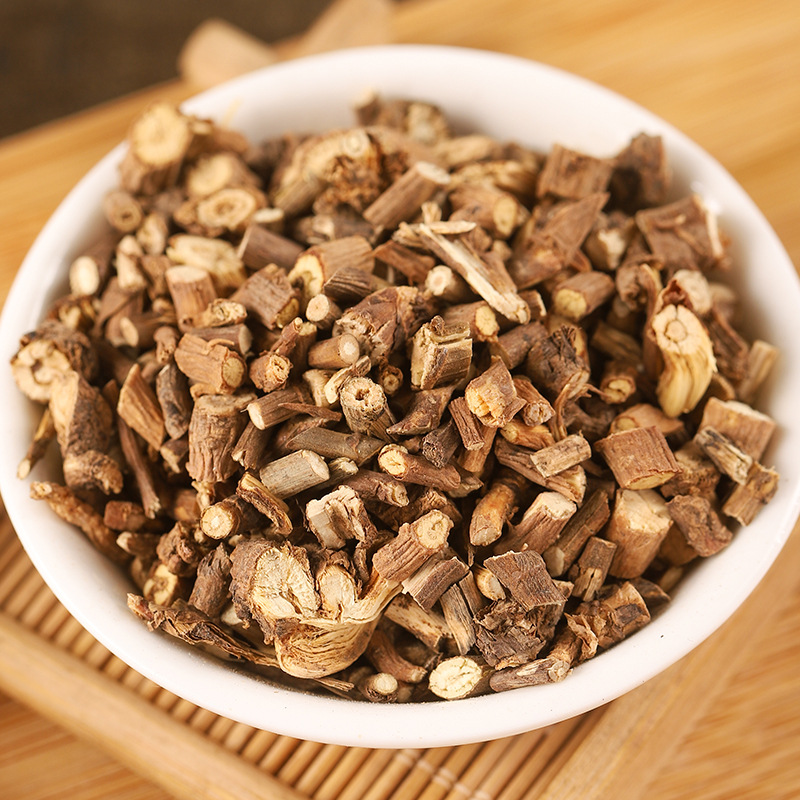
Traditional Chinese medicine has many characteristic therapies for treating anemia. Yu Rencun, chief physician of the oncology department at Beijing Hospital of Traditional Chinese Medicine affiliated with Capital Medical University, createdShengxue DecoctionIt is mainly used for bone marrow suppression, anemia, leukopenia, and other conditions after chemotherapy. The main formula is "Er Huang Ji Gou Tu," which consists of raw Astragalus, raw Rehmannia, Spatholobus stem, wolfberry, and dodder seeds. This formula aims to replenish qi and strengthen the spleen, nourish the liver and kidneys. Based on the patient's syndrome differentiation, modifications such as strengthening the spleen, warming yang, and tonifying the kidneys are made accordingly.
If the physical condition is not suitable for oral administration of traditional Chinese medicine, external application of blood-boosting patches can also be chosen.Make a paste from raw astragalus, raw rehmannia root, chicken blood vine, and dodder seeds, and apply it to the Shenque acupoint (the center of the navel) once a day for 4 to 6 hours each time to achieve the effect of assisting in regulating and tonifying qi and blood. In addition to anemia caused by chemotherapy, the Blood-Boosting Decoction and Blood-Boosting Paste also have good therapeutic effects on simple anemia.
Preventing Blood Deficiency Exercise in Daily Life
Three factors may lead to anemia: first, insufficient intake of hematopoietic raw materials; second, hematopoietic system diseases such as leukemia, or undergoing radiotherapy and chemotherapy; third, chronic blood loss, such as heavy menstrual flow, or suffering from hemorrhoids, digestive tract tumors, etc.
In daily life, pay more attention to changes in your body. When suspecting blood deficiency, the first step is to seek medical attention to determine whether it is anemia, especially for those with the aforementioned three types of triggers. If already in a state of anemia, standardized treatment is the primary choice, supplemented by health maintenance and conditioning.
In terms of lifestyle, it is important to minimize excessive consumption of qi and blood, such as avoiding heavy physical, mental, and intellectual labor, as well as prolonged staying up late, using mobile phones, and looking at computers. Normal work, study, and daily life will not cause serious harm to the body, but if there is a prolonged imbalance between work and rest, and the body cannot adjust, it will affect the functions of the internal organs and the state of qi and blood.
Therefore, compared to recuperating after anemia, maintaining the body's balance before the onset of illness and preventing the quantitative change of blood deficiency from developing into the qualitative change of anemia is more cost-effective.