Milk tea, pizza, spicy hot pot, grilled skewers, fast food... these addictive delicacies are quietly "snipping" the health of the younger generation, leading to an increasing number of young "sugar addicts."
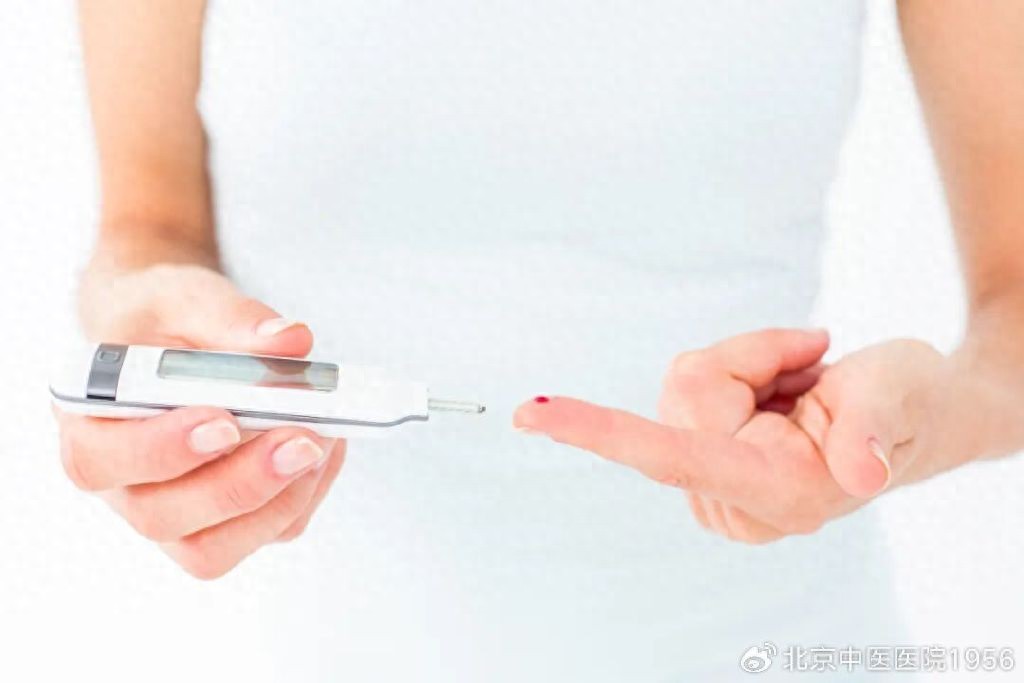
When diagnosed with type 2 diabetes, they may feel confused and even worried: "I'm still so young, do I have to live with medication for the rest of my life?" Actually, that's not the case. For young diabetic patients with obesity, scientific weight loss is the key to potentially reversing the condition. Today, experts from Kuangjie will share with you how to regain control of your health through scientific weight management.
Why is weight loss so important
Traditional beliefs hold that diabetes is an incurable chronic disease. However, recent studies have found that for young patients with type 2 diabetes who have a short disease duration, especially those who are overweight or obese, scientifically managing body weight can significantly lower blood sugar levels, improve insulin resistance, promote the recovery of pancreatic islet function, and even achieve the effect of "reversing the condition."
Therefore, weight loss is crucial, and it primarily plays two major roles in controlling blood sugar:
1. Reduce the toxicity of "visceral fat"For young diabetic patients, excess weight primarily stems from excessive intake of refined carbohydrates, high-sugar, high-fat, and high-salt foods. High-calorie foods are converted into fat and stored in the visceral organs, serving as the "culprit" behind diabetes. Fat triggers inflammatory responses, reducing the body's sensitivity to insulin and leading to insulin resistance, which elevates blood sugar levels. Therefore, weight loss can alleviate the "glucotoxicity" and "lipotoxicity" of fat on pancreatic beta cells, restoring the "sensitivity" of pancreatic function.
2. Rescuing "Exhausted" Pancreatic Beta CellsThe pancreas in the human body is like a factory, where beta cells are responsible for producing and secreting insulin to maintain the balance of blood sugar in the body. Excessive visceral fat increases the burden on beta cells, and weight loss allows pancreatic beta cells to rest, restoring the "production" of insulin secretion, thereby achieving the effect of lowering blood sugar.
How to Set Weight Loss Goals
Blind dieting and excessive exercise are not advisable; we need sustainable and healthy lifestyle interventions.
1. Basic Goal:Aim to reduce initial body weight by 5% to 10%. Achieving this baseline goal can improve insulin sensitivity and lower glycated hemoglobin by 0.5% to 1.0%.
2. Advanced Goals:Weight loss of 10% to 15%. If physical condition is good and interest in weight loss remains high after achieving the 5% to 10% goal, this advanced target can be pursued. At this stage, control of blood sugar, blood lipids, and blood pressure will further improve, providing stronger long-term protection for cardiovascular and cerebrovascular health.
3. Long-term goals:Maintaining weight, rather than continuous decline. Long-term maintenance of weight after weight loss is more important than continued weight loss and holds greater significance for cardiovascular and cerebrovascular health.

Three Carriages Scientific Weight Loss
The first carriage: improving dietary structure - not starving but eating right
Controlling total energy intake and optimizing dietary structure is the first step in weight loss: you can try a dietary pattern of "low carbohydrate, low fat, and high protein."
1. Carbohydrates: You can use brown rice, whole wheat bread, oats, quinoa, corn, and other whole grains instead of white rice and refined flour. They have a slower glycemic response and are high in fiber.
2. Vegetables: Prefer green leafy vegetables rich in crude fiber, such as spinach, lettuce, broccoli, etc. These vegetables have strong satiety, low calories, and a low glycemic index.
3. High Protein: Choose high-quality protein sources such as chicken breast, fish, shrimp, eggs, soy products, and low-fat milk. These foods can supplement essential amino acids and maintain muscle mass.
4. Stay away from "sugar-coated bullets": resolutely quit sugary drinks, milk tea, desserts, fried foods, and highly processed snacks.
The Second Carriage: Exercise Empowerment – Not Torture, But Activation
1. Aerobic exercise is the "main force for fat burning": Engage in at least 150 minutes of moderate-intensity aerobic exercise per week, such as brisk walking, jogging, swimming, or cycling. During exercise, you should feel your heart rate increase and sweat slightly.
2. Strength training is the "metabolic engine": Perform resistance training 2-3 times per week, such as squats, push-ups, dumbbell lifts, using fitness equipment, etc. Increasing muscle mass can boost basal metabolism while enhancing insulin sensitivity.
3. Exercise is beneficial, consistency is key: Start with a 15-minute walk each day, gradually increase, find a sport you enjoy, and stick with it.
The Third Carriage: Behavior and Mindset - The Cornerstone of Success or Failure
1. Self-monitoring: Regularly measure weight, waist circumference, and blood sugar, and record daily diet and exercise levels.
2. Regular Schedule: Ensure 7-8 hours of quality sleep each night. Staying up late for extended periods can disrupt hormone levels, making the body crave high-calorie foods more.
3. Stress Management: Alleviate stress through meditation, listening to music, talking with friends, and other methods to avoid "emotional eating."
4. Seek Support: Seek support from family and friends. You can also join patient communities to encourage each other and share weight loss experiences.
How to Choose Medication for Weight Loss
If diet control and exercise still fail to achieve weight management goals, the use of weight-loss medications may be considered.
1. Western Medicine:For patients with diabetes and obesity, new hypoglycemic drugs such as semaglutide and dulaglutide have significant effects on lowering blood sugar and reducing weight. After consulting with a physician in the outpatient clinic, they can serve as a powerful assistant for scientific weight loss.
2. Traditional Chinese Medicine:Ancient Chinese believed that diabetes was related to "frequent consumption of sweet and fatty foods." Rich and greasy foods damage the functions of the spleen and stomach, leading to a decline in their digestive and transformative capacities. The endocrinology team at Beijing Hospital of Traditional Chinese Medicine, affiliated with Capital Medical University, inherits the experience of renowned senior TCM physician Professor Wei Zhizhen. They are skilled in applying the "Spleen-Regulating and Digestion-Promoting Method" using the department's characteristic empirical formula "Huanpi Formula," combined with ear acupressure with beans to strengthen the spleen, intradermal acupuncture, and other methods to regulate endocrine. By combining internal and external treatments, they regulate the functions of the spleen and stomach, suppress appetite, thereby improving metabolism and aiding in weight loss.
In addition, for diabetic patients, regular follow-up examinations are important. During the weight loss process, it is necessary to regularly monitor indicators such as blood glucose, glycated hemoglobin, liver and kidney function, and urinary protein, so that doctors can adjust the treatment plan in a timely manner. The Endocrinology Department of Beijing Hospital of Traditional Chinese Medicine has established specialized clinics for diabetes, metabolic obesity, and other conditions to help you lose weight, lower blood sugar, and enjoy a healthy and slim life.
Featured Preparation Recommendation: Qi-Boosting and Fluid-Generating Tea Bags
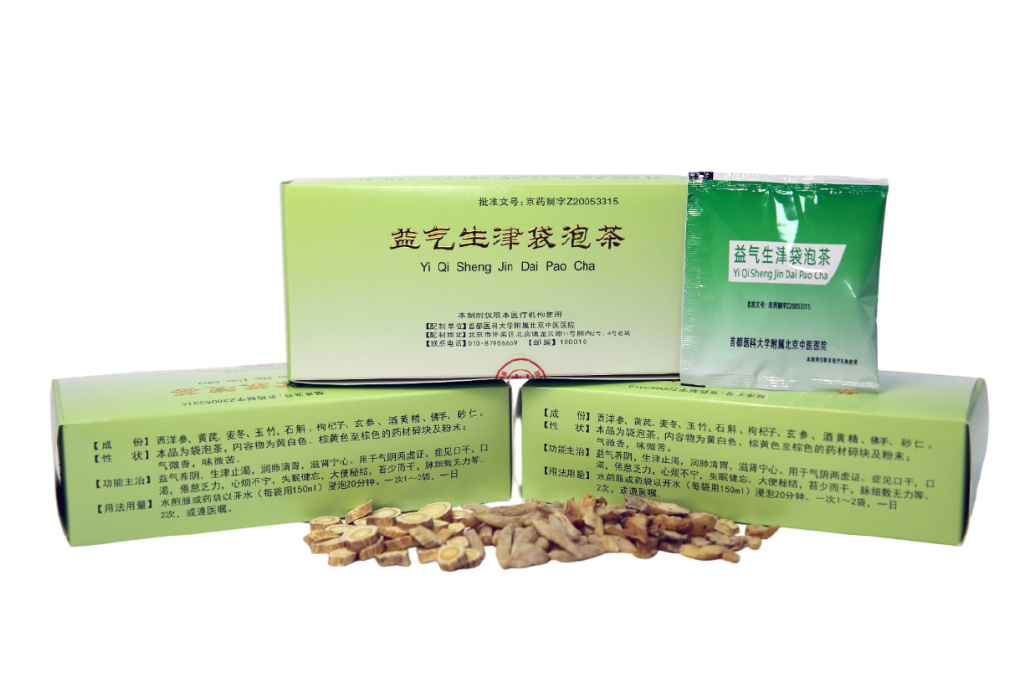
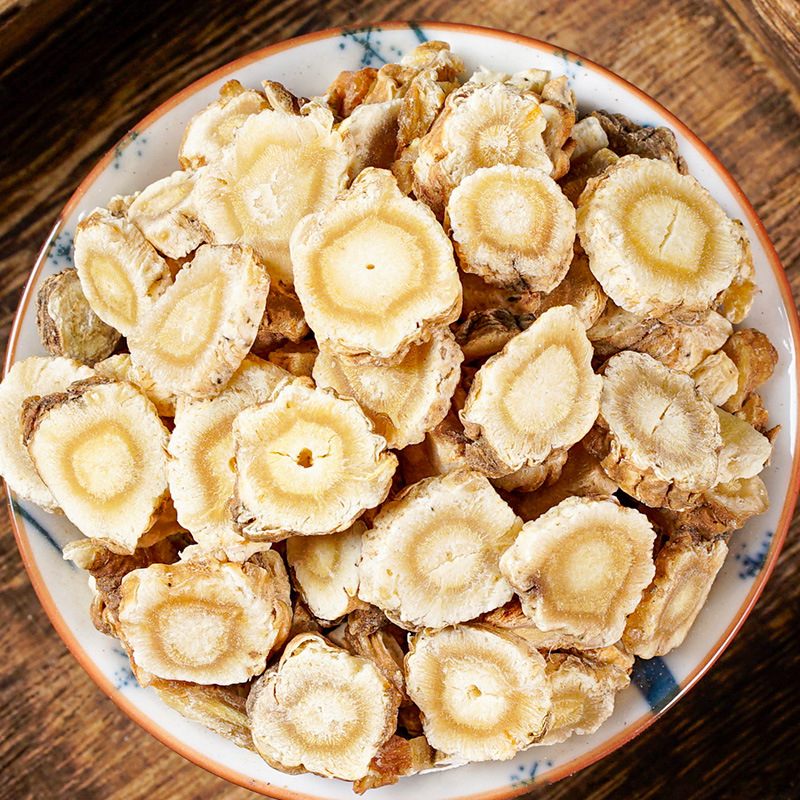
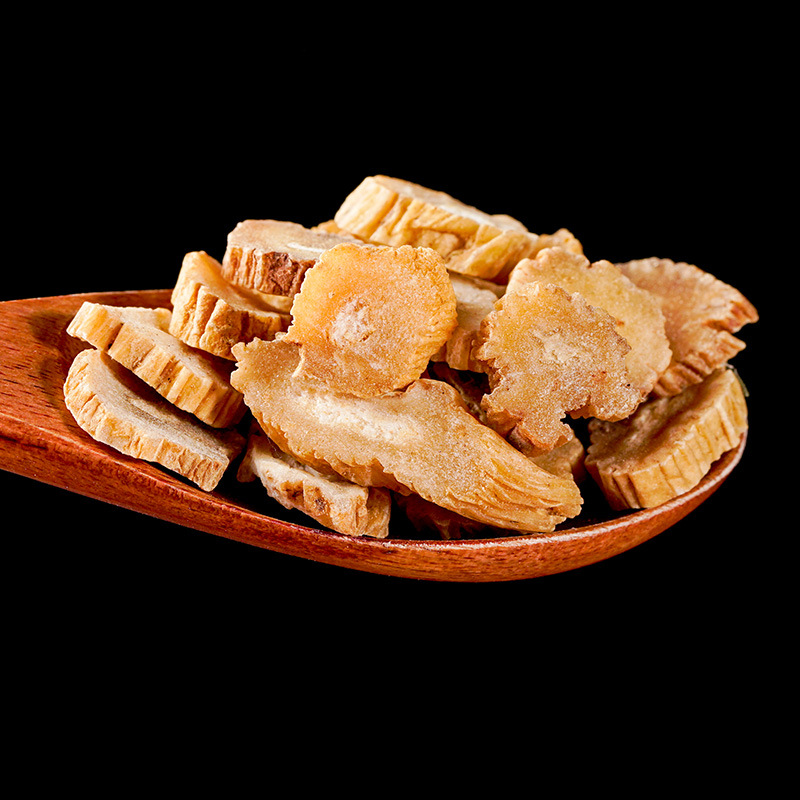
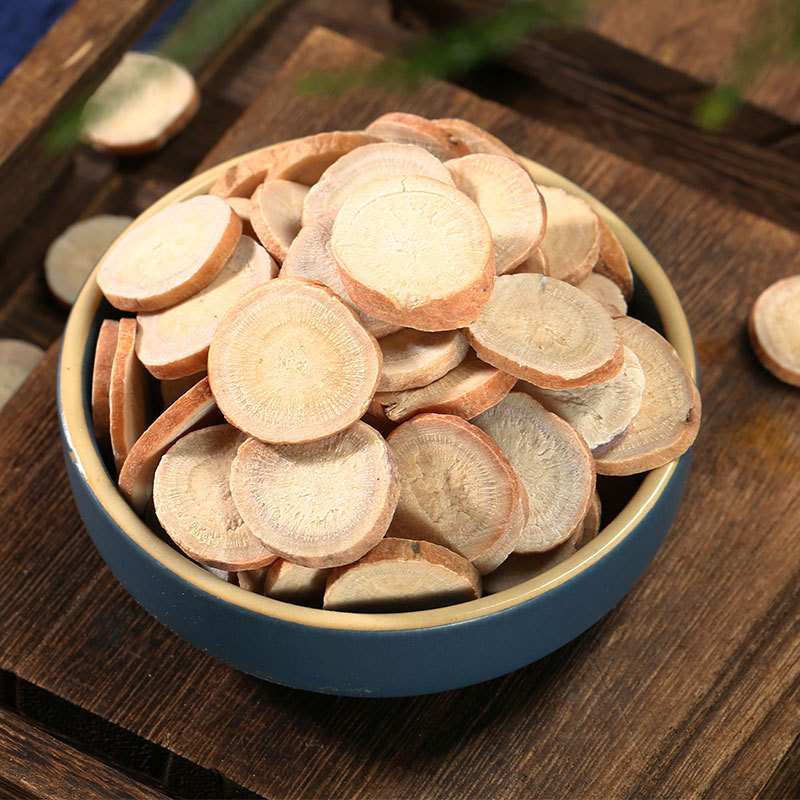
Qi-Boosting and Fluid-Generating Tea Bag is composed of American ginseng, astragalus, ophiopogon, etc. It uses astragalus and American ginseng as the main therapeutic herbs, leveraging astragalus's ability to tonify qi and raise yang, and American ginseng's properties of tonifying qi and nourishing yin. It can be decocted in water for oral use, or the tea bag can be soaked in boiling water for 20 minutes before consumption. Take 1-2 bags each time, twice a day, or as directed by a physician. Qi-Boosting and Fluid-Generating Tea Bag has the effects of tonifying qi and nourishing yin, generating fluids to quench thirst, moistening the lungs and clearing the stomach, and nourishing the kidneys to calm the heart. It is suitable for syndromes of dual deficiency of qi and yin, manifesting as dry mouth, thirst, fatigue and weakness, restlessness, insomnia and forgetfulness, constipation, etc., and can be selected under the guidance of a physician based on pattern differentiation.