When a child coughs, the whole family worries. Coughing is one of the most common symptoms in pediatric outpatient clinics. Research shows that over 75% of children visit the doctor for coughing more than five times a year, and 14% even seek medical attention more than 15 times! This situation is particularly prominent among kindergarten children. Many parents share the common frustration of their children falling ill shortly after starting school and getting sick again just as they recover. When a cold seems to have passed, but the cough lingers and recurs, parents become even more sensitive and anxious: If my child's cough keeps coming back, could it develop into pneumonia or asthma? Why does a child's cough persist after a cold?
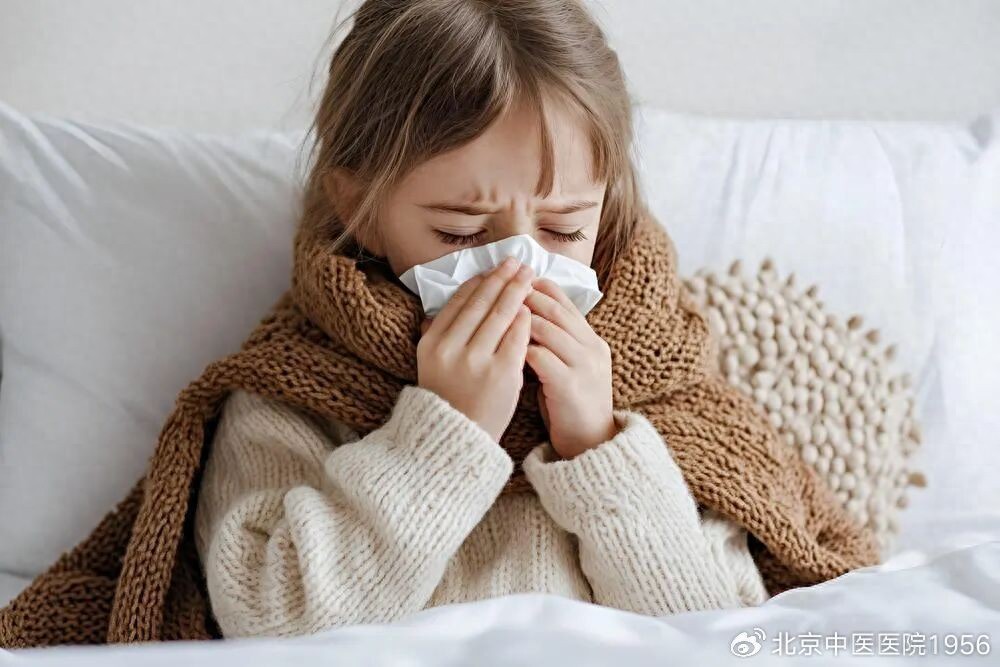
Getting sick is the immune system's training exercise
For children, respiratory infections caused by various reasons are an inevitable part of their immune system's "growth process." Especially for children aged 3-6, as they start attending kindergarten and are exposed to more people and things, the risk of infections from various viruses and bacteria significantly increases. However, it is through these repeated respiratory infections that children's immunity gradually becomes "stronger," allowing them to better adapt to their living environment and gradually improve their immune function. Studies have shown that children under the age of 6 can experience an average of 6-8 upper respiratory infections per year. Therefore, parents need not be overly anxious about this.
The essence of coughing is a protective reflex of the respiratory tract to various stimuli. Regarding the natural duration of coughing caused by acute respiratory infections in children, most children will experience it for more than 10 days, and even about one-tenth of children may develop complications such as otitis media, bronchitis, or pneumonia within two weeks after a cold. This is because children's immune systems are not yet fully developed, so it takes some time for their overall bodily functions, including the airways and lungs, to recover after being stimulated by various pathogens such as viruses, bacteria, and mycoplasma. It is similar to when we get a cut on our hand and it bleeds; the wound scabbing over and stopping bleeding does not mean it is completely healed. Therefore, after a child catches a cold, parents must calm down and carefully and patiently observe the child's coughing condition. If they become too anxious, take the child to see a doctor too frequently, or use medication arbitrarily on their own, it can easily lead to drug abuse and is even more detrimental to the child's recovery.
Parents should be good observers
After a child catches a cold and coughs, parents need to pay attention to the following three points
Observe changes in the child's cough
If a child's symptoms such as coughing, nasal congestion, and runny nose gradually improve after taking medication for a cold, and no other symptoms appear, this indicates that the condition is improving. However, if the child develops a fever, experiences a sudden or gradual increase in coughing frequency over a few days, or exhibits other symptoms such as nausea, vomiting, or diarrhea, it is necessary to seek medical attention promptly. A doctor should carefully examine the child to assess their condition. Additionally, if the child's cough persists for more than one month without significant worsening but does not completely resolve—indicating chronic cough—it is also important to take the child to the hospital for timely medical evaluation.
Pay attention to the child's diet
Many parents believe that when children are sick, they should eat more to supplement nutrition. In fact, improper diet often increases the burden on children's gastrointestinal tract, affects digestive function, and is not conducive to disease recovery. According to traditional Chinese medicine theory, sweet foods, fried and grilled foods, and other rich and greasy foods can cause food stagnation, making it harder for children's coughs to heal. Therefore, after falling ill, a light diet is recommended. This does not mean letting children only drink porridge every day, but rather ensuring a balanced nutrition, including vegetables, fruits, lean meat, and other high-quality proteins, while avoiding excessive intake of high-calorie foods, overeating, and extreme picky eating. Additionally, children should not eat or drink milk within one hour before bedtime to prevent gastroesophageal reflux from affecting sleep and causing nighttime coughing.
Rest well and maintain a regular schedule
Many parents believe that if their child is not running a fever or coughing, they have recovered from the illness. They often take their children out to play or engage in physical activities once the coughing symptoms have lessened or disappeared. As a result, many children experience a recurrence of coughing, and some may even develop a fever again. A child's immune system is not yet fully developed, so after a respiratory infection, it takes some time for the body's internal functions to recover. This recovery process often does not align with the child's outward symptoms. For example, after a child contracts pneumonia, the coughing symptoms generally disappear within about 2 to 4 weeks, but it takes approximately 2 to 3 months for the inflammation in the damaged lungs to fully resolve. Therefore, when a child's condition has just stabilized, it is important to ensure they get plenty of rest, maintain a regular daily routine, and get adequate sleep. This will allow the child's immune function to fully recover.