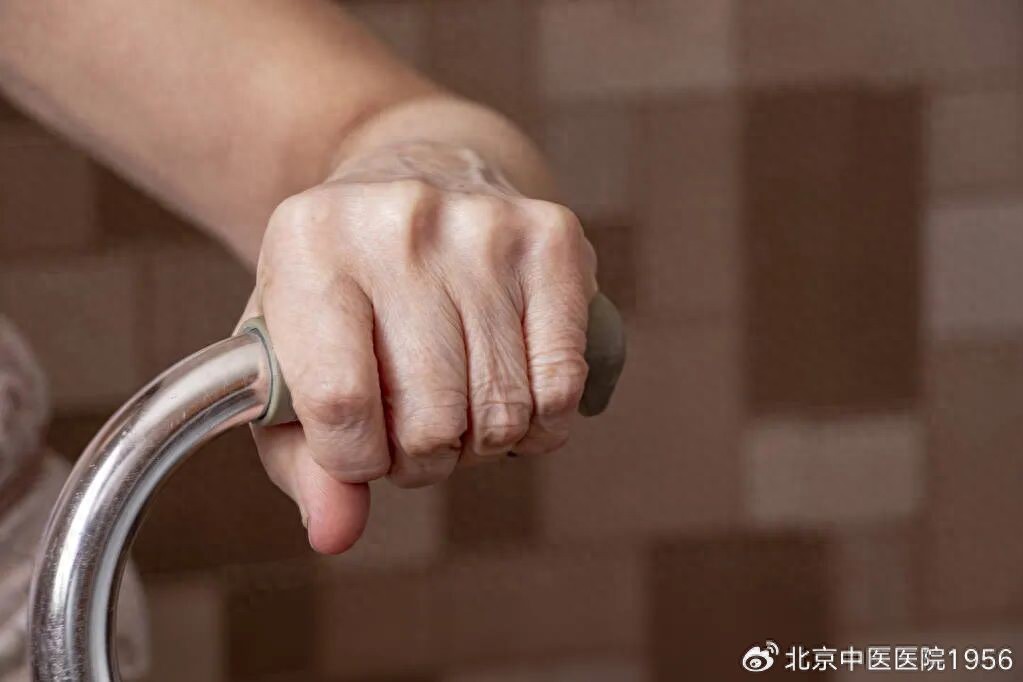
The cool autumn breeze brings refreshing weather, which should be a comfortable time for every senior. However, there is a health issue quietly stealing the vitality of the elderly, and that is sarcopenia. What is sarcopenia? How can elderly friends preserve their muscles and strengthen their bones and muscles?
What is sarcopenia
You can think of muscle mass as a "savings account" accumulated during youth, which gives people strength, mobility, and a robust metabolism. As age increases, if the rate of muscle loss exceeds the rate of muscle synthesis, this "savings account" will gradually diminish. When muscle mass and strength drop to a certain level, affecting normal life, it leads to sarcopenia. Sarcopenia is different from ordinary "age-related weight loss." Age-related weight loss may involve losing fat, which is controllable; whereas sarcopenia involves the uncontrollable loss of precious muscle, while fat may not decrease or even increase. This state of being "overweight yet weak" is even more dangerous.
What are the symptoms of sarcopenia
Common symptoms of sarcopenia include weakness in the hands, such as difficulty opening bottle caps or carrying a grocery basket; weakness in the legs, such as struggling to stand up from a chair or feeling weak when climbing stairs; slow walking speed, such as not being able to cross the street before the traffic light turns red; and a tendency to fall easily, such as tripping while walking on flat ground. These symptoms may be warning signs of sarcopenia.
How to Prevent and Control Sarcopenia
Sarcopenia is preventable, controllable, and improvable. Addressing sarcopenia requires "internal and external cultivation, with a three-pronged approach," where nutrition serves as the foundation, exercise acts as a potent remedy, and traditional Chinese medicine conditioning represents a distinctive advantage.
Nutritional intervention is like adding bricks and tiles to muscles.Muscles require high-quality protein as the core material. It is essential to consume high-quality protein, such as eggs, one per day, with the yolk being nutritionally complete and containing vitamin D, so it should not be discarded; milk or yogurt, 300 to 500 milliliters per day; soy products like tofu, soy milk, and dried tofu, but those with high uric acid or gout should avoid them. Protein should be evenly distributed across three meals. It is also important to supplement key nutrients, such as vitamin D, which can promote calcium absorption and muscle function. It is best to get 15 to 30 minutes of sunlight daily or consume deep-sea fish and egg yolks; calcium strengthens bones; Omega-3 fatty acids have anti-inflammatory effects and can be obtained from fish.
Exercise intervention is giving muscles the command to growResistance exercise can stimulate muscle growth, such as traditional practices like Yijinjing and Baduanjin.
Traditional Chinese Medicine holistically regulates sarcopenia.Although there is no disease name of sarcopenia in TCM theory, according to its manifestations such as muscle atrophy, emaciation, fatigue, and slow movement, it can be classified into the categories of flaccidity syndrome or consumptive disease. Its root cause is closely related to the decline in the functions of the three zang organs: the spleen, kidney, and liver.
Traditional Chinese Medicine emphasizes that "for treating flaccidity, focus on the Yangming meridian," meaning that regulating the spleen and stomach is the core. The kidney is the foundation of innate constitution, governing bones and producing marrow. Deficiency of kidney essence leads to malnutrition of bones, making them fragile, while insufficient kidney qi causes a decline in overall bodily functions, resulting in fatigue, aversion to cold, and sluggish movement. Without kidney qi providing the driving force, muscles naturally lack the strength to move. The liver stores blood and governs tendons. Sufficient liver blood nourishes the tendons and vessels, making joints flexible and strong. When liver blood is insufficient, tendons become tense and stiff, leading to clumsy movements, unsteady gait, and an increased risk of falls. Therefore, sarcopenia is fundamentally a state of systemic weakness characterized by deficiency of both the spleen and kidney, accompanied by insufficient liver blood. The TCM approach emphasizes a holistic strategy, focusing on strengthening the spleen and replenishing qi, tonifying the kidney and filling essence, nourishing blood and softening the liver, all implemented simultaneously.