Did you know that long-term emotional distress and excessive stress not only quietly deplete physical health but may also unconsciously manifest on the face—such as the familiar melasma. Melasma is actually not just a superficial skin issue; it is closely related to emotional fluctuations. Long-term anger, high stress, and other factors can become significant "drivers" for melasma to quietly appear on the cheeks.
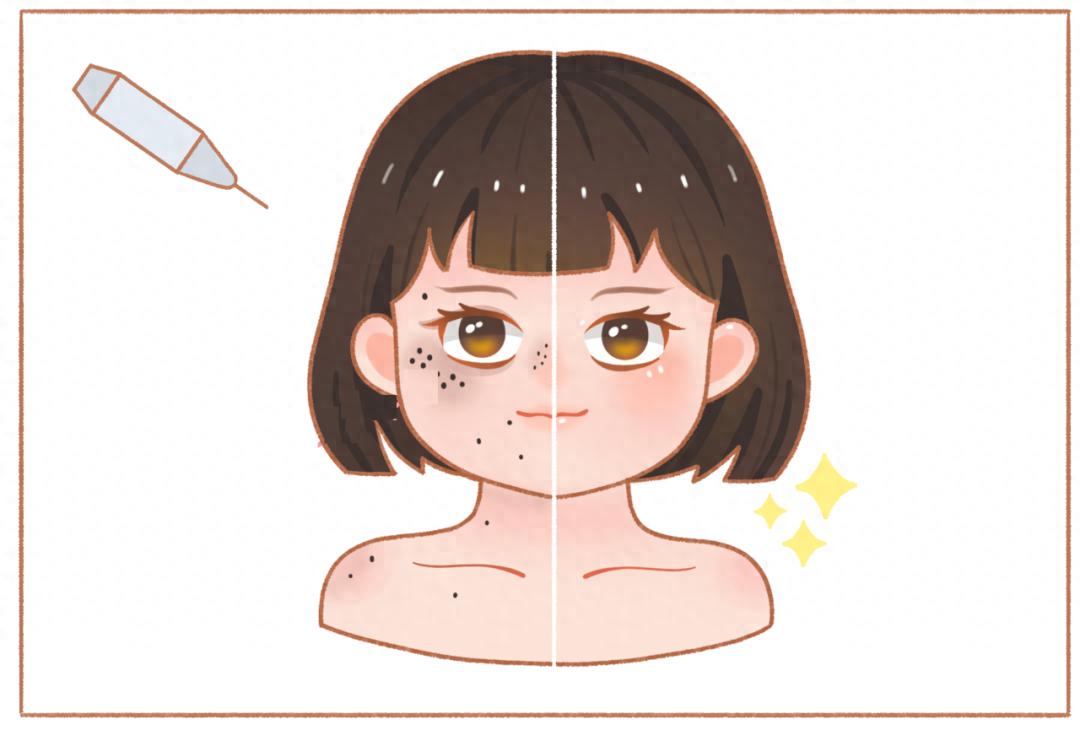
01 Where Do Melasma Come From
In traditional Chinese medicine theoryLong-term emotional distress and excessive stress can lead to "liver qi stagnation." "Qi" is the driving force behind blood circulation; when qi flow is obstructed, blood circulation is impeded, resulting in "blood stasis." When these stagnations manifest on the facial skin, they form melasma.
In addition to emotional factors, the formation of melasma also involves the following three aspects:Genetic SusceptibilityIf the mother or maternal relatives have melasma, the individual's likelihood of developing it is relatively higher;Ultraviolet irradiationOn the basis of genetic background, if sun protection is not emphasized, ultraviolet radiation can become an important factor in triggering or exacerbating the appearance of melasma.Changes in body hormonesDuring the special period of pregnancy, drastic changes in sex hormone levels can easily trigger melasma. This is why many women find melasma suddenly appearing during pregnancy.
02 Prevention and Treatment Methods for Melasma in Traditional Chinese and Western Medicine
Tranexamic acid tablets are currently recommended as first-line treatment in Western medical guidelines. Their core function lies in regulating the local skin microenvironment and inhibiting the overactivity of melanocytes. In clinical practice, oral tranexamic acid is often combined with topical medications, laser therapy, and other methods to establish a comprehensive treatment approach that addresses both internal and external factors.
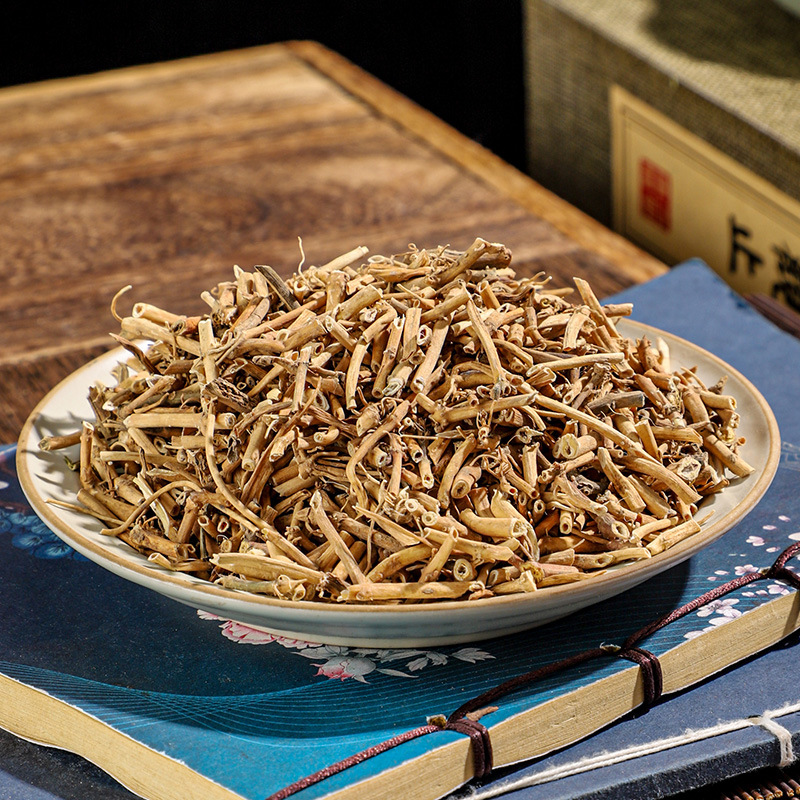
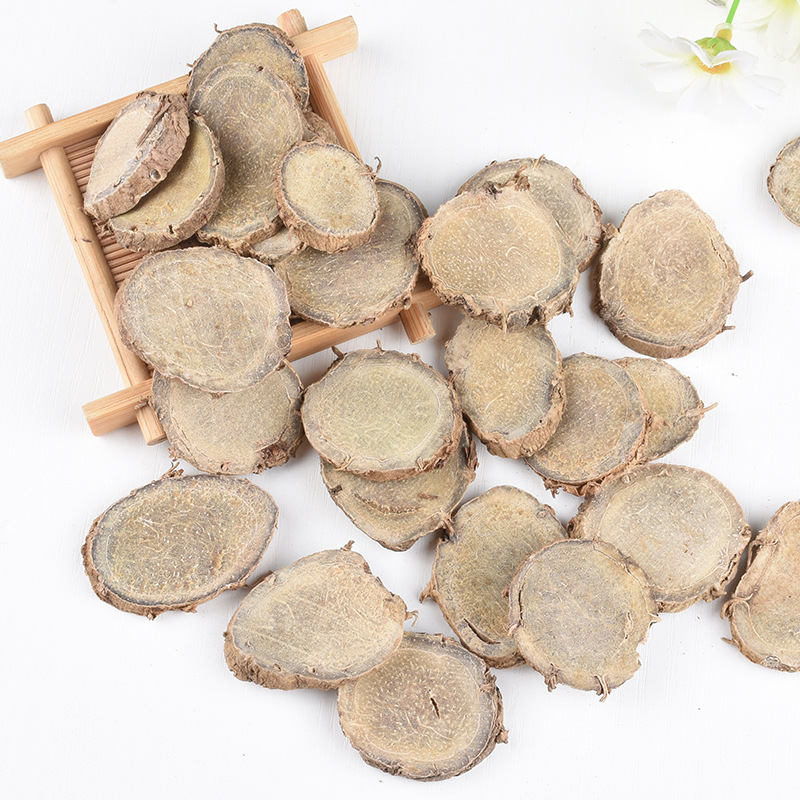
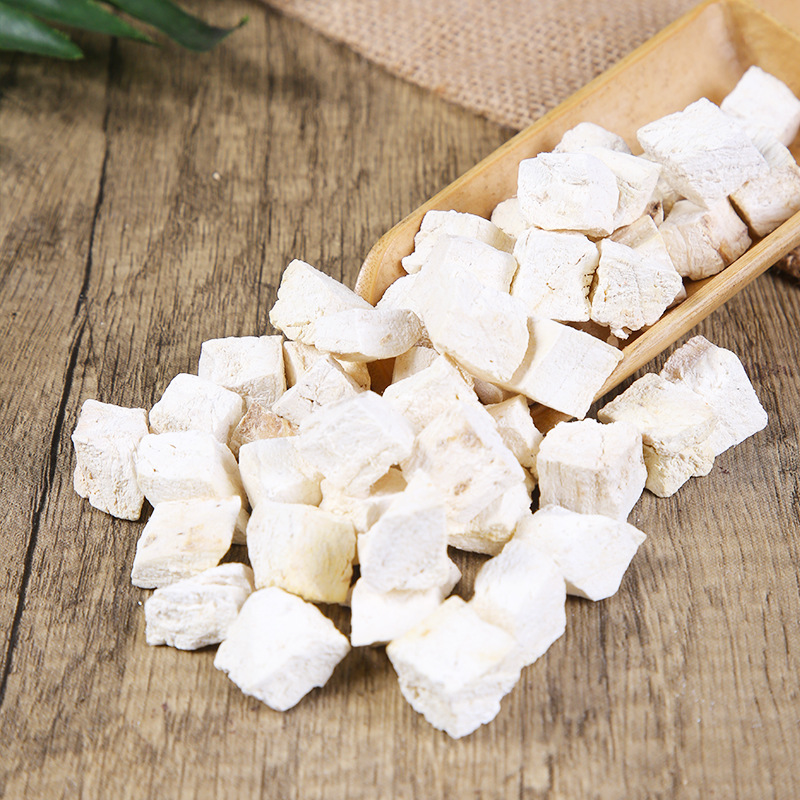
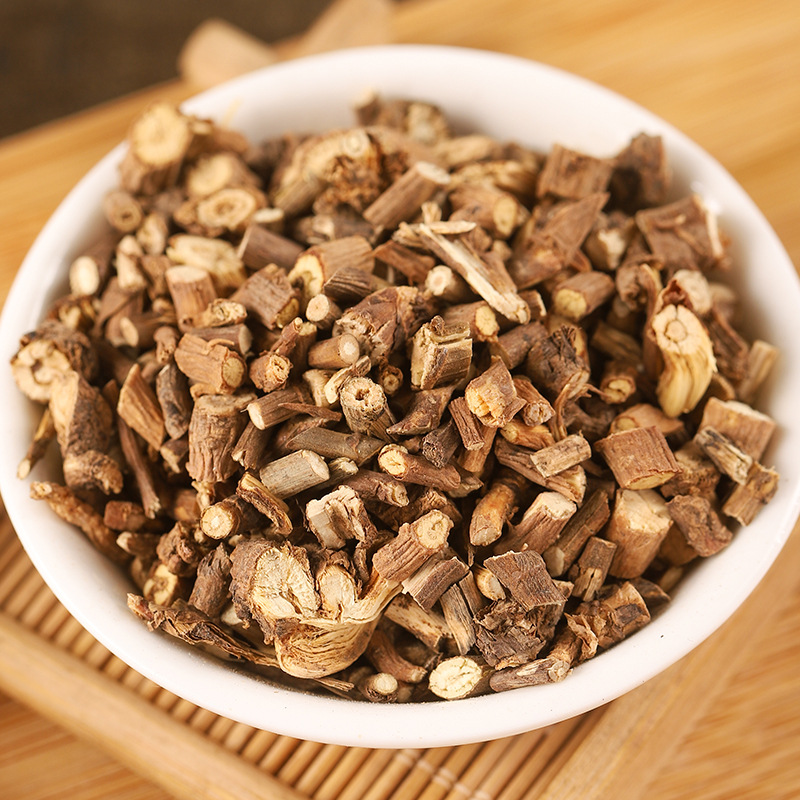
Traditional Chinese Medicine emphasizes syndrome differentiation and treatment, tailoring personalized oral decoctions based on the patient's specific constitutional types, such as "Liver Qi Stagnation Type," "Blood Stasis Type," and "Liver Depression and Spleen Deficiency Type," to regulate the body from within. Customized Chinese herbal masks can also help lighten melanin and improve basal inflammation, particularly suitable for facial basal redness and melasma in an unstable phase. Additionally, acupuncture applied locally to melasma areas can promote facial blood and Qi circulation, aiding in lightening spots and enhancing overall complexion.
For melasma, prevention is better than cure, and daily management is particularly crucial. The appearance of melasma often indicates some damage to the skin barrier. Consistently maintaining hydration and strict sun protection can keep melasma in a relatively stable state, even with a genetic predisposition. Learning to release stress, maintain a cheerful mood, and avoid prolonged states of "liver qi stagnation" is an important part of preventing melasma at its root.