Have you ever had such an experience: after exercise, muscle soreness is unbearable, and you start to doubt whether you are even suitable for exercise? Or after long hours of desk work, you are troubled by back and neck pain? Pain is a subjective sensation that everyone experiences. What should you do when facing pain? Broad Street experts will help you re-understand the sensation of pain, learn non-drug pain relief methods, unlock good preventive habits, and reveal the unexpected relationship between stress and pain.
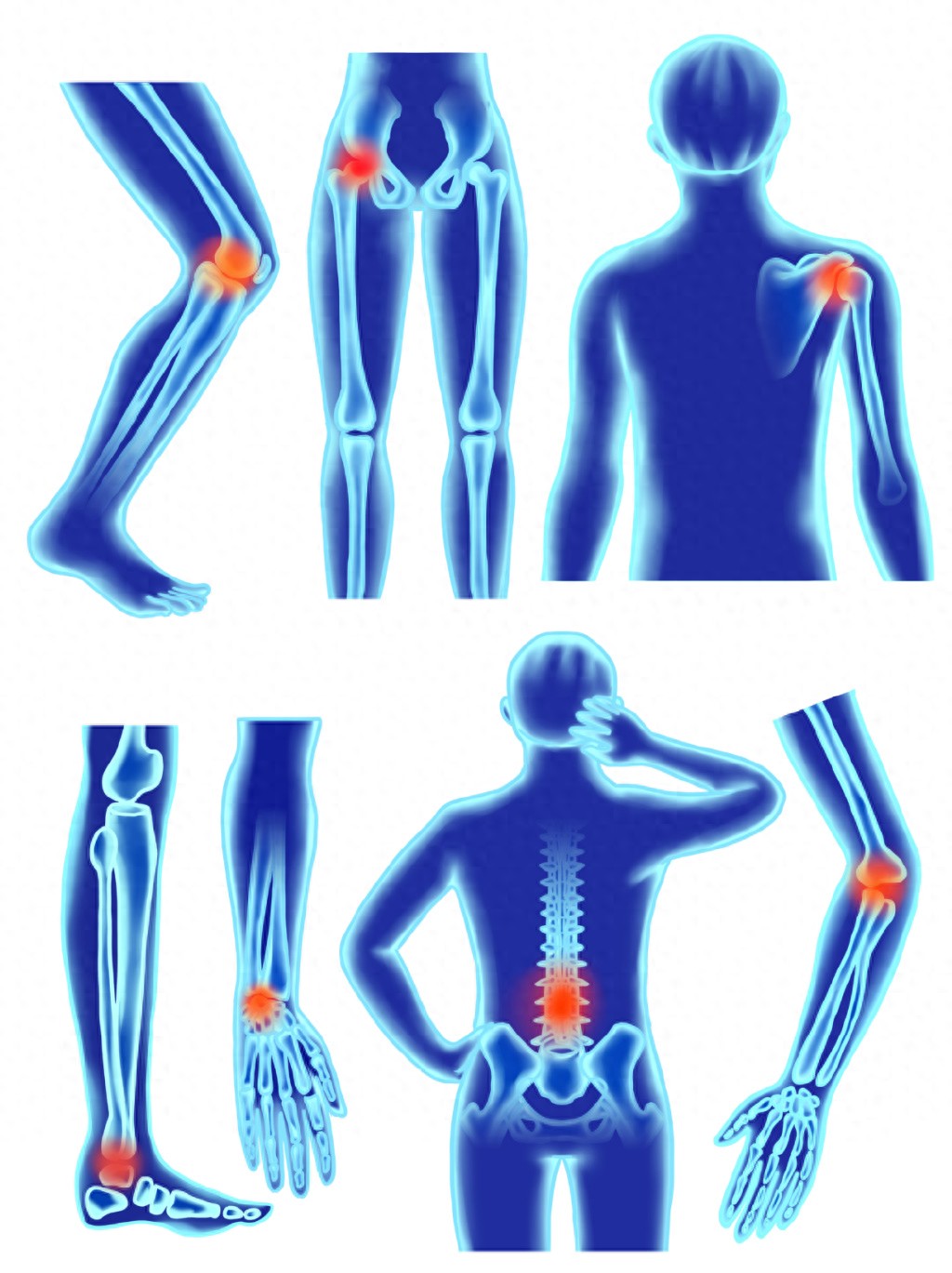
Q:What is the most common misconception regarding occasional headaches, neck and shoulder pain, and muscle soreness after exercise in healthy individuals? What are the long-term risks of ignoring these signals?
Answer:In clinical practice, it is common to observe patients, especially office workers, who hold two major cognitive misconceptions about pain. One is neglect and oversimplification, often dismissing headaches, neck and shoulder pain, or muscle soreness as minor issues, believing they can heal on their own through endurance or rest, or simply attributing them to aging, thereby ignoring the warning signals from the body. The other is excessive worry and over-examination, amplifying minor discomforts, experiencing heightened anxiety, repeatedly requesting various tests, or strongly demanding medication, which can easily lead to a tendency of "overtreating minor ailments."
Additionally, some people misinterpret exercise responses, fearing the normal muscle soreness after exercise (which is actually a tissue repair process) and mistakenly believing that inactivity is better, failing to recognize the long-term benefits of exercise for boosting metabolism, improving mental state, and enhancing sleep.
Pain is an important self-protection mechanism and warning signal of the human body. If ignored for a long time, it may affect work performance, and the decline in daytime work efficiency can further lead to impaired sleep quality at night. It may also cause pain to progress from acute to chronic, leading to "neural sensitization"—even if the original lesion is eliminated, the nervous system remains in a state of excitement, pain persists, and treatment becomes more complex.
Q:Many office workers suffer from neck and back pain due to the cumulative effects of poor sitting posture. From a medical perspective, what daily habits can healthy individuals adopt to prevent such pain?
Answer:Traditional Chinese Medicine believes that prolonged sitting harms the muscles, prolonged standing harms the bones, prolonged walking harms the tendons, prolonged staring harms the blood, and prolonged lying harms the qi. To avoid prolonged sitting, it is recommended to set a timer to force yourself to get up and move. You can optimize the workstation setup by ensuring the top of the monitor screen is at eye level, adjusting the height of the desk and chair so that the forearms are level with the desktop, and using a chair that provides good support to avoid frequent twisting and strain on the lower back caused by swivel chairs.
Also pay attention to the screen brightness and office lighting to avoid continuous stimulation of the eyes and body by strong light and blue light.
Daily exercise should strengthen the core muscle groups. It is important to note that the core muscle groups are a comprehensive system that includes the diaphragm, intercostal muscles, and lower back muscles, among others, and are not limited to the abdomen.
Timely management of acute pain is essential. Taking herpes zoster as an example, early standardized interventions (such as antiviral therapy, neuromodulation, and traditional Chinese acupuncture) should be emphasized to prevent progression to chronic pain.
Q:What are scientifically effective non-pharmacological pain relief methods?
Answer:Currently, the clinical field advocates the concept of multimodal analgesia, which involves the comprehensive application of various methods. The core principle of non-pharmacological analgesia is to combine multiple approaches, selecting and integrating them based on specific circumstances.
The fundamental measure is exercise, which, like a healthy diet, is foundational and can holistically improve mental outlook, musculoskeletal condition, sleep, and brain function. Auxiliary methods include breathing and meditation, temperature therapy, and traditional Chinese medicine techniques. Breathing and meditation can help the brain truly rest, combat uncontrolled thoughts, and improve brain health. Temperature therapy is relatively common; in the initial stages of acute injuries such as sprains, ice application is suitable to suppress inflammation, while for chronic strain and stiffness, heat application is appropriate for relief. Traditional Chinese medicine techniques, such as self-massage of specific acupoints and acupuncture, can assist in addressing common pain.
For example, working professionals can regularly massage the Jianjing acupoint. Place the opposite hand on the shoulder, and the highest, most fleshy point of the shoulder muscle you feel is the Jianjing acupoint. Press with the index and middle fingers until a sore and distended sensation is felt, then massage for 5 to 10 seconds and relax for 2 to 3 seconds. Repeat 5 to 10 times, alternating between both sides. This helps relax the neck and shoulder muscles and clear the mind. You can also perform waist adjustments by standing with both hands supporting the back of the waist and hips, gently pushing the waist forward with your hands while using your fingers to press the muscles on both sides of the spine (such as the area of the Shenshu acupoint). This relaxes the muscles by changing the curvature of the waist and counteracts anterior pelvic tilt caused by prolonged sitting.
Q:Pain is often associated with "mental distress." Can stress and emotions really trigger or worsen pain? How can tension headaches caused by anxiety and stress be relieved?
Answer:Multiple studies have confirmed that long-term stress and anxiety can indeed trigger or exacerbate physical discomfort such as tension headaches. Chronic stress leads to hormonal imbalances in the body, triggering a stress response. Over time, this can cause an imbalance in energy distribution, neglecting the needs of the limbs and joints, ultimately leading to physiological changes and pain. Traditional Chinese Medicine believes this is due to an imbalance of yin and yang insufficient yang energy during the day and yang failing to enter yin at night. Herbal medicines that soothe the liver and strengthen the spleen, such as rose, white plum flower, silk tree flower, and jasmine, can be used.
To thoroughly solve this problem, it is necessary for everyone to recognize that health is not only the absence of disease but also includes good psychological and social adaptation. This requires achieving comprehensive health through regular exercise, adequate sleep, a balanced diet, and normal social interactions.
Taking tension headache as an example, it is recommended that after waking up in the morning, you should first expose yourself to sunlight rather than your phone, engage in gentle stretching to activate your body and brain. During the day, focus on work to divert the brain areas activated by tension and anxiety; at night, create a soft lighting environment, reduce screen use, avoid overeating before bed, and communicate with family to help the brain switch to rest mode, establish a positive cycle, and gradually improve pain by leveraging the brain's plasticity.