As the autumn and winter seasons approach, the temperature difference between day and night gradually increases, and the weather slowly turns colder. During this time, our friends and family who are troubled by issues such as hypertension and coronary heart disease may be facing new challenges. Why are cardiovascular and cerebrovascular diseases more likely to occur in autumn and winter? How can we take good care of our health and safely get through the cold winter?
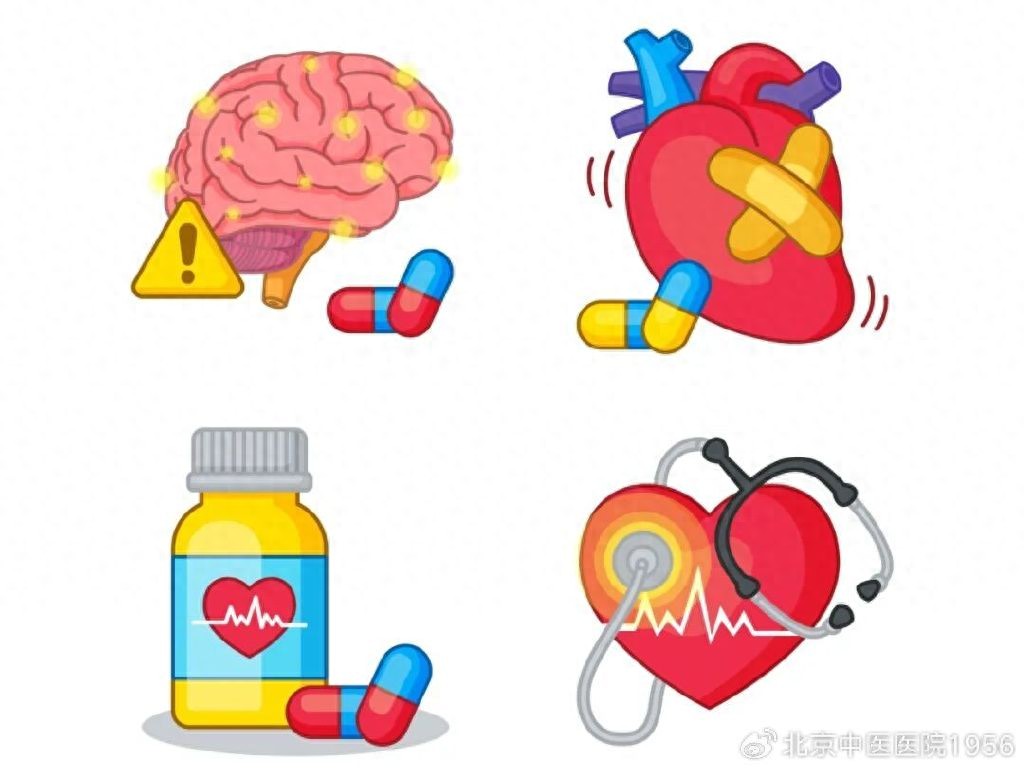
Why are cardiovascular and cerebrovascular systems particularly vulnerable in autumn and winter
Cardiovascular and cerebrovascular diseases are highly prevalent in autumn and winter, which is closely related to weather changes. A vivid analogy is "thermal expansion and contraction." Specifically, lower temperatures cause blood vessels to constrict, leading to increased blood pressure and placing a greater burden on the heart. Additionally, reduced water intake in autumn and winter increases blood viscosity and slows blood flow. Coupled with factors such as decreased physical activity, a tendency toward greasier diets, and susceptibility to low mood, these conditions collectively contribute to the high incidence of cardiovascular and cerebrovascular issues during this time.
To address these challenges, remember a catchy rhyme: "In autumn and winter, nourish blood vessels, keeping warm is the first step; eat light, drink plenty of water, and maintain a calm mindset as the key." Keeping warm is crucial, especially protecting the head, neck, and feet from cold. When getting up in the morning, you can draw inspiration from the ancient wisdom of "sitting on the bed to observe one's condition," which involves sitting quietly on the bed for a minute to feel your body's state, then rising slowly to provide necessary buffer time for the cardiovascular system.
Which groups of people need to be particularly vigilant
The high-risk group for cardiovascular and cerebrovascular diseases is mainly concentrated in middle-aged and elderly people over 50 years old, especially those who already suffer from hypertension, diabetes, hyperlipidemia, or have obesity, smoking habits, or a family history. However, it is worth noting that due to high work pressure and irregular daily routines, the age of onset among young people is also showing a trend of becoming earlier. Therefore, regardless of age, it is crucial to establish a proactive awareness of prevention. Common cardiovascular and cerebrovascular diseases that require special attention during autumn and winter include hypertension, coronary heart disease, angina pectoris, myocardial infarction, cerebral infarction, cerebral hemorrhage, heart failure, and atrial fibrillation.
Understand the Body's Warning Signals
We must learn to recognize the body's warning signals. Before many serious illnesses occur, the body often issues a "final warning," but many people ignore it. For example, a "mini-stroke" (medically known as TIA, or transient ischemic attack) is an important precursor to a stroke. Its typical characteristic is that it "comes and goes quickly," with symptoms similar to those of a stroke, such as sudden numbness in one side of the limbs, slurred speech, dizziness, blurred vision, etc. However, it usually resolves completely within 24 hours, or even within minutes. Precisely because the symptoms disappear quickly, it is easily overlooked. Without intervention, the risk of a subsequent "major stroke" is very high.
Therefore, once the body shows signs of "three no's and one must," it is essential to seek medical attention promptly: that is, the body not obeying commands (such as numbness or weakness on one side), unclear speech, persistent chest tightness and pain, or a sudden severe headache unlike any experienced before. Rescuing the heart and brain requires racing against time. Remember, "it is better to be safe than sorry." A moment of vigilance may secure a lifetime of peace.
The Three Character Classic for Protecting the Heart and Brain in Daily Life
The key to preventing cardiovascular and cerebrovascular diseases lies in the details of daily life. Remember the "Three-Character Classic" for protecting the heart and brain:
1. "Keep the head and neck warm, maintain a broad mindset"
Keeping warm is the top priority, but maintaining a warm mood is equally important. Avoid drastic emotional fluctuations, as staying calm and composed is the best blood pressure medicine.
2. Eat light and exercise regularly
In terms of diet, it is important to listen to the "opinions" of the heart and blood vessels, which prefer light and balanced meals, and adhere to a low-salt diet. The "rainbow diet method" can be adopted to make the plate as colorful as possible, incorporating a variety of colored vegetables and fruits. Regarding the traditional practice of "autumn fattening," modern people especially need to view it scientifically. For individuals who are overweight, have abnormal indicators such as blood pressure, blood sugar, and blood lipids, or already have underlying cardiovascular and cerebrovascular diseases, blindly consuming high-fat, high-calorie foods can actually increase the burden on blood vessels, akin to "adding fuel to the fire." For modern people, autumn and winter nourishment should focus not on "fat" but on "nutrition" and "smooth circulation."
In terms of exercise, it is advisable to follow the principle of "calmness and moderation," achieving the goal of "exercising after sunrise and stopping when slightly sweating." It is best to wait until the sun rises before starting exercise, and continue until the body breaks into a light sweat and feels comfortable, such as brisk walking or Tai Chi.
3. Stable blood pressure, regular check-ups
For individuals with existing hypertension, extra caution is needed during winter. It is essential to measure blood pressure regularly each day, strictly adhere to prescribed medication, avoid arbitrarily discontinuing medication, and attend regular follow-up appointments. Additionally, it is important to avoid getting up too quickly in the morning.
In summary, keep warm and avoid catching cold, eat a rainbow of foods, exercise in the sunlight, maintain a relaxed mindset, and follow medical advice when taking medication. By adhering to these principles, we can provide our cardiovascular and cerebrovascular systems with the most fitting "warm clothing," allowing us to peacefully and steadily enjoy the serene beauty of each autumn and winter, while taking primary responsibility for our own health.