Do you often feel dizzy, have headaches, or easily get fatigued? Do you experience blurred vision or difficulty concentrating after exertion? These could all be signals of abnormal blood pressure.
Long-term uncontrolled hypertension is a persistent damage to target organs such as the heart, brain, kidneys, and eyes. Its hazards mainly include cerebrovascular damage (such as stroke), cardiac damage (such as coronary heart disease, myocardial infarction, left ventricular hypertrophy, and heart failure), renal damage (such as hypertensive nephropathy), as well as peripheral arterial and fundus damage.
Q: How does hypertension lead to heart failure
1. Pressure overload
Long term excessively high blood pressure means that each time the heart pumps blood into the aorta it faces an abnormally large resistance that is the left ventricle must exert greater force to pump the blood out
2. Compensatory myocardial hypertrophy
In response to this sustained pressure load, myocardial cells undergo compensatory hyperplasia, leading to thickening of the left ventricular wall and an increase in myocardial mass, known as "left ventricular hypertrophy (LVH)." Initially, this is a beneficial compensatory mechanism, akin to making the myocardium "stronger" to maintain normal pumping function.
3. Cardiac Remodeling and Functional Decline
Pathological hypertrophy leads to myocardial fibrosis, resulting in impaired diastolic function of the heart, meaning the heart cannot effectively relax and fill with blood during diastole. Although patients may not yet exhibit obvious symptoms, the heart's reserve function has already declined, placing them in the early stage of "heart failure with preserved ejection fraction (HFpEF)." This type of heart failure is extremely common in hypertensive patients.
4. Decompensation and Cardiac Enlargement
When the compensatory mechanisms are exhausted, the hypertrophic myocardium eventually loses its elasticity. Myocardial contractility begins to decline, the heart chambers passively enlarge, but the pumping efficiency (ejection fraction) significantly decreases, entering the stage of "heart failure with reduced ejection fraction (HFrEF)."
Therefore, controlling blood pressure is the "first line of defense" in preventing heart failure.Effective blood pressure reduction can alleviate cardiac load from the source, directly preventing left ventricular hypertrophy and cardiac remodeling. Studies have shown that for every 5mmHg reduction in systolic blood pressure, the risk of heart failure can be reduced by approximately 12%.
No matter which stage you are in, controlling blood pressure yields significant benefits: when there is no heart failure, it prevents the occurrence of heart failure; when left ventricular hypertrophy appears, it can delay or even reverse myocardial remodeling, preventing the condition from progressing to heart failure; after heart failure has occurred, strict control of blood pressure remains the cornerstone treatment for delaying disease progression, reducing rehospitalization rates, and lowering mortality.
Q: What are the warning signs of heart failure that the body may send
1. Difficulty breathing (shortness of breath) - the most core and common signal
Progressive worsening of shortness of breath after activityIt is an early typical manifestation of left heart failure, characterized by progressive worsening of shortness of breath that is disproportionate to the level of activity.
Paroxysmal Nocturnal DyspneaIt is a more characteristic signal. Patients often suddenly wake up due to chest tightness and shortness of breath 1-2 hours after falling asleep at night, forced to sit up, breathe rapidly, and open the window to take deep breaths for a few minutes to half an hour before gradually relieving. The reason is that when lying flat, the amount of blood returning to the heart increases, aggravating pulmonary congestion.
Orthopnea:When the condition worsens, the patient cannot lie flat and needs to elevate the pillow or even sit half-upright or upright to breathe smoothly.
2. Body swelling (edema)
It usually appears on both ankles and the front of the lower legs. When pressing the swollen area with a finger, a depression forms on the skin and rebounds slowly ("pitting edema"). In severe cases, the edema may extend upward to the thighs, lumbosacral region, or even the entire body. The cause is systemic congestion and water-sodium retention due to right-sided heart failure.
3. Persistent unexplained fatigue and weakness
Feeling persistent and unusual fatigue that is difficult to fully recover from even after rest. This fatigue is caused by reduced blood pumping from the heart, leading to long-term insufficient blood and oxygen supply to important organs such as muscles and the brain. Patients may even struggle to complete simple household chores.
Differentiating Heart Failure "Shortness of Breath" from General "Physical Weakness":Cardiac shortness of breath is activity-related and progressively worsens, aggravated when lying flat and relieved when sitting up, often accompanied by edema or cough; whereas asthenic dyspnea is relatively stable, unrelated to posture, and can be relieved after rest.
Q: Autumn and winter are the "devil season" for cardiovascular diseases
Autumn and winter are high incidence periods for cardiovascular diseases.Cold stimulation causes peripheral vasoconstriction, leading to elevated blood pressure, which may trigger vascular spasms or increase the risk of thrombosis. Secondly, lifestyle changes such as uncontrolled diet (high-salt, high-fat foods), reduced physical activity, emotional fluctuations, and the high incidence of respiratory infections serve as contributing factors.
From the perspective of TCM's "correspondence between man and nature," the core of heart protection in autumn and winter is "avoiding cold, nourishing storage, and strengthening the foundation."In terms of diet, it is advisable to moisten dryness and nourish yin (such as consuming tremella and lily), moderately warm yang, reduce salty foods and increase bitter ones; in daily life, go to bed early and rise late, avoid cold and seek warmth, and pay attention to keeping the head, neck, and back warm; for exercise, choose gentle activities in the afternoon such as walking; in terms of emotions, maintain tranquility.
In addition to lifestyle, it is important to monitor health, adhere to medication, learn to recognize critical signals, and master emergency steps.
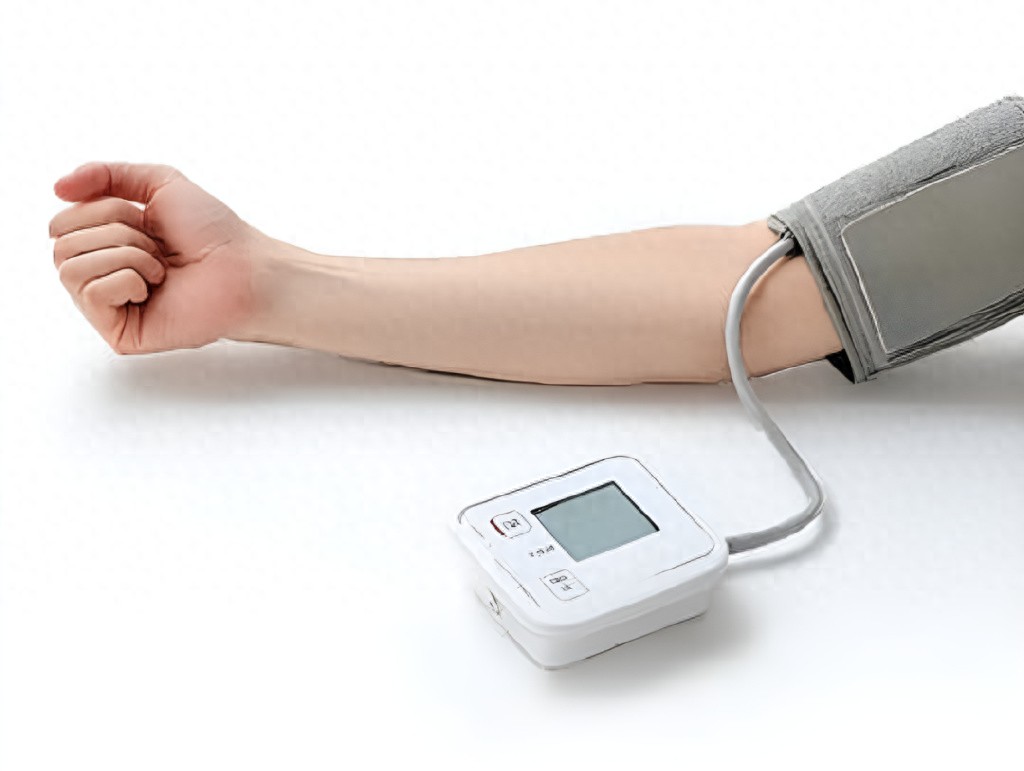
In autumn and winter, monitoring blood pressure requires adhering to the principle of "four constants and one record"Fixed time (before taking medication in the morning and before bedtime), fixed location (right upper arm), fixed posture (sitting position), fixed equipment (upper arm electronic blood pressure monitor), and record the results.
Hypertension patients are strictly prohibited from adjusting their medication dosage on their own.Self-discontinuation or dose reduction may lead to blood pressure rebound or crisis. Medication regimens require professional customization, and self-adjustment can easily cause side effects.
⚠️ Attention: In case of emergencies such as chest pain, severe headache, or severe shortness of breath, follow the "Four Steps of First Aid": immediately stop all activities and rest in a semi-reclining position; quickly call emergency services to describe the condition; if angina is diagnosed, nitroglycerin can be taken sublingually, but do not use medication arbitrarily; ensure ventilation and wait for professional emergency personnel.