Urinary tract stones are a common and frequently occurring disease in urology. With the improvement of living standards, changes in dietary structure, and the popularization of physical examinations, the incidence of stones is increasing year by year, approximately ranging from 1% to 5%. Faced with this health risk, how should we correctly understand and respond to it
01 Where Do Stones Come From How to Deal with Them
Stones are mainly caused by excessively high concentrations of certain components in urine, increased intake or reduced urine output, and urinary tract obstruction leading to poor excretion. The occurrence of kidney stones is a complex result of multiple factors, including genetics, metabolism, infection, environment, diet, anatomy, and medication. The human body excretes approximately 1500 milliliters of urine daily, containing waste products such as urea, uric acid, creatinine, various acidic substances, and various salts. These substances are present in high concentrations in urine. If the urine volume is too low, substances with lower solubility, such as calcium oxalate, calcium phosphate, uric acid, and magnesium ammonium phosphate, can form crystals—tiny stones. Typically, these tiny stones are excreted without the person being aware. Under the long-term influence of pathogenic factors, these crystals continue to grow, eventually developing into clinically significant kidney stones.
After the discovery of stones, not all require active intervention, but treatment should be determined based on the stone's location, size, and its impact on the body.
Sometimes it can coexist with stones, but it must be taken seriously because after the discovery of stones, there are three possibilities
1. Remain unchanged and coexist peacefully;
2. Gradually increasing in size, obstructing the urinary tract, leading to elevated creatinine levels, and affecting health;
3. The stones are expelled, but recurrence is possible (10-year recurrence rate 50%, 20-year recurrence rate 100%).
02 Stone Classification and "Alarm Signals"
Urinary stones are classified by location into kidney stones, ureteral stones, bladder stones, and urethral stones. Kidney stones are further divided into calyceal stones and renal pelvic stones; ureteral stones are classified into upper, middle, and lower segment stones.
Stone symptoms are diverse
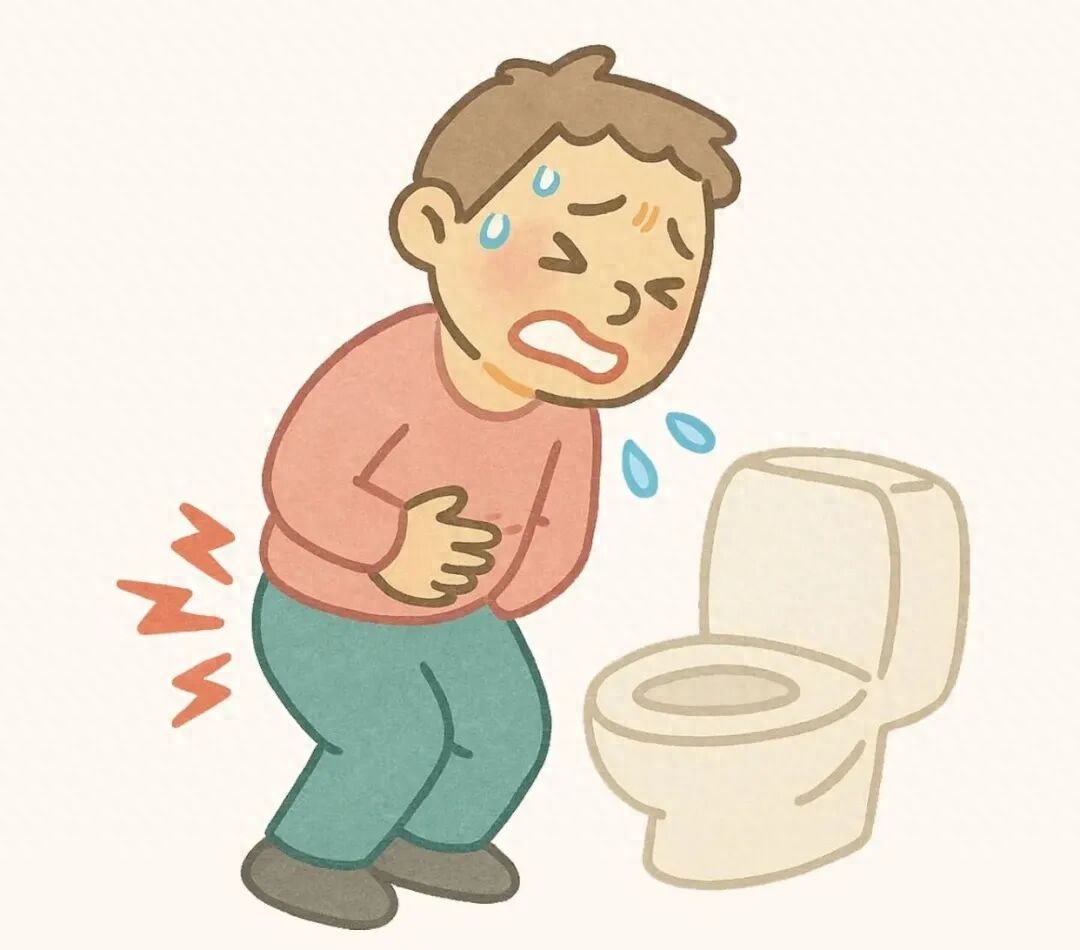
(1) Renal colic: Renal colic is a typical symptom of kidney stones, usually occurring suddenly on one side of the lower back after exercise or at night, with severe pain often described as "knife-like." It may also be accompanied by pain in the lower abdomen and inner thigh, nausea, vomiting, and pallor. Patients are restless and in great distress. The cause of renal colic is the blockage of the renal pelvis or ureter by kidney stones during their passage. Many patients experience dull or distending pain in the lower back. After the pain subsides, some patients may notice stones passed in the urine.
(2) Hematuria: Approximately 80% of patients with stones experience hematuria, among which only a portion can visibly detect red urine, while the majority can only be identified through urine testing.
(3) Asymptomatic: Many patients are incidentally found to have kidney stones during physical examinations without any symptoms.
(4) Hydronephrosis: Stones block the renal pelvis and ureter, obstructing urine flow and causing hydronephrosis. Some cases of hydronephrosis may present no symptoms. Long-term hydronephrosis can lead to impaired kidney function on the affected side. Severe bilateral hydronephrosis may result in uremia.
(5) Fever: Kidney stones can be caused by bacterial infection (infectious stones) or can induce bacterial infection, leading to fever. Because stones obstruct the flow of urine, bacteria cannot be expelled in time, which can lead to sepsis in severe cases, endangering life.
Asymptomatic Stones Require Increased Vigilance
For asymptomatic stones, extra vigilance is particularly necessary. Some patients with small stones mistakenly believe they are cured and stop taking medication once the pain disappears after treatment, which is a misconception. The relief of pain may be due to small stones becoming lodged in the ureter and not moving, but stone blockage can easily lead to hydronephrosis and irreversible kidney damage. Therefore, patients with ureteral stones typically require continuous medication for two weeks and follow-up visits; if the stones have not moved, even if there is no pain, they should be re-examined every 3 to 6 months.
03 What are the treatment methods for stones
The treatment of stones depends on their impact on the body. Treatment can be summarized as "treating the symptoms in acute cases and addressing the root cause in chronic cases." First, address urgent issues such as pain, infection, hydronephrosis, and elevated creatinine levels, then focus on the stones themselves. Typically, asymptomatic kidney stones may be monitored, while ureteral stones, urethral stones, and bladder stones often require intervention.
The treatment methods for stones are diverse, with core principles includingDissolving stones, expelling stones, crushing stones, removing stones, and preventing stonesThe main specific methods are threefold:
1. Medicinal Stone Expulsion (Throughout the Entire Process): Medicinal stone expulsion is suitable for individuals with stones smaller than 0.6 cm in diameter, no obstruction in the ureter below the stone, no significant hydronephrosis, normal creatinine levels, and no fever. Medicinal stone expulsion can last for a maximum of 1 to 2 months. If the stone is not expelled, other methods should be considered.
2. Extracorporeal Shock Wave Lithotripsy: Extracorporeal shock wave lithotripsy breaks large stones into smaller ones, facilitating their expulsion. Smaller stones and those located lower in the urinary tract are easier to pass.
3. Surgical Stone Removal: Such as ureteroscopy, percutaneous nephrolithotomy, laparoscopy. Surgical lithotripsy is highly efficient, suitable for patients with fast-paced lifestyles who require quick resolution, and can be completed in as little as two days. Theoretically, all stones can be treated surgically, but the patient's ureteral condition and stone burden must be considered.
04 How to Stay Away from Stones
To prevent stones, it is essential to ensure adequate urine output to facilitate the excretion of metabolites. Additionally, targeted prevention can be implemented based on the composition of the stones. Stones are composed of crystals (such as calcium oxalate, calcium phosphate, uric acid, and magnesium ammonium phosphate) and matrix, with varying proportions of different stone components (for example, calcium oxalate/calcium phosphate stones have a high crystal content). Visiting the urology department for stone composition analysis can help clarify the composition, thereby enabling more effective prevention strategies.
In summary, when dealing with urinary tract stones, we should neither panic excessively nor ignore them. Scientific understanding, regular monitoring, standardized treatment, and effective prevention are key to safeguarding the health of the urinary system.