October 8 marks the fifth solar term of autumn—Cold Dew. Cold Dew is the first solar term in autumn that includes the character "cold," signifying the transition from cool to cold weather. After the Cold Dew solar term, days become shorter and nights longer, with the temperature difference between day and night further widening. The chill in the morning and evening becomes more noticeable, and autumn dryness becomes more pronounced. In southern regions, the autumn atmosphere gradually deepens, with refreshing breezes and dry, rainless weather. In the northeastern and northwestern parts of northern China, frost blankets the land, hinting at the arrival of winter. After Cold Dew, the yang energy in nature further recedes, while yin energy gradually strengthens. Health preservation should focus on preventing cold and keeping warm, nourishing yin and moistening dryness, while also paying attention to regulating emotions to adapt to the changing climate.
In terms of daily routine, one should follow the principle of "going to bed early and rising early, in sync with the rooster" to align with the convergence of yang energy. At this time, it is particularly important to guard against cold and keep warm. The recommended dressing method is "inner layer snug, middle layer loose, outer layer sealed": the inner layer should be soft and close to the skin to enhance insulation; the middle layer should be loose and moisture-absorbent to maintain dryness; the outer layer must be windproof, preferably with sealed designs at the collar, cuffs, waist, and ankles to protect the neck, wrists, waist, and ankles from cold and wind. Traditional Chinese medicine believes that the feet are where the three yin meridians and three yang meridians of the foot pass through. After the Cold Dew, it is especially important to prevent "cold entering from the feet." Every night, one can soak their feet in warm water and massage acupoints such as Taichong, Taibai, and Taixi to warm and unblock the three yin meridians of the foot, thereby enhancing cold resistance. In addition to foot soaking, moxibustion on the Yongquan acupoint can also be performed to nourish yin, tonify the kidneys, and regulate the Chong and Ren meridians.
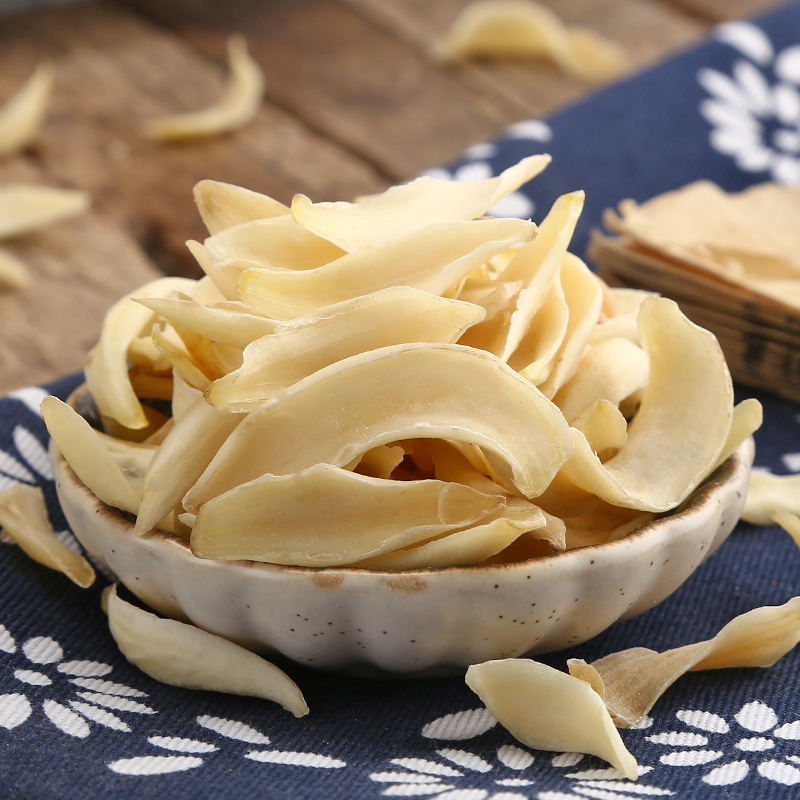
In terms of diet, the focus should be on nourishing yin to prevent dryness, moisturizing the lungs, and benefiting the stomach. During the Cold Dew season, dryness is prevalent and most likely to harm the lungs, spleen, and stomach. It is advisable to consume more soft and moist foods such as pears, apples, grapes, lily bulbs, white fungus, and lotus roots. For breakfast, warm foods like hot porridge made from rice or millet are recommended to strengthen the spleen and stomach and replenish vital energy. It is best to avoid raw, cold, spicy, and dry-heat foods. There is a folk tradition of eating sesame during Cold Dew. Black sesame seeds, with a sweet taste and neutral nature, have the effects of nourishing the liver and kidneys, replenishing essence and blood, and moistening intestinal dryness. Additionally, it is appropriate to consume some sour fruits and vegetables such as citrus and pomegranates, which help to astringe lung qi and promote the smooth flow of liver qi.
During the Cold Dew season, the wind rises and leaves fall, which can easily trigger emotional fluctuations. At this time, simple movements such as rubbing the sides of the chest and expanding the chest can help to soothe the chest, regulate qi, promote blood circulation, and unblock the meridians, thereby easing the mind. It is recommended to engage in more outdoor activities, such as hiking, admiring chrysanthemums, walking, jogging, and practicing Tai Chi, to promote the smooth flow of qi and blood and regulate the spirit. Exercise should not be excessive; a light sweat is sufficient to maintain the internal retention of yin fluids.
Cold Dew is a critical period of transition from late autumn to winter, with health preservation focusing on preventing cold, moisturizing dryness, conserving yang, and maintaining balance, laying a solid foundation for a peaceful entry into winter.