Finding out you have fatty liver, feeling a bit panicked? Don't panic just yet—fatty liver is not unbeatable. Whether through the precise strategies of modern medicine or the clever adjustments of traditional Chinese medicine, there are many effective methods to help us "shed the fat." Today, let's explore how the combined prevention and treatment strategies of both Chinese and Western medicine can each showcase their unique strengths.
Comprehensive Intervention Medical Monitoring
Currently, it mainly relies on comprehensive intervention: weight loss, exercise, diet control, and risk factor management. Simply summarized in 12 words:Control weight, manage diet, exercise regularly, and check periodically.
Control body weight
Weight loss is widely recognized as one of the key measures to improve fatty liver disease. A weight reduction of 3% to 5% can reverse fatty liver, a reduction of 7% to 10% can improve steatohepatitis, and a weight loss of more than 10% may even reverse liver fibrosis. It is recommended that overweight or obese individuals maintain a BMI below 24.0 kg/m², with a waist circumference of less than 90 cm for men and less than 85 cm for women. Weight loss should be gradual, with a recommended rate of 0.5 to 1 kilogram per week.
Control your mouth
Prevention and treatment of fatty liver disease require "30% treatment and 70% care." In terms of diet, it is essential to maintain a balanced diet that is low in sugar and fat, with moderate protein intake. Increase consumption of vegetables, whole grains, and high-quality protein, while avoiding greasy, high-sugar foods and alcohol. It is recommended to eat vegetables first, followed by meat, and finally staple foods to control portion sizes. Additionally, maintain regular eating habits, chew food slowly and thoroughly, and avoid overeating. Abstain from alcohol or strictly limit alcohol consumption.
Move your legs
Exercise is the most economical "good medicine for liver protection". Engage in at least 150 minutes of moderate-intensity aerobic exercise per week, such as brisk walking, swimming, cycling, etc., combined with strength training twice a week, and reduce sedentary time. Exercise must be combined with diet. Combined treatment is more effective for patients with fatty liver than diet or exercise alone, and relying solely on exercise cannot improve liver inflammation and fibrosis. In addition, other good lifestyle habits are also important: maintain a regular schedule and avoid staying up late; reduce stress and relax, keep emotions smooth; reduce takeout, use medication with caution, etc.
Regular check-ups
While lifestyle interventions are implemented, Western medicine also emphasizes regular medical monitoring, such as non-invasive tests like liver function tests, B-ultrasound, or liver transient elastography (FibroScan). This is to understand the treatment effectiveness and prevent the progression of fatty liver disease. For patients with comorbid hyperlipidemia, hyperglycemia, or overweight, doctors may prescribe lipid-lowering drugs, hypoglycemic agents, liver-protecting drugs, antioxidants like vitamin E, etc., to improve the degree of hepatic steatosis based on individual conditions. However, it is important to note that there are currently no specific drugs that can directly eliminate liver fat, and all medications should be used under the guidance of a doctor.
TCM syndrome differentiation and treatment: regulating the liver and strengthening the spleen, resolving phlegm and dispelling dampness
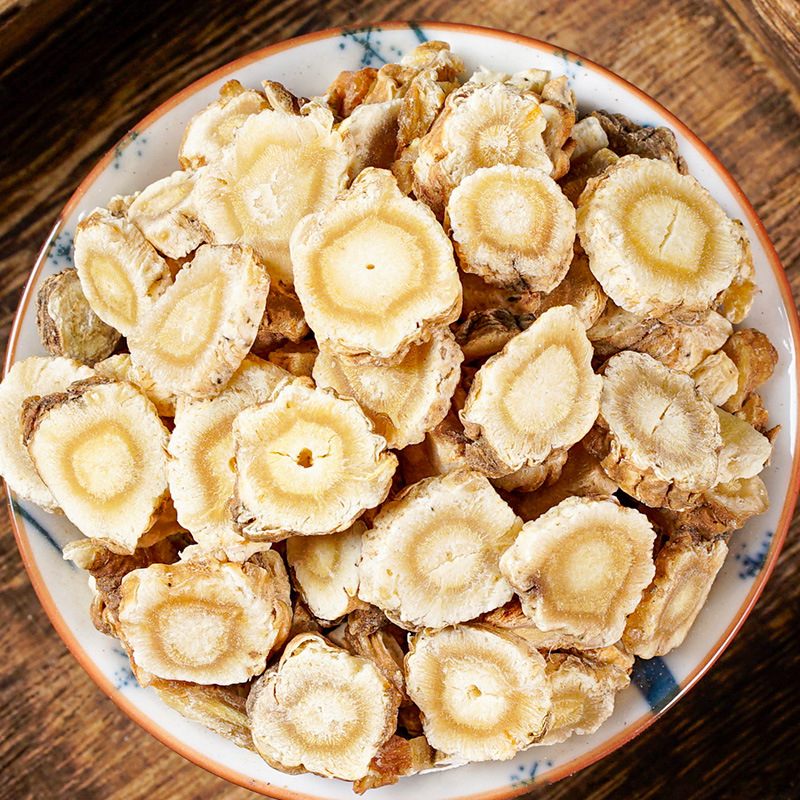
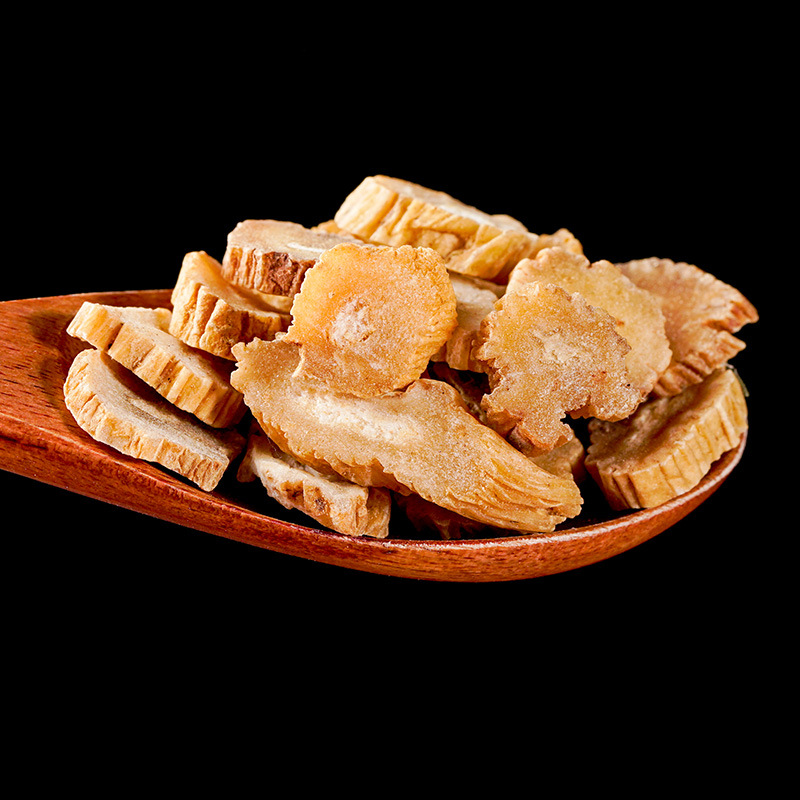
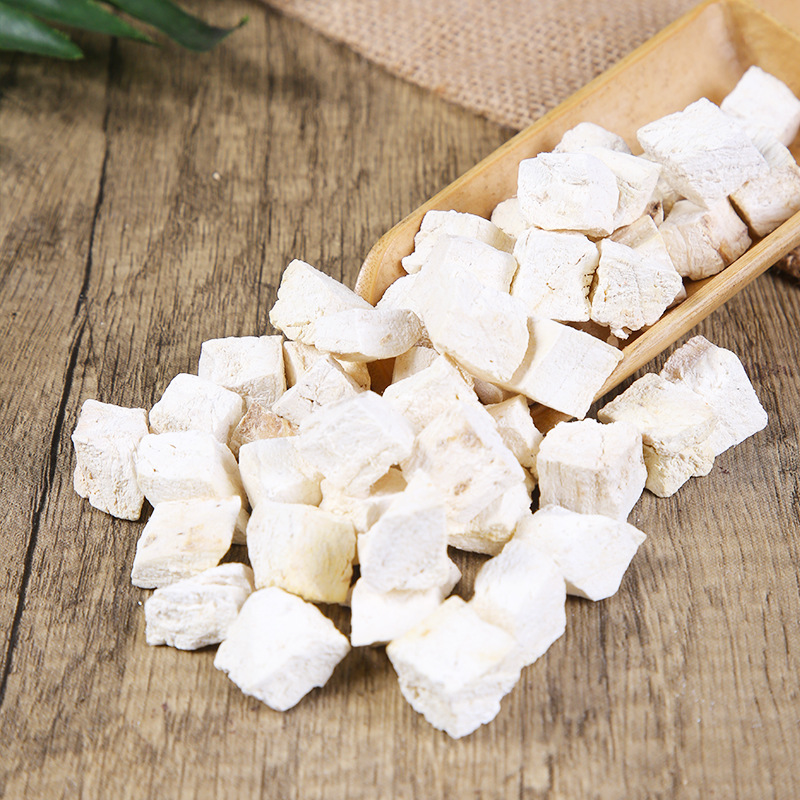
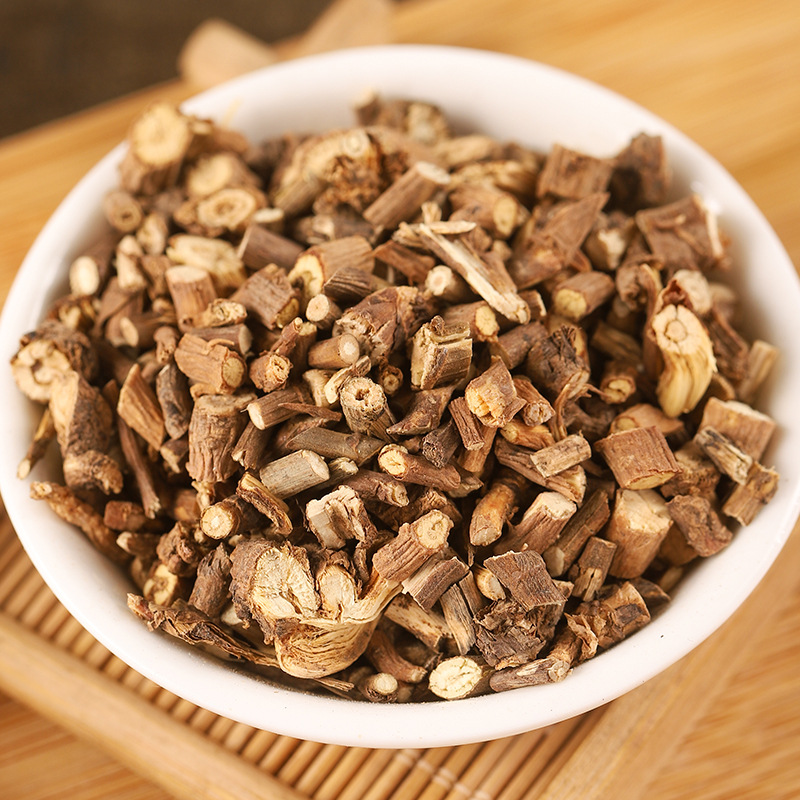
Traditional Chinese Medicine emphasizes syndrome differentiation and treatment in the management of fatty liver disease. Common patterns include liver depression and spleen deficiency, phlegm-dampness internal obstruction, and damp-heat accumulation. For instance, individuals with liver depression and spleen deficiency require soothing the liver and strengthening the spleen, while those with phlegm-dampness internal obstruction need to resolve phlegm and eliminate dampness. A typical example is the hospital preparation "Jianpi Shugan Wan" from Beijing Hospital of Traditional Chinese Medicine, Capital Medical University, which is composed of medicinal herbs such as Codonopsis pilosula, Atractylodes macrocephala, and Bupleurum chinense, aiming to strengthen the spleen, boost qi, soothe the liver, and relieve depression.
In addition to oral administration of traditional Chinese medicine decoctions or pills, distinctive TCM therapies such asAcupuncture, Application, Catgut Embedding, Auricular Acupressure, Cupping, MoxibustionMultiple approaches are combined to treat fatty liver disease.
However, it is important to note that these therapies should be administered by professional physicians and are not suitable for everyone.
In addition, special attention should be paid to the maintenance of fatty liver during autumn and winter.
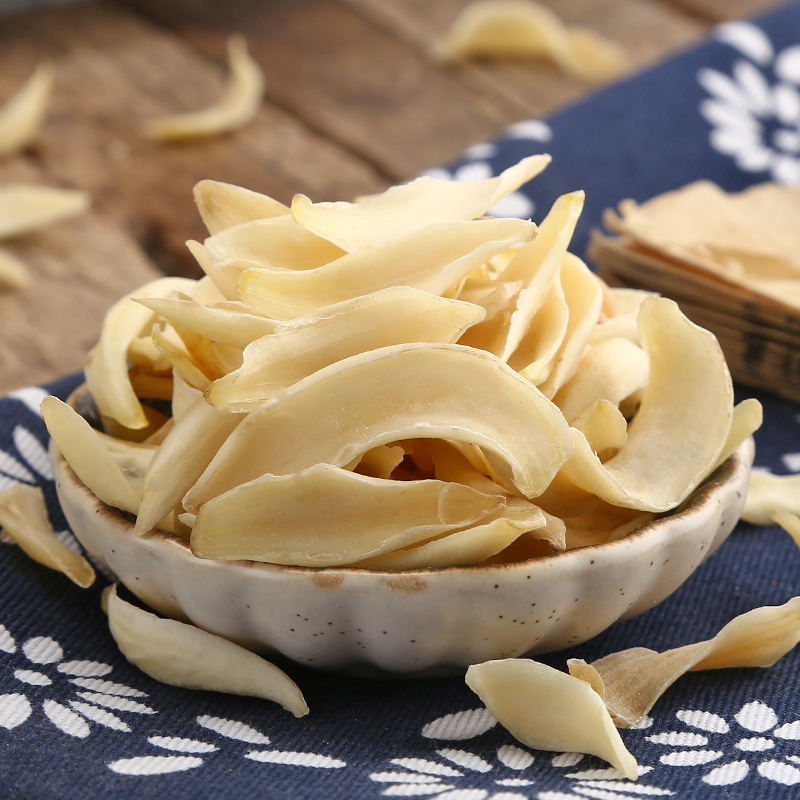
In terms of diet, avoid excessive supplementation; consume warm and nourishing foods in moderation, but pair them with vegetables and avoid greasy foods. Eat less raw, cold, and chilly foods, and consume more sweet and warm foods that strengthen the spleen. Pay attention to keeping warm, especially protecting the abdomen from cold. Go to bed early and wake up late, and soak your feet in hot water before sleeping. Appropriately consume moisturizing foods such as white fungus and lily bulbs.
Recommend a "Cassia Seed Fat-Reducing Formula": Hawthorn promotes digestion and removes food stagnation, tangerine peel regulates qi, strengthens the spleen, and dries dampness, while cassia seeds clear heat and reduce fat. This formula helps improve fatty liver conditions, promotes gastrointestinal motility, aids digestion, and reduces the burden on the liver.
Beijing Hospital of Traditional Chinese Medicine Internet Hospital Agreement Prescription Zone can issue agreement prescriptions online and deliver them to your home by express delivery.
Cassia Seed Fat-Reducing Formula
Composition: Crude Hawthorn Fruit, Stir-fried Cassia Seed, Dried Tangerine Peel, etc.
Efficacy and Indications:Resolving turbidity and lowering lipid, moistening intestines and relaxing bowels. Mainly indicated for phlegm-dampness obstruction type fatty liver, hyperlipidemia, etc.