For many people, dining out and long-distance travel have become part of daily life. Many netizens have expressed that they feel lethargic and even lose their appetite when it comes time to return to work. This may be a sign of post-holiday syndrome. How can one adjust their physical and mental state after the holidays? Experts from Kuangjie are here to offer advice.
Regular diet, protect the "holiday stomach"
During holidays, there is a noticeable increase in patients with indigestion and acute gastroenteritis in the proctology department, said Li Yudong, deputy chief physician of the proctology department at Beijing Hospital of Traditional Chinese Medicine affiliated with Capital Medical University. During long holidays, increased gatherings and irregular eating habits can easily overburden the stomach and intestines.
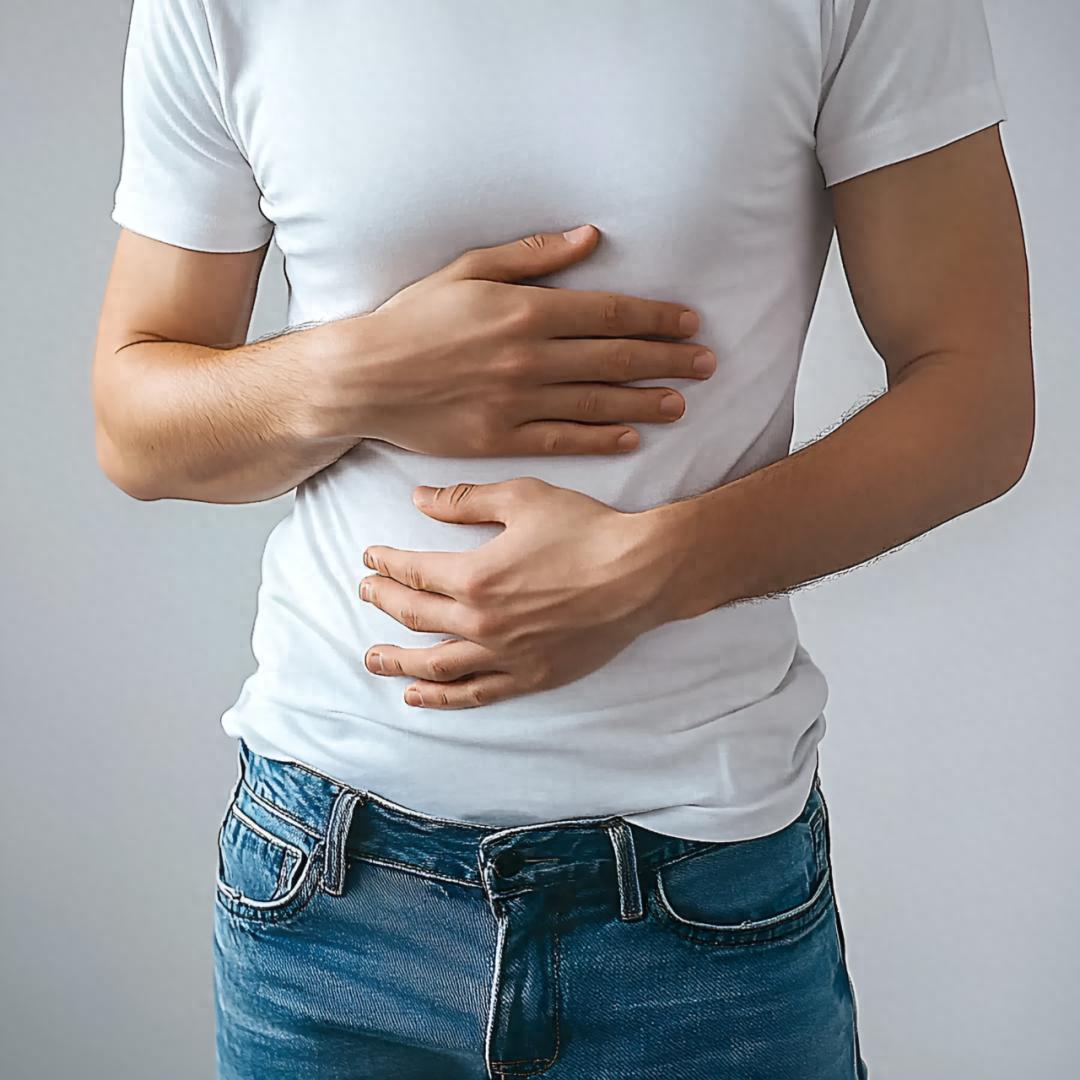
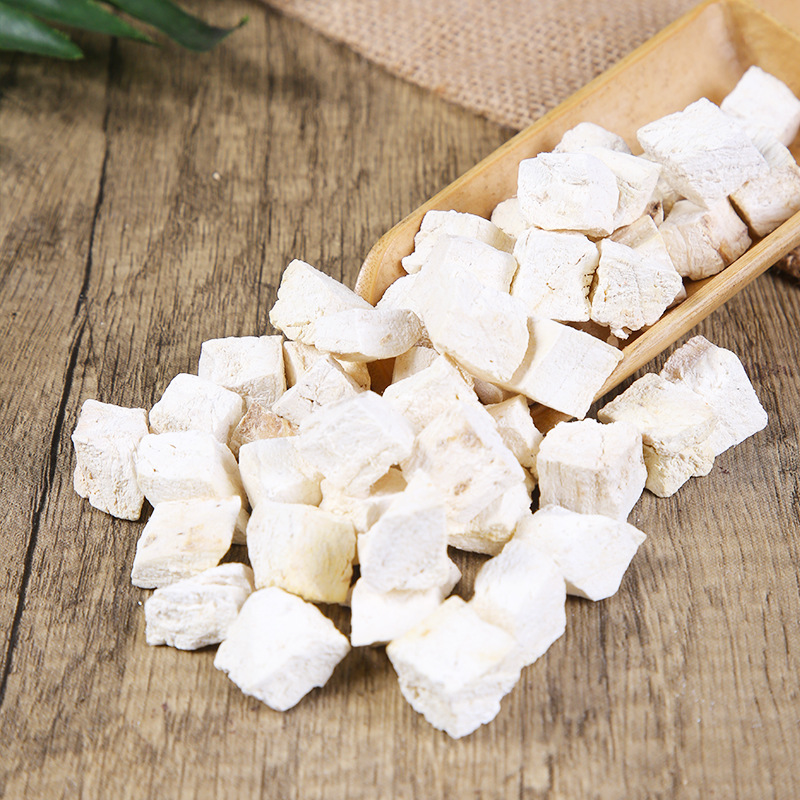
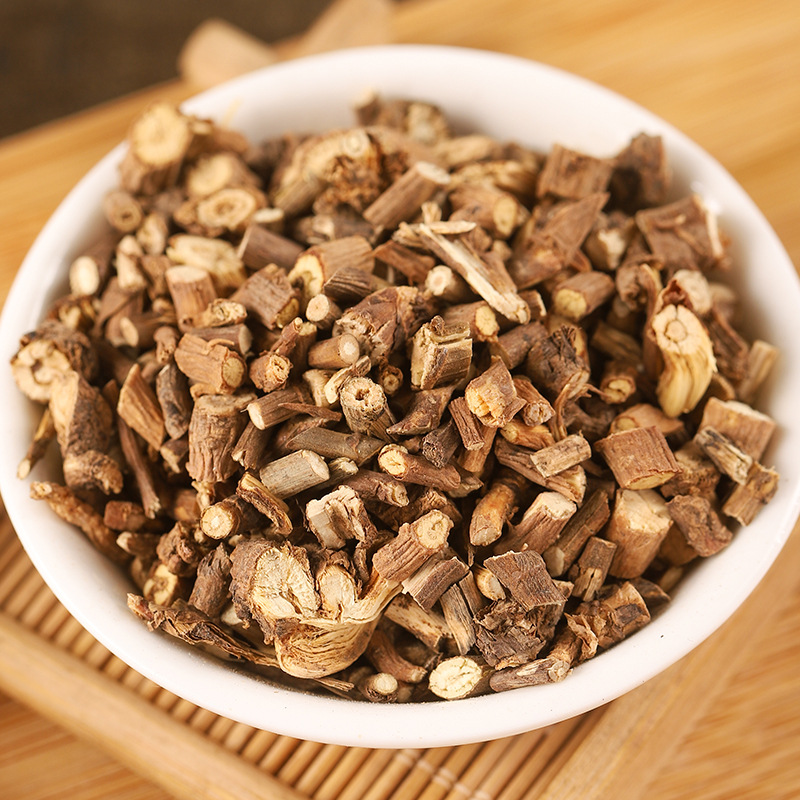
For minor discomfort that does not require medical attention, Li Yudong shared several simple and easy-to-follow traditional Chinese medicine tips. For post-meal bloating, you can massage acupoints such as Zhongwan, Zusanli, and Neiguan using the "one press, three kneads" method: press firmly with your thumb once, then knead clockwise three times. Perform this 50-100 times for each acupoint until you feel a sore, swollen, and warm sensation. For stomach cold pain after catching a chill, you can stir-fry salt, evodia fruit, and wheat bran until hot, then place them in a cloth bag and apply it as a hot compress to the painful area for 20 minutes to effectively dispel cold and relieve pain. In terms of dietary adjustments, he suggests that individuals with weak spleen and stomach should regularly drink red date and yam stewed pork tripe soup to warm the middle and tonify deficiency; those with damp-heat in the spleen and stomach are suitable for bamboo leaf and barley porridge to clear heat and promote diuresis; and those with stagnant qi can consume tangerine peel and poria cocos porridge to regulate qi and strengthen the spleen.
Li Yudong emphasized that prevention is always better than cure. "Eating regularly and in appropriate amounts helps the gastrointestinal tract establish a stable digestive rhythm. At the same time, it is important to chew slowly and thoroughly—the more you chew while eating, the less burden you place on your gastrointestinal system. Avoiding spicy, greasy, raw, cold, and other irritating foods, as well as maintaining emotional stability, are fundamental methods for protecting gastrointestinal health during the holidays."
Rebuild daily routine, sleep well during Zi and Wu hours
"The alarm clock rang three or four times, but I just couldn't get up." "My eyes are open, but my soul is still in bed."... After the long holiday, many people say they have already developed "difficulty getting up syndrome."

Why can a short holiday of just a few days be enough to destroy the daily routine we have worked so hard to establish? Jiang Molin, deputy chief physician of the Psychosomatic Medicine Department at Beijing Hospital of Traditional Chinese Medicine, explains: "Once freed from the mandatory constraints of work, immediate rewards from activities such as entertainment and socializing (like the joy of binge-watching shows or gathering with friends) reinforce the behavior of staying up late. A few days are enough to form a powerful new habit. Rebuilding a disrupted routine, however, requires overcoming significant 'behavioral inertia'."
Jiang Molin said that the key to post-holiday adjustment lies in "first the form, then the spirit," meaning guiding mental recovery by regulating physical behavior. "First, it is essential to re-establish a regular sleep schedule," Jiang Molin emphasized. "It is recommended to try to fall asleep before 11 p.m." She explained that in traditional Chinese medicine theory, the period from 11 p.m. to 1 a.m. is considered the Zi hour, which is a crucial time for the generation of the body's Yang energy. "Sleeping during this time helps protect Yang energy, which is an important foundation for maintaining human vitality."
Second, Jiang Molin suggests that those who have the conditions can appropriately arrange for a midday nap. "A short nap of 20-30 minutes at noon aligns with the traditional Chinese medicine principle of 'Zi Wu Jue' for health preservation and is greatly beneficial for restoring energy." In terms of dietary adjustments, Jiang Molin recommends choosing herbal teas based on different body constitutions. "For individuals with deficiency of both the heart and spleen, and blood failing to nourish the spirit, characterized by shallow sleep, easy awakening, and daytime drowsiness, ingredients such as longan, lotus seeds, Chinese yam, and red dates can be used to cook porridge or steep in water."
Regular Activities, Protect Your "Traveling Legs"
In addition to gastrointestinal discomfort, long-distance travel also harbors another easily overlooked health risk. Shang Junliang, a chief physician in the Department of Ulcer and Vascular Surgery at Beijing Hospital of Traditional Chinese Medicine, stated that prolonged confinement in a cramped space without movement, such as during long-distance driving or train travel, can lead to the formation of deep vein thrombosis in the lower limbs. "This condition is not exclusive to air travel; it is often referred to as 'economy class syndrome' in medical terms." Maintaining the same posture for an extended period can slow down and stagnate blood flow in the lower limbs, leading to the formation of blood clots.
The key to prevention lies in getting moving. Shang Junliang suggests that during long journeys, it is essential to get up and move around for a short while every 1-2 hours. If conditions are limited, perform ankle pump exercises in your seat—forcefully flex and extend your toes, holding each movement for 10 seconds and repeating. This is the most effective in-car exercise.
At the same time, drink an appropriate amount of water to avoid dehydration leading to insufficient blood volume; maintain a balanced approach, and avoid excessive consumption of coffee or strong tea. Wear comfortable, loose-fitting clothing and shoes to prevent tight garments from compressing blood vessels. For high-risk individuals, consider wearing medical-grade compression stockings.