Autumn Equinox Arrives, Nose Knows First
It is once again the high season for allergic rhinitis, with symptoms such as nasal congestion, nasal itching, frequent sneezing, and persistent clear nasal discharge... These symptoms not only affect daily life but may also trigger a series of issues like headaches, throat itching, and ear fullness. Why is autumn prone to allergic rhinitis? What are the prevention and treatment tips in traditional Chinese medicine acupuncture? Experts from the Kuangjie Acupuncture Diagnosis and Treatment Center will take you on an in-depth exploration today, sharing effective methods for preventing and treating autumn allergic rhinitis.

01 Autumn "Bitter Master", Many Reasons
Traditional Chinese medicine believes that the lungs open into the nose, govern respiration, and are externally associated with the skin and hair. In autumn, dryness prevails, which can easily damage lung yin. At the same time, the alternation between cold and warmth is pronounced, making the body's defensive function prone to imbalance. Individuals with weak lung qi are more susceptible to external pathogenic invasions, leading to nasal obstruction and severe rhinitis.
In addition, autumn is the "main stage" for herbaceous plants—pollen from weeds such as mugwort, hops, and ragweed is light, small, and sticky, capable of traveling hundreds of kilometers with the wind. Moreover, autumn's clear skies and strong ultraviolet rays enhance pollen activity, allowing it to enter the nasal cavity and trigger an immediate alarm from the immune system. At the same time, the concentration of mold spores in the air soars during autumn. Continuous autumn rains and piled-up fallen leaves provide a luxurious "petri dish" for mold, allowing spores to rapidly enter the sinuses with each breath and induce a new wave of immune storms. Additionally, the significant temperature difference between day and night in autumn can cause the nasal mucosa to "catch a chill," leading to vasoconstriction followed by dilation, which weakens its barrier function. This allows pollen, dust mites, mold, and other allergens to invade, resulting in the onset of rhinitis.
02 Deficiency of Both Lung and Spleen Traditional Chinese Medicine Wisdom
Allergic rhinitis, with its symptoms manifesting in the nose, presents as nasal itching, sneezing, and clear nasal discharge. The root cause of the disease often lies in the imbalance of the internal organs. During the transition between summer and autumn, the onset of allergic rhinitis in patients is mostly due to deficiency of both the lung and spleen, combined with exposure to external pathogens (such as wind, dampness, epidemic toxins, etc.), leading to impaired lung function and frequent sneezing.
Wang Leting, a renowned acupuncture expert in Yanjing, believes that treating diseases must address the root cause. He advocates "prioritizing the stomach and considering the spleen as the foundation of postnatal health," emphasizing the regulation of the spleen and stomach to strengthen the earth and generate metal, thereby replenishing the lung's defensive qi. His unique "Old Ten Needles" technique skillfully employs acupoints such as Zusanli, Zhongwan, Wuzangshu, Tianshu, and Neiguan, aiming to invigorate the spleen and replenish qi, warm the lungs and strengthen the exterior. This approach ensures the spleen and stomach are robust, the lung qi is abundant, the defensive exterior is naturally fortified, external pathogens are difficult to invade, and the nasal passages are cleared. Starting from the etiology and pathogenesis of lung and spleen deficiency, the experience-based treatment method of Wang Leting, which focuses on invigorating the spleen, benefiting the lungs, strengthening the exterior, and clearing the orifices, is precisely applied to patients with allergic rhinitis.
03 Combination of Acupuncture and Medication Severe Method
For patients with allergic rhinitis who have a longer disease course and more severe symptoms, it is recommended to combine acupuncture with traditional Chinese medicine for treatment, as this yields more significant therapeutic effects. Among these, acupuncture treatment should be administered 2 to 3 times per week, with 4 to 6 weeks constituting one treatment course.
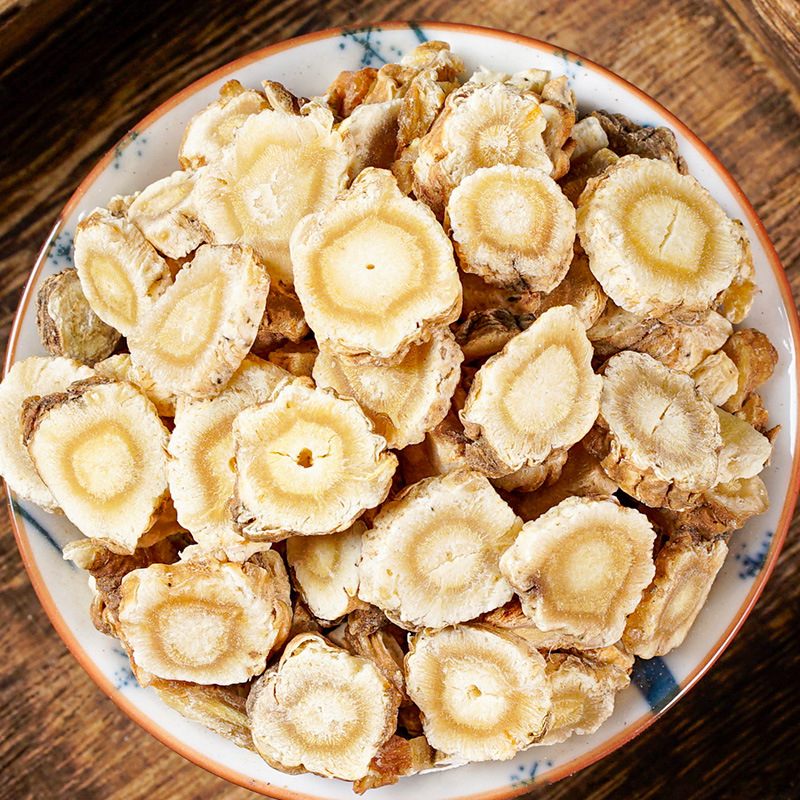
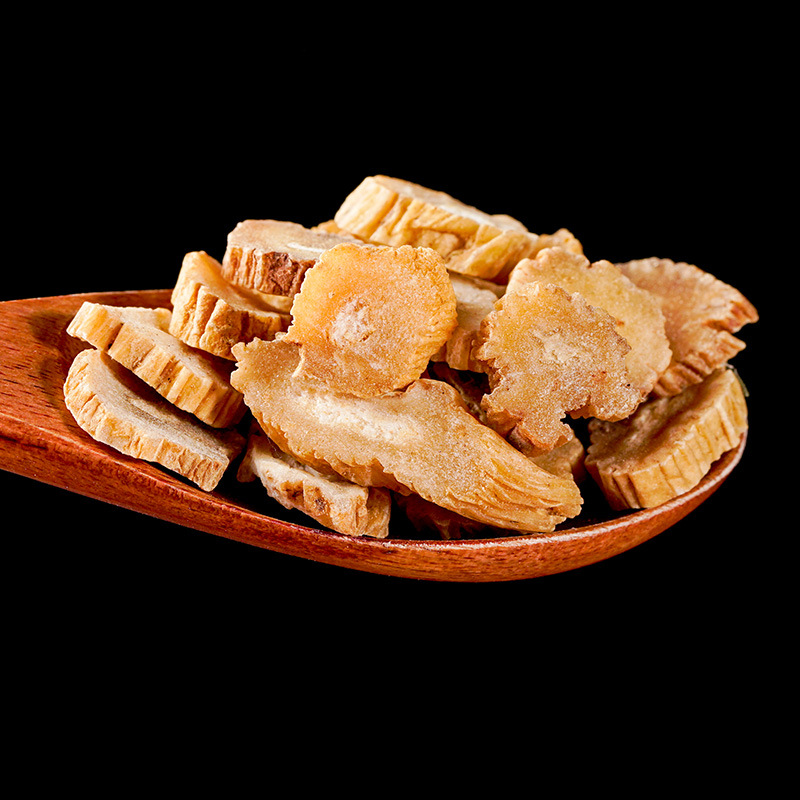
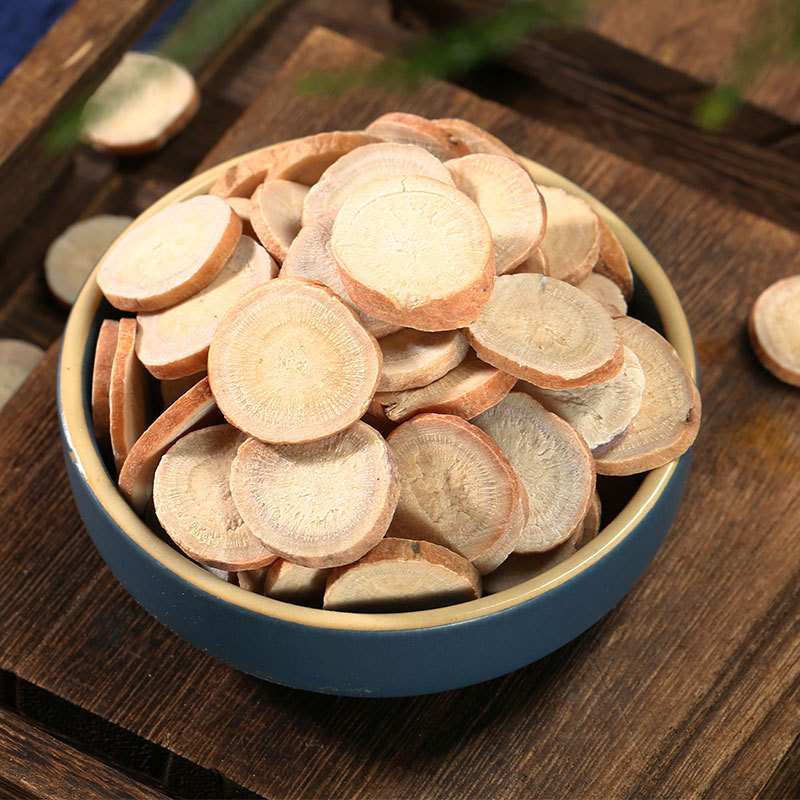
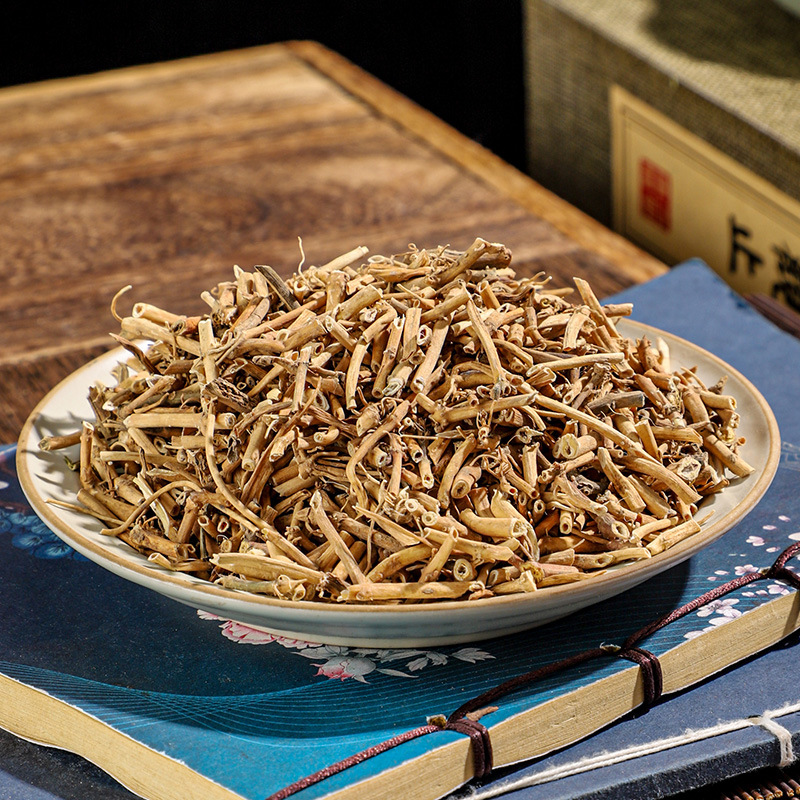
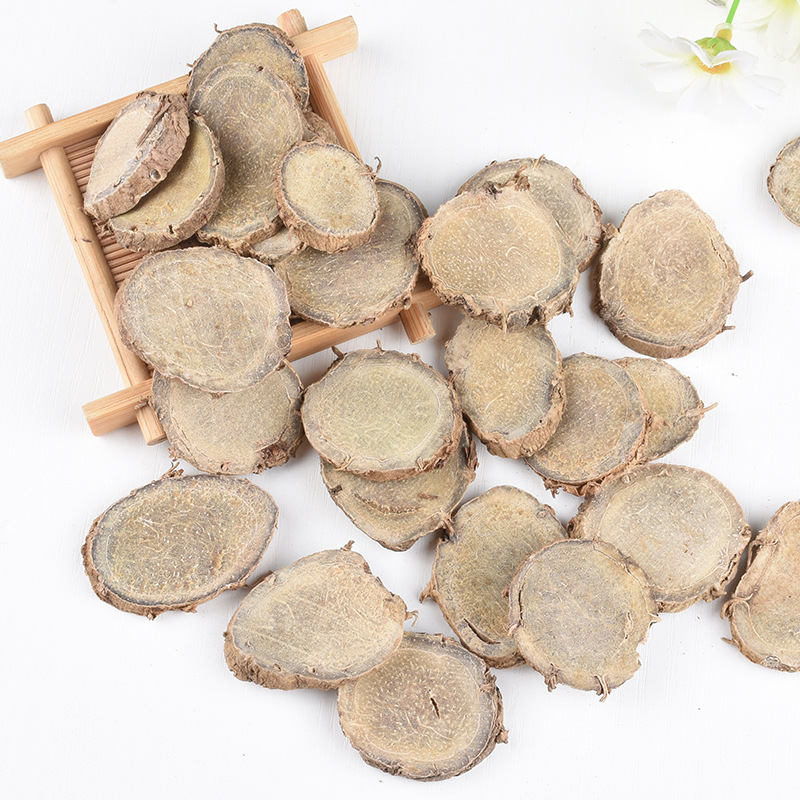
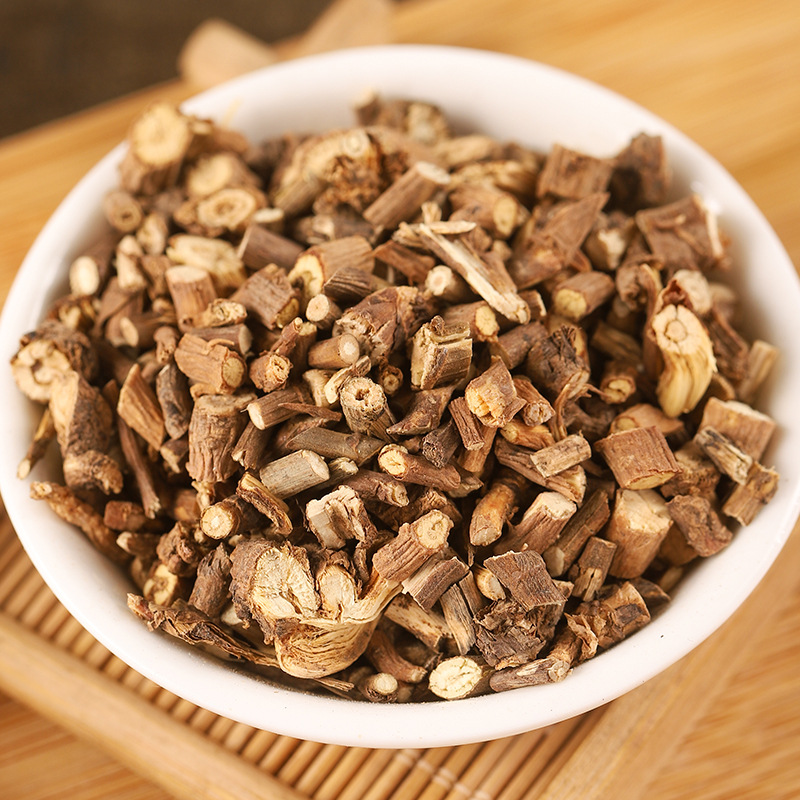
In terms of traditional Chinese medicine conditioning, patients with severe rhinitis are recommended to use the clinical compound prescription from the Acupuncture Department of Beijing Hospital of Traditional Chinese Medicine affiliated with Capital Medical University.Allergic Rhinitis Standard PrescriptionThe entire formula includes Codonopsis pilosula, Chinese yam, stir-fried Atractylodes macrocephala, etc., which is based on tonifying the spleen and benefiting the lungs, while also dispersing wind-cold, unblocking the nasal passages, and dispelling wind to promote circulation. It supports the body's vital energy to address the root cause and expels pathogenic factors to treat the symptoms, addressing both the root and the symptoms simultaneously. Additionally, Magnolia officinalis and apricot kernel are added to regulate the qi of the lungs and spleen, treating both the lungs and spleen together. This ensures that the formula tonifies without causing stagnation and promotes circulation without dispersing, fully demonstrating the unique wisdom and holistic perspective of traditional Chinese medicine in treating allergic diseases, with a focus on the 'internal environment of the human body.'
Note: Treatment should strictly follow medical advice, taking into account individual circumstances and personal constitution when selecting a treatment plan.
Daily Life Care Five Key Points
Keep warm:Add clothing in the morning and evening, especially to protect the neck and back
Wearing a mask:Reduce stimulation from allergens such as pollen and dust mites
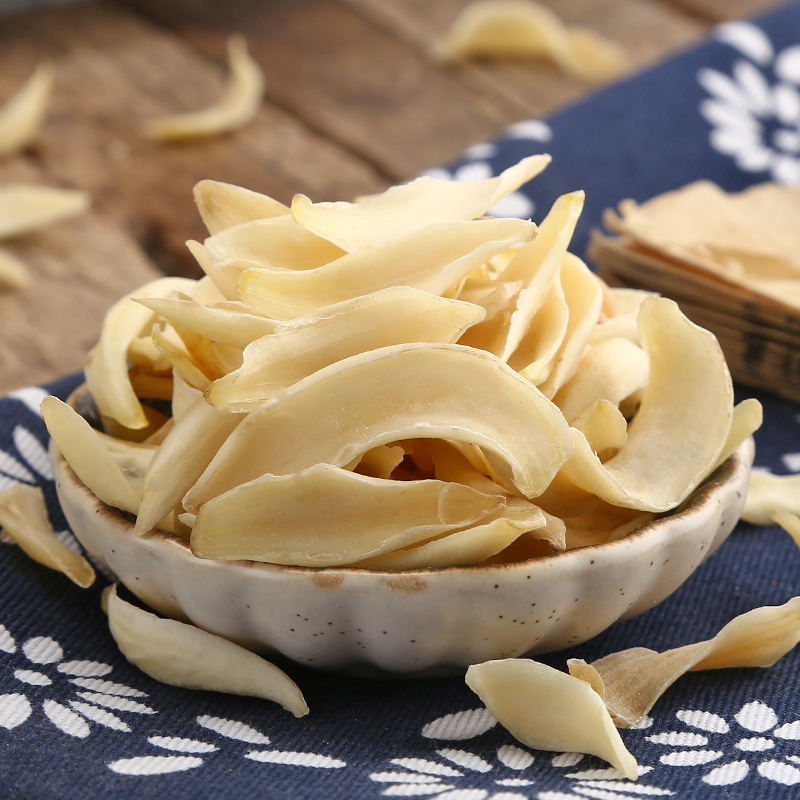
Reasonable diet:Consume lung-moistening foods such as lily bulbs, white fungus, and Chinese yam in moderation
Keep clean:Regularly wash bedding and maintain indoor ventilation
Moderate exercise:such as Tai Chi and Baduanjin, to enhance physical fitness.