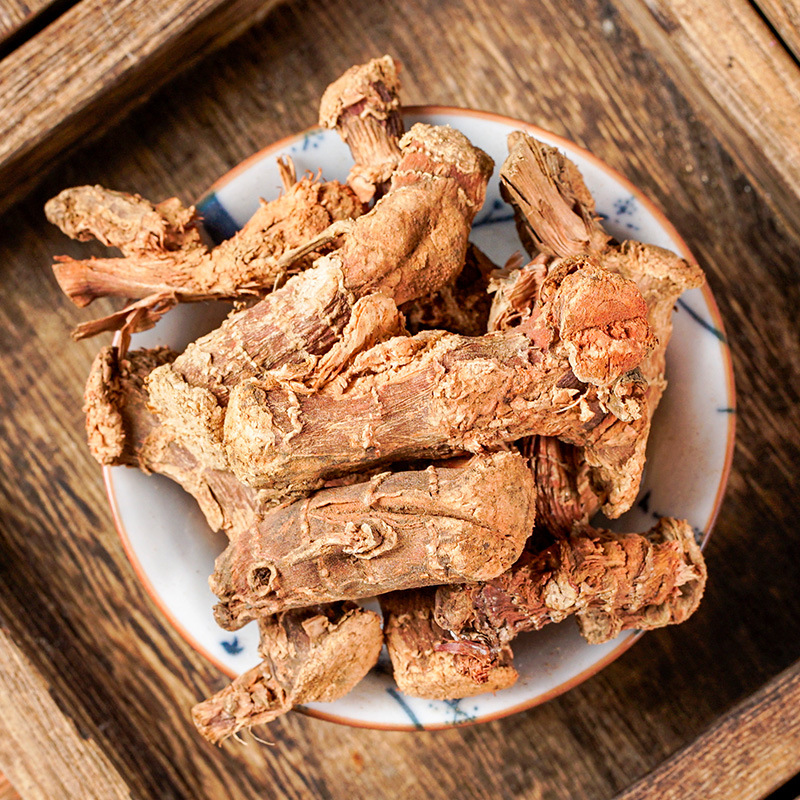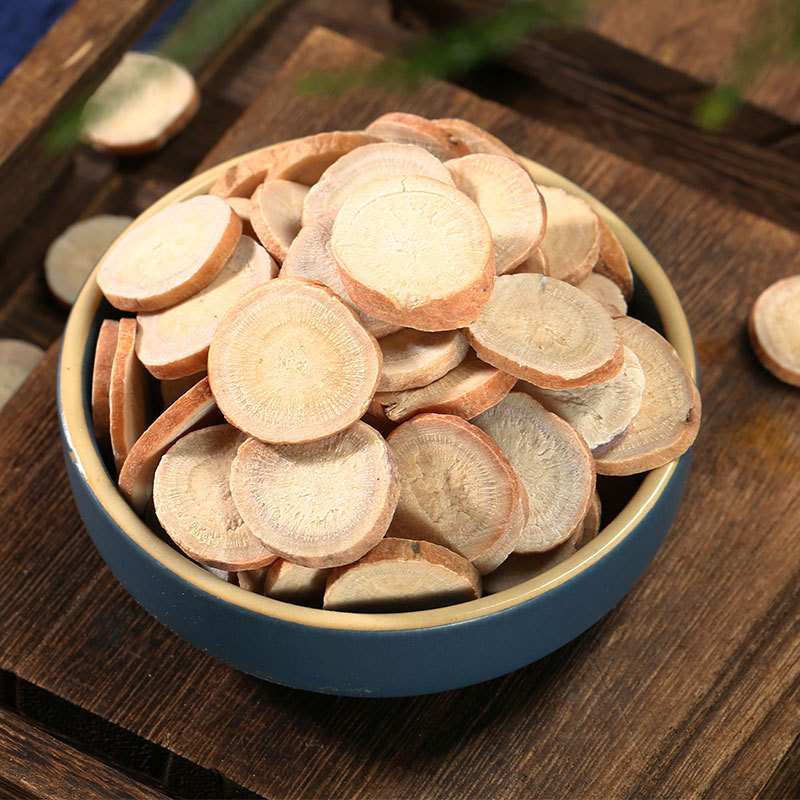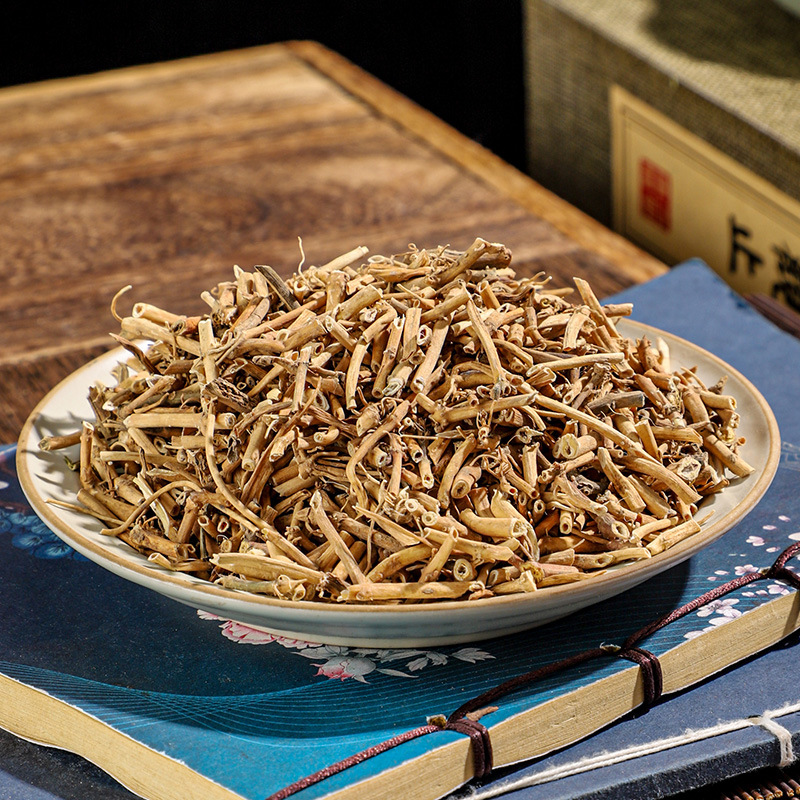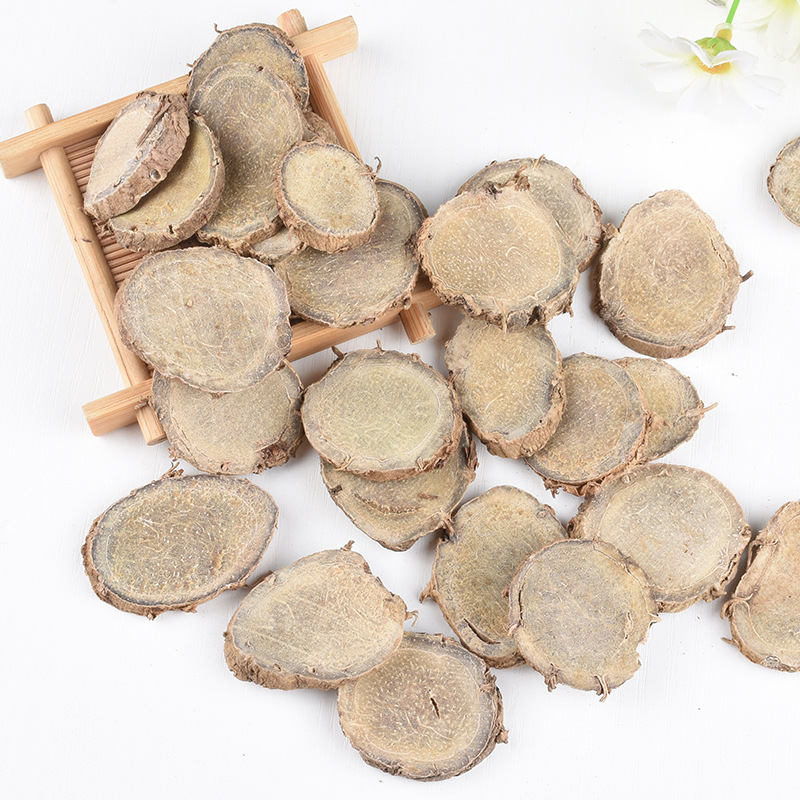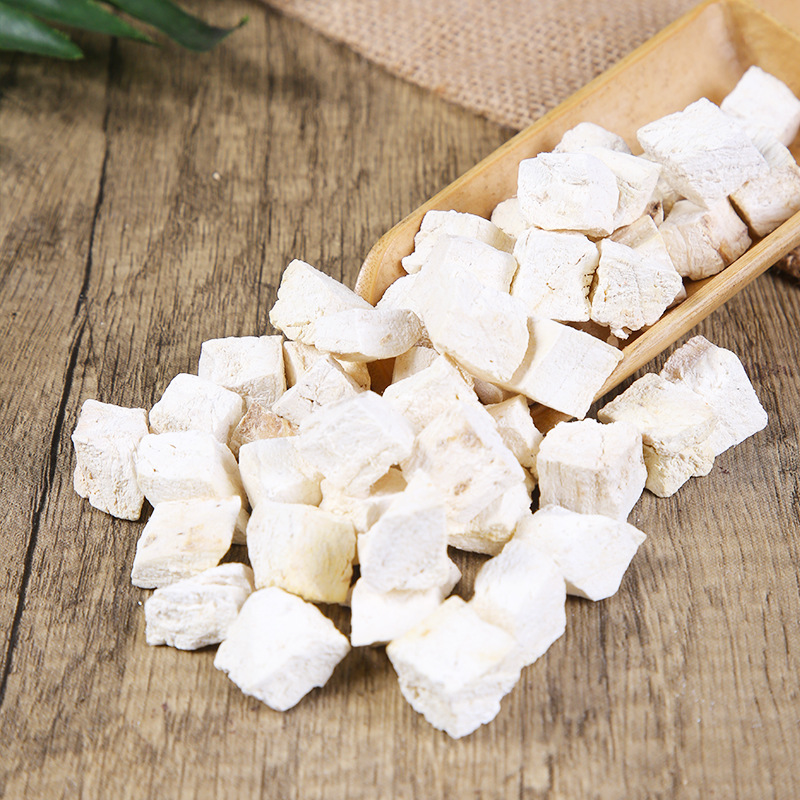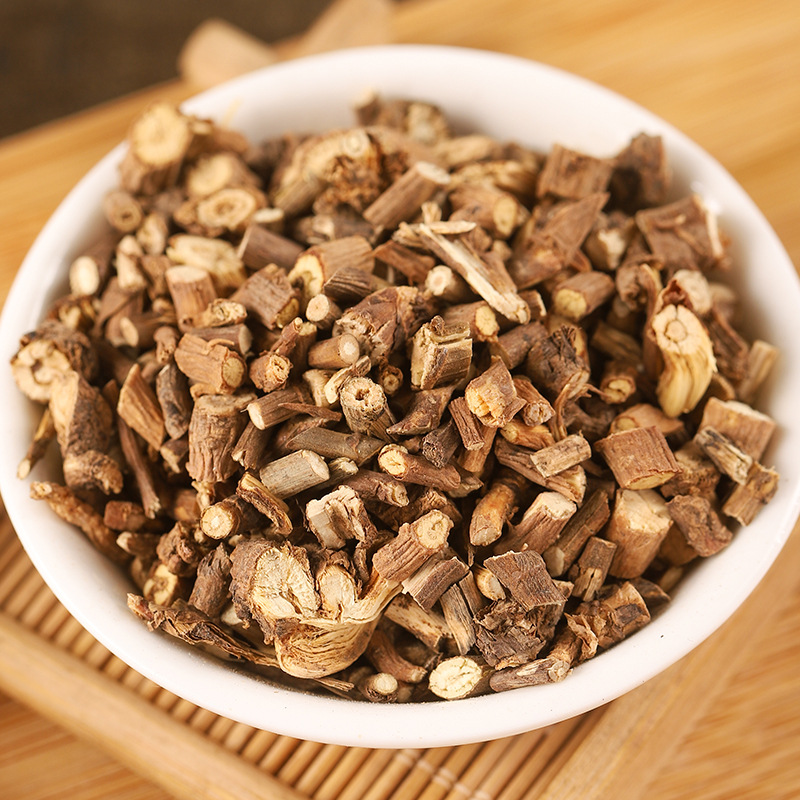
Every part of the lotus can be used in medicine, such as lotus seeds, lotus plumule, lotus stamen, lotus receptacle, lotus node, and lotus leaf, each with its own unique and overlapping effects.
I. The Efficacy and Application of Lotus Stamen
Lotus Stamen is the stamen of the lotus flower, also known as lotus stamen. During the summer when the flowers are in full bloom, the stamens are collected and dried in the shade.
1. Efficacy and Application
Lotus seeds taste sweet and astringent, with a neutral nature. They belong to the heart and kidney meridians.
Efficacy Clears the heart and secures the kidneys, astringes essence and stops bleeding. Its characteristic is particularly effective in treating nocturnal emissions and involuntary seminal discharge.
It is commonly used for the treatment of conditions such as nocturnal emission and seminal emission, enuresis and frequent urination, hematemesis and metrorrhagia.
Summary of Famous Works by Renowned Authors
"Ben Cao Meng Quan": "Benefits the kidneys, astringes essence, and consolidates marrow."
"Compendium of Materia Medica": "Clears the heart and unblocks the kidneys, consolidates essence and qi, darkens hair, improves complexion, nourishes blood, stops uterine bleeding and vomiting of blood."
Ben Cao Tong Xuan: Treats male kidney leakage and female flooding and vaginal discharge
"Ben Cao Zai Xin":"Clears deficiency heat from the heart and lungs, relieves summer heat and restlessness, promotes fluid production and quenches thirst."
Jade Qiao's Explanation of Medicinals: "Lotus stamen stabilizes essence and stops bleeding, enhances complexion and blackens beard."
Ben Cao Bei Yao: Sweet, warm, and astringent. It clears the heart and connects with the kidneys, nourishes the blood and secures essence, darkens the beard and blackens the hair, stops dream emission and seminal leakage, and treats various types of bleeding such as vomiting and uterine bleeding. Its effects are somewhat similar to those of lotus seeds.
2. Compatibility and Application
Lotus Stamen clears the heart and secures leakage, especially effective for treating seminal emission and spontaneous emission. For treating nocturnal emission and spontaneous emission, it is often combined with Semen Astragali Complanati, Os Draconis, Concha Ostreae, and Semen Euryales, as in the Golden Lock Pill to Secure the Essence.
If treating seminal emission and nocturnal emission, it can also be combined with prepared rehmannia root, cornus fruit, Chinese yam, poria, moutan bark, dragon bone, and euryale seed, all processed into pills, taken with light salt water, known as the Solid Essence Pill.
If treating upper wasting thirst with incessant drinking of water, one can use Lotus Stamen combined with Pueraria Root, Poria, Rehmannia Root, Trichosanthes Root, Ginseng, Schisandra Berry, Anemarrhena Rhizome, Honey-fried Licorice Root, and Lophatherum Herb, decocted in water and taken warm, known as Lotus Drink.
3. Usage and Dosage
Lotus stamen can be used in decoctions or made into pills and powders. The usual dosage in decoctions ranges from a few grams to over ten grams, and it should not be used excessively.
4. Application Precautions
Lotus stamen is good at astringency, so it should be taken with caution by those with dysuria.
II. Efficacy and Application of Lotus Plumule
Lotus Plumule is the dried young leaf and radicle of the mature seed of lotus. It is mainly produced in Fujian, Hunan and other places. In autumn when the fruit is ripe, the lotus receptacle is cut off, the fruit is harvested, taken out, and dried in the sun.
1. Efficacy and Application
Lotus Plumule tastes bitter and is cold in nature. It belongs to the heart and kidney meridians.
Efficacy Clears the heart and calms the mind, connects the heart and kidneys, astringes essence and stops bleeding. Its characteristic is good at clearing heat from the heart meridian, suitable for use as a tea substitute.
It is commonly used for the treatment of conditions such as heat entering the pericardium, delirium, disconnection between the heart and mind, insomnia and nocturnal emission, and hematemesis due to blood heat.
Summary of Famous Works by Renowned Authors
Jade Qiao's Explanation of Medicinal Herbs: "The heart of the lotus is called Lian Yi. Its bitter and cold nature purges fire, and it is used to treat symptoms of heart vexation and upper body heat."
Wen Bing Tiao Bian: "Lotus plumule travels from the heart to the kidney, enabling heart fire to descend and connect with the kidney, and then circulates upward, allowing kidney water to rise and nourish the heart."
Ben Cao Zai Xin: Clears heart fire, pacifies liver fire, purges spleen fire, reduces lung fire. Relieves summer heat and irritability, promotes fluid production and quenches thirst, treats red and swollen eyes.
2. Compatibility and Application
Lotus plumule tastes bitter and is cold in nature, good at clearing heat from the heart palace. It is used to treat warm-heat diseases with symptoms of feverishness and clouded spirit, often combined with Scrophulariae Radix, Ophiopogonis Radix, and bamboo leaves, as in Qinggong Decoction.
For treating conditions such as hematemesis and spermatorrhea, it can be used alone by grinding into powder and taking orally.
For the treatment of cough with blood and vomiting of blood due to overexertion, seven lotus seed hearts and twenty-one grains of glutinous rice can be ground into powder and taken with wine, known as Lotus Heart Powder.
For treating chronic deficiency and leakage due to loss of essence, one can use a pinch of lotus plumule and one fen of cinnabar, grind them together into powder, and take with plain water on an empty stomach.
3. Usage and Dosage
Lotus plumule can be used in decoctions or as a tea substitute, but the dosage should not be too large. The usual dose is a few grams.
4. Application Notes
The lotus seed heart is bitter and cold, so it is contraindicated for those with deficiency and cold in the spleen and stomach.
III. Efficacy and Application of Lotus Node
Lotus node is also called old node, it is the underground rhizome node of lotus. When digging lotus roots in autumn and winter, cut off the node part, wash it, and dry it in the sun.
1. Efficacy and Application
Lotus node tastes sweet and astringent, neutral. It belongs to the liver, lung, and stomach meridians.
Efficacy can astringe and stop bleeding, resolve stasis. Its characteristic is good at stopping bleeding without leaving stasis.
It is commonly used in the treatment of various bleeding syndromes such as hematemesis, hemoptysis, epistaxis, hematuria, and metrorrhagia.
Summary of Famous Works by Renowned Authors
"Treatise on Medicinal Properties": "Pound to extract juice, primarily for treating incessant vomiting of blood, effective for both oral and nasal bleeding."
"Compendium of Materia Medica": "It can treat coughing blood, spitting blood, bloody strangury, bloody urine, bleeding from the lower body, bloody dysentery, and sudden heavy uterine bleeding."
Ben Cao Bei Yao: "Clears heat and toxins, dissipates stagnant blood, stops vomiting, nosebleeds, strangury, and dysentery, all types of bleeding disorders."
2. Compatibility and Application
Lotus node is good at astringing and stopping bleeding, with the characteristic of stopping bleeding without leaving stasis. It is often combined with Bletilla striata and Platycladus orientalis to treat various bleeding syndromes.
Health Simple Prescriptions: "To treat hematemesis, hemoptysis, and epistaxis: use lotus root nodes, pound them to extract juice, and take it."
"Chishui Xuanzhu": "For treating incessant vomiting and nosebleeds: lotus root juice, raw rehmannia juice, and thistle juice, three ge each, five spoons of raw honey, mix well, take one small cup each time, regardless of the time."
"Bai Yi Xuan Fang": "For treating bloody stools: dry lotus nodes in the sun, use seven each time, mix with seven teaspoons of white honey, add two bowls of water, decoct until one bowl remains, and take."
3. Usage and Dosage
Lotus node is often used in decoctions and can also be made into pills or powders. The usual dosage ranges from over ten grams to several tens of grams. When using fresh lotus node, it can be pounded to extract juice, and the dosage can be larger.
Used raw to stop bleeding and resolve stasis, used as charcoal to astringe and stop bleeding, used fresh to clear heat and cool blood.
4. Application Notes
Processing should avoid ironware.
Four, Lotus Leaf Efficacy and Application
Lotus leaf is the leaf of the lotus plant. It is produced in various regions of the south.
1. Efficacy and Application
Lotus leaf tastes bitter and astringent, with a neutral nature. It belongs to the liver, spleen, and stomach meridians.
Efficacy Clears summerheat and resolves dampness, raises clear yang, cools blood and stops bleeding. Lotus leaf charcoal is more inclined to astringe and transform stasis to stop bleeding.
It is commonly used for the treatment of symptoms such as summer heat with irritability and thirst, summer dampness diarrhea, spleen deficiency diarrhea, blood heat causing vomiting and nosebleeds, bloody stools, and abnormal uterine bleeding. Lotus leaf charcoal is often used for various bleeding disorders.
Summary of Famous Works by Renowned Authors
"Compendium of Materia Medica": "Generates vital energy, supports the spleen and stomach, astringes essence and turbidity, disperses blood stasis, reduces edema and abscesses, and promotes the eruption of pox sores. Treats hematemesis, hemoptysis, epistaxis, hematochezia, hematuria, strangury with blood, metrorrhagia, postpartum lochia, and traumatic blood stasis."
"Medical Forest Summary": "Lotus leaf has similar effects to lotus root and lotus seed heart, but it more often enters the liver meridian, calming heat and dispelling dampness to promote the flow of clear qi, as its green color corresponds to the liver. However, its bitter and astringent taste actually purges the heart and liver, clears metal (lung) and stabilizes water (kidney), thus it can remove stasis, preserve essence, eliminate excessive heat, and balance qi and blood."
The Compendium of Materia Medica: "Its color is green, its shape is upward-facing, its interior is hollow, and its image corresponds to the trigram Zhen. It resonates with the qi of the Lesser Yang gallbladder. When used in cooking and combined with medicine, it benefits the spleen and stomach and promotes the rising of yang qi. It can disperse stagnant blood and preserve healthy blood. It treats vomiting, nosebleeds, uterine bleeding, injuries, postpartum blood stasis, and all types of blood disorders."
2. Compatibility and Application
lotus leaf can clear summer heat and promote diuresis, and is good at treating summer-warm diseases. It is often combined with fresh honeysuckle flower, hyacinth bean flower, and watermelon rind, which is known as Qingluo Yin.
For treating bleeding due to blood heat, it is often combined with raw Rehmannia root, raw Platycladus orientalis leaves, and raw Artemisia argyi leaves to jointly achieve the effect of cooling blood and stopping bleeding, known as Sisheng Wan.
Lotus leaf can clear heat and relieve summer heat, and also elevate spleen yang. It is used to treat summer heat diarrhea, often combined with white hyacinth bean. If there is spleen deficiency with qi sinking and diarrhea, it can also be added to spleen and stomach tonifying medicines, with significant therapeutic effects.
"Zhou Hou Fang": "To treat incessant vomiting of blood: use lotus leaves that have withered after frost, burn them until they retain their properties, grind into powder, and take two qian with fresh water."
"Compendium of Materia Medica": "For treating dysentery with red or white stools: burn and grind lotus leaves, take two qian each time. For red dysentery, take with honey; for white dysentery, take with sugar water."
3. Usage and Dosage
lotus leaf can be used in decoctions, pills, powders, or as a tea substitute. the usual dosage ranges from a few grams to over ten grams.
For clearing heat and relieving summer heat, it is advisable to use the raw form; for dispersing stasis and stopping bleeding, it is advisable to use the charred form.
4. Application Notes
Lotus leaf is cool in nature and ascending, so those who are thin and have weak qi and blood should take it with caution; it is also not suitable for those with excessive pathogenic factors in the upper jiao, where treatment should focus on clearing and descending.
Ben Cao Cong Xin: "It disperses and consumes, contraindicated for those with deficiency."