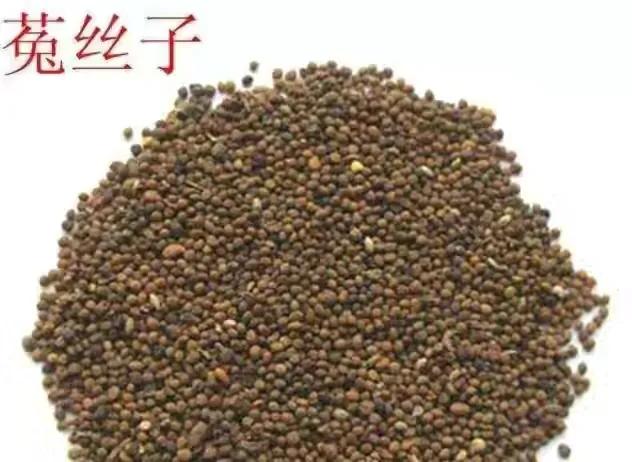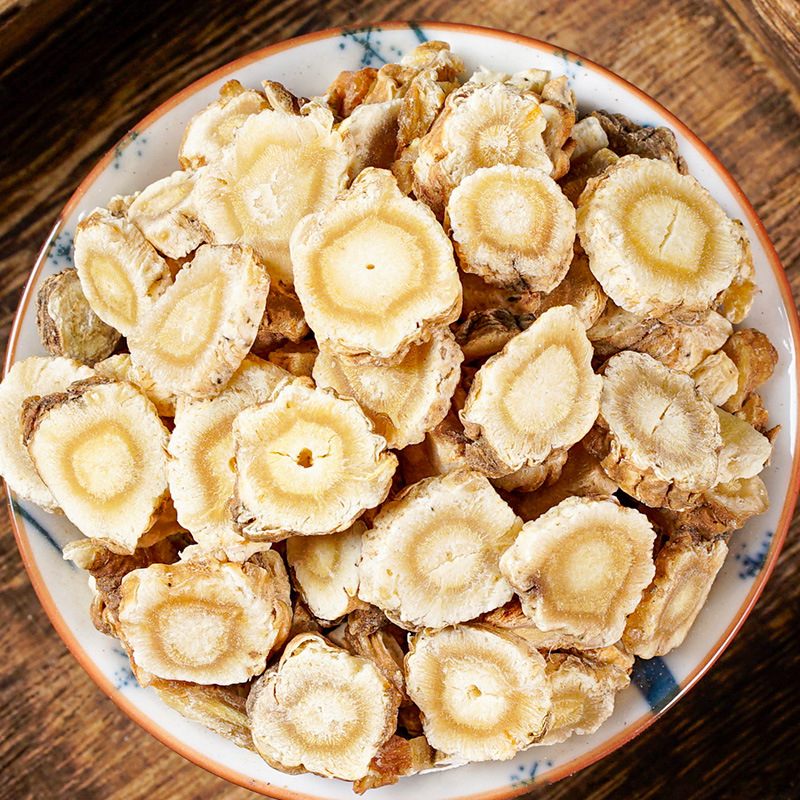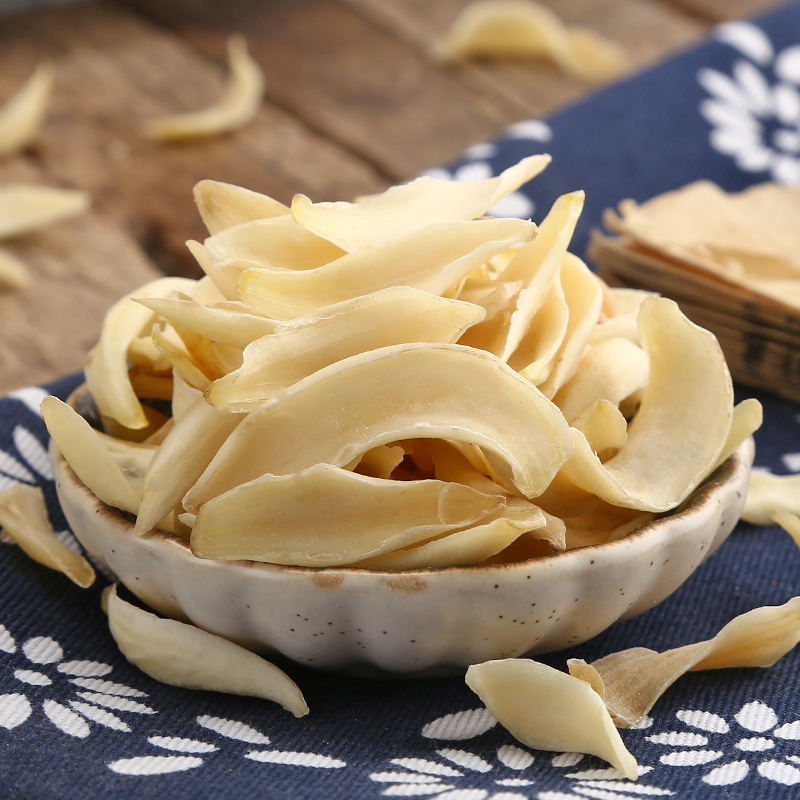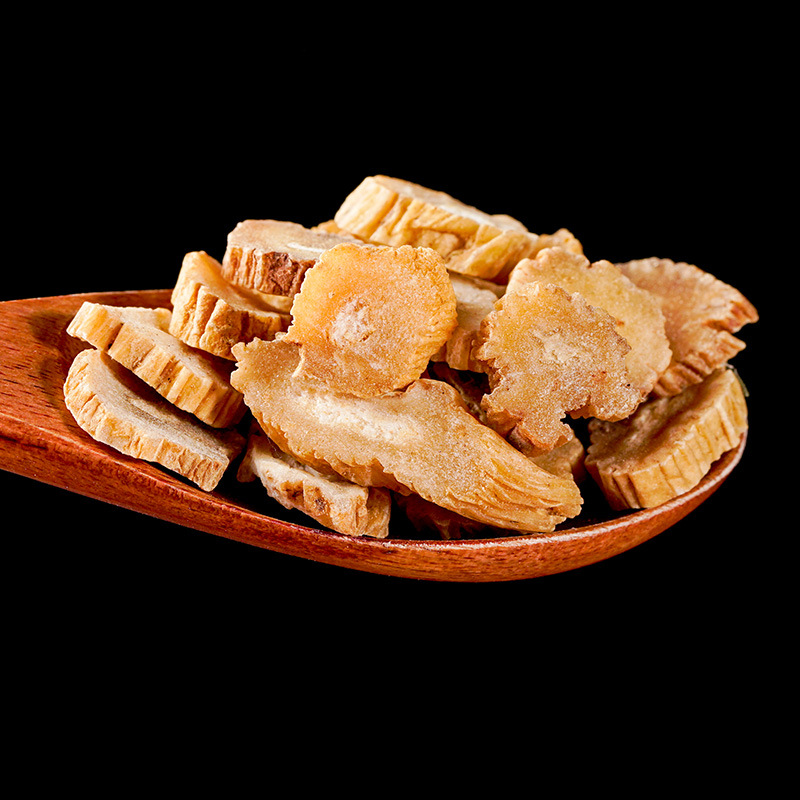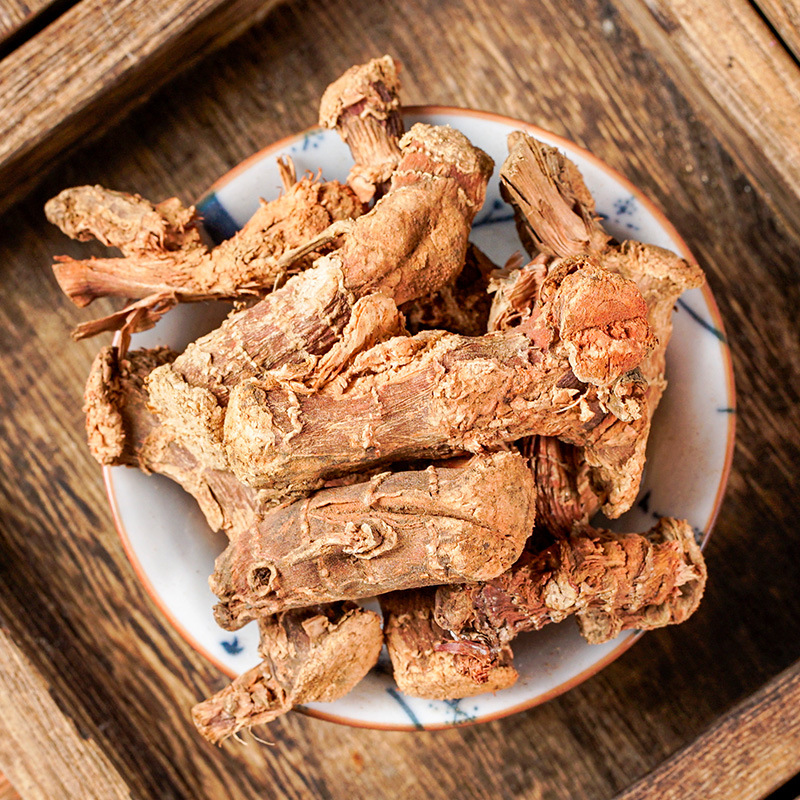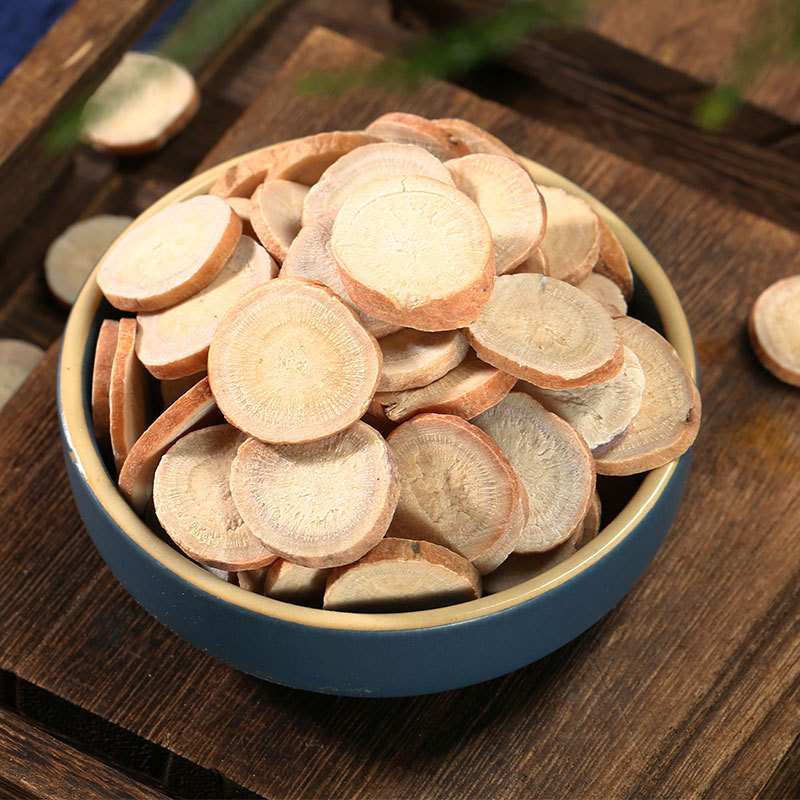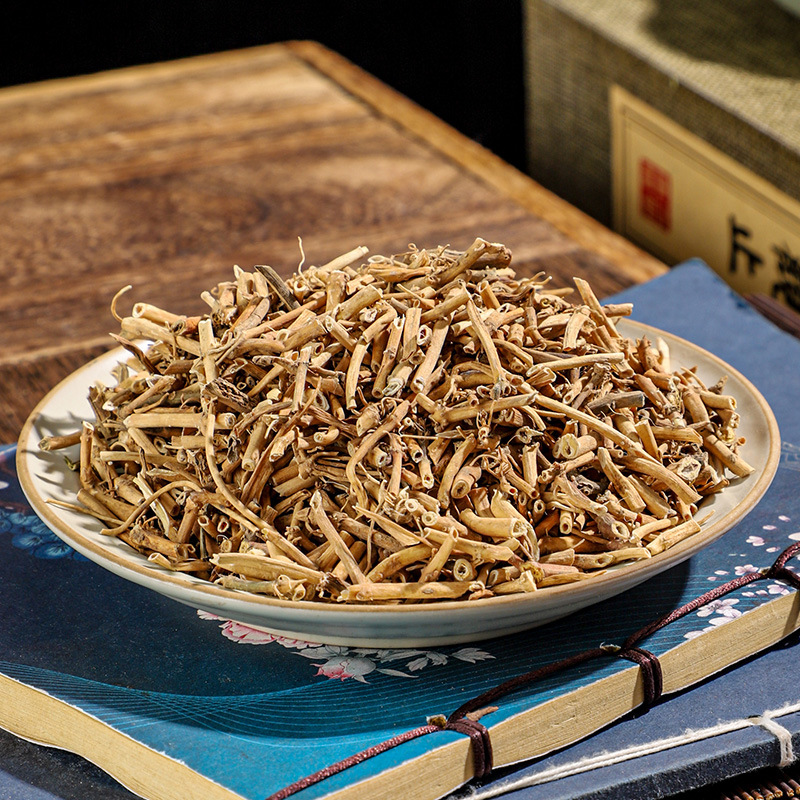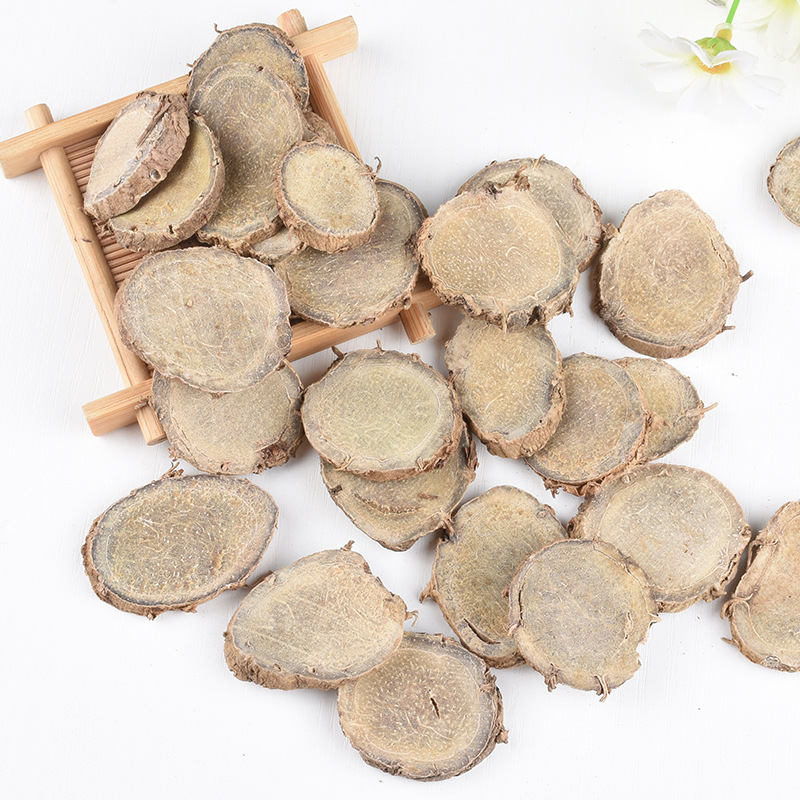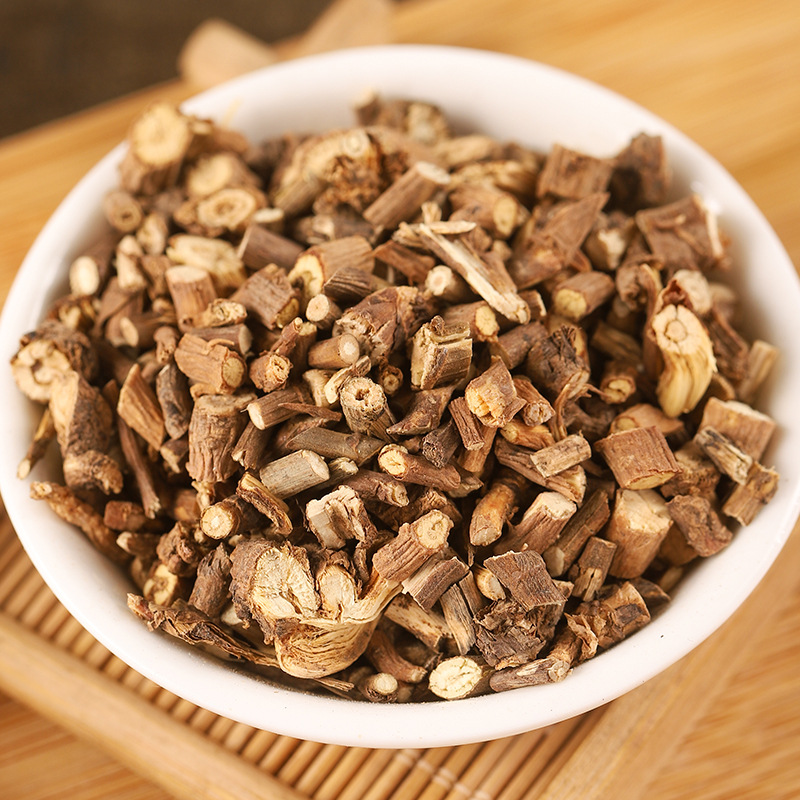
Cuscuta is the mature seed of the annual parasitic plant Cuscuta chinensis or Cuscuta japonica of the Convolvulaceae family. It is produced in most regions of China. The seeds are harvested in autumn when they mature, dried in the sun, and then the seeds are separated. They are often used raw or cooked and mashed into cakes for use.
I. Efficacy and Application
Cuscuta seeds taste pungent and sweet, with a neutral nature. They belong to the liver and kidney meridians.
Efficacy It can tonify yang and benefit yin, secure essence and reduce urination, improve vision and stop diarrhea. Its characteristics include dual tonification of yin and yang, without being greasy or drying, making it a mild tonic.
Commonly used for the treatment of conditions such as liver and kidney deficiency, soreness and weakness of the waist and knees, impotence and seminal emission, enuresis and frequent urination, threatened abortion due to kidney deficiency, restless fetal movement, blurred vision and tinnitus, diarrhea due to spleen and kidney deficiency, and other syndromes.
Summary of Masterpieces by Renowned Authors:
"The Classic of Materia Medica": "It primarily treats severed injuries, replenishes deficiencies, boosts energy, and promotes robust health."
"Treating Deficiency and Cold in Both Men and Women": "It replenishes essence and strengthens marrow, alleviates lower back pain and knee coldness, and also addresses wasting-thirst and heat in the middle."
Compendium of Materia Medica: "Cuscuta seeds are a medicinal herb that tonifies the kidneys, nourishes the liver, warms the spleen, and aids the stomach. However, their tonifying effect is not overly strong, and their warming property is not excessively drying, thus they enter the kidney meridian."
Jade Carving Medicine Explanation: Sour and astringent, it consolidates and stabilizes, treating seminal emission and dribbling urination, as well as cold waist and lower back pain.
"Compendium of Materia Medica": "It consolidates the qi of true yang and enters the three yin channels of the foot. It strengthens yin and benefits essence, warming without dryness, and does not support ministerial fire. It treats the five strains and seven injuries, cold essence and dribbling urination, bitter mouth and dry thirst. It dispels wind and brightens the eyes, supplements defensive qi, aids the sinews and vessels, boosts qi and strength, and enriches and strengthens the body."
II. Compatibility and Application
1. Used for soreness and pain in the lower back and knees, impotence, seminal emission, frequent urination, excessive leukorrhea, and other conditions. Dodder seeds tonify both kidney yang and kidney yin, and also have the effect of securing essence and reducing urination. For treating soreness and pain in the lower back and knees, it can be combined with equal parts of eucommia bark and made into pills with Chinese yam for oral administration.
For the treatment of impotence and seminal emission, it is often combined with Chinese wolfberry, raspberry, and schisandra, known as the Five-Seed Pill.
If treating kidney deficiency with urinary incontinence, it is often combined with deer antler, schisandra, and other herbs.
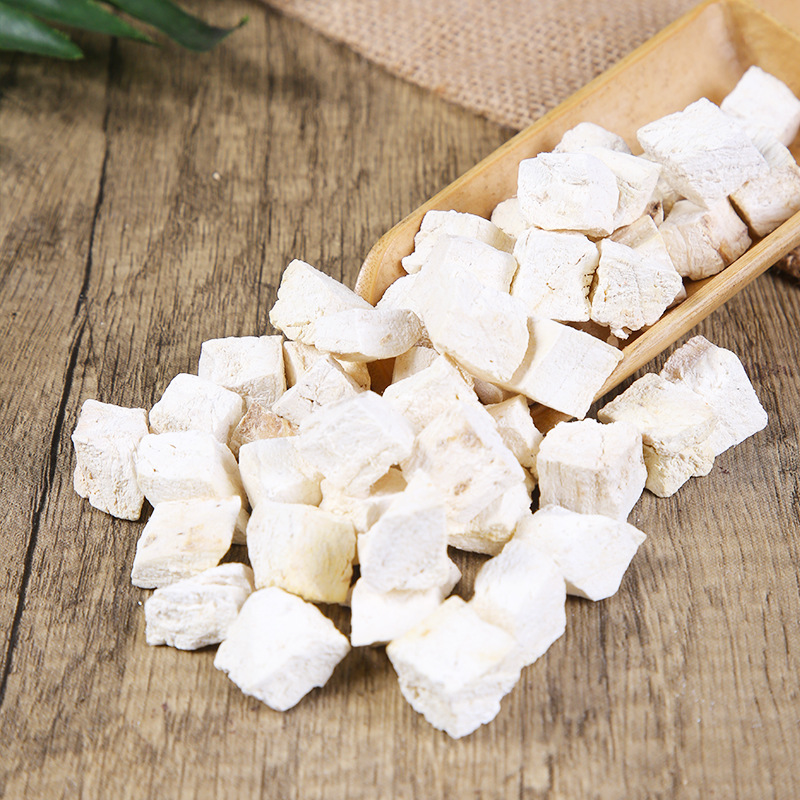
If treating nocturnal emission, white turbidity, or dribbling after urination, it is often combined with Poria and Lotus Seed, known as Fuling Poria Pill.
If treating creamy strangury, it is often combined with Mantidis Ootheca and Alismatis Rhizoma, known as Cuscuta Pill.
Zhu Liangchun's experience in treating oligospermia involves using a large dose of Cuscuta chinensis alone, or combining it with kidney-tonifying herbs such as Epimedium, Rehmannia glutinosa, Astragalus, Lycium barbarum, and Rubus chingii. For treating blood disorders such as aplastic anemia, it can be combined with bone-strengthening herbs such as deer antler glue, Drynaria fortunei, and Spatholobus suberectus.
2. For dim vision and decreased visual acuity. Cuscuta chinensis has the effect of nourishing the liver and improving eyesight. To treat dim vision due to liver and kidney deficiency, it is often combined with prepared rehmannia root and plantain seed, as in the Zhujing Pill.
3. For spleen deficiency with loose stools or diarrhea. Dodder seeds have the effect of tonifying the spleen and stopping diarrhea. To treat spleen qi deficiency, reduced food intake, and unformed stools, it is often combined with herbs such as Astragalus, Codonopsis, and Atractylodes.
4. For liver and kidney deficiency, fetal origin is not firm. Dodder seeds are also good at calming the fetus, and Zhang Xichun's experience is particularly worth learning. For treating fetal leakage and bleeding, and fetal movement threatening to fall, it is often combined with Dipsacus, Mulberry Mistletoe, and Donkey-hide Gelatin, which is the Shoutai Pill.
Zhang Xichun said, "Dodder has no roots, it spreads over grasses and trees, causing them to wither, which shows its ability to absorb the qi and essence of other things to nourish itself. If the fetus in the mother's womb is good at absorbing the mother's qi and essence, there is naturally no risk of miscarriage. Moreover, the fertility of both men and women relies on the strength of the kidneys. Dodder greatly enhances kidney function, and strong kidneys naturally support the fetus."
In addition, Cuscuta can also be used for yin deficiency and wasting thirst. It can be taken alone by grinding it into powder or making honey pills, or it can be used in combination with other herbs.
III. Usage and Dosage
Cuscuta seeds are often used in decoctions and are also suitable for making pills and powders. Their nature and flavor are relatively mild, warm but not drying, tonifying but not stagnating, so they can be taken for a long time. The usual dosage in decoctions ranges from over ten grams to several tens of grams.
IV. Application Precautions
Cuscuta seeds have a tendency to solidify and astringe, so they are not suitable for those with yin deficiency and fire excess, dry stool, and scanty dark urine.
In some individuals, taking large doses may cause a slight feeling of nausea, which can be alleviated by reducing the dosage or adding stomach-soothing and antiemetic herbs such as Pinellia ternata, dried tangerine peel, and ginger.
Huang Yuanyu said, "It is not suitable for the spleen and stomach; prolonged use can lead to stagnation in the middle palace, indigestion, and should not be used to mislead people."