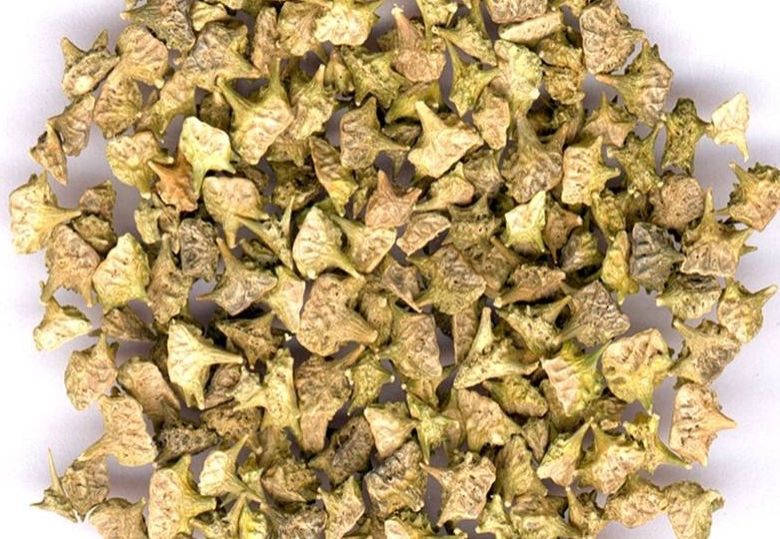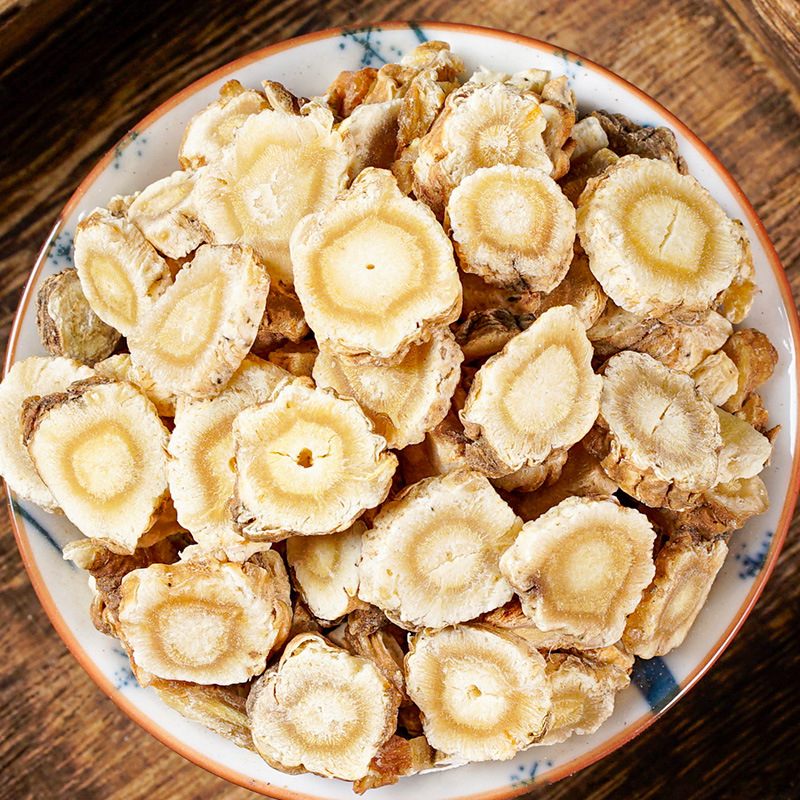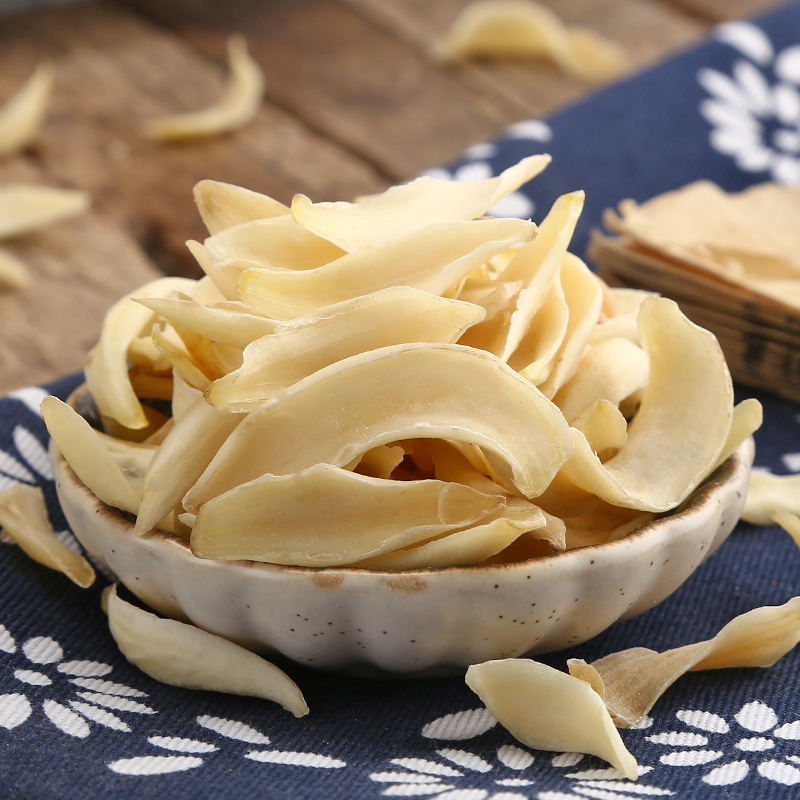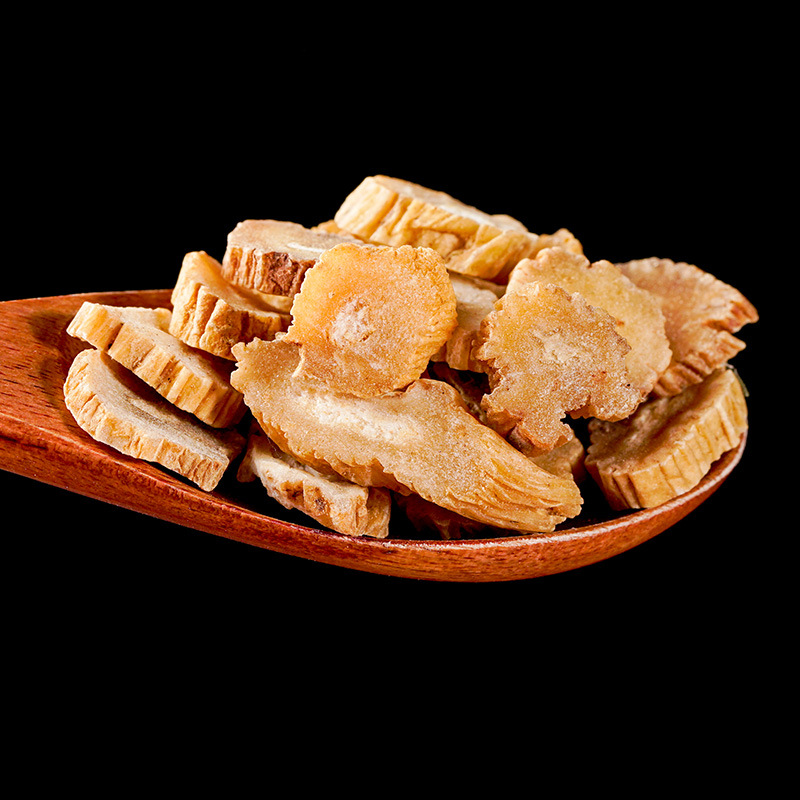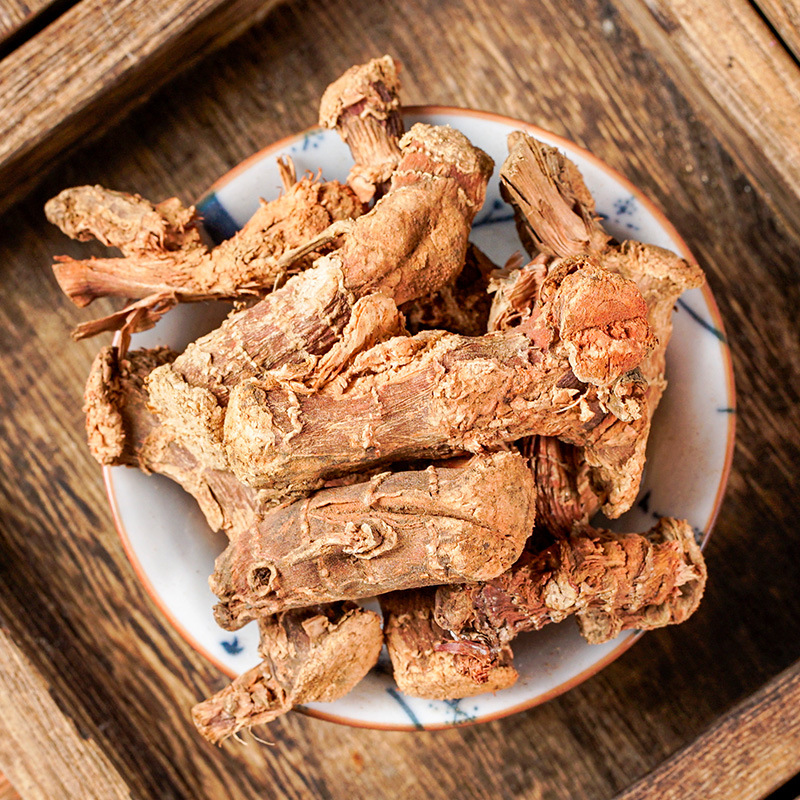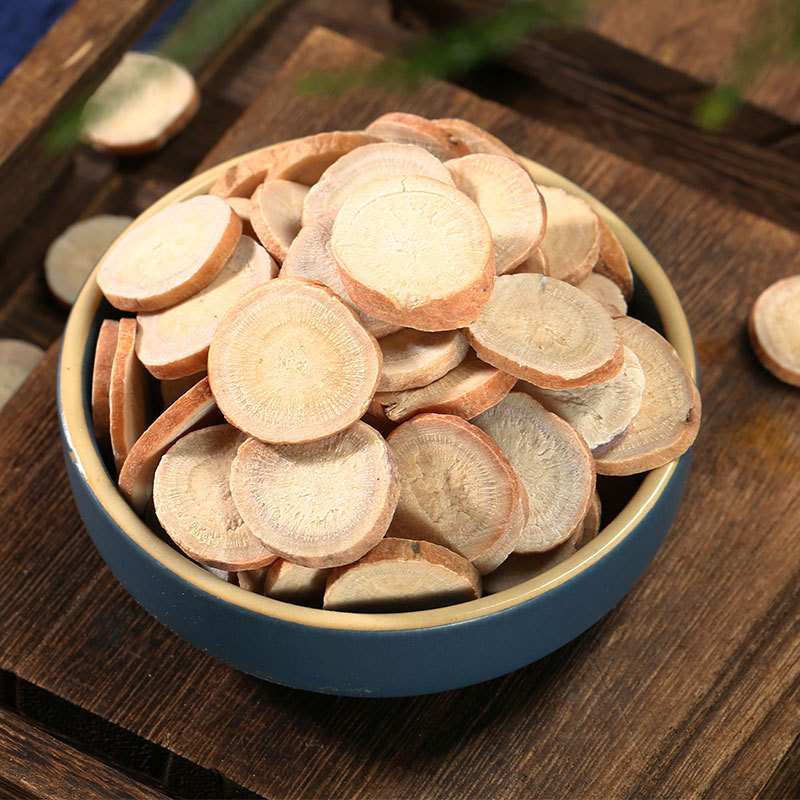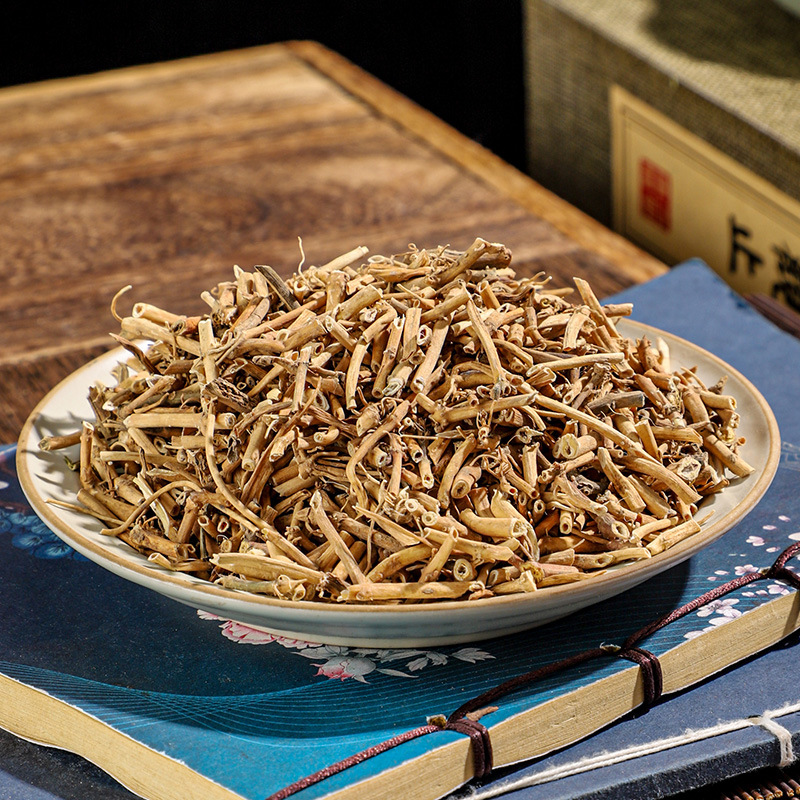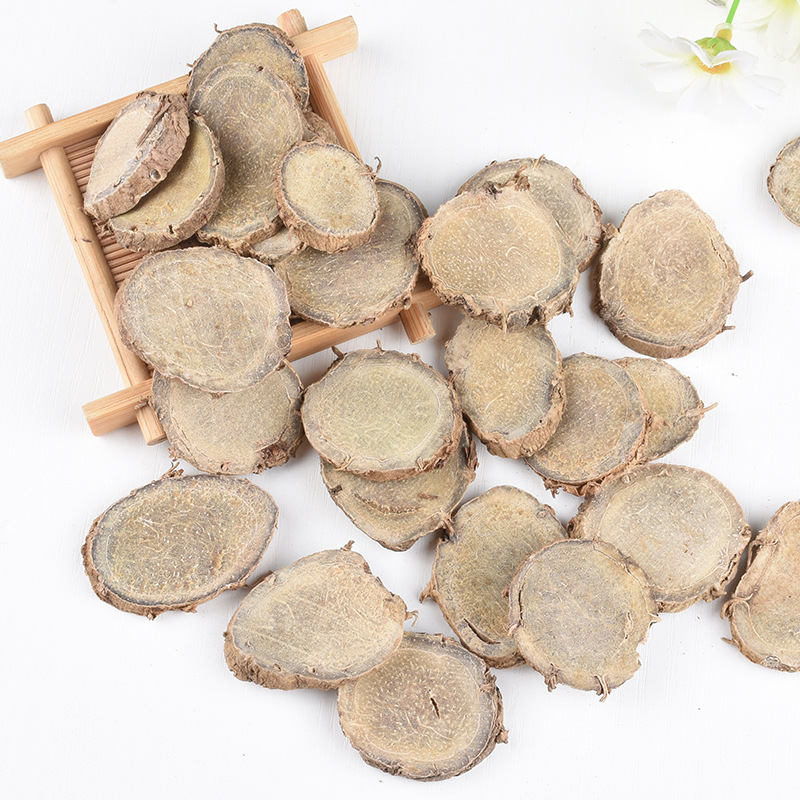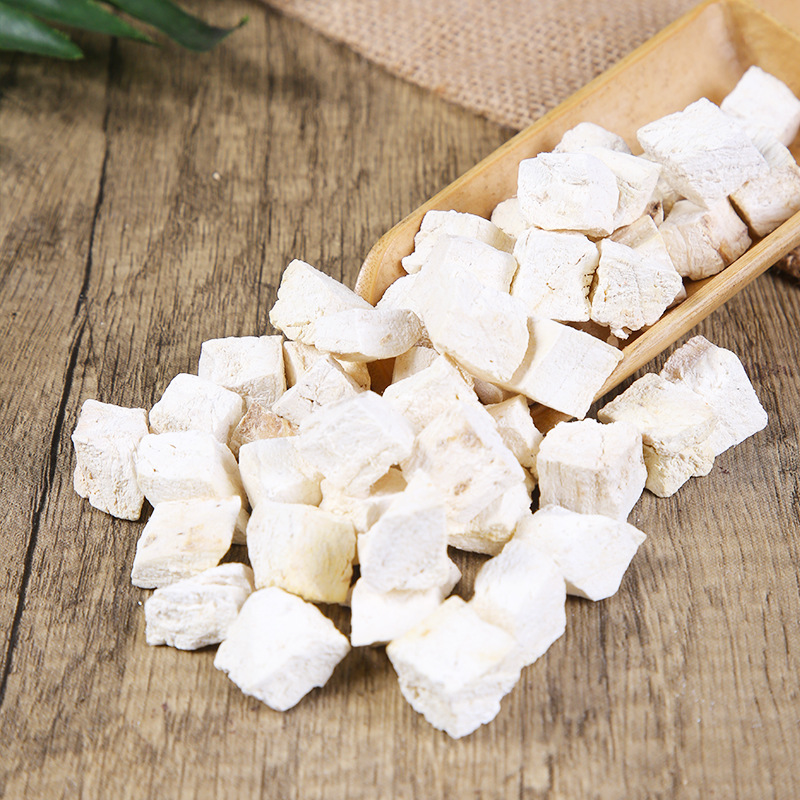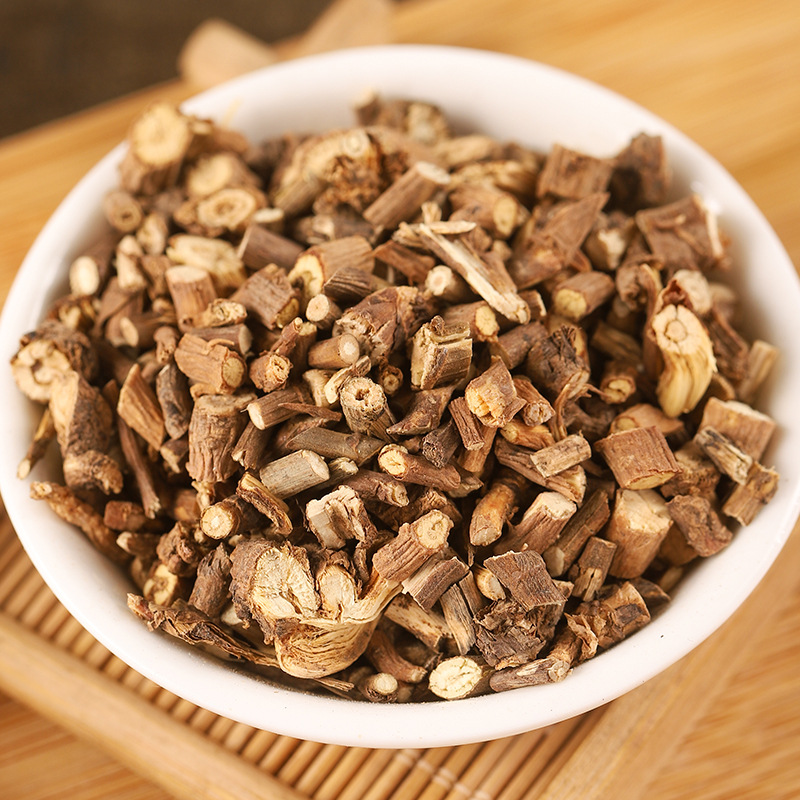
Tribulus terrestris is also known as white tribulus, and it is the fruit of the plant Tribulus terrestris. It gets its name because the small fruit has many hard thorns on the outside. It is mainly produced in Northeast China, North China, Xinjiang, Qinghai, and other regions. The fruit is harvested in autumn when it ripens, then the fruit is collected, fried until yellow, or processed with saltwater before use.
I. Efficacy and Application
Tribulus terrestris tastes bitter and pungent, and is neutral in nature. It belongs to the liver meridian.
Efficacy can calm the liver and soothe the liver, dispel wind and improve eyesight. Its characteristics include dispersing liver qi, effectively treating liver depression, dispelling wind and relieving itching, effectively treating skin itching.
Commonly used for the treatment of headaches, dizziness, distension and pain in the chest and hypochondrium, breast obstruction and mastitis, red eyes with nebula, and wind rash with itching.
Summary of Famous Works by Renowned Authors:
The Classic of the Materia Medica: "It primarily treats malignant blood, breaks accumulations and gatherings, treats throat impediment, and difficult delivery. Long-term consumption promotes muscle growth and improves vision."
Bie Lu: "Treats body wind itch, headache, infantile head sores, abscesses and swelling of the yin region."
II. Compatibility and Application
1. For headache, dizziness, and other symptoms caused by hyperactivity of liver yang. Tribulus terrestris has the effect of clearing the liver and suppressing yang, and is often combined with Uncaria, Concha Margaritifera, and Chrysanthemum.
2. For symptoms such as chest and hypochondriac discomfort and blocked lactation due to liver qi stagnation. Tribulus terrestris has the effect of soothing the liver and relieving depression, and is often combined with drugs such as Bupleurum, Green Tangerine Peel, and Cyperus.
3. For rubella itching. Tribulus terrestris is adept at dispelling wind and relieving itching, often combined with cicada slough and schizonepeta.
Li Ke often uses it together with Polygonum multiflorum to treat skin urticaria and itching, known as Dingfeng Dan. If combined with Taohong Siwu Tang, Guizhi Tang, black snake, Cortex Dictamni, and Cortex Moutan, it becomes Wushe Rongpi Tang, which treats various stubborn skin tinea.
Ben Cao Qiu Zhen: "It disperses wind pathogens from the liver meridian. For all cases of red, swollen eyes with nebula due to wind excess, as well as generalized vitiligo with unbearable itching, taking this will invariably yield effective treatment."
4. For redness of the eyes and excessive tearing caused by wind-heat. It is often combined with chrysanthemum, vitex fruit, and cassia seed to collectively expel wind-heat and improve vision, known as Tribulus Terrestris Powder.
If treating sudden onset of red eyes due to excessive fire in the upper jiao, cloud-like opacities, photophobia with excessive discharge, red and ulcerated eyelid margins, redness, swelling, pain, and itching, and tearing upon exposure to wind, it is often combined with Coptis chinensis, Ligusticum chuanxiong, Cicada slough, Mint, Scutellaria baicalensis, Buddleja officinalis, Abalone shell, etc., to collectively achieve the effects of clearing heat, dispelling wind, improving vision, and removing opacities, which is known as Mingmu Jili Wan.
III. Usage and Dosage
Tribulus terrestris is often used in decoctions and can also be made into pills or powders. Some texts mention that it has slight toxicity, so the dosage should generally not be excessive. The common dosage ranges from a few grams to over ten grams.
In clinical application, it should be distinguished from Semen Astragali Complanati.
Compendium of Materia Medica: "Ancient prescriptions used Tribulus terrestris for tonifying the kidneys and treating wind disorders, while later generations often used Astragalus complanatus for kidney tonification."
IV. Application Precautions
Tribulus terrestris is known for its dispersing and discharging properties, so it should be used with caution in cases of blood deficiency and qi weakness, as well as during pregnancy.