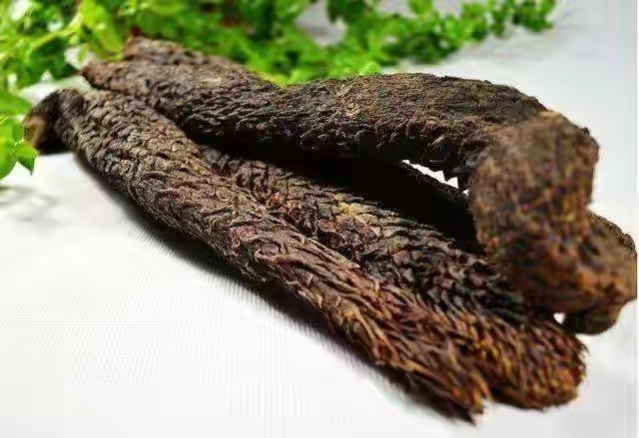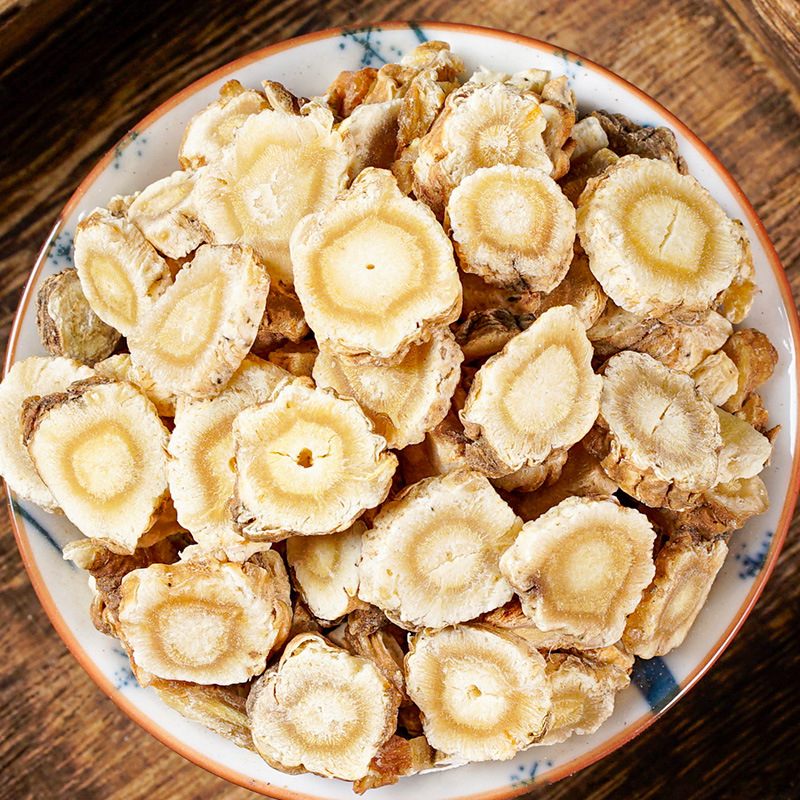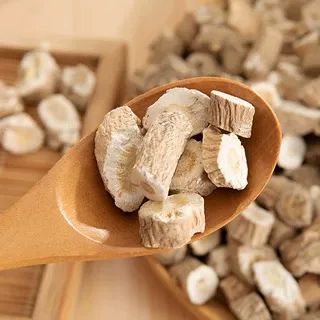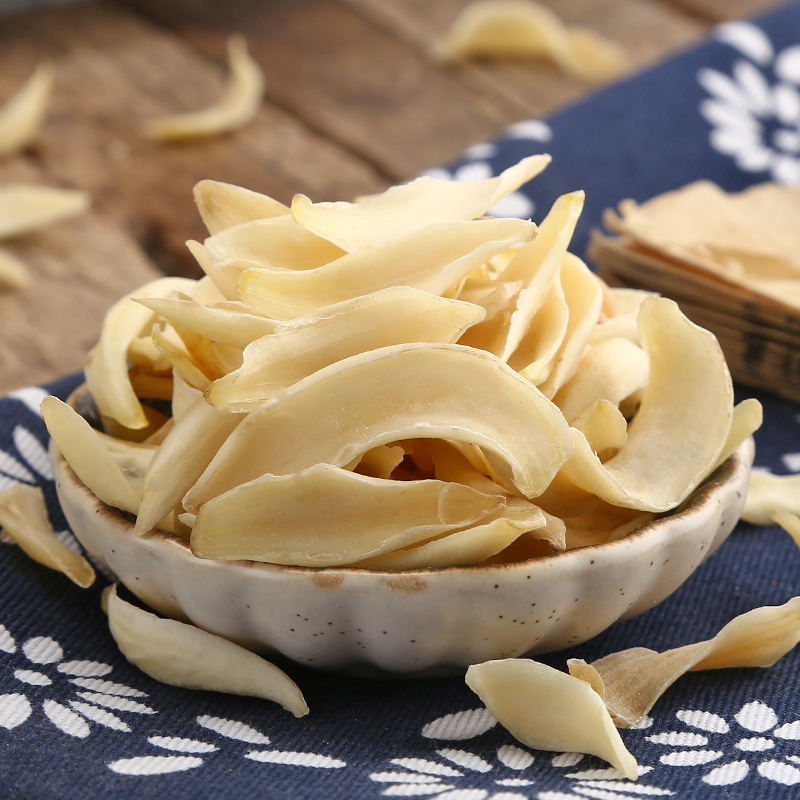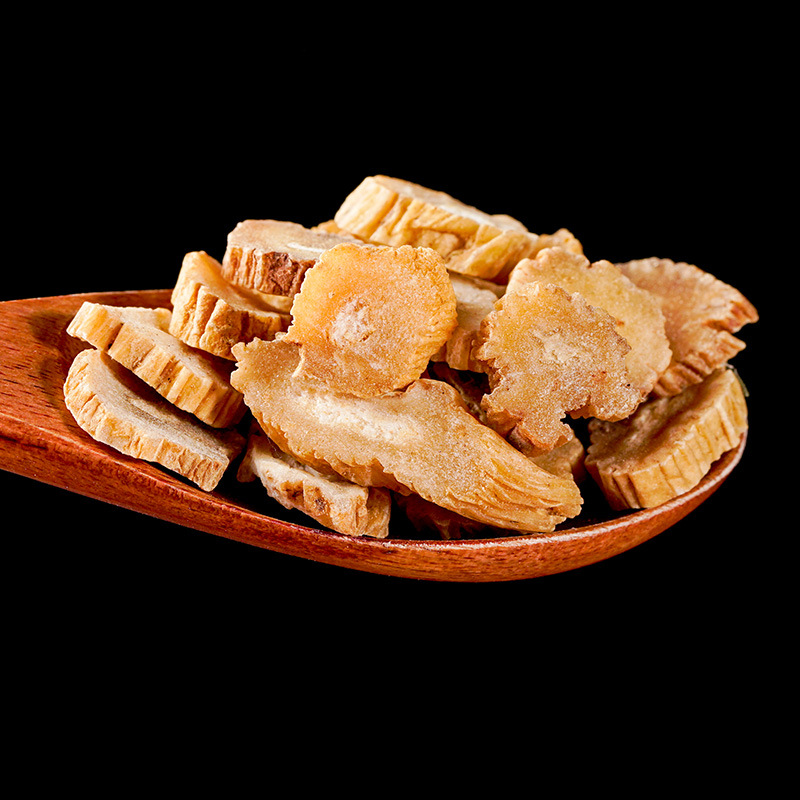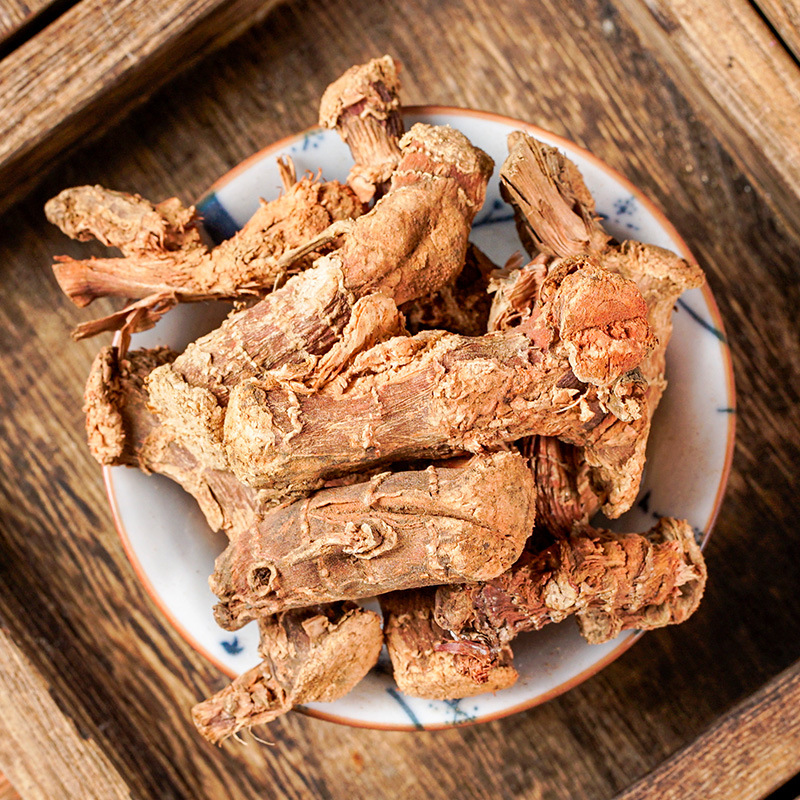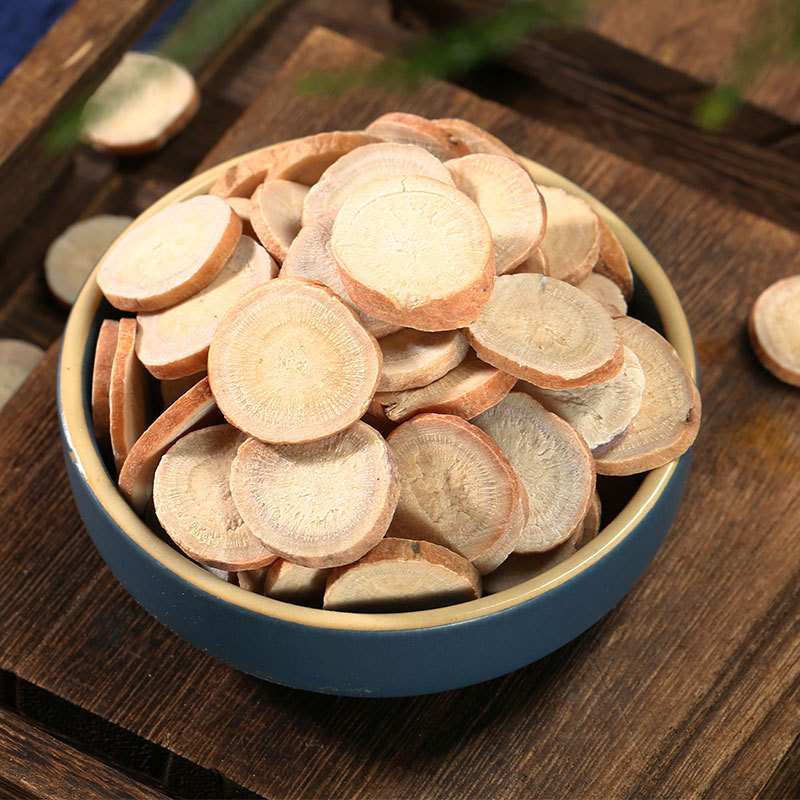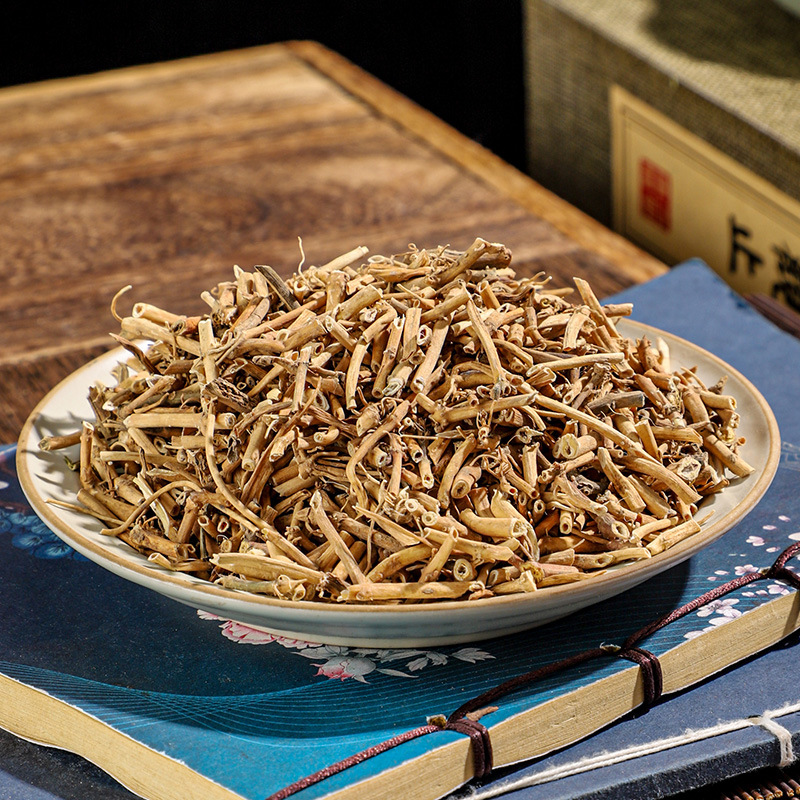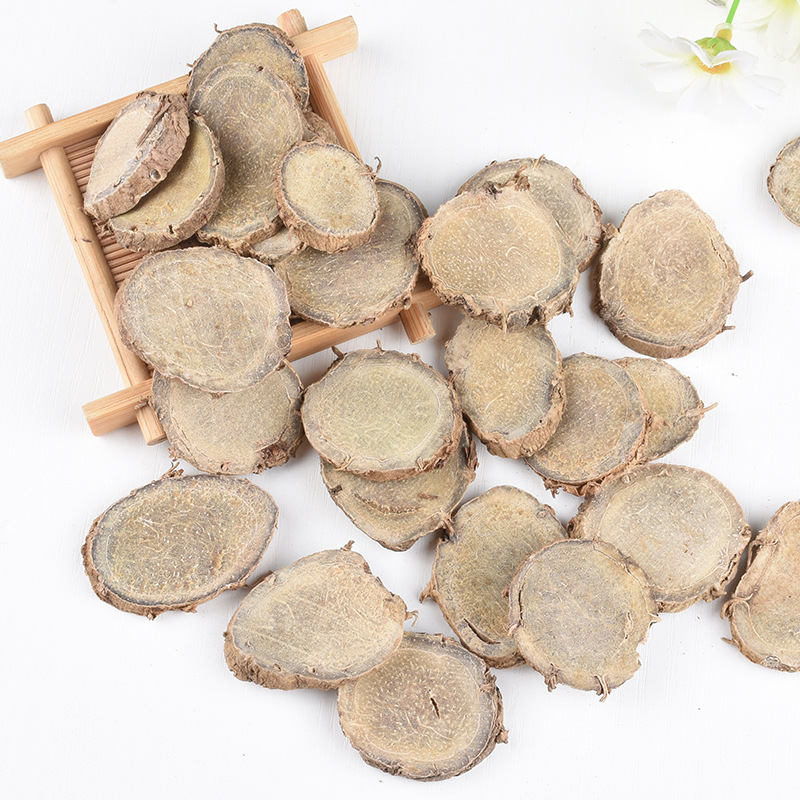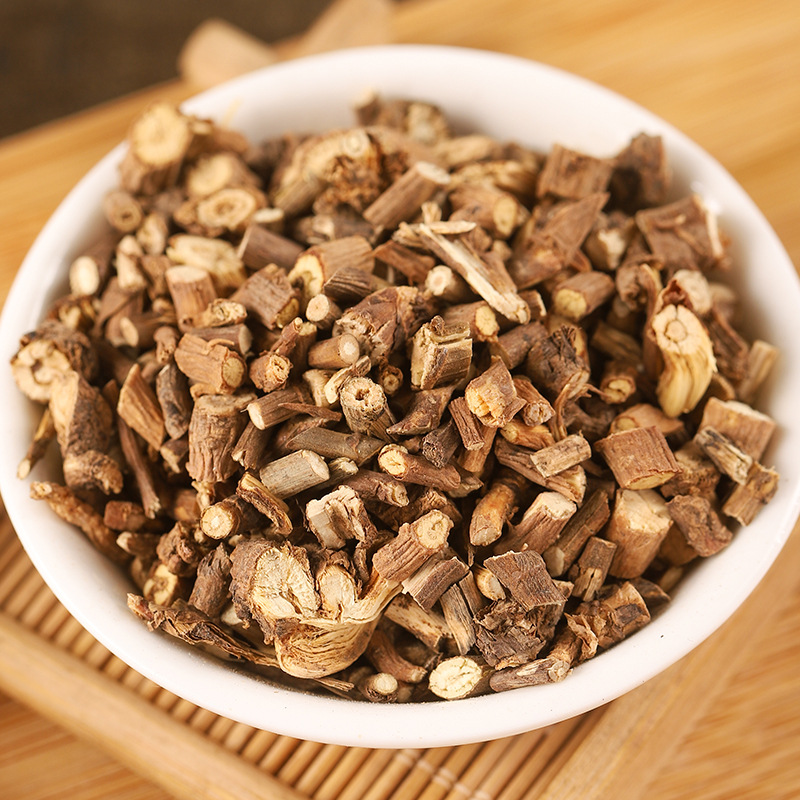
Cistanche deserticola, also known as Da Yun, is the fleshy stem of the parasitic plant Cistanche deserticola from the Orobanchaceae family. It is named for its gentle medicinal properties and meat-like texture. It is mainly produced in desert or semi-desert regions such as Xinjiang, Inner Mongolia, Gansu, and Qinghai. It is typically harvested in spring, dried, sliced, and used for medicinal purposes.
I. Efficacy and Application
Cistanche tastes sweet and salty, warm. It belongs to the kidney and large intestine meridians.
Efficacy can tonify the kidney and benefit essence, moisten the intestines and promote bowel movements. Its characteristics are warm but not hot, tonifying but not drastic, warming but not drying, slippery but not purgative, hence the name Cong Rong.
It is commonly used for the treatment of conditions such as impotence in men, infertility in women, leukorrhea, metrorrhagia, cold pain in the lower back and knees, and constipation due to blood deficiency.
Summary of Famous Works by Renowned Authors:
The Classic of Materia Medica: "It primarily treats the five strains and seven injuries, replenishes the middle, eliminates cold and heat pain in the stem, nourishes the five viscera, strengthens the yin, benefits the essence and qi, and treats abdominal masses in women."
Yao Xing Lun: "Benefits the marrow, improves complexion, prolongs life, treats women's metrorrhagia, strengthens yang, greatly tonifies and benefits, also treats leukorrhea."
Rihuazi's Materia Medica: "Treats male impotence and female infertility, moistens the five viscera, promotes muscle growth, warms the waist and knees, addresses male seminal emission, hematuria, dribbling urination, and vaginal pain with discharge."
Ben Cao Hui Yan: "It is a medicine that nourishes the life gate, enriches kidney qi, and supplements essence and blood."
Jade Carving Medicine Explanation: Cistanche deserticola nourishes wood and clears wind, enriches blood and moistens dryness, effectively lubricates the large intestine, and expels hardened stool. Its nature is calm and unhurried, not to the point of causing dampness or damaging the spleen, unlike other moistening medicines.
"Compendium of Materia Medica": "Tonifies the ministerial fire of the life gate, moistens the five viscera, benefits the marrow and strengthens the sinews. Treats the five strains and seven injuries, impotence and infertility, cold pain in the lower back and knees, uterine bleeding, leukorrhea, and seminal emission, vigorously tonifies essence and blood."
II. Compatibility and Application
1. For impotence, infertility, cold pain in the lower back and knees, or weakness in the bones and muscles. Cistanche deserticola has the effect of tonifying kidney yang and replenishing essence and blood. To treat kidney deficiency with essence depletion or impotence, it is often combined with prepared rehmannia root, dodder seeds, and schisandra berries, known as Cistanche Deserticola Pill.
If treating deficiency of essence and blood, it is often combined with deer antler glue, Chinese angelica root, and prepared rehmannia root.
For treating cold pain in the waist and knees, and weakness in the tendons and bones, it is often combined with Morinda officinalis, Dioscorea hypoglauca, and Eucommia ulmoides, known as Jingang Pill.
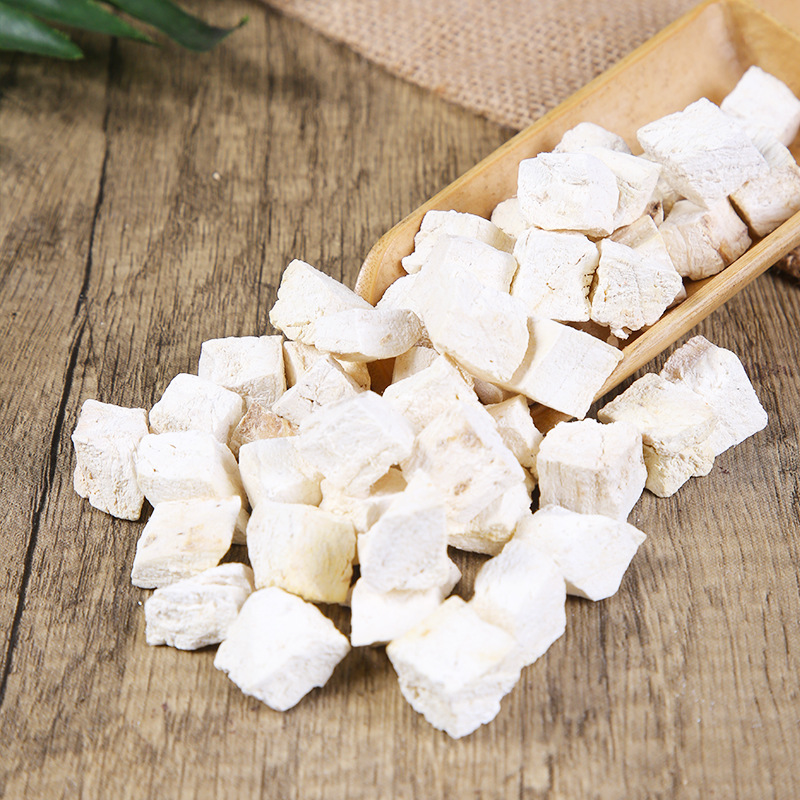
"Shengji Zonglu": "For treating kidney deficiency with white turbidity, use equal parts of Cistanche deserticola, deer antler, Chinese yam, and white poria. Form into pills the size of wu zi (seeds of the Chinese honey locust) with rice paste. Take thirty pills each time with jujube decoction."
Medical Guide: "For treating excessive hunger in diabetes, combine Cistanche deserticola, Cornus officinalis, and Schisandra chinensis to make honey pills the size of Chinese parasol tree seeds. Take twenty pills each time with salt water."
2. Used for constipation due to intestinal dryness and fluid depletion. Cistanche deserticola can moisten the intestines and promote bowel movements, especially for cases of yang deficiency or deficiency of essence and blood accompanied by intestinal dryness and constipation. It is often combined with hemp seeds and agarwood, as in the formula known as the Moistening Intestine Pill.
If treating constipation due to blood deficiency, it is often combined with Angelica sinensis and Polygonum multiflorum, and decocted together for oral administration.
Ben Cao Jing Shu: "Cook thoroughly with white wine and consume in one sitting to treat constipation in the elderly."
Huang Yuanyu said, "Warm the waist and knees, strengthen the bones and tendons, nourish the essence and blood of the kidneys and liver, and moisten the dryness of the intestines and stomach."
Zhu Liangchun's Application Experience: For treating symptoms such as coldness in the waist, knees, and feet, weakness and fatigue, dizziness, tinnitus, impotence, and nocturnal emissions due to kidney yang deficiency, it is often combined with Rehmannia glutinosa, Dioscorea opposita, and Psoralea corylifolia. For treating ankylosing spondylitis of kidney deficiency type, it is often combined with Cibotium barometz, Psoralea corylifolia, Cervus nippon antler frost, Pyrola calliantha, and Dioscorea nipponica. For treating chronic nephritis proteinuria, it is often combined with Codonopsis pilosula, Atractylodes macrocephala, Euryale ferox, and Rosa laevigata. For treating acne, it is often combined with raw hawthorn, raw Coix seed, and dandelion. For treating lumbar degenerative diseases and knee osteoarthritis, it is often combined with Clematis chinensis, Drynaria fortunei, Eupolyphaga sinensis, and Polistes mandarinus. For treating muscular dystrophy and muscle atrophy, it is often combined with Epimedium brevicornu, roasted Astragalus membranaceus, fried Atractylodes macrocephala, Angelica sinensis, and Codonopsis pilosula. This method involves complementing the innate and acquired aspects, promoting the mutual generation of essence and blood, to nourish the muscles. In addition, Cistanche deserticola can also be used for cystic hyperplasia of the breast, often combined with Cynomorium songaricum, turtle shell, Eupolyphaga sinensis, Sinapis alba, peach kernel, safflower, Sargassum, and oyster.
III. Usage and Dosage
Cistanche deserticola is often used in decoctions, and can also be made into pills, powders, or soaked in wine for consumption. The typical dosage in decoctions ranges from a few grams to several tens of grams, with larger amounts often used for its laxative effects.
The processing methods of Cistanche deserticola vary, leading to differences in efficacy. For instance, after harvesting, if it is sun-dried or buried in sandy soil to dry, it excels at tonifying the kidneys and replenishing essence, benefiting both yin and yang. Salt-processed Cistanche is particularly effective for tonifying the kidneys and strengthening yang, suitable for kidney deficiency with lower back pain, and also has a laxative effect. Wine-processed Cistanche is adept at warming and unblocking kidney yang, strengthening tendons and bones, making it suitable for conditions such as deficiency and cold in the lower jiao, soreness and weakness in the lower back and knees, impotence, and coldness in the genital area.
Wang Ang said, "Those that are as long as an arm, weigh up to a pound, and have pinecone-like scales are considered good."
IV. Application Precautions
Cistanche deserticola is warm in nature and moist in quality, easily causing intestinal smoothness and phlegm production, so it is contraindicated for those with yin deficiency and fire excess, as well as those with diarrhea; it should also be avoided for those with constipation due to gastrointestinal excess heat.
"Ben Cao Jing Shu": "Contraindicated for diarrhea, and for those with heat in the kidneys, strong yang easily aroused, and unconsolidated essence."
Materia Medica with Explanations: "Contraindicated for those with exuberant ministerial fire and weak stomach and intestines."
De Pei Ben Cao: Avoid copper and iron. Contraindicated in cases of excessive fire causing constipation, heart deficiency, and qi distension.
Wang Ang said: "Sudden use may harm the heart and cause loose stools."