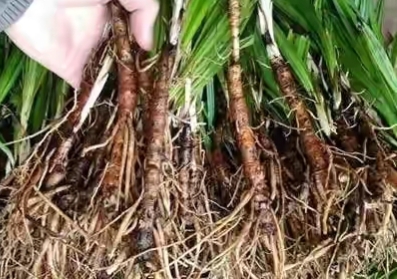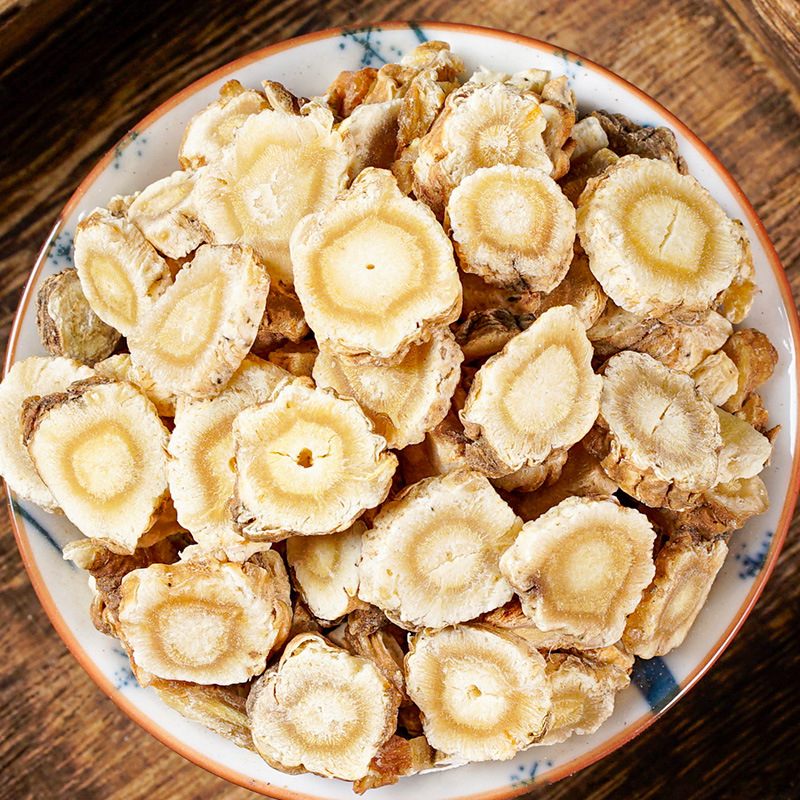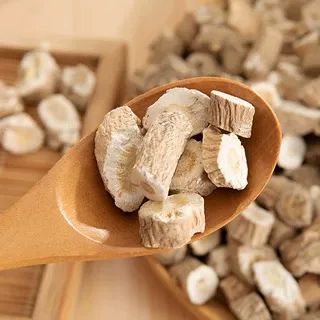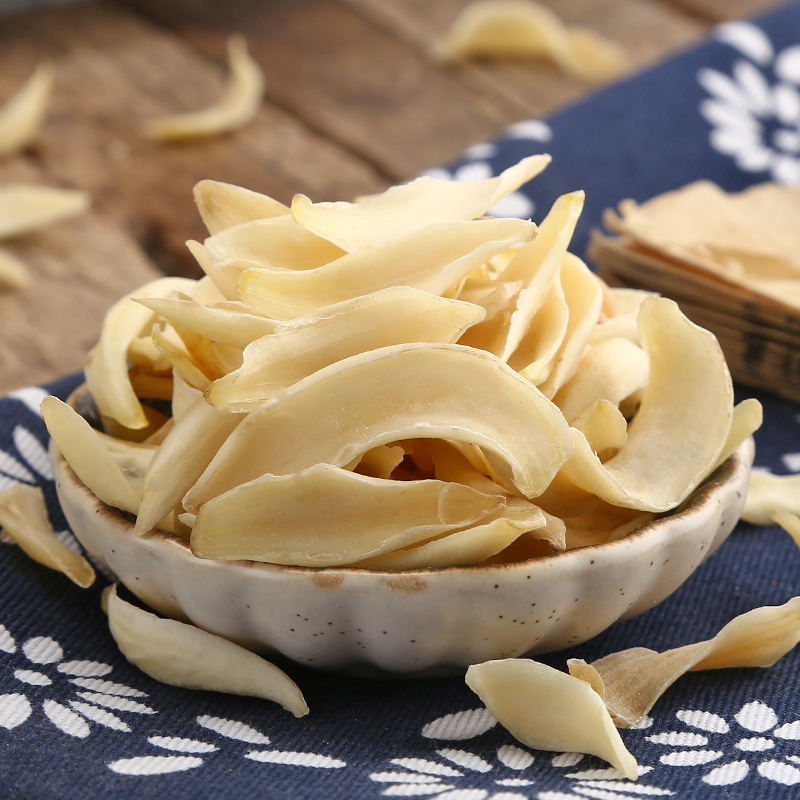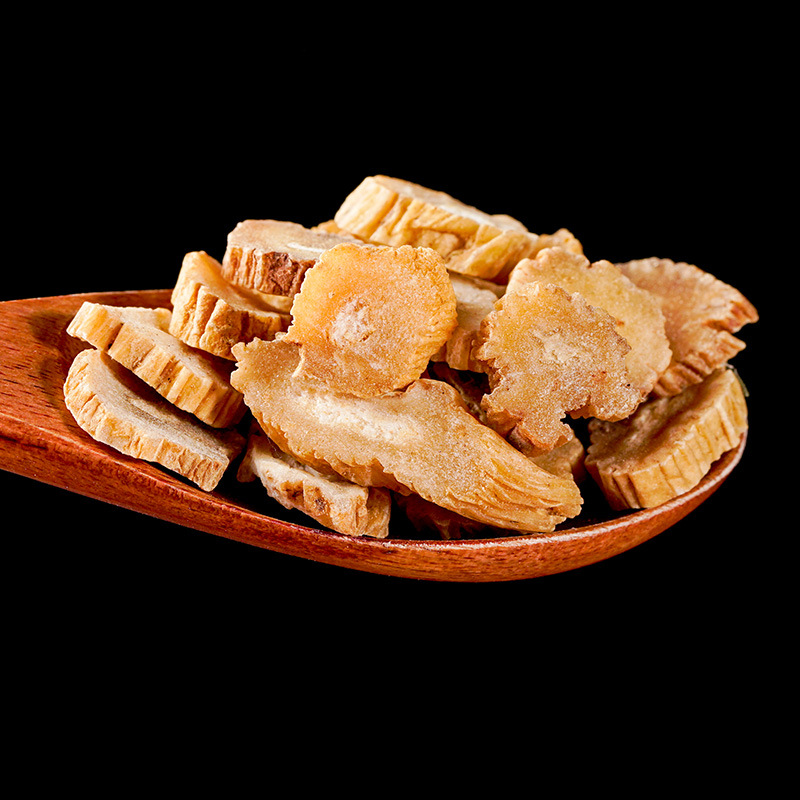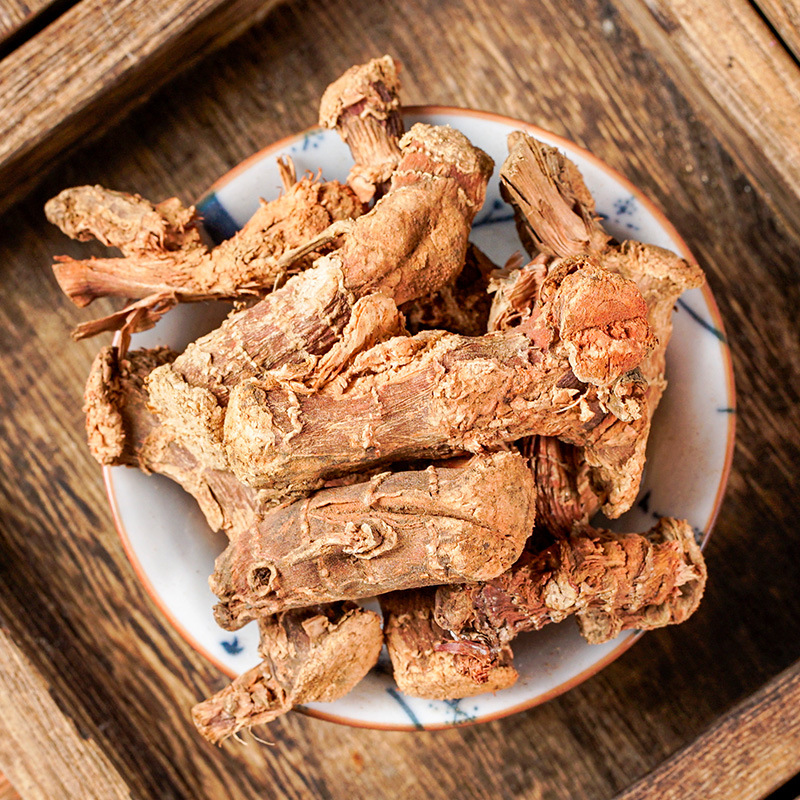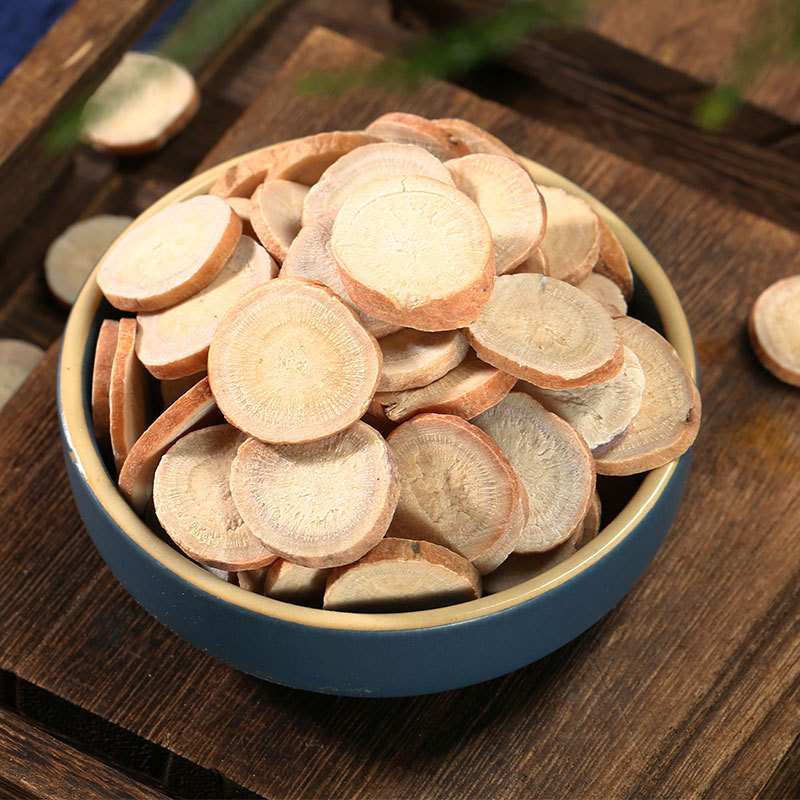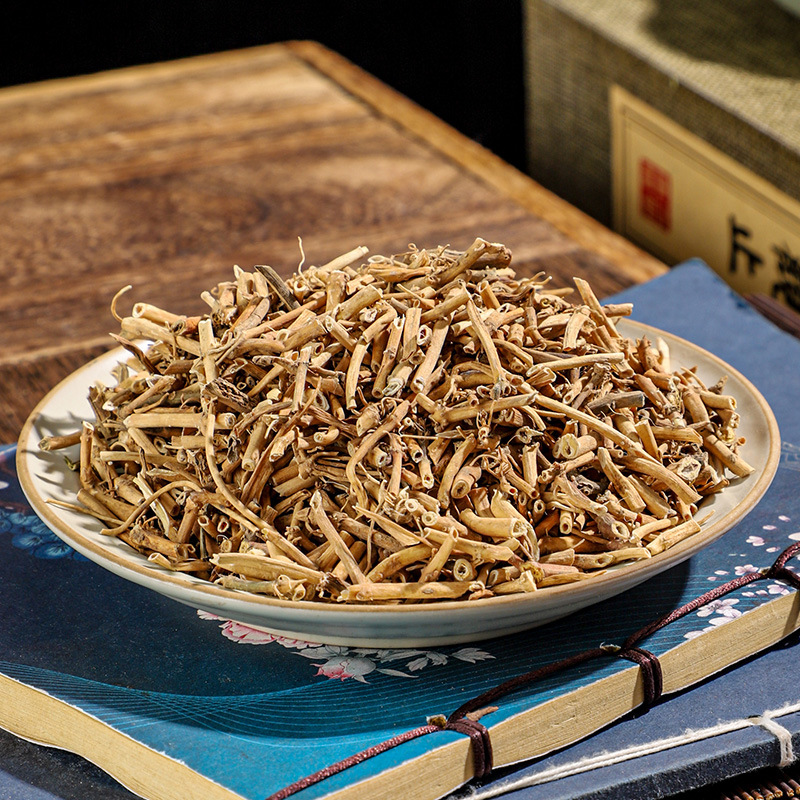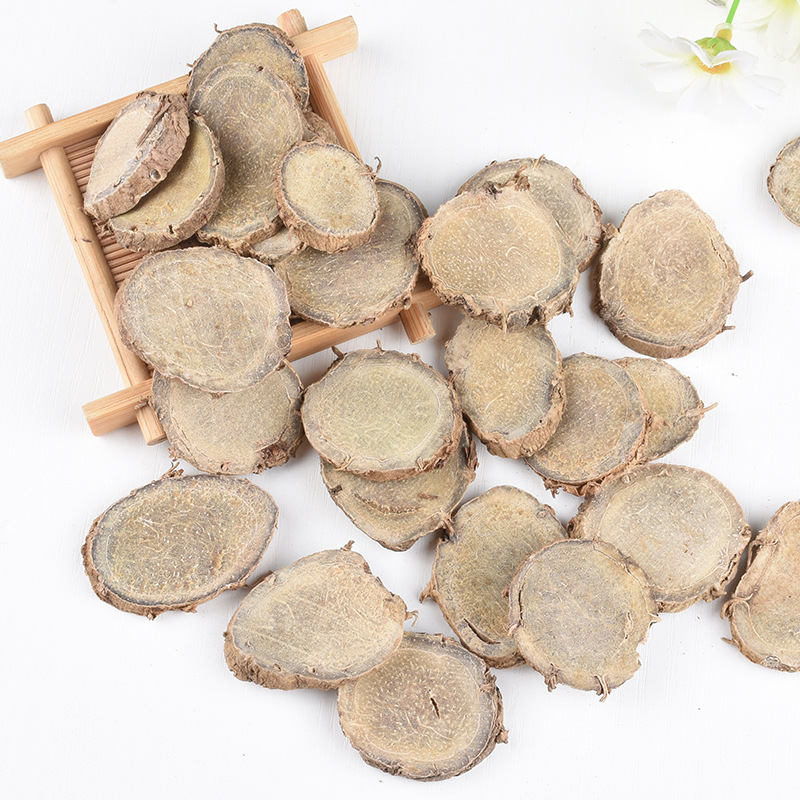
Curculigo is the rhizome of the herbaceous plant Curculigo orchioides Gaertn. from the Amaryllidaceae family. It was first introduced to China during the Tang Dynasty along with Buddhism. At that time, it was used as a kidney-tonifying and yang-strengthening medicine and was widely consumed. Later, people discovered that this herb is toxic, and the trend of indiscriminate consumption gradually subsided. As stated in the "Poem of Curculigo": "The envoy took it away just yesterday, and today people come seeking epitaphs," indicating that many people died from the indiscriminate use of Curculigo at that time. Today, Sichuan produces the largest quantity. It is harvested in spring and autumn, dried in the sun, and used either sliced raw or after soaking in rice-washed water and slicing.
I. Efficacy and Application
Xianmao tastes pungent, hot, and toxic. It belongs to the kidney meridian.
Efficacy It can warm the kidneys and strengthen yang, dispel cold and remove dampness. Its characteristic efficacy is similar to that of Morinda officinalis and Epimedium, but its warm and dry nature is stronger, and it has a certain toxicity, so it should not be taken indiscriminately as a general kidney-tonifying product.
It is commonly used for the treatment of impotence and cold semen, urinary incontinence, cold pain in the epigastrium and abdomen, soreness and pain in the lower back and knees, weakness of tendons and bones, and spasms in the lower limbs.
Summary of Famous Works by Renowned Authors:
The Hai Yao Ben Cao: "It governs wind, warms and supplements the waist and feet, strengthens sinews and bones, and boosts yang."
"Kaibao Materia Medica": "It primarily treats cold qi in the heart and abdomen causing inability to eat, wind-cold in the waist and legs leading to spasms and numbness that hinder walking, deficiency and fatigue in men, and incontinence in the elderly. It enhances male yang function."
Compendium of Materia Medica: "Curculigo rhizome is hot in nature and is a medicinal herb that tonifies the triple energizer and the gate of life. It is only suitable for those with yang deficiency, cold essence, and inherently weak constitution. If taken by individuals with a robust physique and excessive ministerial fire, it may instead stir up fire."
Jade Mallow Medical Explanation: "Curculigo warms water and nourishes wood, restores the pulse and clears wind, nourishes sinew strength, benefits the bedchamber, treats jade dust limpness and softness, and skin wind leprosy."
Ben Cao Bei Yao: "Pungent, hot, slightly toxic. Assists the life-gate fire, benefits yang function, brightens the ears and eyes, tonifies deficiency and fatigue. Treats incontinence and infertility, cold qi in the heart and abdomen causing inability to eat, cold bi syndrome in the waist and feet causing inability to walk."
II. Compatibility and Application
Curculigo is pungent and hot in nature, and it is potent in strengthening kidney yang and dispelling cold-dampness. It is often combined with Epimedium to treat conditions such as impotence with cold semen, urinary incontinence, cold pain in the heart and abdomen, and cold bi syndrome of the waist and knees. For the treatment of exhaustion syndrome characterized by fatigue and weakness, it can be further combined with Agrimony to form the Three Immortals Decoction.
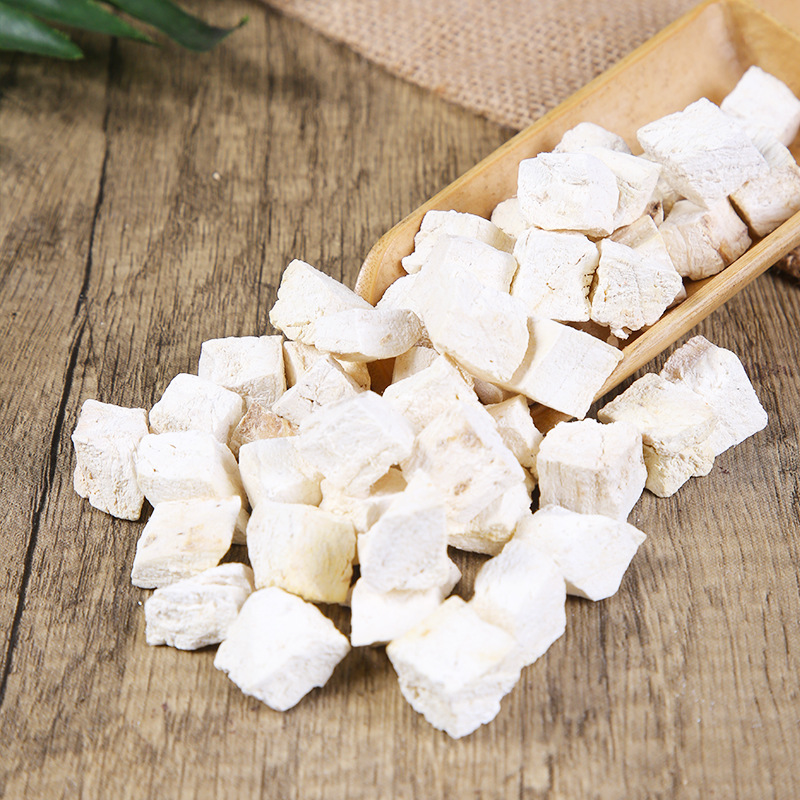
If treating weakness of the waist and knees, dizziness and dim vision, it can be combined with Atractylodes Rhizome, Wolfberry Fruit, Poria, and Rehmannia Root, known as Xianmao Wan.
Xianmao is also suitable for soaking in wine for consumption.
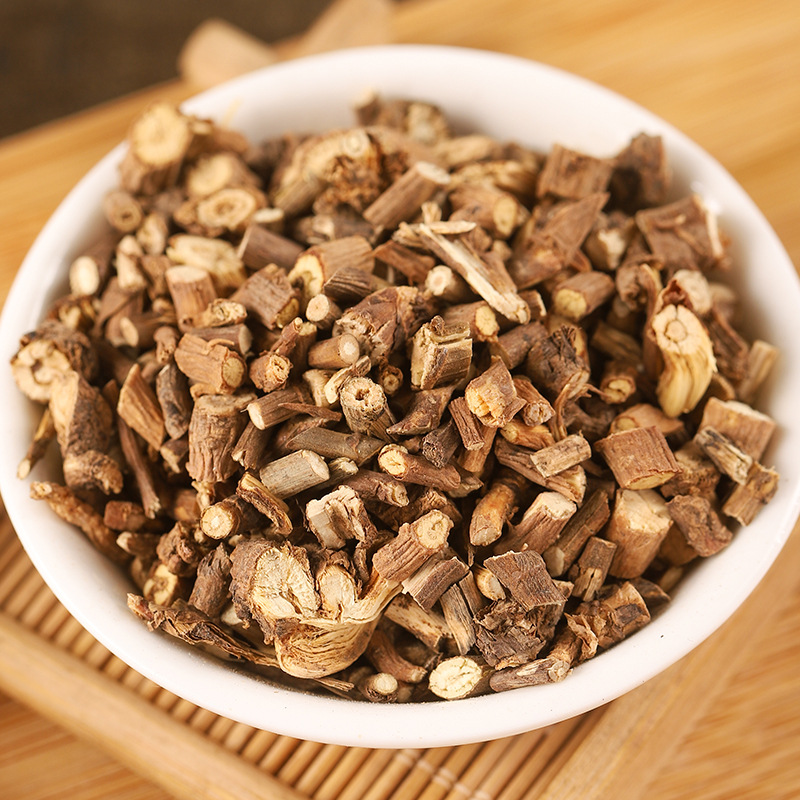
Xianmao Wine Recipe: Xianmao, Epimedium, and Acanthopanax bark, 20 grams each, 100 pieces of longan meat (pitted), 10 jin of good wine, soak for 7 days, take a small amount before bed. Can tonify the kidney and strengthen yang, nourish blood and calm the mind.
National Compilation of Chinese Medicinal Herbs Prescription for Scleroderma: Curculigo orchioides, Epimedium, Cinnamomum cassia twig, Carthamus tinctorius, Paeonia lactiflora, each 9 grams; Ligusticum chuanxiong, 12 grams; raw and prepared Rehmannia glutinosa, each 3 grams; honey-fried Glycyrrhiza uralensis, 3 grams. Decoct in water for oral administration.
Herbal Manual Prescription for Nocturnal Emission and Turbid Urine: 15g of Curculigo orchioides, 6g of Lotus Plumule, decoct in water for oral administration.
III. Usage and Dosage
Xianmao is often used in decoctions, can also be made into pills or powders, and is suitable for soaking in wine for consumption. The common dosage in decoctions ranges from a few grams to over ten grams. Due to its slight toxicity, it is often processed before being used in medicine.
Wang Ang said: "Remove the skin with a bamboo knife, slice, soak in glutinous rice water to remove the red juice, and detoxify before use. Avoid contact with iron."
IV. Application Precautions
Curculigo is hot and dry in nature and slightly toxic. Overdose or long-term use can easily damage yin, so it is contraindicated for those with yin deficiency and fire excess.
"Ben Cao Jing Shu": All cases of yin deficiency with fever, cough, hemoptysis, epistaxis, gingival bleeding, hematuria, blood strangury, seminal emission, leukorrhea, nocturnal emission, kidney deficiency with low back pain, weakness of the feet and knees, flaring up of deficient fire, dry mouth and sore throat, impotence due to loss of will, exhaustion of essence due to water depletion, infertility, solitary yang without yin in the elderly, enuresis and seminal loss, blood deficiency failing to nourish the sinews leading to hemiplegia and flaccidity, inability of stomach heat to digest food, stomach deficiency fire causing hunger and restlessness, three types of diabetes and five types of jaundice, yin deficiency with internal heat and external cold, yang reversal with fire extreme resembling water, and other such conditions, are all contraindicated.
Wang Ang said, "Those with exuberant ministerial fire should avoid taking it."
Symptoms of Curculigo orchioides poisoning, when mild, commonly include numbness and tongue swelling, and in severe cases, may lead to fainting, convulsions, or even death.