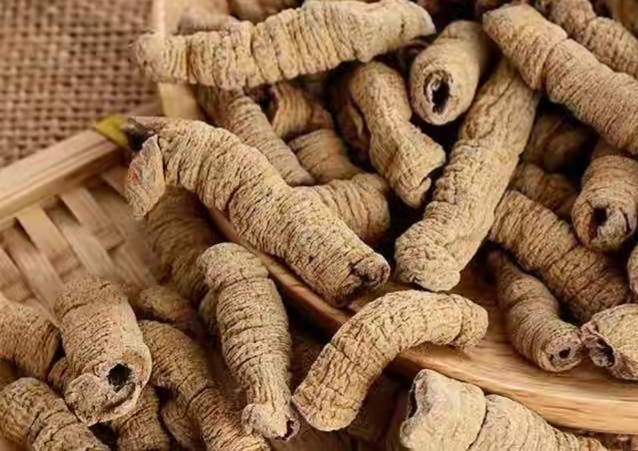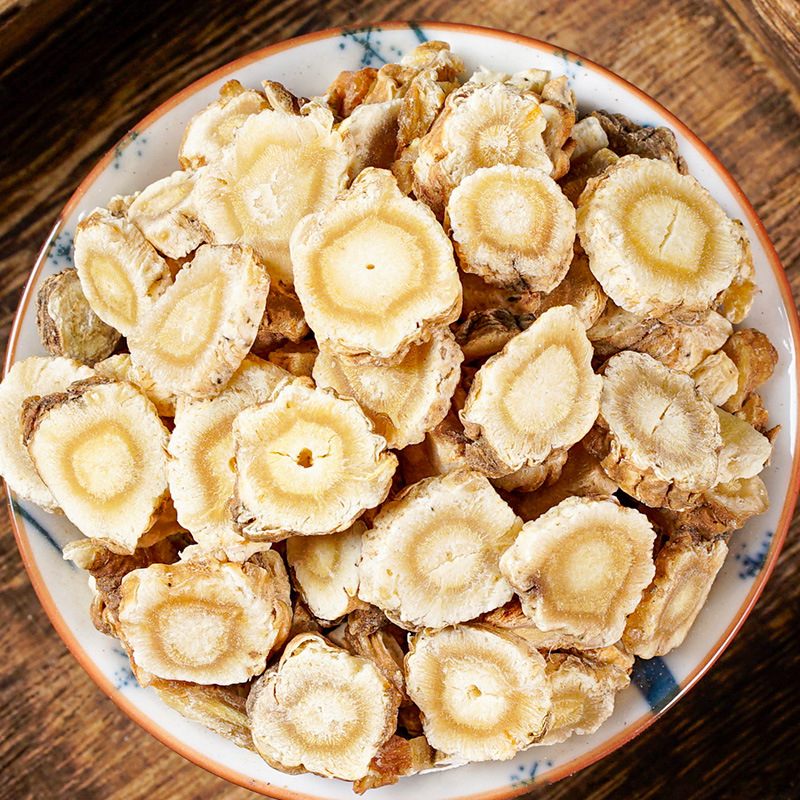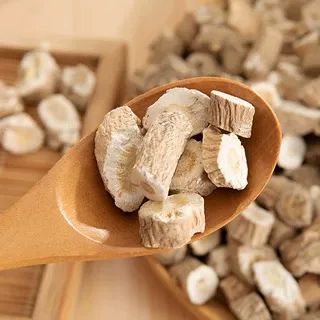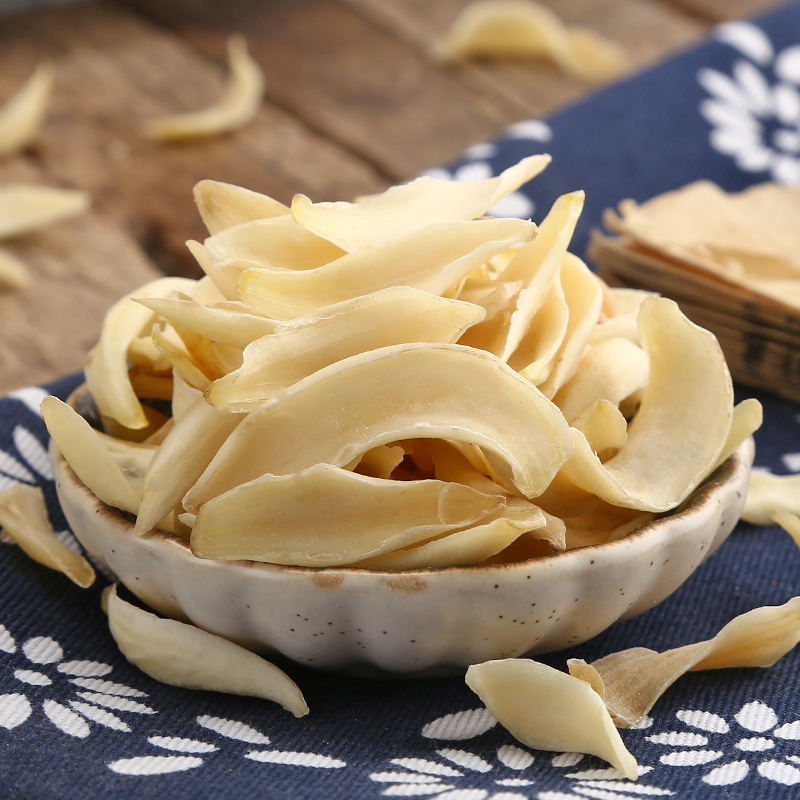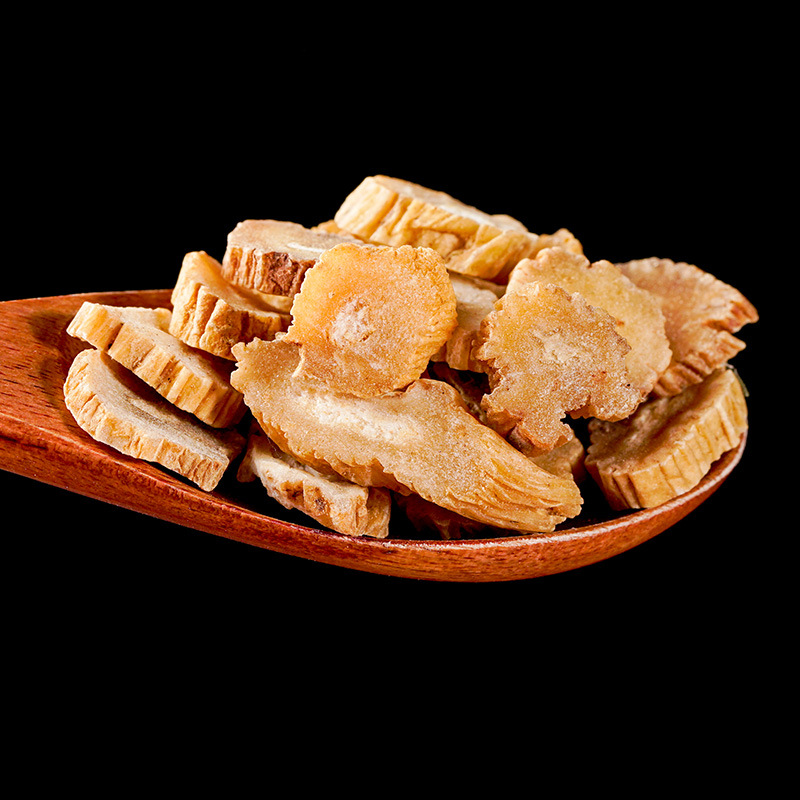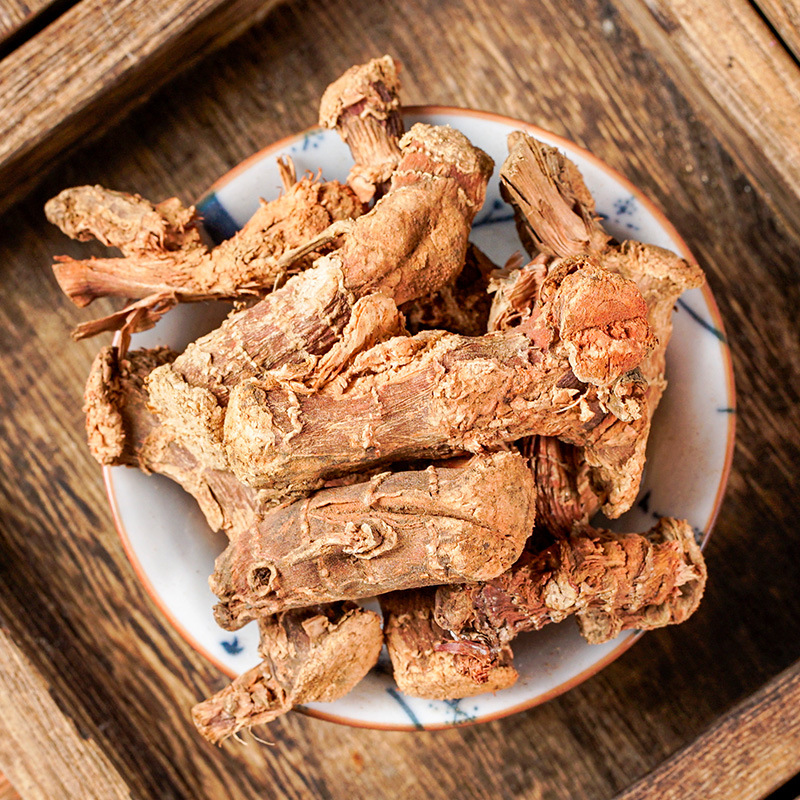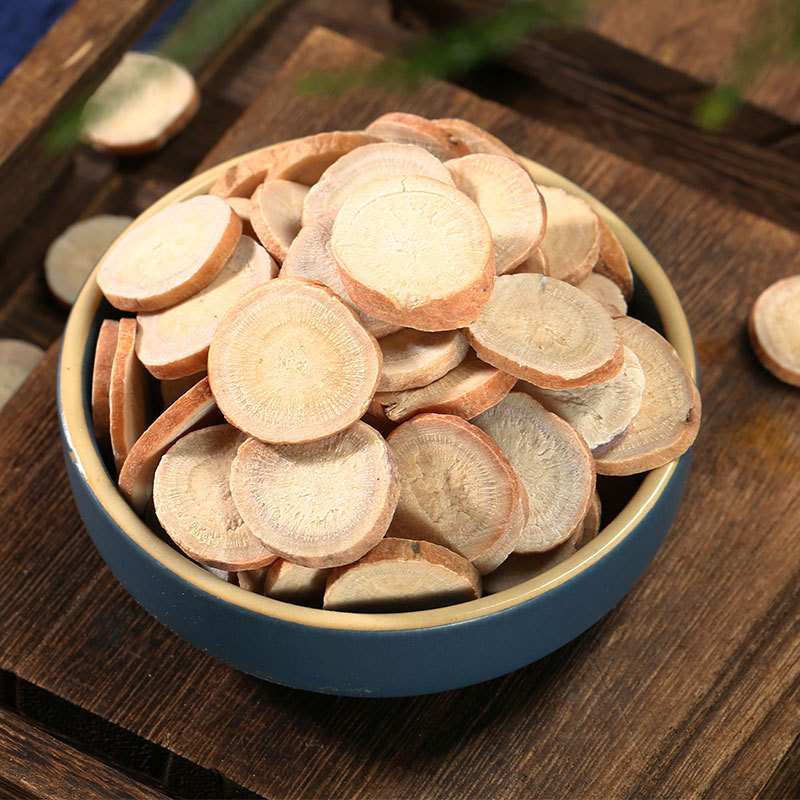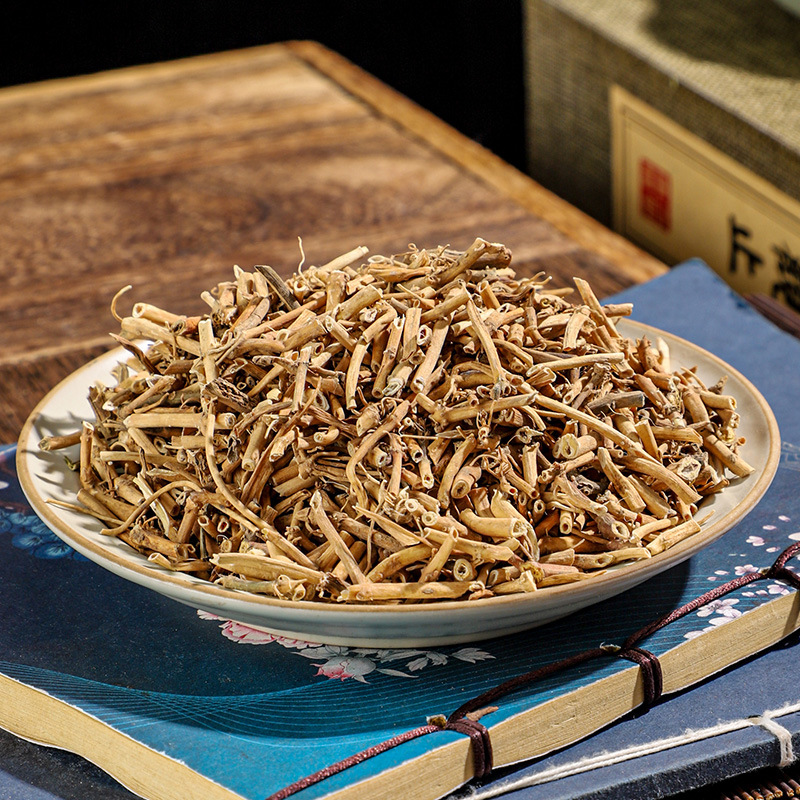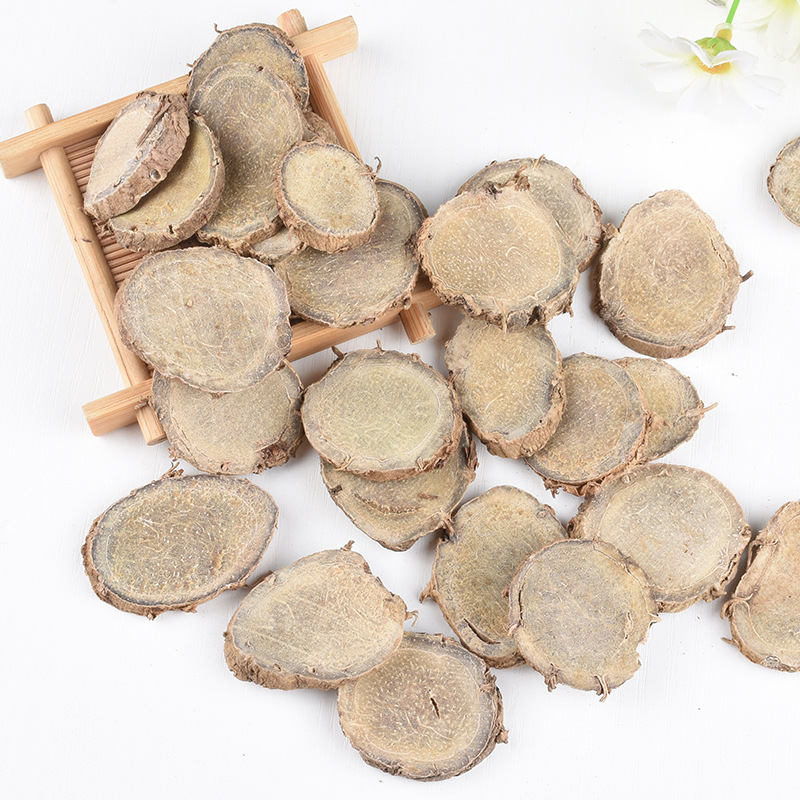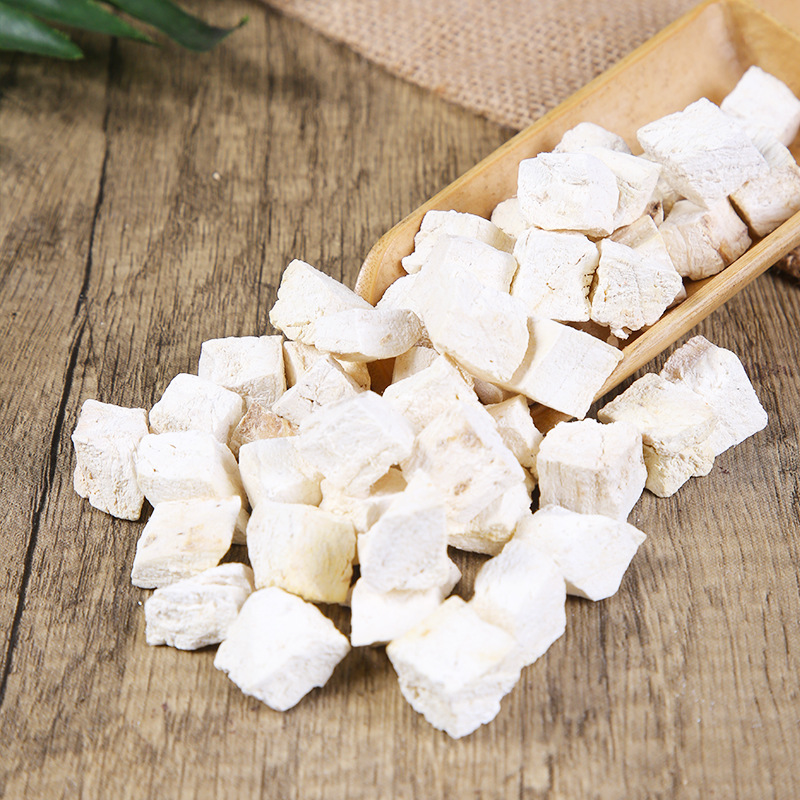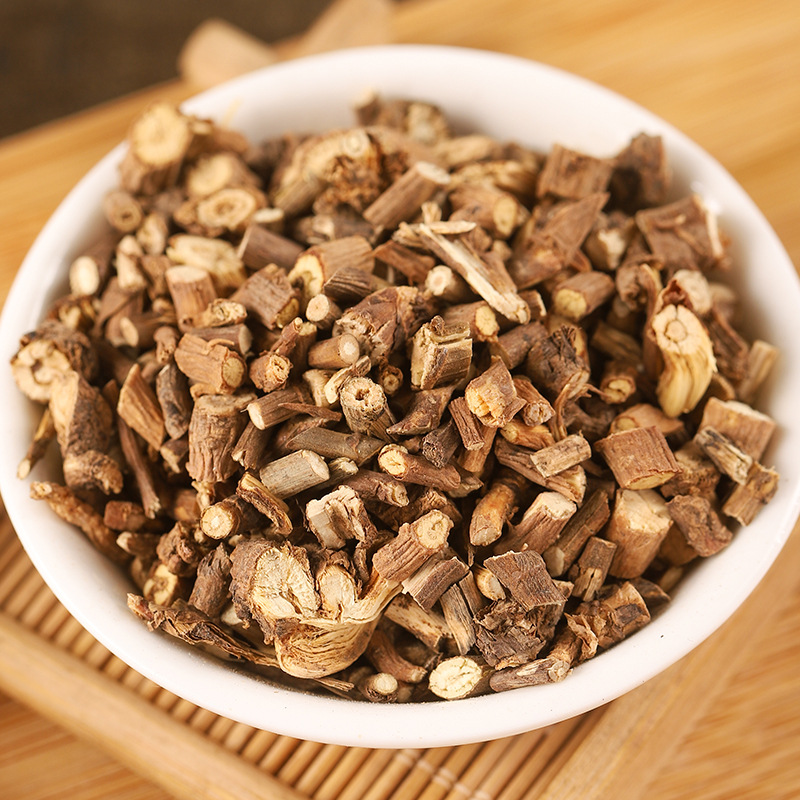
Morinda officinalis is also known as Morinda root, which is the root of the plant Morinda officinalis from the Rubiaceae family. The character "Ba" in its name refers to the region of Bashu, while "Ji Tian" is a metaphor for strengthening the kidneys and treating impotence. It is mainly produced in Guangdong, Guangxi, Fujian, Jiangxi, and other areas. After harvesting, it is dried in the sun, then moistened or steamed before use, with the woody core removed, and sliced or stir-fried with saltwater for medicinal purposes.
I. Efficacy and Application
Morinda officinalis tastes pungent and sweet, slightly warm. It belongs to the kidney meridian.
Efficacy It can tonify kidney yang, strengthen bones and muscles, and dispel wind-dampness. Its characteristics include warming the kidneys and strengthening the governor vessel, with strong potency for treating impotence, making it a powerful tonic for enhancing strength.
Commonly used for the treatment of impotence and seminal emission, cold uterus and infertility, irregular menstruation, cold pain in the lower abdomen, rheumatic pain, and weakness of the sinews and bones.
Summary of Famous Works by Renowned Authors
"The Classic of Materia Medica": "It primarily treats severe wind and pathogenic qi, impotence and inability to rise, strengthens tendons and bones, calms the five viscera, tonifies the middle, enhances willpower, and boosts qi."
"Compendium of Materia Medica": "Treat beriberi, dispel wind diseases, and replenish the sea of blood."
Jade Carving Medical Explanation: Morinda officinalis warms and tonifies essence and blood, nourishes and benefits the ancestral sinews, treats impotence and seminal emission, nocturnal emissions and dream emissions, expels meridian wind, and eliminates scabies and leprosy.
Ben Cao Bei Yao: Enters the kidney meridian and the blood aspect, strengthens yin and benefits the channels. Treats the five strains and seven injuries. Pungent and warm, it disperses wind-dampness, treating wind qi, foot qi, and edema.
II. Compatibility and Application
1. For kidney yang deficiency, presenting symptoms such as impotence, frequent urination, uterine coldness leading to infertility, irregular menstruation, cold pain in the lower abdomen, etc. Morinda officinalis has the effect of tonifying the kidney and assisting yang, treating conditions of insufficient reproductive function like impotence and infertility, often combined with kidney-tonifying herbs such as ginseng, Chinese yam, and raspberry.
If treating kidney yang deficiency and dysuria, it is often combined with warming kidney and astringing herbs such as Alpiniae Oxyphyllae Fructus, Mantidis Ootheca, and Cuscutae Semen.
If treating women with uterine coldness, irregular menstruation, and cold pain in the lower abdomen, it is often combined with warming and cold-dispersing herbs such as galangal, cinnamon, and evodia.
"Qian Jin Fang": "Morinda officinalis and raw Achyranthes bidentata, three jin each. Soak in five dou of wine, remove the dregs, and take warm. Keep the wine's effect constant, but do not drink to the point of vomiting. Treats weakness, impotence, and all ailments of the five strains and seven injuries."
Ben Cao Xin Bian: "Bajitian is warm but not hot, it strengthens the spleen and stimulates the appetite, benefiting both primordial yang and replenishing yin fluid. It is truly a powerful tool for restoration, offering both immediate and rapid effects."
"Ben Cao Jing Shu": "Bajitian primarily nourishes kidney qi, enhances primordial yang, and alleviates various deficiency-related ailments without the need for active intervention."
2. For pain or weakness in the lower back and knees. Morinda officinalis not only warms and tonifies kidney yang but also dispels wind and eliminates dampness. Therefore, it is particularly effective in treating kidney yang deficiency accompanied by wind-dampness syndrome. It is often combined with Dioscorea hypoglauca and Eucommia ulmoides, as seen in the formula Jingang Wan.
3. For deficiency of kidney yin and upward flaring of dragon-thunder fire, commonly seen symptoms include headache, dizziness, epistaxis, gingival bleeding, red eyes like a turtledove, flushed face as if drunk, palpitations with sudden panting, tinnitus like roaring tides, mouth and tongue sores, and throat pain as if burned by fire, which is known as the "fire failing to return to its origin" syndrome. Morinda officinalis, while warming and tonifying, also possesses nourishing yin properties, embodying the principle of "seeking yin within yang." It is often combined with prepared rehmannia root, ophiopogon root, schisandra fruit, and poria, forming the Fire-Directing Decoction.
Li Keyan: "The dragon-thunder fire is an endogenous deficiency fire of the internal organs, which is vastly different from the exogenous excess fire of the six pathogenic factors. There are five points that can be used for differentiation: First, the knees alone are cold, with the temperature of the upper and lower body being normal, but the knee area is as cold as ice; second, the onset is sudden and aggressive, like a swift thunderbolt or lightning, with changes occurring in an instant, while exogenous conditions often develop gradually, and fire failing to return to its origin often leads to sudden changes; third, it evolves according to the annual and daily rhythms of yin and yang's waxing and waning, with the phenomenon of correspondence between heaven and human being most prominent, such as illness occurring when yang begins to grow at the winter solstice, worsening during the spring when yang rises, gradually easing when yin begins to grow at the summer solstice, symptoms appearing at sunrise, becoming severe at noon, easing at sunset, and self-healing at night; fourth, the heat sensation is intense, either rising from the soles of the feet or from below the navel to attack the head and face, which is not seen in exogenous conditions—if such symptoms appear, they should be treated as fire failing to return to its origin, and mistakenly using bitter-cold herbs to directly suppress it would be dangerous; fifth, there is no thirst but frequent urination, and if thirsty, a preference for warm drinks. The above is a general overview of the pattern and treatment of fire failing to return to its origin."
III. Usage and Dosage
Morinda officinalis is often used in decoctions and can also be made into pills or powders. The typical dosage in decoctions ranges from a few grams to several tens of grams.
Huang Yuanyu said, "Remove the stems, soak in wine, steam, and sun-dry."
Wang Ang said: "The best is produced in Shu. Remove the core, soak in wine, and then bake for use."
IV. Application Precautions
Morinda officinalis tonifies the kidney and assists yang, with a gentle and moist nature, not as drying and dispersing as Epimedium, but it is only suitable for yang deficiency or conditions accompanied by cold-dampness. It is not advisable for those with yin deficiency and fire excess or damp-heat.