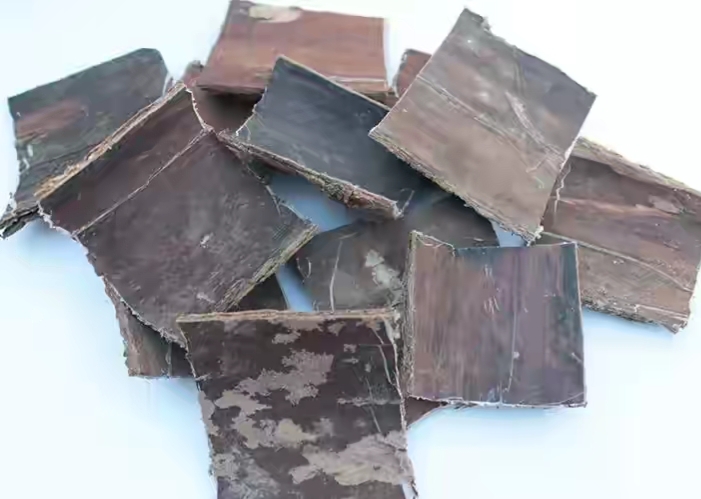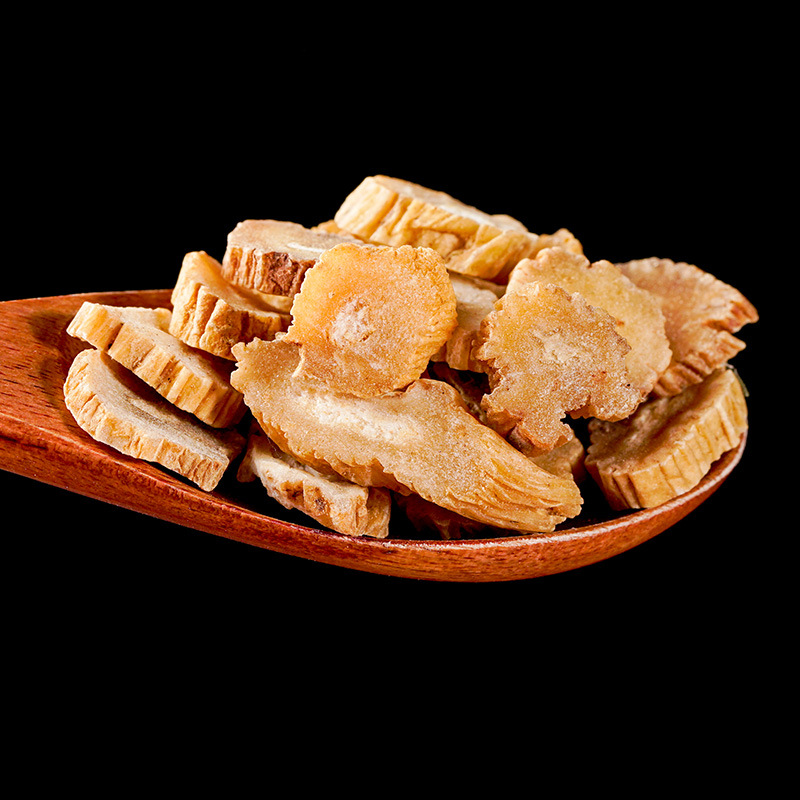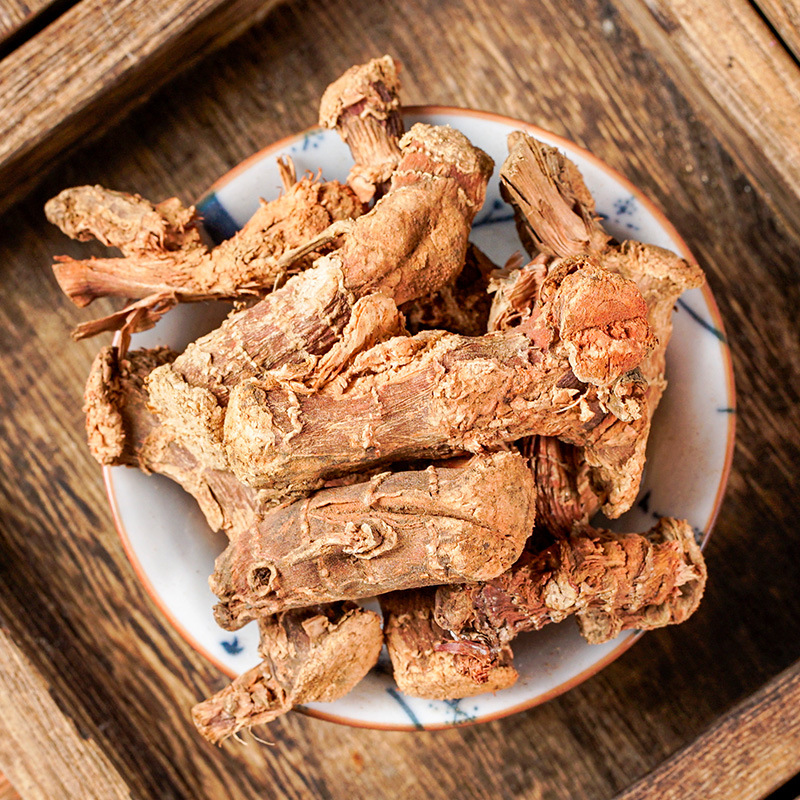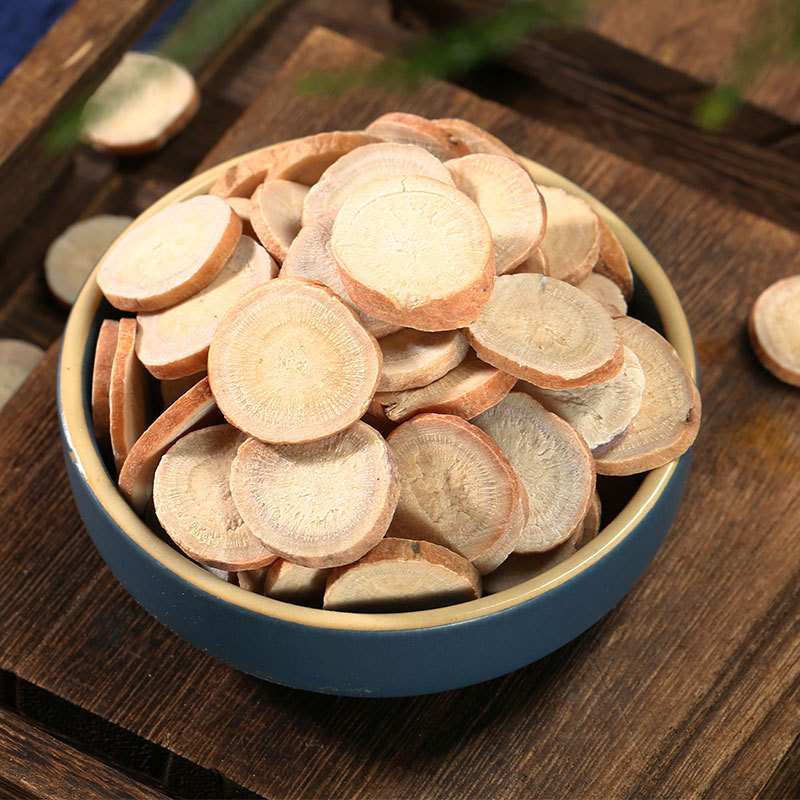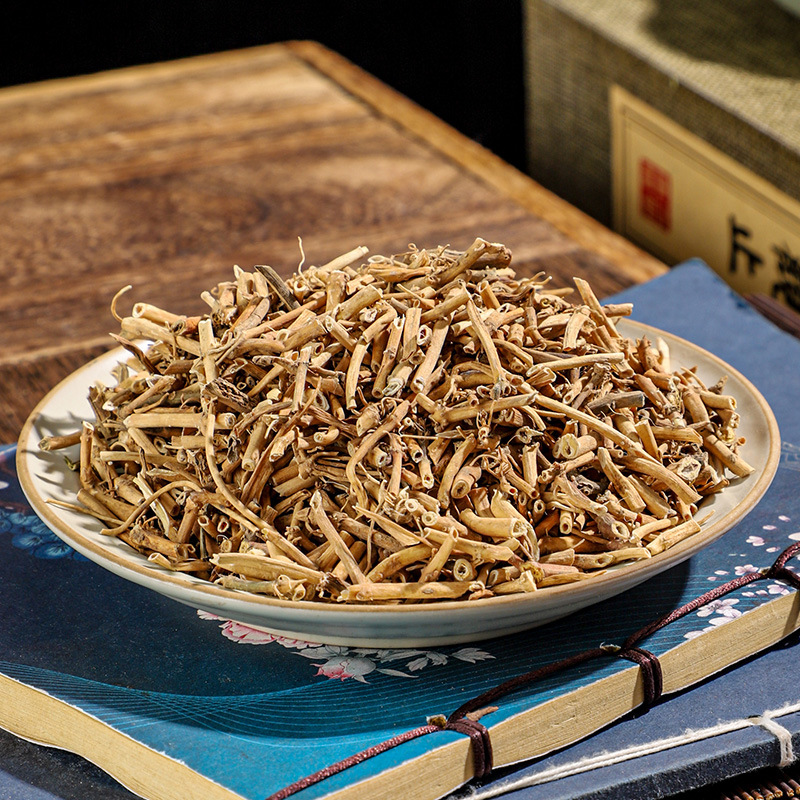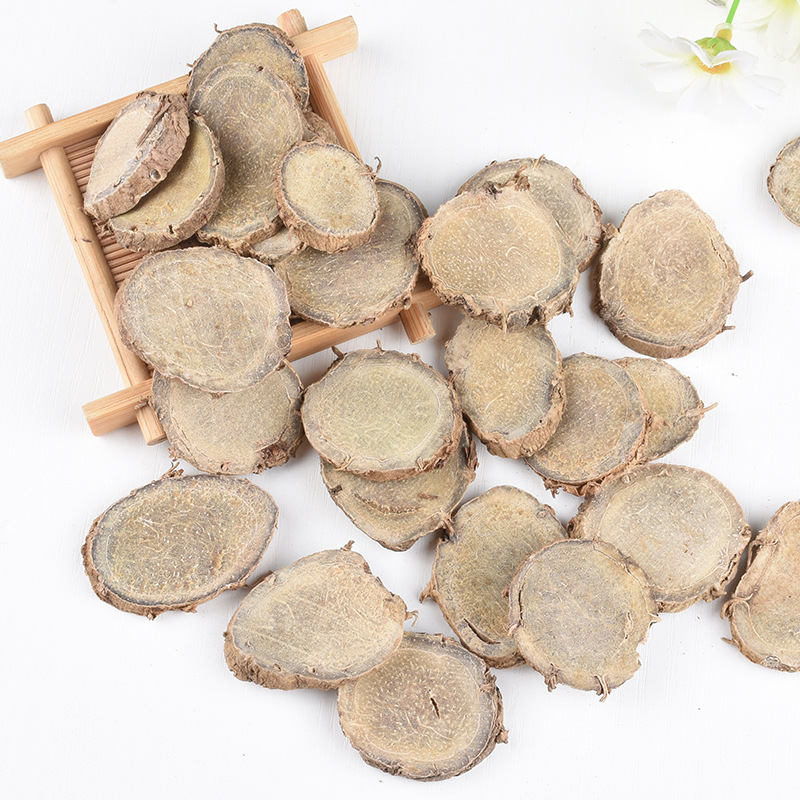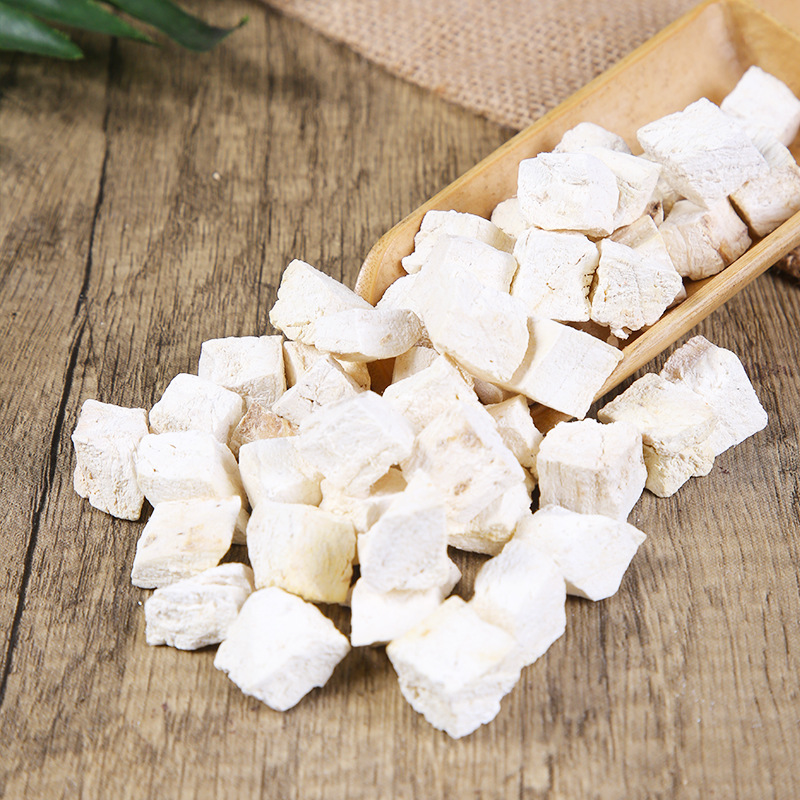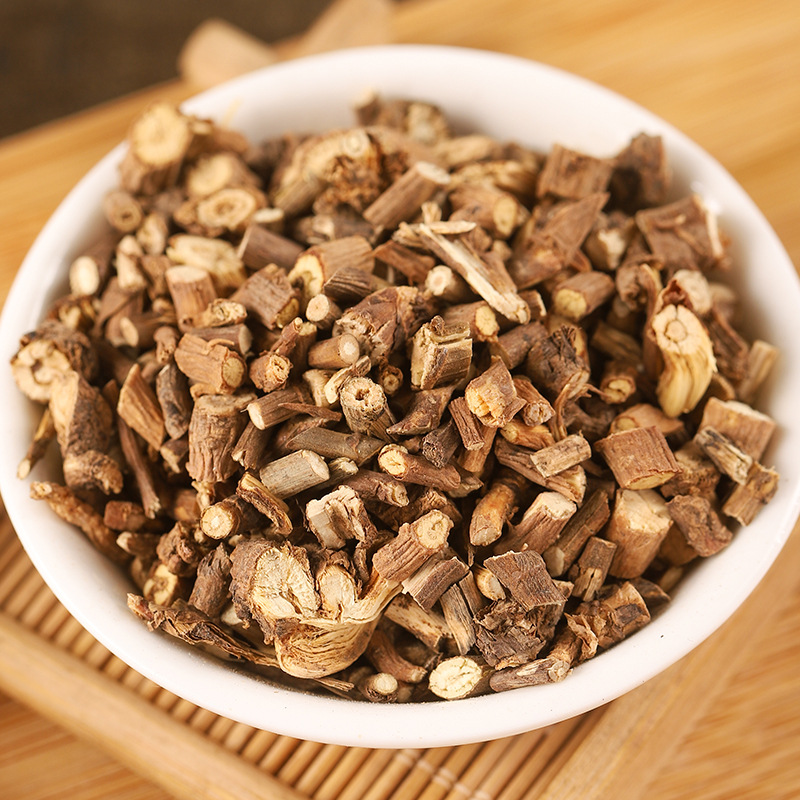
Eucommia bark is the bark of the Eucommia tree. The Eucommia tree is prone to death after its bark is stripped, and for a period of time, Eucommia was in short supply. Nowadays, large-scale cultivation has basically solved this problem. Eucommia bark contains a special Eucommia gum, which produces sticky threads when pulled apart, similar to the way lotus roots break but remain connected. For medicinal use, it is divided into raw, stir-fried, and charred forms.
I. Efficacy and Application
Du Zhong tastes sweet and has a warm nature. It belongs to the liver and kidney meridians.
Efficacy can tonify the liver and kidneys, strengthen bones and muscles, and calm the fetus. It is praised by physicians as an essential medicine for mild tonification and calming the fetus.
It is commonly used for the treatment of conditions such as soreness and pain in the lumbar spine, weakness in the feet and knees, dribbling after urination, dampness and itching in the genital area, threatened miscarriage, and restless fetal movement.
Modern research has found that Eucommia ulmoides also has a good antihypertensive effect, especially suitable for hypertension of liver and kidney deficiency type.
Summary of Masterpieces by Renowned Authors:
The Classic of Materia Medica: "It primarily treats lower back and spinal pain, supplements the center, boosts essence and qi, strengthens sinews and bones, fortifies the will, eliminates itching and dampness in the lower yin region, and relieves dribbling urination."
"Bie Lu": "It primarily treats soreness and pain in the feet, making one unwilling to tread on the ground."
"Treating Kidney Cold and Hip-Lumbar Pain, the patient with lumbar pain is deficient and the body is stiff and straight, which is due to wind. Use it when the lumbar region is not functioning properly."
Rihuazi Materia Medica: "Treats kidney strain, lumbar spine spasm, used in medicine after roasting."
Ben Cao Zheng: "It stops frequent urination and nocturnal emission, warms the uterus, and stabilizes fetal qi."
Jade Louse Medicinal Explanation: Nourishes sinews and strengthens bones, invigorates knees and fortifies waist. Removes dampness from joints, treats soreness and pain in waist and knees, and relieves cramping in legs and feet.
Ben Cao Zai Xin: "Replenish sinew strength, invigorate yang function."
Ben Cao Bei Yao: Moistens liver dryness, supplements liver deficiency. The child can make the mother strong, thus also tonifies the kidney. When the liver is full, the tendons become strong; when the kidney is full, the bones become firm, enabling the tendons and bones to adhere to each other. Treats damp itching in the lower yin, dribbling after urination, fetal leakage, and threatened miscarriage.
II. Compatibility and Application
1. For deficiency of liver and kidney, soreness and pain in the lower back and knees, or weakness and flaccidity of the limbs. Eucommia bark is excellent for tonifying the liver and kidney, making it a key herb for strengthening tendons and bones. To treat kidney deficiency with lower back pain, difficulty in sitting up or standing, and weakness in the knees, it is often combined with psoralea fruit and walnut meat, as seen in the Qing E Wan formula.
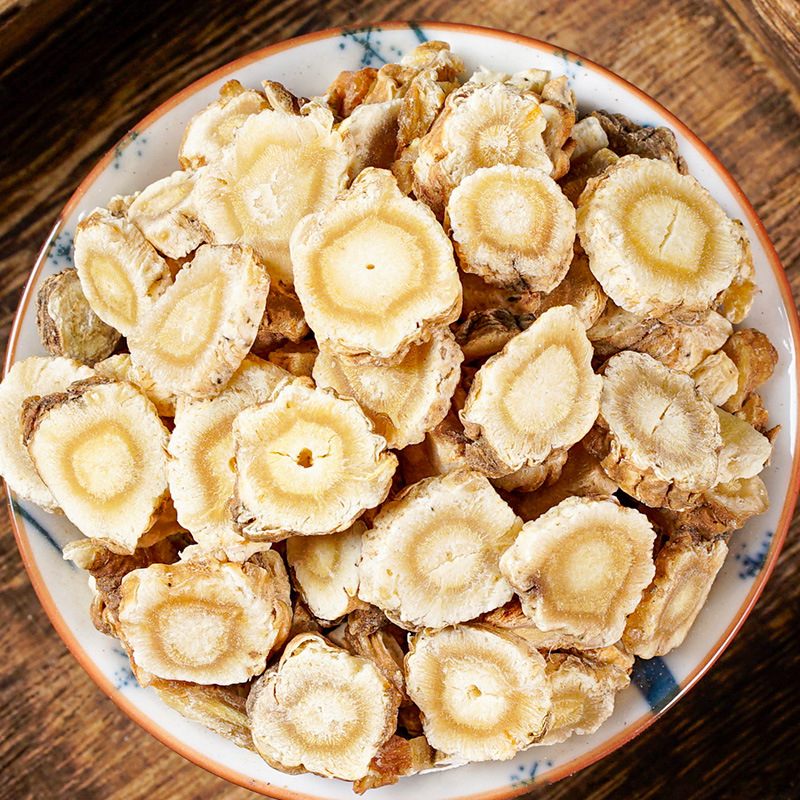
The efficacy of Eucommia bark is similar to that of Himalayan teasel root, both being herbs that tonify kidney yang, and they are often used in combination. For treating deficiency-cold of the liver and kidney, impotence, and frequent urination, it is often combined with warming and tonifying astringent herbs such as dogwood fruit, dodder seed, and psoralea fruit.
Eucommiae Carbonisatum and Eupolyphaga seu Steleophaga are ground into powder and taken with yellow wine to treat acute lumbar sprain or lumbar disc herniation, with effects of promoting blood circulation, removing blood stasis, unblocking collaterals, and relieving pain. These two herbs can also be used in decoctions.
The Yellow Emperor's Inner Classic: "The waist is the residence of the kidneys; if it cannot turn, the kidneys will be exhausted. The knees are the residence of the sinews; if they cannot bend and stretch, the sinews will be exhausted."
2. Used for fetal irritability or threatened abortion. Eucommia bark can tonify the liver and kidneys, thus having the effect of calming the fetus. To treat fetal irritability, it can be used alone by grinding it into powder and forming pills with jujube pulp, known as Eucommia Bark Pills.
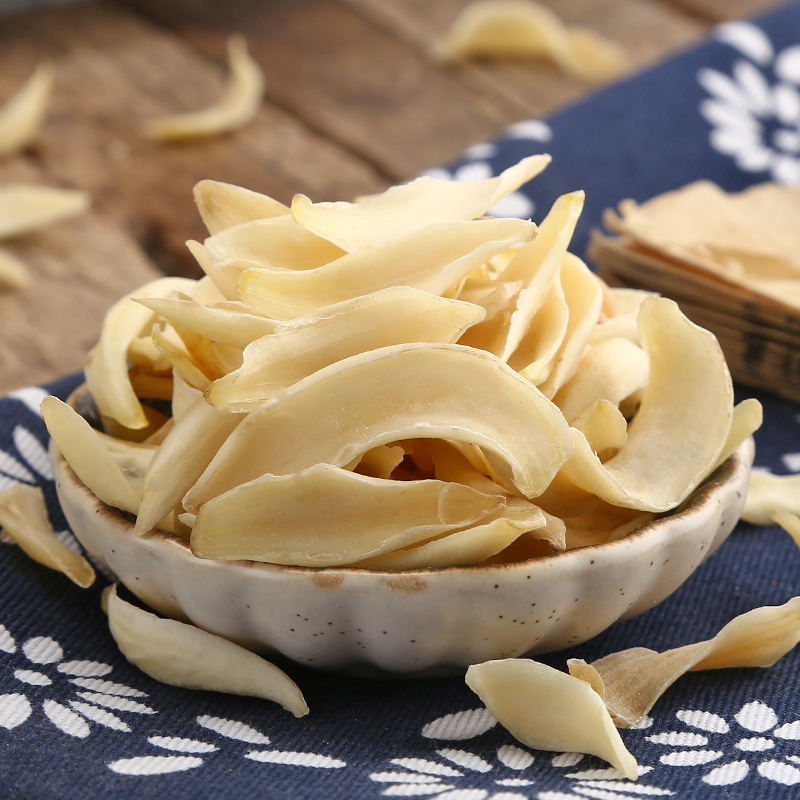
If treating habitual miscarriage, it is often combined with herbs such as Dipsacus and Paeonia, or paired with Shoutai Wan.
Wang Ang said: For those who are prone to miscarriage, one or two months after conception, use eight liang of Eucommia bark, soaked thoroughly in glutinous rice decoction, stir-fried until the fibers break, two liang of Dipsacus root, soaked in wine, and six liang of Chinese yam, made into paste pills, or jujube pulp pills, taken with rice water. These two herbs greatly tonify kidney qi, support the fetal origin, thus preventing miscarriage.
3. For the syndrome of hyperactivity of liver yang with dizziness and vertigo. It is often combined with Concha Haliotidis, Radix Paeoniae Alba, Spica Prunellae, Radix Scutellariae, and other herbs.
Eucommia bark also has a certain antihypertensive effect. For those with high blood pressure or accompanied by limb pain, especially in middle-aged and elderly populations, it is often combined with Siegesbeckia herb for better therapeutic efficacy.
III. Usage and Dosage
Eucommia bark is often used in decoctions and can also be made into pills or powders. The usual dosage in decoctions is over ten grams. Stir-frying enhances its efficacy compared to using it raw.
Wang Ang said: "It originates from Hanzhong. The thick and moist ones are of good quality. Remove the coarse skin and slice, or roast with butter, wine, honey, stir-fry with salt and wine, stir-fry with ginger juice, and break the fibers before use."
IV. Application Precautions
Eucommia ulmoides is a warming and tonifying herb, so it should be used with caution by those with yin deficiency and fire excess.
"Ben Cao Jing Shu": "Not suitable for those with kidney deficiency and intense fire. If used, it should be combined with Phellodendron and Anemarrhena."
"De Pei Ben Cao": "Internal heat and dryness of essence and blood are contraindicated."