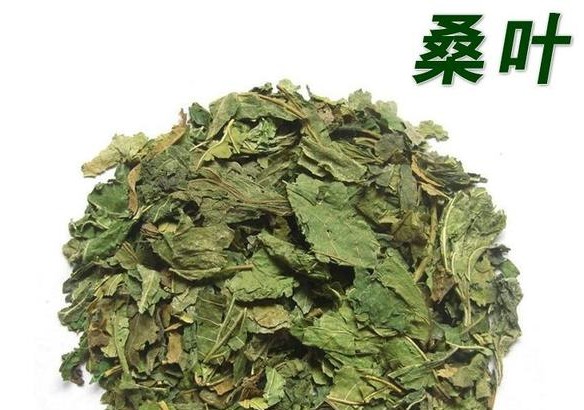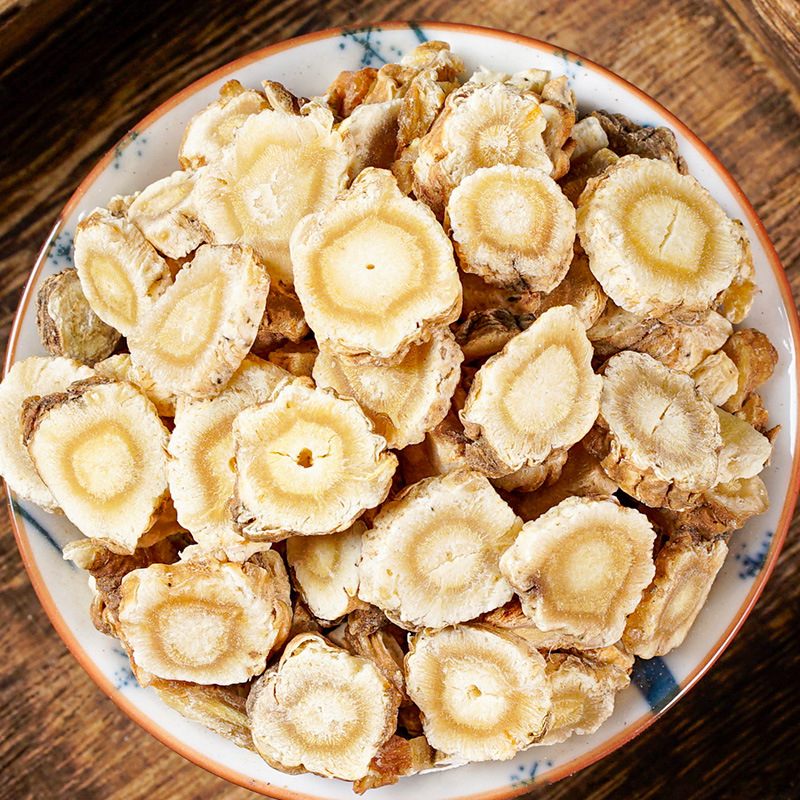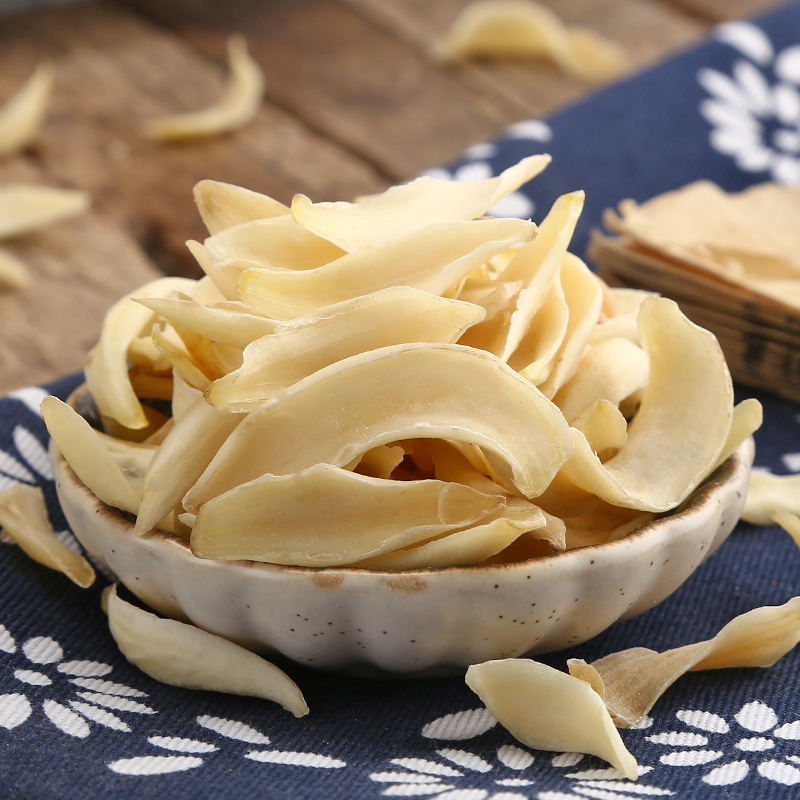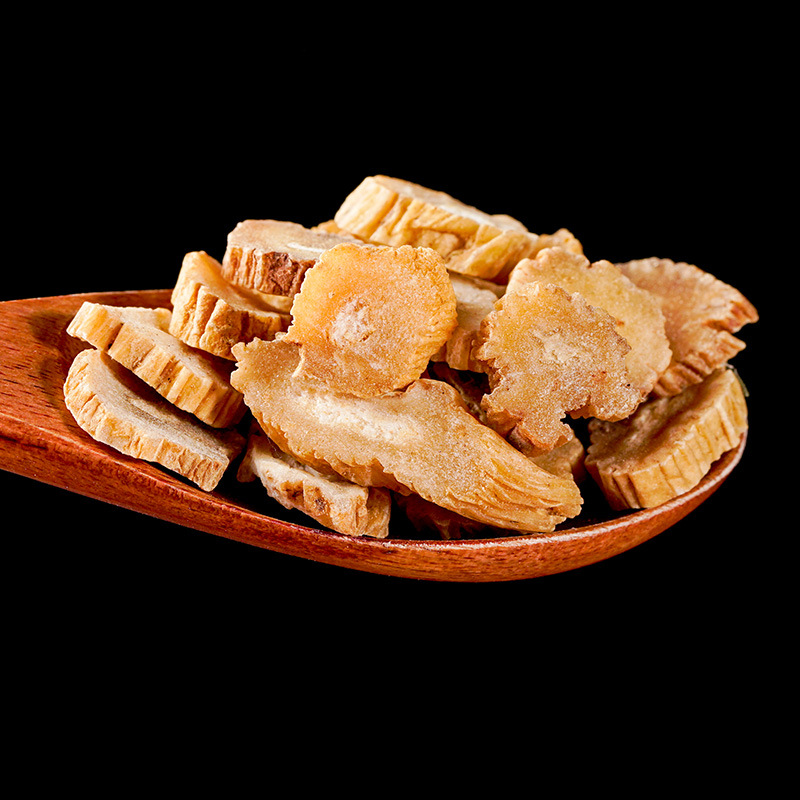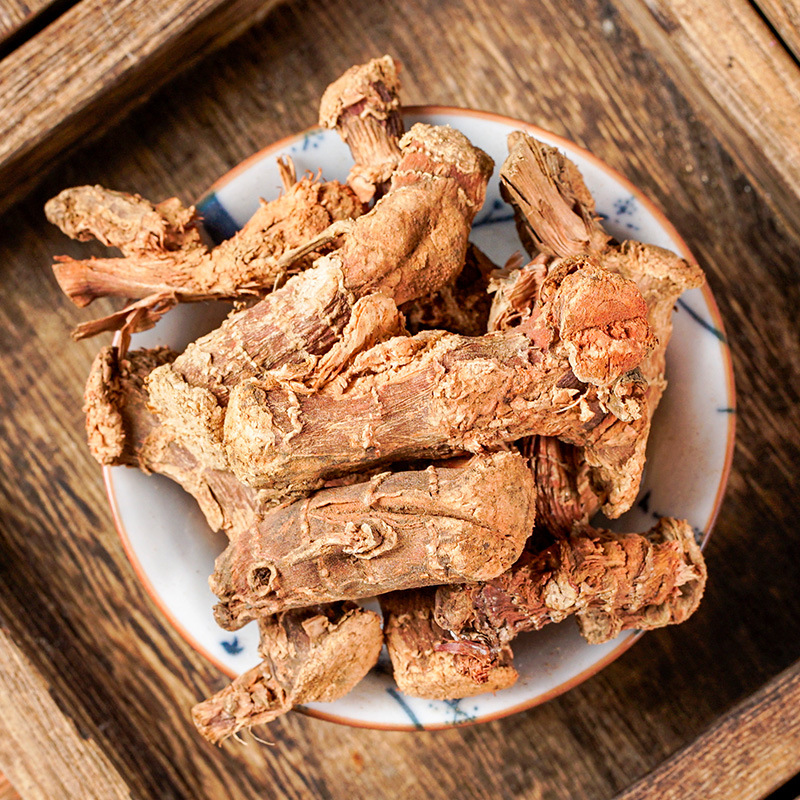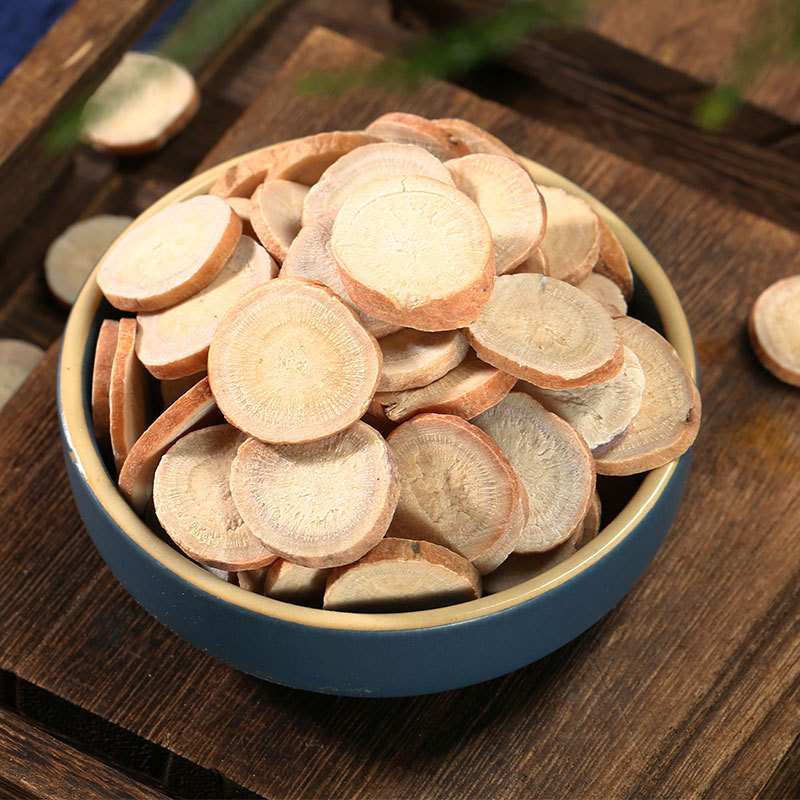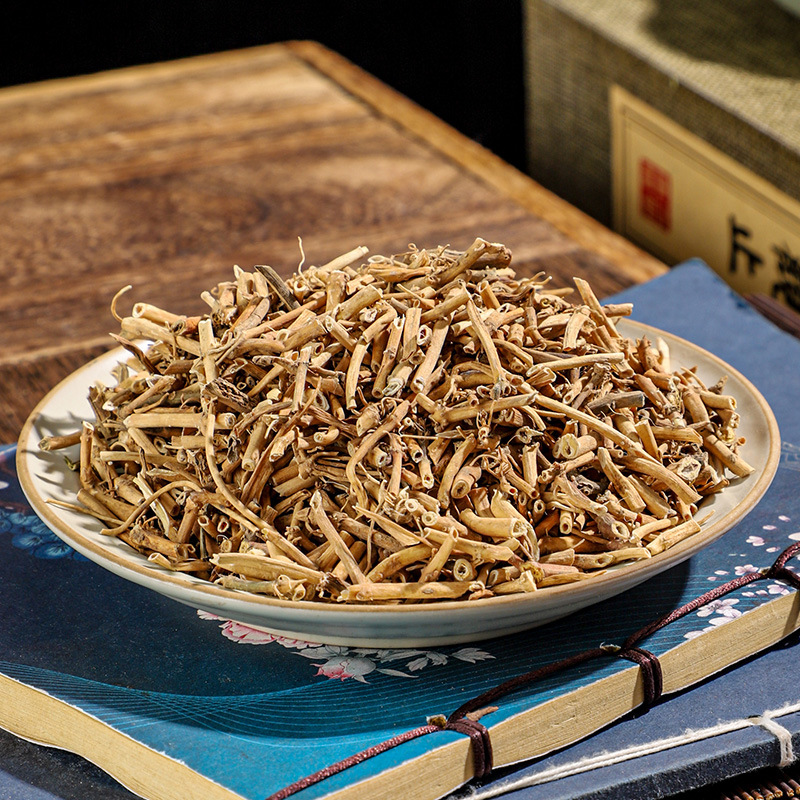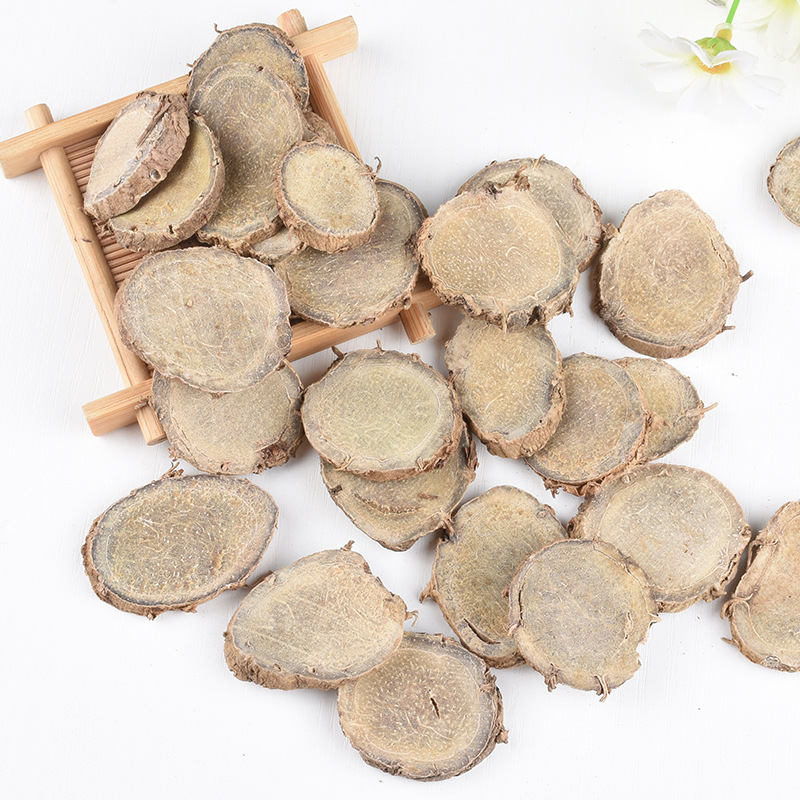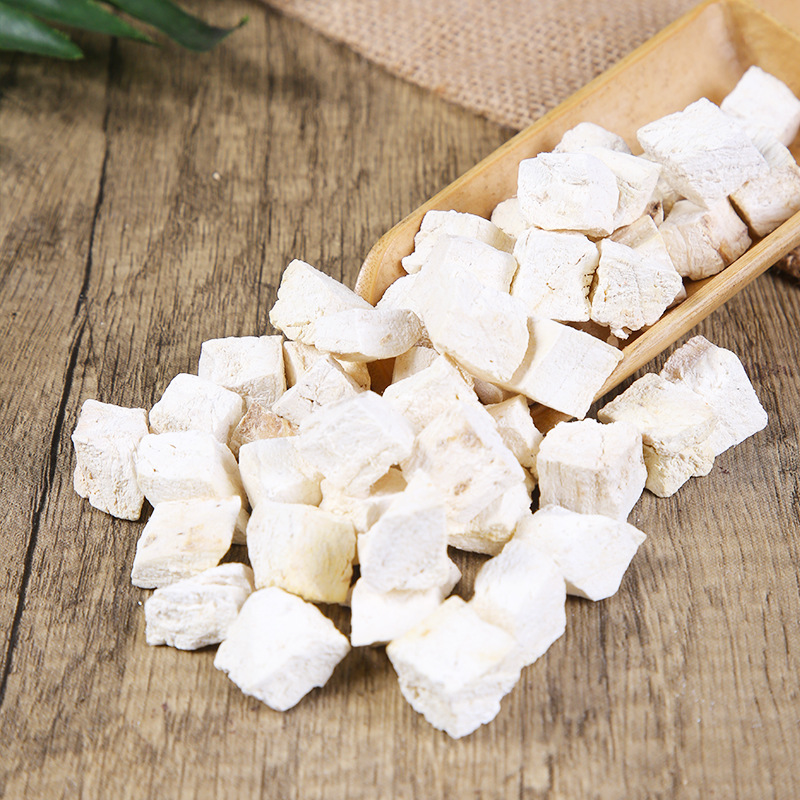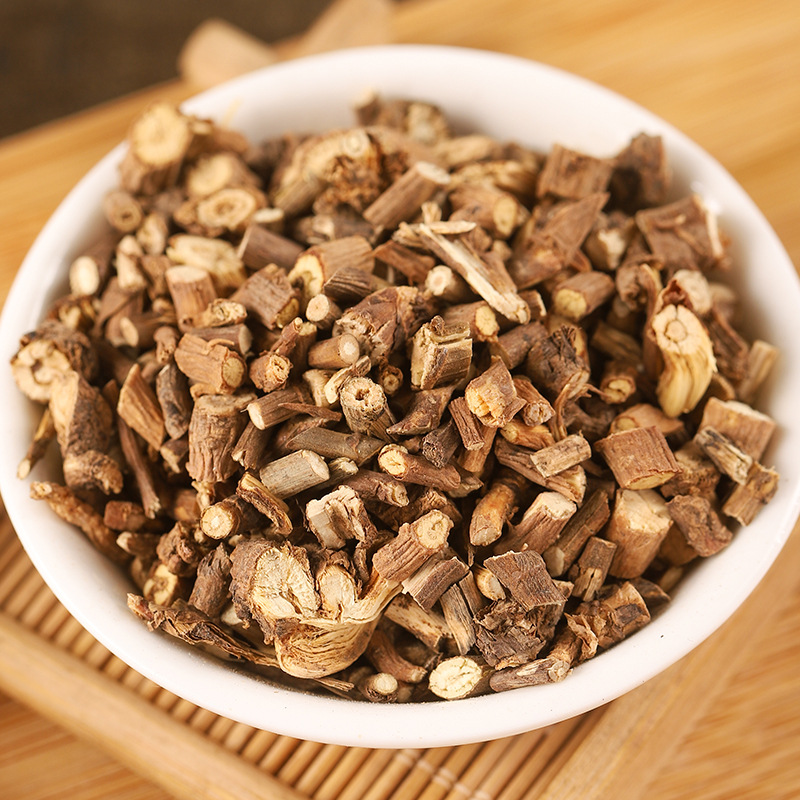
Mulberry leaf is the leaf of the mulberry tree, and the quality is best when harvested after frost, so it is also called frost mulberry leaf. It is often dried and used raw or processed by roasting. Mulberry twig is the tender branch of the mulberry tree, harvested in late spring and early summer. After removing the leaves and drying, it is used medicinally, often sliced and used raw or lightly fried until slightly yellow. Mulberry fruit is the mature fruit cluster of the mulberry tree, also known as mulberry seed. It is harvested when the fruit cluster is mature, often dried and used raw or made into a paste with honey. Mulberry root bark is the root bark of the mulberry tree, usually excavated in winter. After scraping off the outer cork layer, it is dried, cut into sections, and used raw or processed with honey. Although these four medicines come from the same tree, their effects are different. They are produced in most regions across the country.
In ancient times, the mulberry tree was of great importance to people's lives, directly influencing everything from basic necessities like food, clothing, shelter, and transportation to national trade. The emergence of the "Silk Road" was a result of planting mulberries and raising silkworms. Because of this, agricultural activities were also referred to as "farming and mulberry cultivation" in ancient times. The Tang Dynasty poet Meng Haoran wrote in his poem "Visiting an Old Friend's Farmhouse," "Opening the window to face the threshing ground and garden, we talk about mulberries and hemp over wine," illustrating how common mulberries were in people's lives.
I. Efficacy and Application of Mulberry Leaves
Mulberry leaf tastes bitter and sweet, and is cold in nature. It belongs to the lung and liver meridians.
Efficacy It can disperse wind-heat, clear the lungs and moisten dryness, calm the liver and brighten the eyes, cool the blood and stop bleeding. Its characteristic is particularly effective in dispersing wind-heat from the liver meridian to brighten the eyes.
Commonly used for the treatment of wind-heat common cold, early stage of warm disease, lung-heat cough, dizziness due to hyperactivity of liver yang, red eyes and blurred vision, and hemoptysis and hematemesis due to reckless movement of blood heat.
Summary of Masterpieces by Renowned Authors:
"Ben Jing": "Dispels cold and heat, promotes sweating."
"Compendium of Materia Medica": "Treats consumptive heat and cough, improves eyesight and promotes hair growth."
Ben Cao Meng Quan: "Decocted as a substitute for tea, it reduces edema and swelling of the feet, promotes the flow of qi to ease joint movement; ground into powder and mixed with hot water, it stops cholera with vomiting and diarrhea, induces sweating to relieve wind-damp pain."
Jade Qiao's Medicinal Explanations: "Treats beriberi and edema, heals injuries and wounds, promotes blood circulation and quenches thirst, promotes hair growth and improves vision."
Ben Cao Bei Yao: "Cool the blood, dry dampness, dispel wind, and brighten the eyes. Taken as powder, it stops night sweats. Used as a tea substitute, it quenches thirst."
Compatibility and Application
1. For external contraction of wind-heat, fever, dizziness, headache, cough, and sore throat. Mulberry leaf is light, clear, and cool-dispersing, capable of clearing and dispersing wind-heat in the lung channel and on the exterior. It is often combined with chrysanthemum, forsythia, and platycodon root, as in the Mulberry Leaf and Chrysanthemum Decoction.
If treating dryness-heat injuring the lung, with symptoms of cough with thick sputum, and dryness of the nose and throat, honey-fried mulberry leaf can be used, which has the effects of clearing lung heat and moistening lung dryness. It is often combined with apricot kernel, fritillaria bulb, and ophiopogon root, as seen in formulas such as Sang Xing Tang (Mulberry Leaf and Apricot Kernel Decoction) and Qing Zao Jiu Fei Tang (Dryness-Clearing Lung-Rescuing Decoction).
2. Used for symptoms such as red eyes, astringent pain, and excessive tearing caused by excess heat in the liver meridian or wind-heat. Mulberry leaf can clear the liver and brighten the eyes. It is often combined with chrysanthemum, cassia seed, plantain seed, and other herbs, and can also be decocted for external washing.
If treating liver yin deficiency with dim and blurry vision, it is often combined with black sesame seeds, made into honey pills for oral administration, known as Sang Ma Wan.
If treating liver yang hyperactivity, headache and dizziness, heavy head and light feet, irritability and restlessness, it is often combined with chrysanthemum, abalone shell, white peony root, and Chinese angelica root to calm the liver and extinguish wind, nourish blood and enrich the liver, achieving better therapeutic effects.
Wang Ang said, "Equal parts of mulberry leaves and black sesame seeds, made into honey pills, are called Fusang pills. They dispel dampness and expel wind, blacken the beard and brighten the eyes."
3. Mulberry leaves also have a slight effect of cooling blood and stopping bleeding, and can be used for bleeding syndromes due to blood heat. They are particularly suitable for treating lung heat cough accompanied by hemoptysis, as they can serve a dual purpose.
Usage and Dosage
Mulberry leaves are often used in decoctions, and can also be made into pills, powders, or used as a tea substitute. The typical dosage for decoctions ranges from a few grams to over ten grams, while a few grams are sufficient for tea substitutes.
Mulberry leaves when used raw are more inclined to clear the liver and brighten the eyes, as well as to disperse wind-heat; when honey-fried, they are more inclined to moisten dryness and relieve cough.
II. Efficacy and Application of Mulberry Twigs
Mulberry twig tastes bitter and is neutral in nature. It belongs to the liver meridian.
Efficacy can dispel wind and unblock collaterals. Its characteristic is effective in treating pain in the upper limbs, shoulders, and arms.
It is commonly used for rheumatic arthralgia, limb spasm and other syndromes, especially effective in treating upper limb arthralgia.
Summary of Masterpieces by Renowned Authors
Bencao Tujing: "Treats generalized body wind itch and dryness, beriberi and wind qi, and spasm of the four limbs."
Compendium of Materia Medica: Dispels wind and relieves spasmodic pain.
Ben Cao Bei Yao: "Facilitates joint movement, nourishes body fluids, promotes diuresis and dispels wind."
"Compendium of Materia Medica": "Mulberry twigs are specifically effective for dispelling wind-dampness and relieving spasms. When combined with cinnamon twigs, they treat shoulder and arm pain due to bi syndrome; when combined with locust twigs, willow twigs, and peach twigs, they are used to wash the body to relieve itching all over."
For treating wind-heat arm pain, this herb can be used alone. The Sangzhi Gao from Jingyue Quanshu is prepared solely by boiling mulberry twigs into a paste for oral administration, used to treat soreness and pain in the sinews and bones, numbness in the limbs, and other symptoms.
If treating rheumatic arthralgia, it can also be used in combination with other wind-damp dispelling herbs.
Mulberry twigs are commonly used in decoctions at a dosage of over ten grams.
III. Efficacy and Application of Mulberry Fruit
Mulberry fruit tastes sweet and is cold in nature. It belongs to the heart, liver, and kidney meridians.
Efficacy can nourish yin and blood, promote fluid production and moisten dryness. Mulberry is a nutritious traditional Chinese medicine that serves both medicinal and dietary purposes, and is often consumed as a fruit today.
It is commonly used for the treatment of various syndromes of yin and blood deficiency, such as dizziness and tinnitus, palpitations and insomnia, premature graying of hair, thirst due to fluid injury, internal heat and wasting thirst, and constipation due to blood deficiency.
Summary of Famous Works by Renowned Authors:
Newly Revised Materia Medica: "Consumed alone, it primarily treats wasting-thirst."
"Compendium of Materia Medica": "Benefits the five organs and joints, promotes blood and qi circulation."
"Yunnan Materia Medica": "Benefits the kidneys and consolidates essence; long-term use darkens hair and brightens the eyes."
Compendium of Materia Medica: "Pound to extract juice and drink to counteract alcohol poisoning; brew into wine and take to promote diuresis and reduce swelling."
Jade Carving Medical Explanation: Mulberries nourish wood and benefit water, clear wind and moisten dryness, treat wasting thirst, urinary retention and strangury, scrofula and bald sores, blacken beard and hair.
Ben Cao Bei Yao: "Benefits the five viscera and joints, calms the soul and stabilizes the spirit, sharpens hearing and brightens vision, promotes fluid production and quenches thirst, promotes urination and reduces swelling, relieves alcohol intoxication and darkens beard."
Compatibility and Application
1. For various blood deficiency syndromes, such as dizziness, blurred vision, tinnitus, premature graying of hair, etc. Mulberry fruit has the effect of nourishing yin and replenishing blood. It can be used alone by simmering with honey to make a paste for consumption, or it can be made into honey pills. It is often combined with nourishing herbs such as Polygonum multiflorum, Ligustrum lucidum, and Eclipta prostrata, as in the Shouwu Yanshou Dan.
2. For thirst due to fluid injury or wasting-thirst. Mulberry fruit can nourish yin and promote fluid production to quench thirst. It is often combined with Ophiopogon japonicus, Rehmannia glutinosa, Trichosanthes kirilowii root, and other herbs.
3. For intestinal dryness and constipation caused by yin deficiency and blood deficiency. Mulberry fruit has the effect of nourishing yin, enriching blood, and moistening the intestines. It is often combined with fleeceflower root, black sesame, and hemp seed.
"Southern Fujian Folk Herbal Medicine": "For treating insomnia due to heart and kidney weakness or habitual constipation, use 30-60 grams of fresh mulberries. Decoct in an appropriate amount of water and take orally."
Shengji Zonglu: "For treating alcohol poisoning, take two he of dried mulberries. The above ingredient is soaked in one sheng of wine for a short period. Drink the wine gradually, and the poisoning will be resolved."
Usage and Dosage
Mulberry fruit is commonly used in decoctions at a dosage of over ten grams, or in appropriate amounts for making paste or fresh consumption.
Due to its cold nature and tendency to be nourishing, it is contraindicated for individuals with spleen and stomach deficiency cold and loose stools.
IV Efficacy and Application of Mulberry Root Bark
Mulberry Root Bark tastes sweet and is cold in nature. It belongs to the Lung Meridian.
Efficacy It can purge the lung to relieve asthma, promote diuresis and reduce edema. Its characteristic is particularly effective in purging heat from the lung meridian, making it a medicinal substance that purges excess conditions.
Commonly used for treating conditions such as lung heat with wheezing and cough with phlegm, water retention in the lungs, fullness and wheezing, edema, beriberi, and difficulty urinating.
Summary of Famous Works by Renowned Authors:
Bie Lu: "It removes water qi from the lungs, spitting blood, heat thirst, edema with abdominal fullness and distension, promotes water passage, and eliminates inch white."
Materia Medica Theory: "Treats lung qi panting and fullness, water qi floating swelling."
Ben Cao Bei Yao: "Drains lung fire, promotes urination and defecation, disperses static blood, directs qi downward and moves water, stops cough and clears phlegm. Treats lung heat with panting and fullness, spitting of blood with heat and thirst, edema and abdominal distention."
Compatibility and Application
1. For lung heat cough and asthma, and excessive phlegm syndrome. Mulberry bark can clear the lungs, dissolve phlegm, and lower qi to relieve asthma. It is often combined with wolfberry root bark, licorice, etc., known as Xie Bai San. If lung heat is severe, add scutellaria baicalensis, anemarrhena asphodeloides, etc., to clear and drain lung heat; if there is dry heat cough, add trichosanthes peel, fritillaria cirrhosa, etc., to moisten the lungs and relieve cough; if there is yin deficiency tidal fever, add stellaria dichotoma, turtle shell, etc., to nourish yin and reduce fever; if heat damages body fluids, causing restlessness, heat, and thirst, add trichosanthes root, reed rhizome, etc., to clear heat and promote fluid production.
Li Shizhen said: "Mulberry bark and wolfberry root bark can both purge fire through urination, licorice root purges fire and moderates the middle, polished round-grained rice clears the lungs and nourishes blood. These are the guiding principles for all formulas that purge the lungs."
"Medical Prescriptions Examined": "This prescription is indicated for lung fire causing panting, fullness, and shortness of breath. The lung suffers from upward counterflow of qi, hence panting and fullness; there is fire in the upper burner, hence shortness of breath. This is what Danxi referred to as 'excess qi transforming into fire.' Mulberry root bark is sweet and pungent in flavor; sweetness can secure the insufficiency of original qi, while pungency can drain the excess of lung qi. Assisted by lycium root bark to drain the kidney, it treats excess by draining the child. Assisted by licorice root to fortify the spleen, it treats deficiency by supplementing the mother. Here, deficiency and excess refer to deficiency of upright qi and excess of pathogenic qi. It is also said: The lightness of lycium root bark allows it to enter the lung. The neutrality of raw licorice root allows it to drain qi, hence the name 'Draining White.'"
2. Used for edema, difficult urination, and other types of edema with excess syndrome. Mulberry root bark can promote diuresis and reduce swelling. It is often combined with Areca peel, Poria peel, and ginger peel, as in the Five-Peel Powder.
In addition, mulberry root bark also has a certain antihypertensive effect and is often used for the above syndromes accompanied by high blood pressure.
"Ben Cao Hui Yan": "For treating water retention in the lungs, with symptoms of distension, fullness, and rapid breathing, use two qian of mulberry root bark, one and a half qian each of ephedra and cinnamon twig, fourteen pieces of apricot kernel, and one and a half qian each of asarum and dried ginger. Decoct in water for oral administration."
Sheng Hui Fang: "For treating pain in the waist and feet, spasms of the sinews and vessels, inability to bend or stretch, and difficulty in sitting or lying down, use mulberry root bark one liang, fried wild jujube kernel one liang, and coix seed one liang. Grind the above ingredients into a powder. For each dose, take four qian, decoct in one medium bowl of water until reduced to six fen, then remove the dregs. Take warm before meals."
Usage and Dosage
Mulberry bark is often used in decoctions, as well as in pills and powders. The usual dosage in decoctions ranges from a few grams to over ten grams. If used for relieving asthma, it is commonly stir-fried with honey.
Due to its cold nature, it is contraindicated for those with cold lungs without fire and those suffering from wind-cold cough.
Wang Ang said: "Scrape off the outer skin and use the white part. If you fear it may cause diarrhea, use honey to roast it."