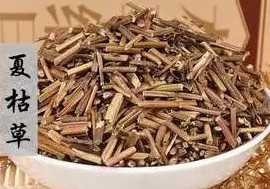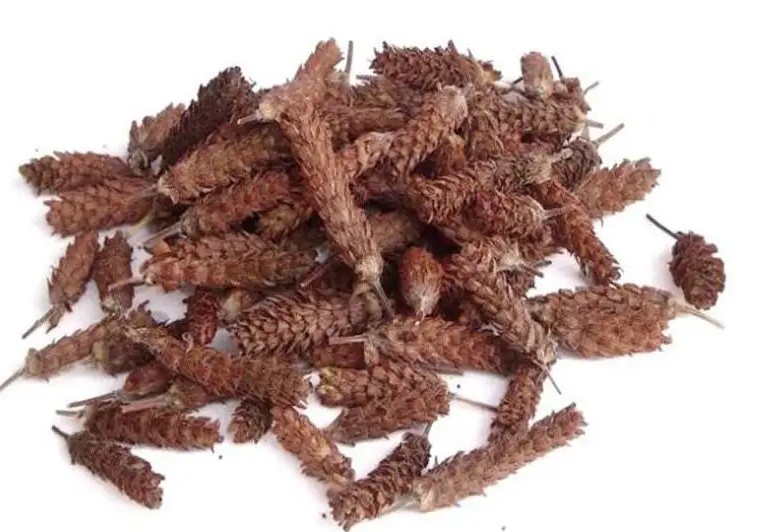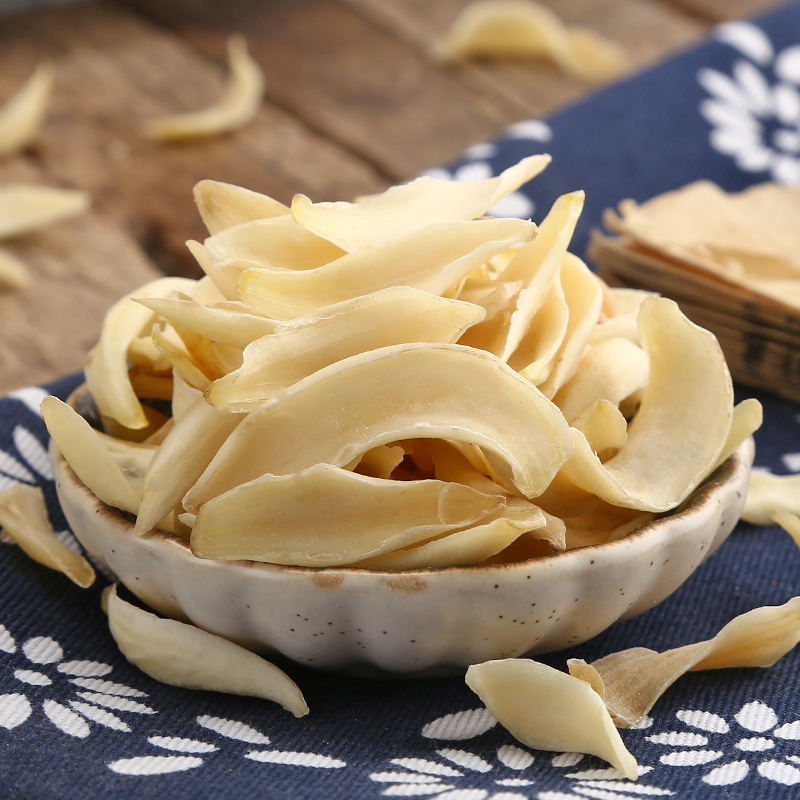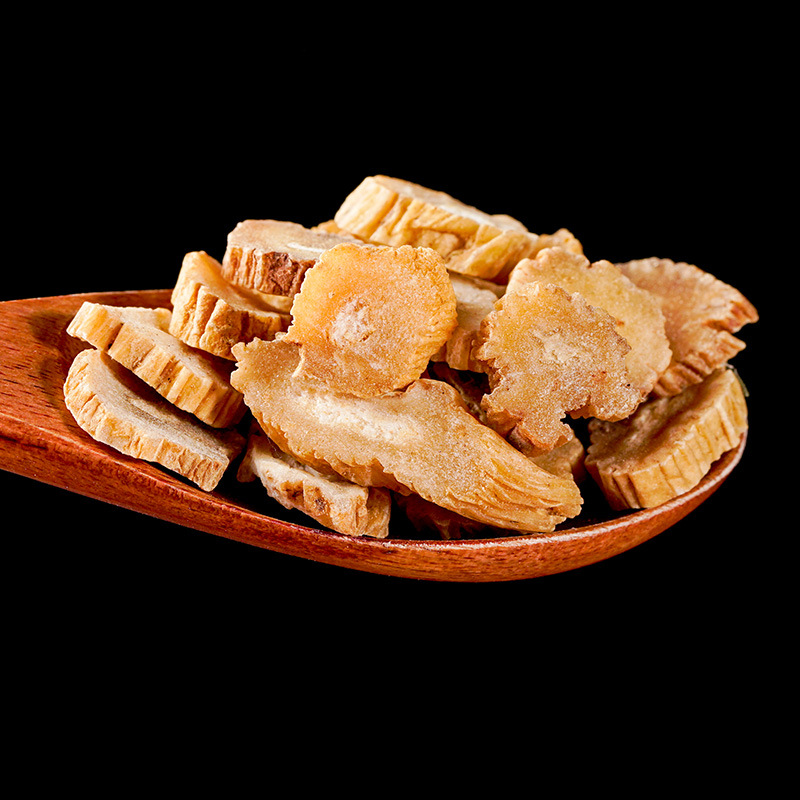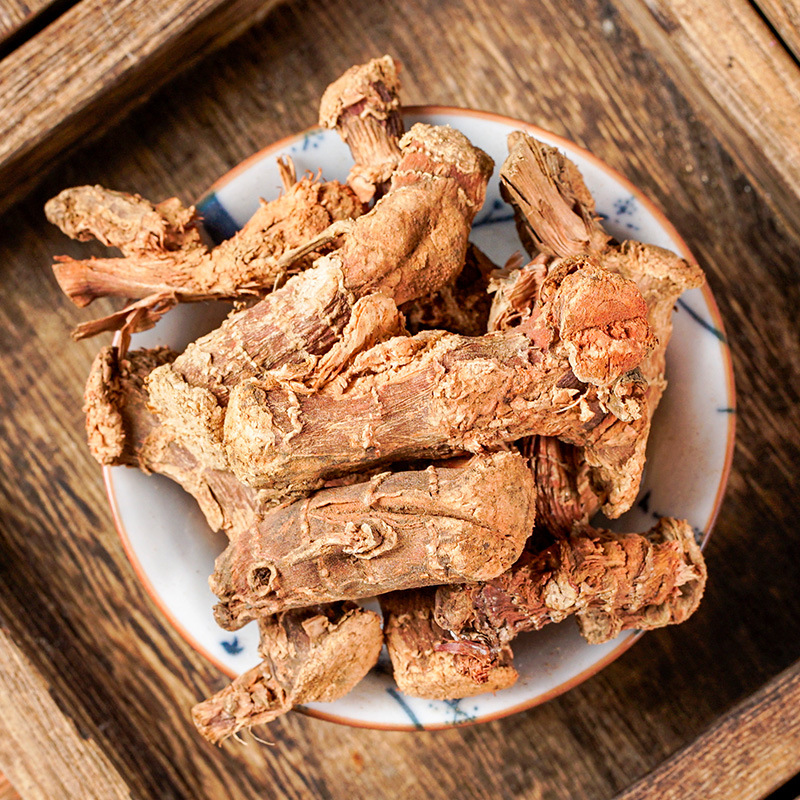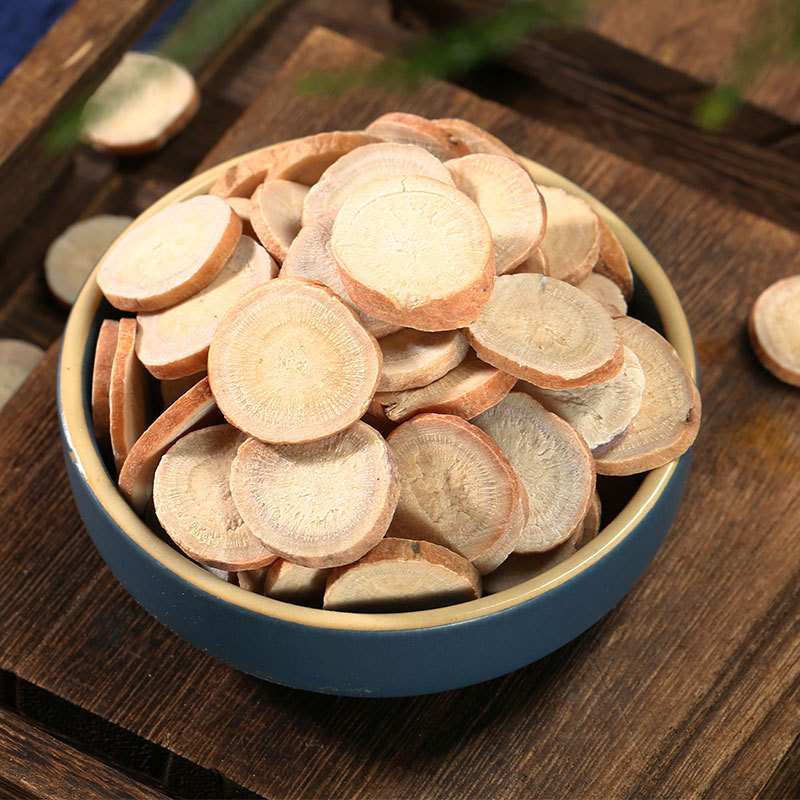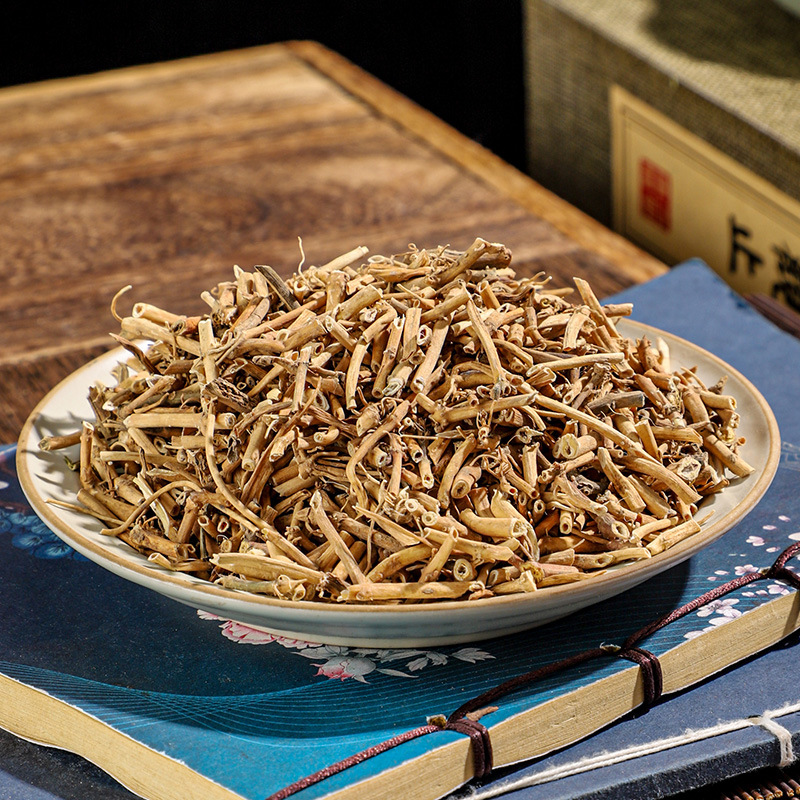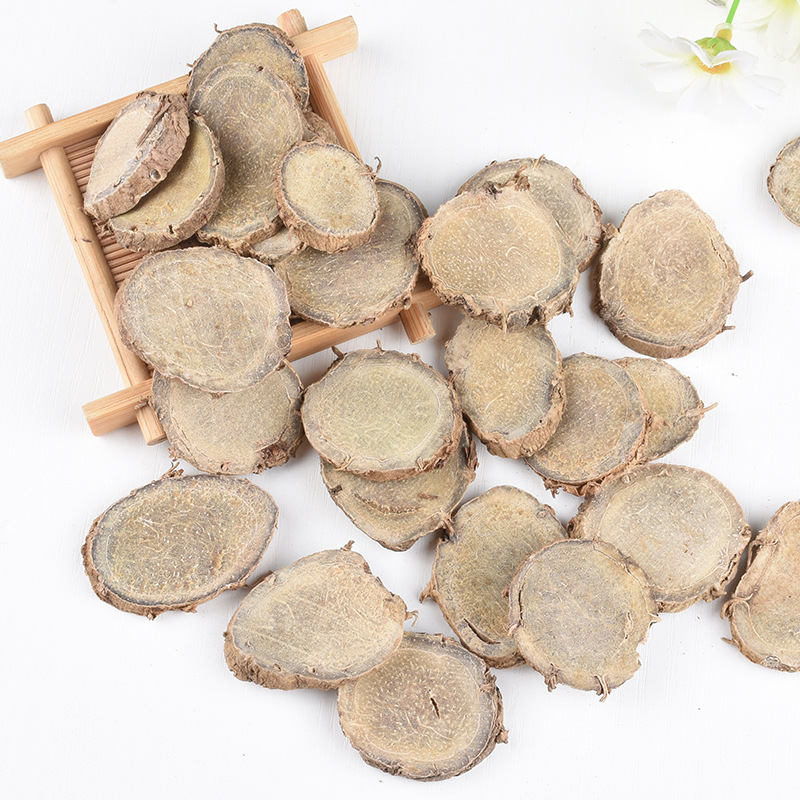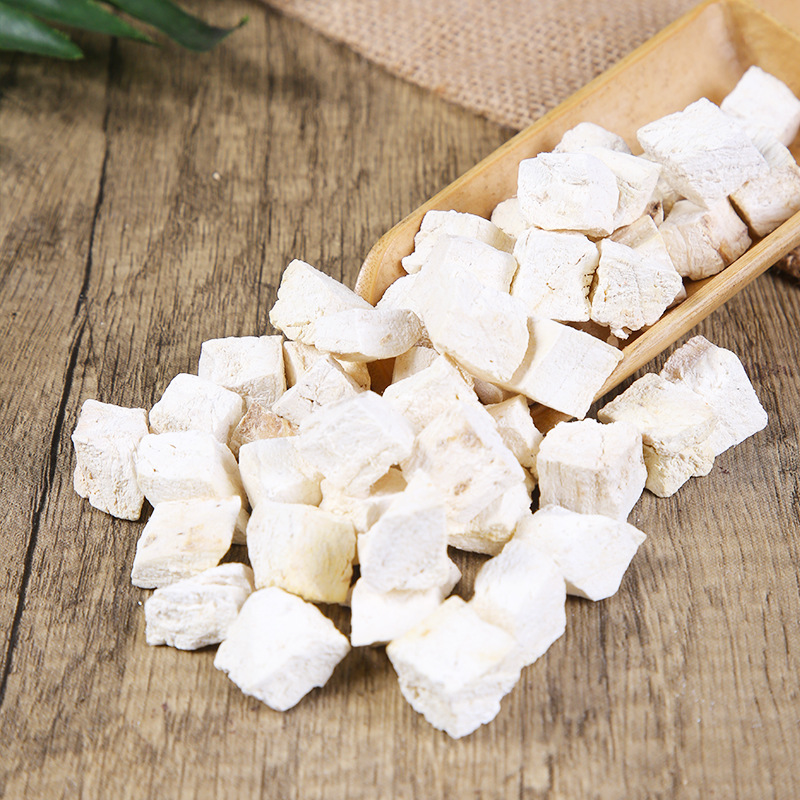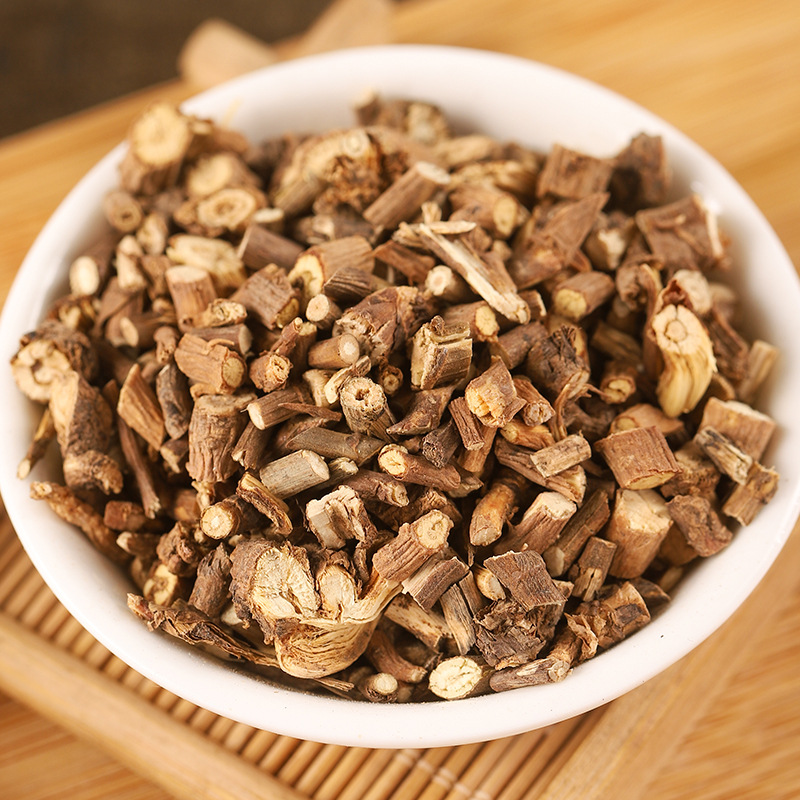
Prunella vulgaris is the inflorescence with fruits of the plant Prunella vulgaris from the Lamiaceae family. If only the fruit spike is used, it is called Prunella spike. This plant begins to wither in summer, hence its name. It is found throughout the country, often growing in damp areas such as mountain gullies, wetlands, wet grasslands along riverbanks, wastelands, and roadsides. After harvesting, it is dried and used for medicinal purposes.
I. Efficacy and Application
Prunella vulgaris tastes bitter and pungent, and is cold in nature. It belongs to the liver and gallbladder meridians.
Efficacy It can clear liver fire, improve vision, disperse nodules, and reduce swelling. Its characteristic is that it is adept at entering the liver meridian to clear liver heat, making it a key herb for dispersing nodules and resolving goiters.
It is commonly used for the treatment of conditions such as red, swollen, and painful eyes, nocturnal eye pain, headache and dizziness, scrofula, goiter, acute mastitis, mammary gland hyperplasia, and breast distension and pain.
Summary of Masterpieces by Renowned Authors
Ben Jing: "It governs cold and heat, scrofula, mouse fistulas, head sores, breaks concretions, dissipates goiter and stagnant qi, and treats foot swelling and damp impediment."
"Southern Yunnan Materia Medica": "Dispels liver wind, promotes meridian circulation. Treats facial paralysis, regulates liver qi, relieves liver stagnation, alleviates bone and joint pain, eye pain, disperses scrofula, and resolves systemic nodules."
Jade Crumble Medicine Explanation: "Cool the camp and purge heat, disperse swelling and dissipate hardness. Treat scrofula, goiter and tumor, injuries from falls, flooding and spotting, vaginal discharge, white spots, and sweat patches. Fresh ones are best for making paste."
Ben Cao Bei Yao: "Tonifies liver blood, soothes liver fire, resolves internal heat, disperses binding qi. Treats goiters and scrofula, damp impediment, and night pain of the eyeballs."
II. Compatibility and Application
1. For liver fire flaming upward, red, swollen, and painful eyes, eye pain, photophobia with tearing, headache, dizziness, and other symptoms. Prunella vulgaris excels at clearing and draining liver fire, and clearing and benefiting the head and eyes. It can be used alone in decoction, and is often combined with abalone shell, chrysanthemum, cicada slough, and other herbs.
If treating red and painful eyes accompanied by deficiency of the blood aspect, it is often combined with blood-tonifying and liver-nourishing herbs such as Angelicae Sinensis Radix, Rehmanniae Radix, and Paeoniae Radix Alba, aiming to nourish water to moisten wood.
2. For scrofula and goiter caused by phlegm-fire stagnation. Prunella vulgaris can clear heat and dissipate nodules, and can be used alone by decoction or made into a paste for oral administration. It is also often combined with Scrophularia ningpoensis, oyster shell, and kelp to soften hardness and dissipate nodules.
In traditional Chinese medicine, scrofula and goiter refer to modern conditions such as lymph node enlargement, tuberculosis, thyroid enlargement, hyperplasia, or tumors. Prunella vulgaris can clear liver heat and purge heat, while also having the effect of dispersing nodules and reducing swelling. It is most commonly used to treat the above-mentioned conditions.
Nowadays, there is the proprietary Chinese medicine Prunella vulgaris granules, which is convenient to use but has relatively weak medicinal potency. It shows certain efficacy in treating general liver stagnation transforming into heat, as well as thyroid enlargement diseases.
3. In modern times, it is also used for hypertension caused by liver heat and hyperactivity of liver yang. Prunella vulgaris can clear liver fire and has a certain antihypertensive effect. For the above syndromes accompanied by high blood pressure, it can be applied in large doses.
4. The combination of Prunella vulgaris and Pinellia ternata. Pinellia ternata is pungent and warm, drying dampness and resolving phlegm, descending adverse qi to stop vomiting, and dispersing masses and nodules. Prunella vulgaris is pungent and cold, clearing liver fire and dispersing stasis and nodules. Pinellia ternata grows by obtaining the energy of extreme yin, while Prunella vulgaris thrives by obtaining the energy of extreme yang. The combination of these two herbs can harmonize the liver and gallbladder, balance yin and yang, and guide yang into yin to treat insomnia. It is highly effective for symptoms such as chest tightness, dizziness, headache, and insomnia caused by phlegm-heat obstruction in the middle, or for neurasthenia characterized by yin-yang imbalance.
Medical Secret: I once treated a patient suffering from insomnia. Despite trying various medications that nourish both the heart and kidneys, none proved effective. Upon examining the pulse, I discerned that the imbalance of yin and yang had disrupted the harmony of the two vital energies. I prescribed a decoction of 10 grams of Pinellia ternata and 10 grams of Prunella vulgaris, which the patient took in concentrated form. This immediately induced restful sleep, and subsequent administration of heart-nourishing medications led to a full recovery. The reason lies in the fact that Pinellia ternata thrives in extreme yin conditions, while Prunella vulgaris flourishes in extreme yang conditions, illustrating the exquisite harmony of yin and yang in their combination.
Lyu Jingshan said, "It is even more effective for those who tend to wake up easily in the middle of the night and have difficulty falling back asleep."
III. Usage and Dosage
Prunella vulgaris is often used in decoctions, can also be made into pills or powders, and can be boiled into ointments for oral or external use. The usual dosage in decoctions ranges from over ten grams to several tens of grams.
Wang Ang said, "It grows at the winter solstice and withers at the summer solstice, hence the name. The stems and leaves are used."
IV. Application Notes
Prunella vulgaris is bitter, cold, and acrid-dispersing. Long-term use may deplete healthy qi, so it should be used with caution in cases of spleen-stomach deficiency-cold and physical weakness.