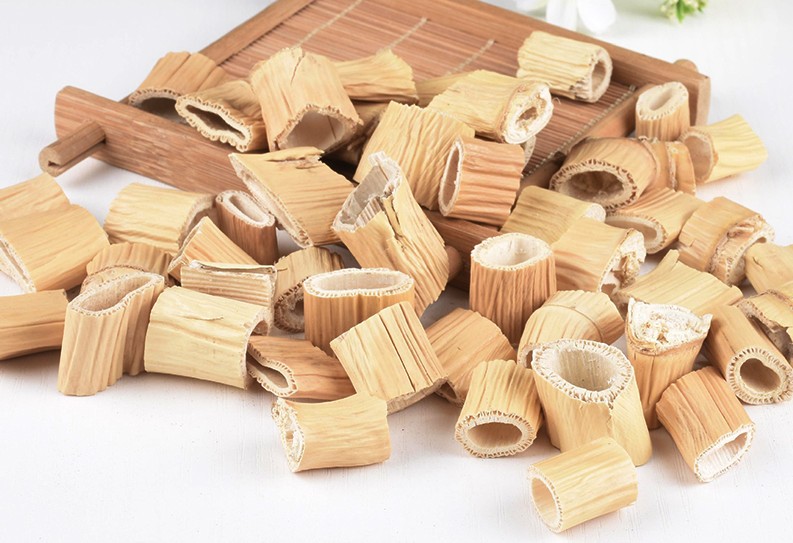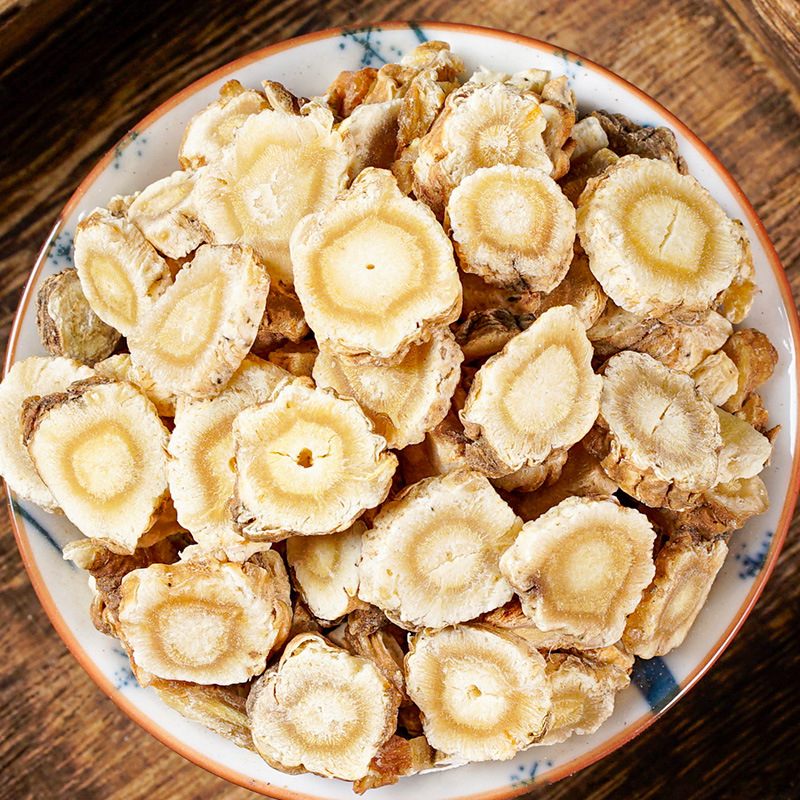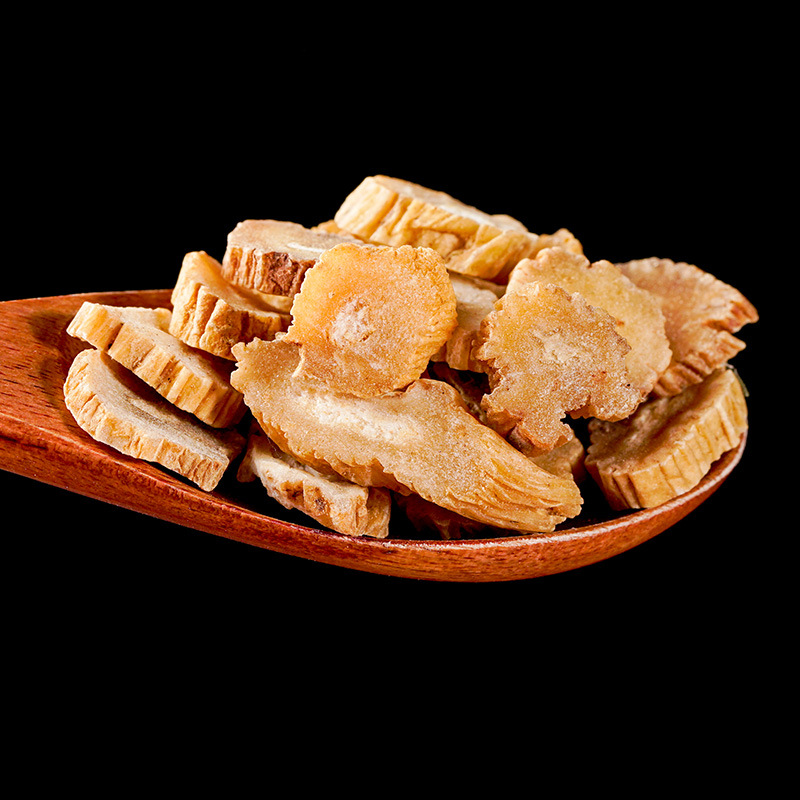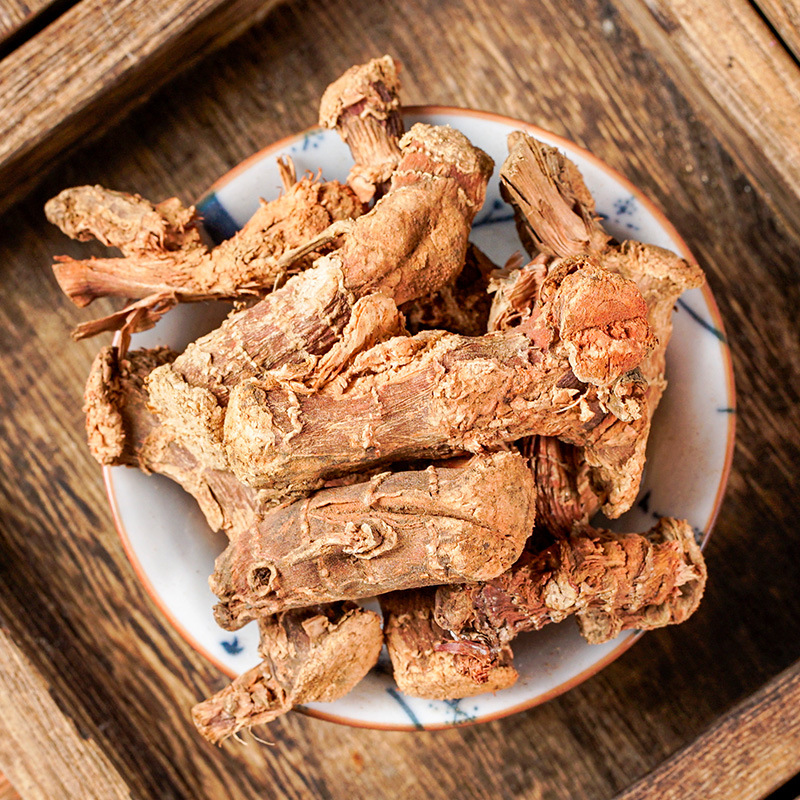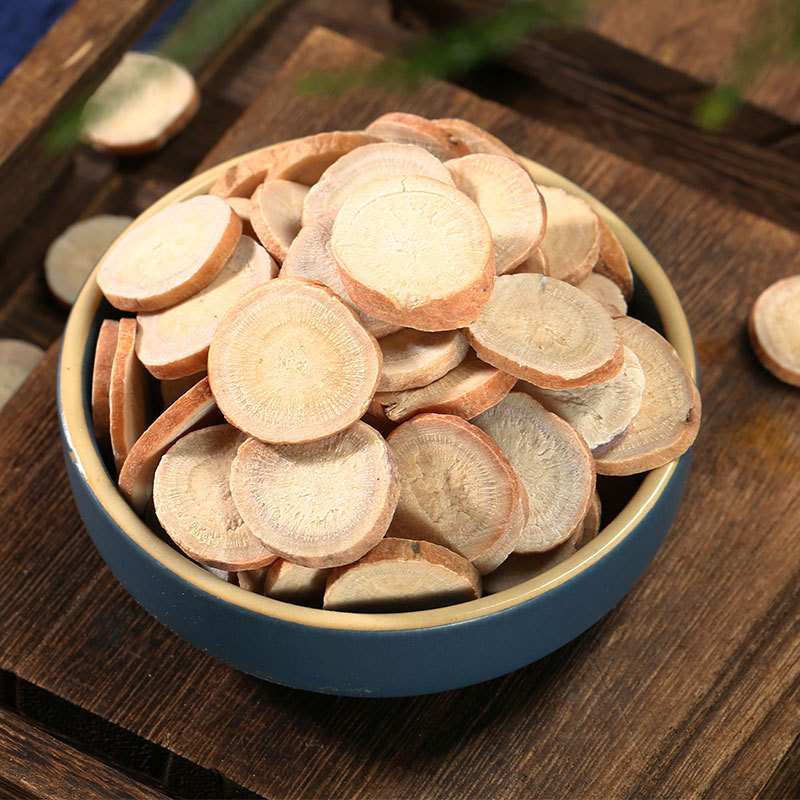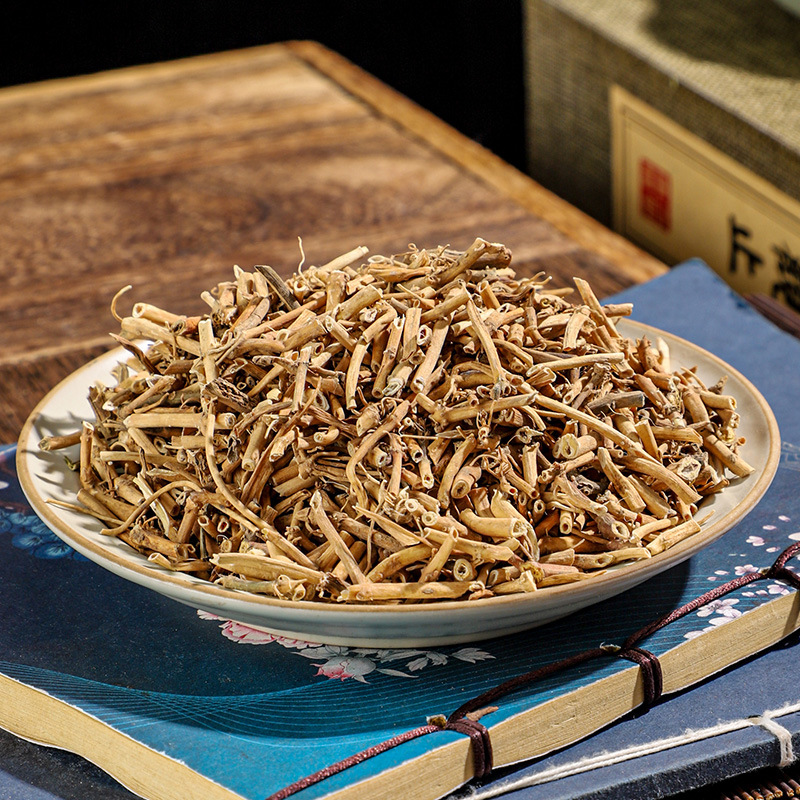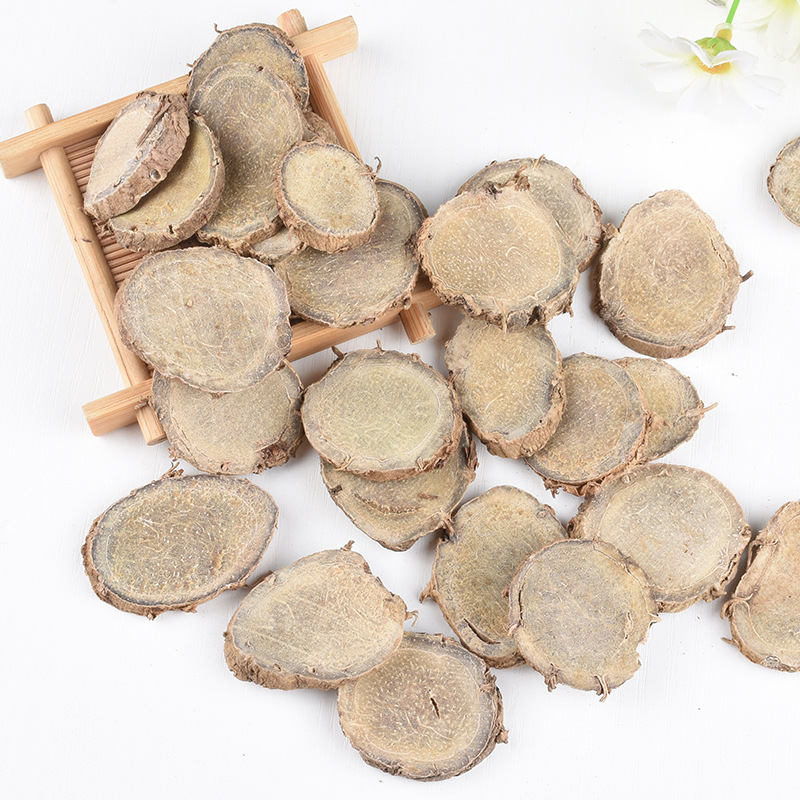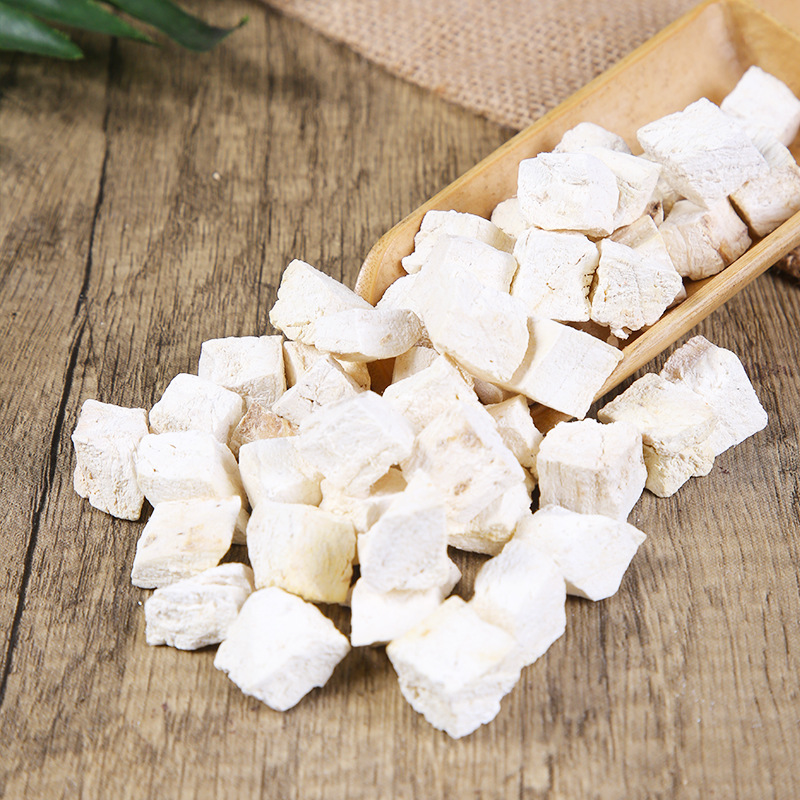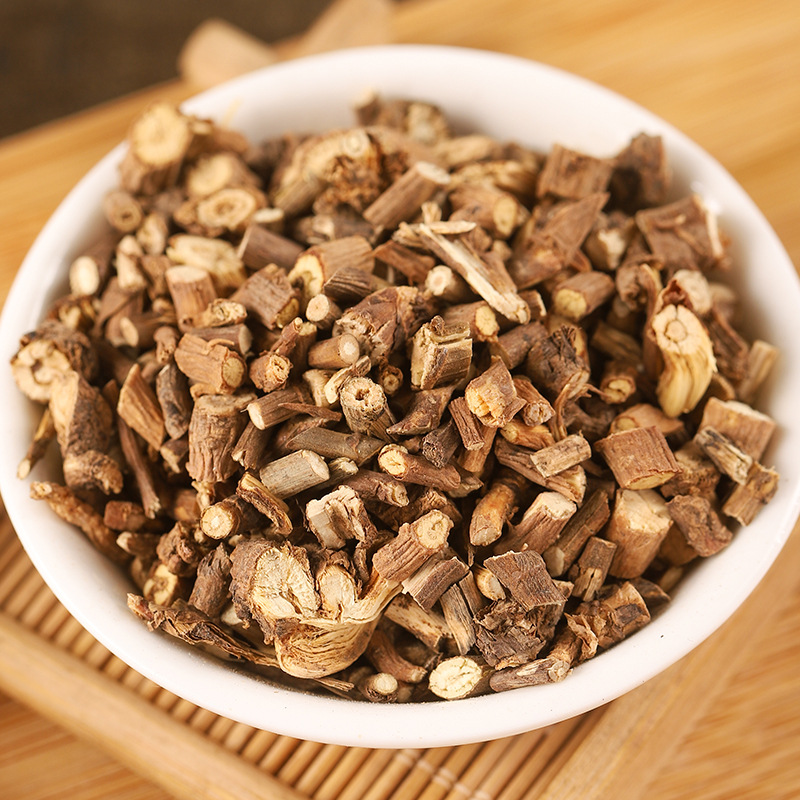
Reed rhizome is the underground stem of the reed plant in the Poaceae family, not a true root. Some physicians believe that the reed stem in the Reed Stem Decoction and reed rhizome are the same thing, except that the reed stem is often used fresh, while reed rhizome is usually used dried and is slightly older. It is produced throughout the country, washed after excavation, and dried for medicinal use. It can also be used fresh, with even better efficacy.
I. Efficacy and Application
Reed Rhizome tastes sweet and is cold in nature. It belongs to the Lung and Stomach meridians.
Efficacy Clears heat and promotes fluid production, stops vomiting, eliminates irritability, promotes urination.
It is commonly used for the treatment of conditions such as fever with thirst, dry cough due to lung heat, internal heat causing thirst, and sores and abscesses.
Summary of Famous Works by Renowned Authors:
"The Classic of Materia Medica": "It primarily treats wasting thirst and guest heat, and stops frequent urination."
Newly Revised Materia Medica: "Treats vomiting and inability to eat, heat in the stomach, and is particularly beneficial for patients with cold damage disorders."
Yao Xing Lun: "It can relieve high fever, stimulate appetite, and treat persistent hiccups and retching."
Ben Cao Meng Quan: "Relieves alcohol poisoning, fish and crab poisoning."
Jade Carving's Explanation of Medicinals: "Reed root clears and descends the lung and stomach, disperses and eliminates stagnation and vexation, engenders fluids and stops thirst, eliminates vomiting and promotes digestion, treating conditions of hiccups, belching, and vexation."
Ben Cao Bei Yao: "Treats vomiting, retching, and regurgitation, alleviates thirst and fever from external pathogens, addresses internal heat in febrile diseases, and stops frequent urination. Neutralizes toxins from fish, crab, and pufferfish."
II. Compatibility and Application
1. For febrile diseases damaging body fluids, with symptoms of vexing heat and thirst, or dry tongue with scanty fluids. Reed rhizome excels at clearing heat and relieving vexation, promoting fluid production and quenching thirst, often combined with gypsum, ophiopogon root, and trichosanthes root.
2. For stomach heat with vomiting and retching. Reed rhizome has the effect of clearing heat and stopping vomiting. It can be used alone by decocting into a concentrated liquid and taken frequently, or combined with ginger juice and bamboo shavings for better efficacy, known as Reed Rhizome Drink.
3. For lung heat cough, thick phlegm, dry mouth, and external wind-heat cough, etc. Reed rhizome can clear lung heat, moisten dryness, and relieve cough, often combined with platycodon root, mulberry leaf, and apricot kernel.
If treating lung abscess with coughing and expectoration of purulent sputum, reed rhizome can be used as a substitute for reed stem, often combined with coix seed and peach kernel, as in the Reed Stem Decoction. Alternatively, it can be further combined with honeysuckle flower and winter melon seed to achieve the effect of clearing heat and expelling pus.
Hu Xishu said, "The Reed Stem Decoction is commonly used in modern times to treat acute pulmonary suppurative conditions, such as lung abscess and acute bronchiectasis infection; it is also used for chronic bronchitis with long-term purulent sputum presenting as an upper heat and lower cold pattern. When heat is predominant, more reed stem is used; when pus is abundant, more coix seed is used. It is often combined with Platycodon Decoction according to the syndrome."
4. For the syndrome of scanty dark urine and painful dribbling urination due to heat strangury. Reed rhizome has the effect of clearing heat and promoting diuresis, and is often combined with other heat-clearing and diuretic herbs such as cogongrass rhizome, plantain herb, and pyrrosia leaf to enhance the therapeutic effect.
Zhang Xichun said, "What is sold in pharmacies today under the name of reed root is actually the root of the common reed. Its effectiveness in promoting the eruption of pox and rashes is due to its nature of stimulating and dispersing, akin to the trigram Zhen. Its ability to promote urination stems from its hollow structure and its growth in water, which naturally facilitates the movement of fluids. Its efficacy in stopping hematemesis and epistaxis lies in its cool nature, which can treat reckless movement of blood due to heat, and since blood is also a form of fluid, its property of guiding fluids downward naturally helps guide blood downward as well. Its nature is quite similar to that of cogongrass root. Whenever cogongrass root is indicated but fresh ones are unavailable, fresh reed root can be used as a substitute."
III. Usage and Dosage
Reed rhizome is often used in decoctions and rarely in pills or powders. The usual dosage ranges from over ten grams to several tens of grams. When used fresh, it has a stronger effect in clearing heat and promoting fluid production, and the dosage can be doubled. It can also be crushed to extract juice for consumption.
In the "Wen Bing Tiao Bian" (Detailed Analysis of Warm Diseases), there is a Five Juices Drink, which uses five fresh ingredients such as fresh reed rhizome, pear, and fresh lotus root. These are juiced and taken to moisten the lungs and resolve phlegm, clear heat and purge fire, and promote fluid production to quench thirst.
Zhang Xichun said, "Reed and rush are originally the same plant; those that grow in dry areas by the water, smaller in size, are called rush; those that grow in deep water, larger in size, are called reed."
IV. Application Precautions
Reed Rhizome is slightly cold in nature, so it should not be taken by those with spleen and stomach deficiency cold.