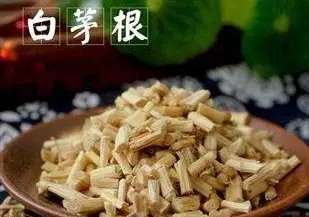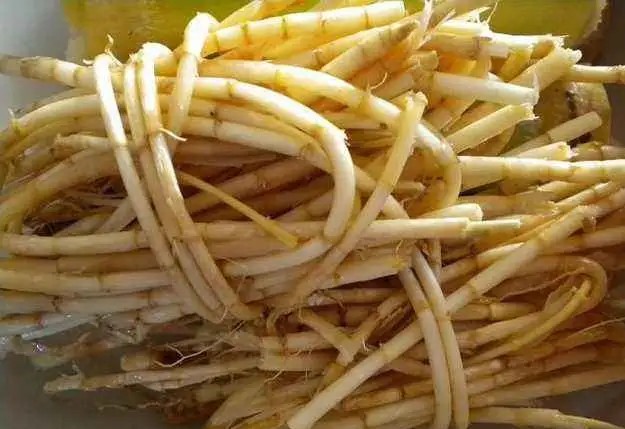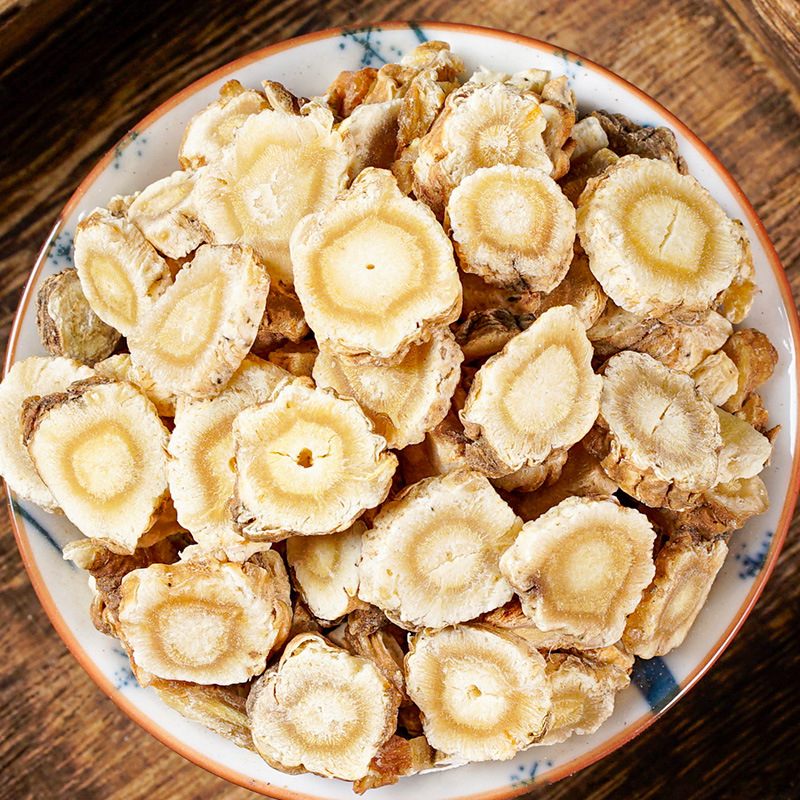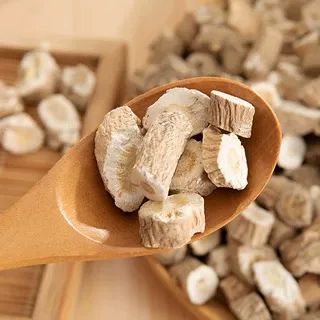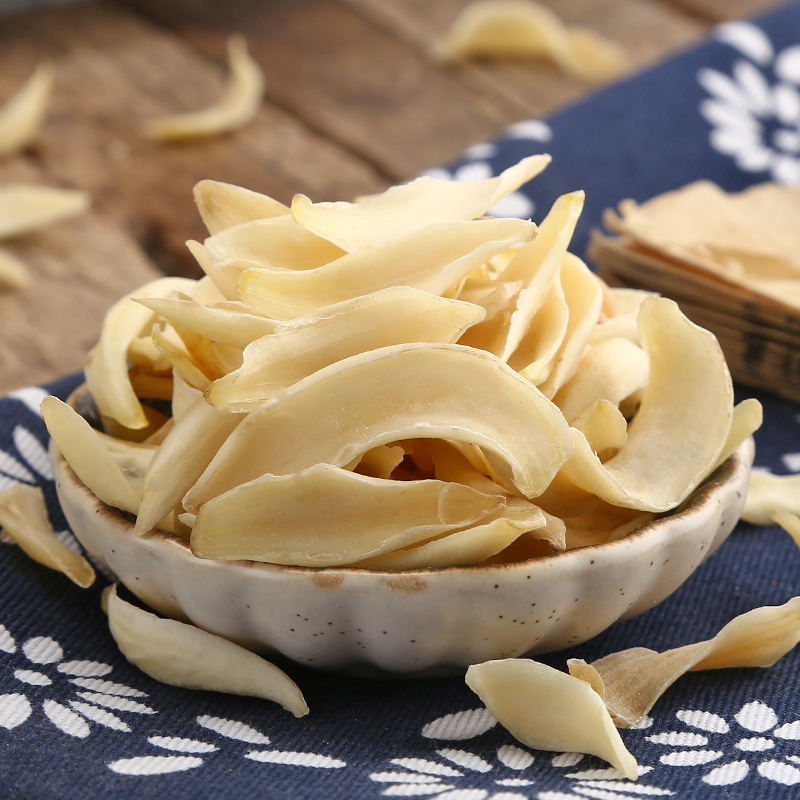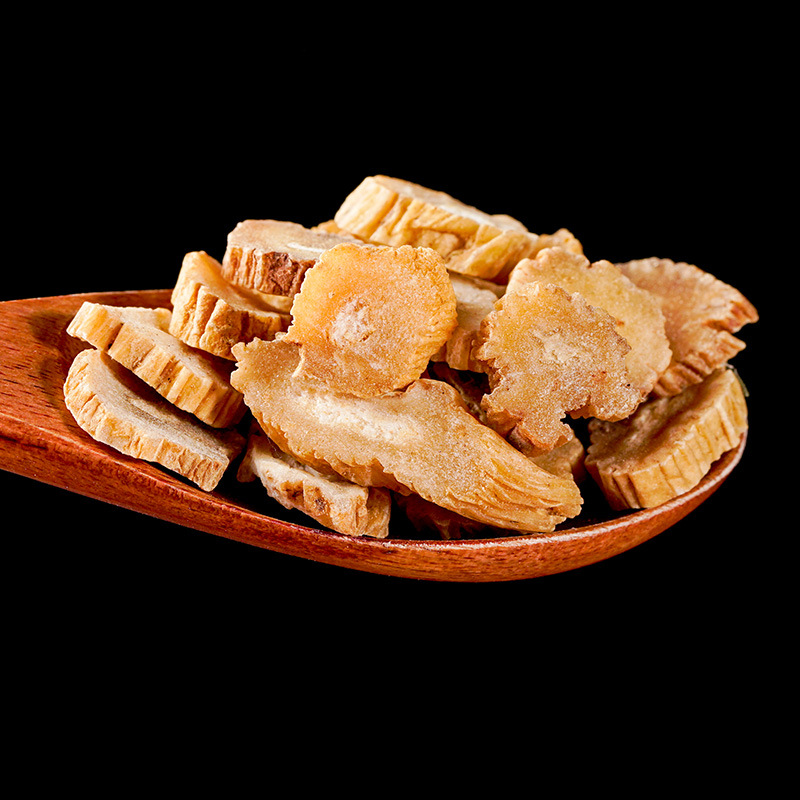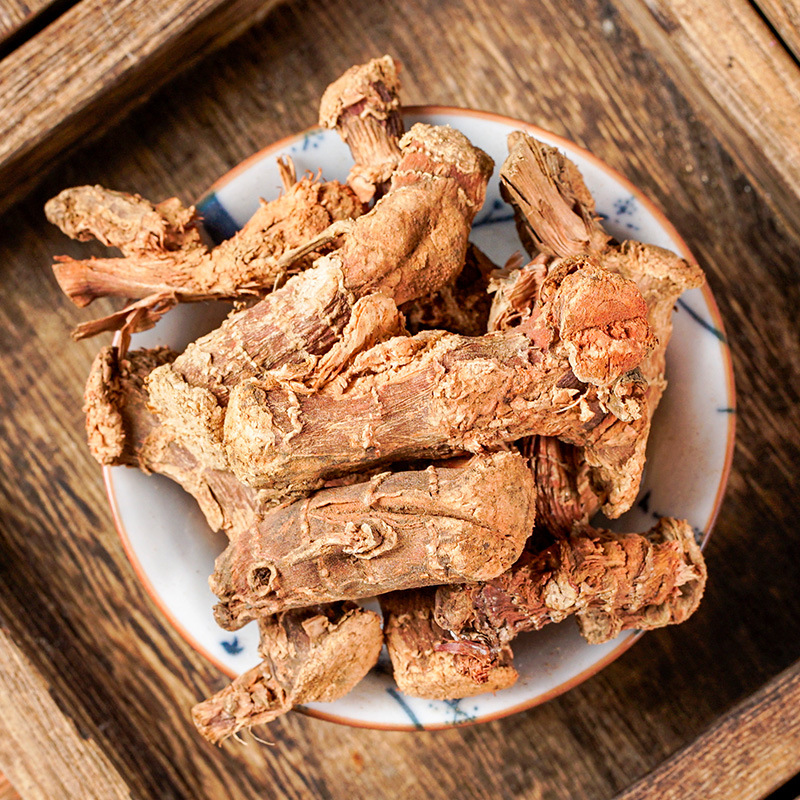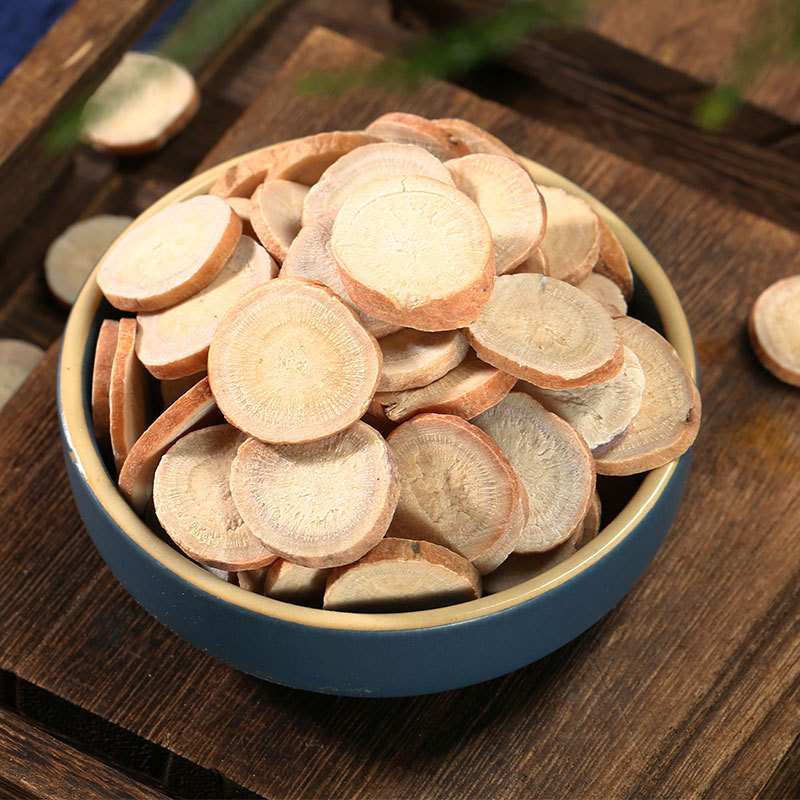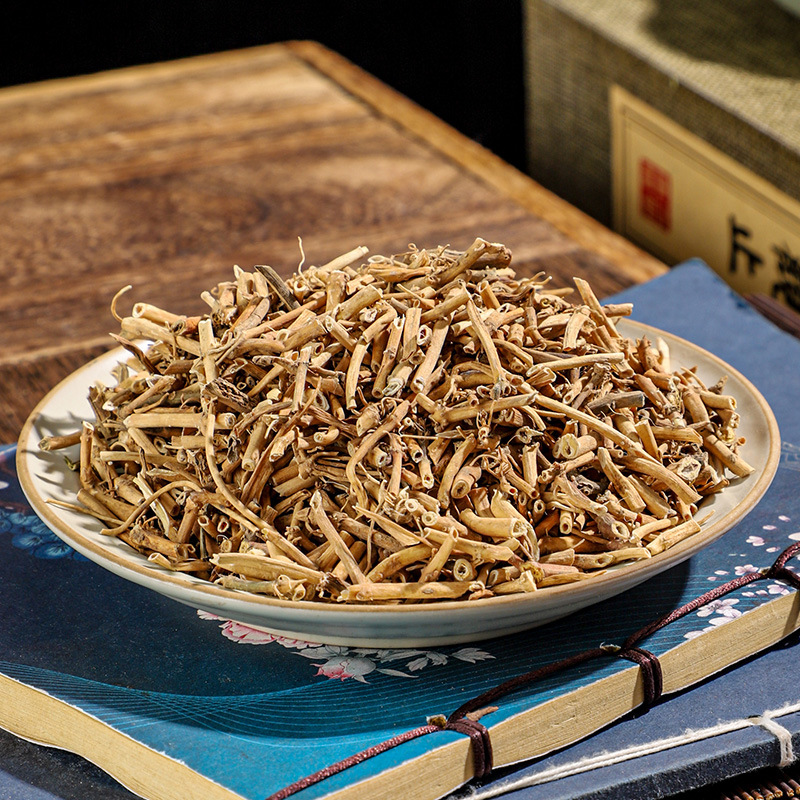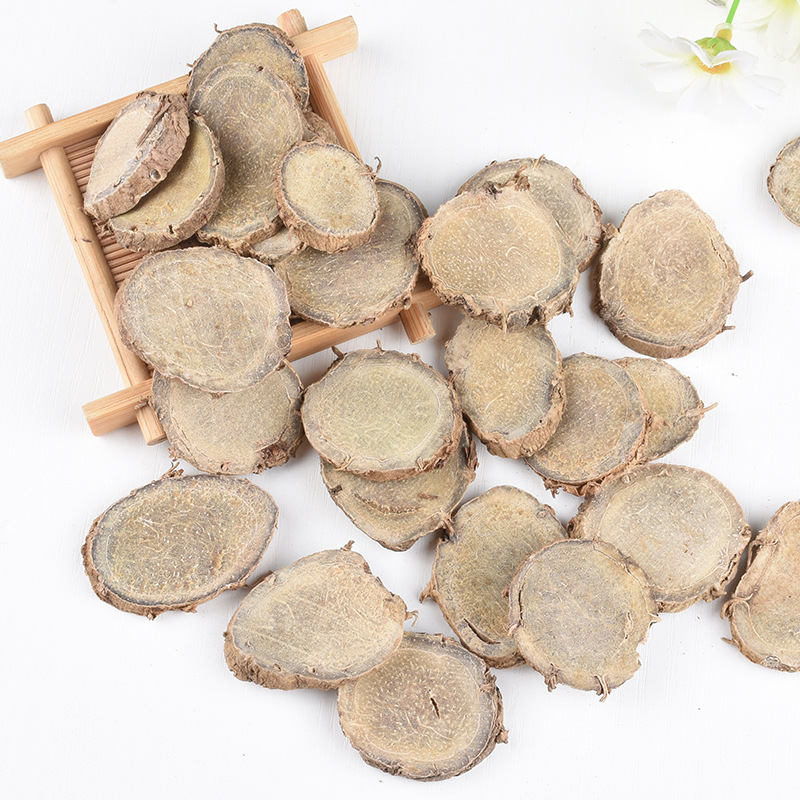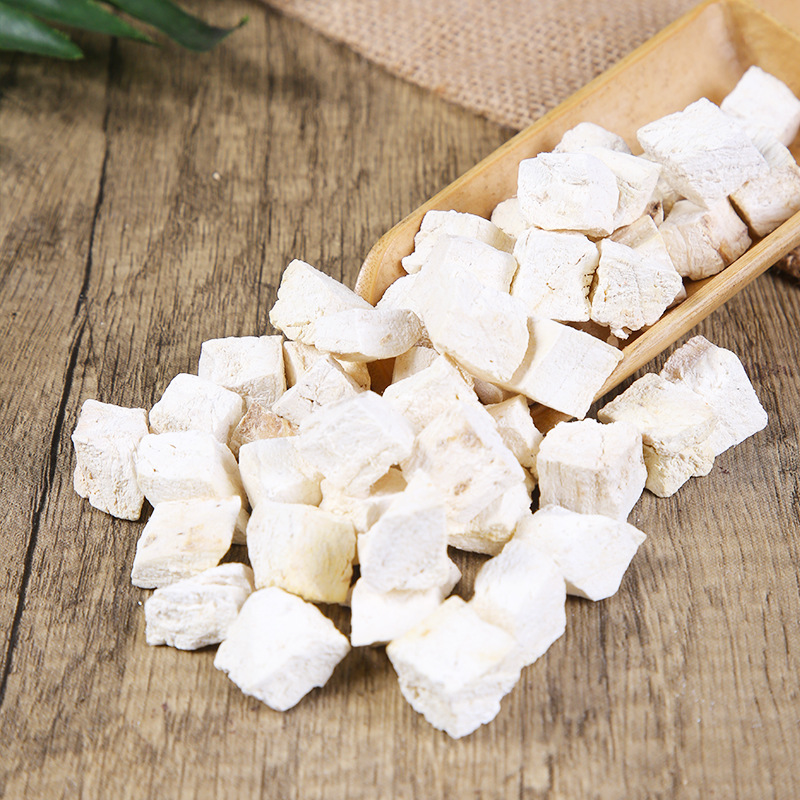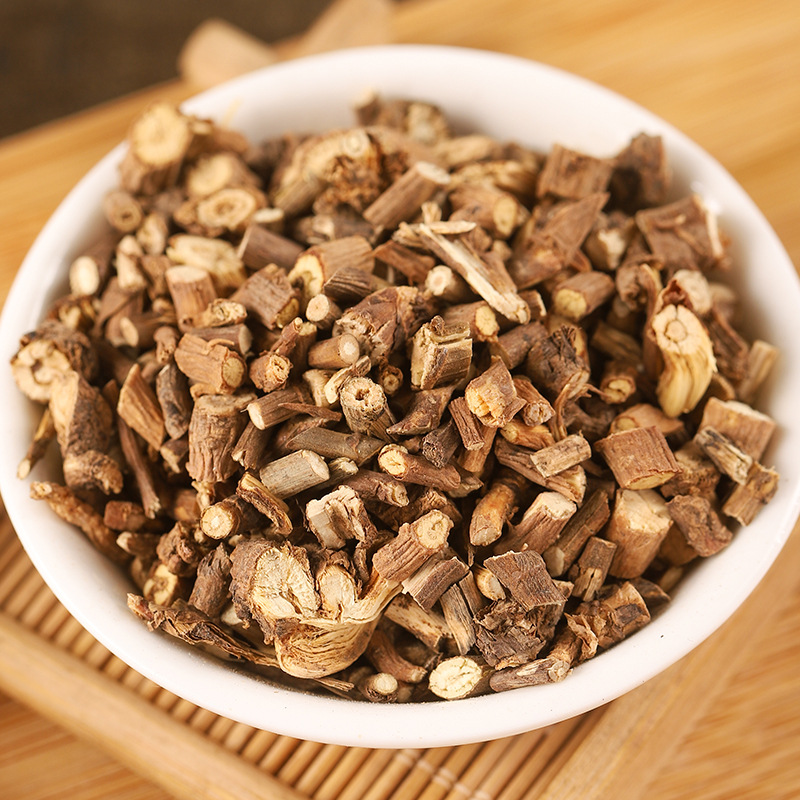
White Thatch Root also known as Thatch Root is the rhizome of the plant Imperata cylindrica from the Poaceae family It is named for its leaves which have sharp edges resembling ancient weapon spears and its roots which are white hollow and segmented It is produced throughout the country After harvesting it is washed and used fresh or dried cut into sections and used raw
I. Efficacy and Application
Imperatae Rhizoma tastes sweet and is cold in property. It enters the lung, stomach and bladder meridians.
Efficacy It can cool blood to stop bleeding, clear heat and promote diuresis. Its characteristic is particularly effective in treating bleeding syndromes of the upper and lower jiao, making it an essential herb for cooling blood and promoting urination.
Commonly used for the treatment of conditions such as hematemesis due to blood heat, epistaxis, hematuria, thirst and restlessness in febrile diseases, cough due to lung heat, vomiting due to stomach heat, jaundice due to damp-heat, edema with scanty urine, and painful urinary dribbling due to heat strangury.
Summary of Masterpieces by Renowned Authors
The Classic of Materia Medica: "It primarily treats fatigue and injury, deficiency and emaciation, supplements the center and boosts qi, eliminates static blood, blood blockages, cold and heat, and promotes urination."
Bie Lu: "It promotes urination, eliminates pathogenic heat in the stomach and intestines, quenches thirst, strengthens tendons, and treats metrorrhagia in women."
Compendium of Materia Medica: "Stops vomiting and various types of bleeding, relieves febrile disease with hiccups, alleviates lung heat causing rapid breathing, reduces edema, treats jaundice, and counteracts alcohol toxicity."
Jade Carving Medical Explanation: Imperatae Rhizoma clears metal and promotes water, restrains blood and unblocks meridians, treats wheezing and hiccups, restlessness and thirst, vomiting and nosebleeds, flooding and spotting, amenorrhea and difficult urination, edema and jaundice.
"Compendium of Materia Medica": "Tonifies the middle and augments qi, eliminates hidden heat, disperses static blood, promotes urination, and resolves alcohol toxicity. Treats vomiting and various types of bleeding, blood stasis with alternating chills and fever. Hiccups and counterflow in cold damage disorders. Lung heat with panting and urgency, internal heat with vexation and thirst, jaundice and edema."
"Medical Records of Integrating Chinese and Western Medicine": "Imperatae Rhizoma has a sweet taste and cool nature, hollow with nodes, best at dispersing stagnant heat in the viscera and expelling toxins from pox and rashes. Its root is not only hollow but also has twelve small pores around it, making it delicate throughout, thus effective in relieving painful and difficult urination, as well as symptoms like scanty urine due to heat, abdominal distension, and body swelling. Because it is white and hollow, it can enter the lungs to clear heat, soothe coughs, and calm wheezing. Due to its sweet taste and the fact that fresh rhizomes are juicy when chewed, it can enter the stomach to nourish yin, promote fluid production, and quench thirst. It also treats heat in the lungs and stomach, manifesting as coughing blood, vomiting blood, nosebleeds, and blood in the urine. However, it must be used fresh for its effects to be pronounced."
II. Compatibility and Application
1. For symptoms such as epistaxis, hemoptysis, hematemesis, and hematuria caused by blood heat and reckless movement. Imperatae Rhizoma excels at cooling blood and stopping bleeding. It can be used alone, and fresh ones are even better. It can also be combined with other hemostatic drugs for application. For example, when treating various bleeding syndromes in the upper energizer, it is often combined with Agrimoniae Herba, with significant therapeutic effects.
White thatch root can also promote diuresis, and it is particularly effective in treating hematuria, making it an essential medicinal herb. It is often combined with cypress leaf, small thistle, and cattail pollen.
Wang Ang said: "When the heart and liver fire is vigorous, it forces blood to ascend, leading to hematemesis; when lung fire is excessive, it causes epistaxis. Imperatae Rhizoma is sweet and harmonizes blood, cold and cools blood, guiding fire downward, thus treating these conditions. For bruises and stagnant blood, crush it to extract juice and take it, known as Imperatae Flower Decoction. It also treats epistaxis and postpartum strangury."
2. For heat strangury, difficult urination, edema, and damp-heat jaundice, among other conditions. Imperatae Rhizoma has the function of clearing heat and promoting diuresis. To treat heat strangury and damp-heat jaundice, it is often combined with diuretic and dampness-eliminating herbs such as Plantaginis Semen and Lysimachiae Herba.
Zhang Xichun treated cases where yin deficiency fails to transform yang, leading to difficulty in urination, or where damp-heat stagnation causes urinary difficulty and eventually results in edema. He personally formulated a prescription using only fresh Imperata cylindrica root, named Imperata cylindrica Root Decoction, which proved highly effective. One medical case recorded in his works is as follows:
A woman nearly forty years old, suffering from fever due to yin deficiency, gradually experienced difficulty urinating, which eventually developed into edema. She tried all kinds of diuretic medicines, but none were effective. Her pulse was rapid, nearly six beats per breath, and felt strong upon deep pressure. When asked, she reported constant feelings of irritability. It was determined that her condition was caused by heat generated from yin deficiency, combined with excess heat, leading to difficulty urinating and subsequent edema. She was instructed to use half a catty of fresh reed root, boiled into two large bowls of decoction, to be consumed slowly as tea while warm, ensuring the medicinal effects persisted day and night. After taking it continuously for five days, her fever subsided, urination became smooth, and the swelling completely disappeared.
3. For febrile diseases with thirst, stomach heat with vomiting and hiccups, and lung heat with cough, etc. Imperatae Rhizoma has a sweet taste and cold nature, capable of clearing and discharging accumulated heat in the lungs and stomach, often used in combination with Phragmitis Rhizoma.
Qian Jin Fang: "To counteract alcohol poisoning and prevent damage to the five viscera, drink one liter of cogongrass root juice."
The Handbook of Prescriptions for Emergencies: "For bamboo or wood splinters embedded in the flesh, burn Imperata cylindrica root into powder, mix with lard, and apply to the affected area. It is also effective for swelling caused by wind invasion."
III. Usage and Dosage
Imperatae Rhizoma is often used in decoctions and rarely in pills or powders. If fresh products can be used, the effect will be better. Its taste is sweet and bland, so the dosage can be larger. The usual dosage is more than ten grams to dozens of grams, and the fresh product is doubled.
Zhang Xichun's works provide a detailed introduction to the decoction method of Imperatae Rhizoma, which is highly valuable for reference. The method is as follows:
Take fresh Imperatae Rhizoma, remove the skin and fine roots between the nodes, wash and cut into fine pieces, about one jin, and boil with three jin of cold water until it boils once, wait for half an hour, then boil again until it boils once, wait for another half an hour, when the Imperatae Rhizoma sinks to the bottom, the decoction is ready, filter it out as the daily dose, drink it warm as tea when thirsty. It is suitable for treating deficiency heat, excess heat, and externally contracted heat. It is particularly effective for treating difficulty in urination due to heat, which leads to edema. If fresh Imperatae Rhizoma is not available, use one jin of dried Imperatae Rhizoma from the pharmacy, soak it in boiling water, and when the water cools, warm it over low heat, do not let it boil, for about sixty minutes, then filter out the dregs, and drink it warm as tea slowly, which is also effective.
IV. Application Precautions
Imperatae Rhizoma is sweet in flavor and cold in nature, so it should not be taken by those with deficiency-cold of the spleen and stomach, or those with frequent urination and no thirst.
Attached Medicinal Herbs: Efficacy and Application of Imperatae Rhizoma and Imperatae Flos
Mao Zhen refers to the initial sprout of the thatch, which has not yet emerged from the soil and is shaped like a large needle. Its properties are the same as those of thatch root, but it has a slightly stronger ability to break blood stasis. For sores that have ulcerated but the pus has not yet ruptured, boiling and consuming Mao Zhen will cause the sore to rupture.
Wang Ang said: "Mao Zhen is used to treat carbuncles and boils. It is taken after being boiled with wine."
White Cattail Flower refers to the flower spike of Imperata cylindrica. It has a sweet and neutral nature and taste, with the function of stopping bleeding. It is commonly used for nosebleeds and vomiting blood; external application can treat traumatic bleeding. The usual dosage is over ten grams; for external use, apply an appropriate amount.