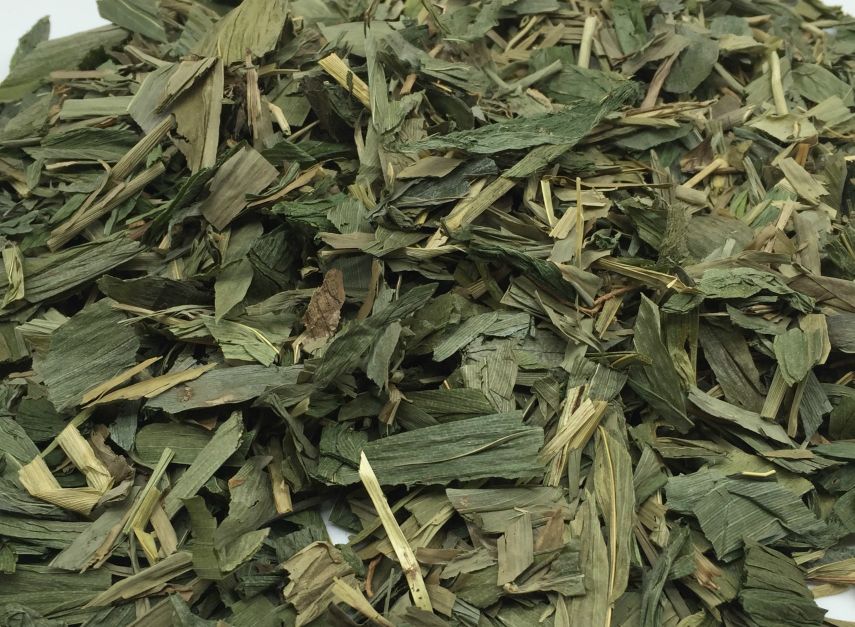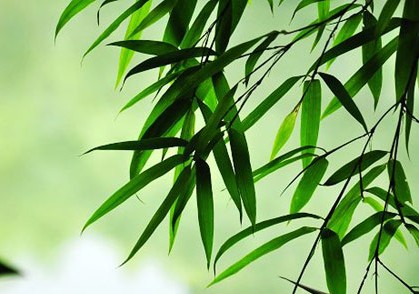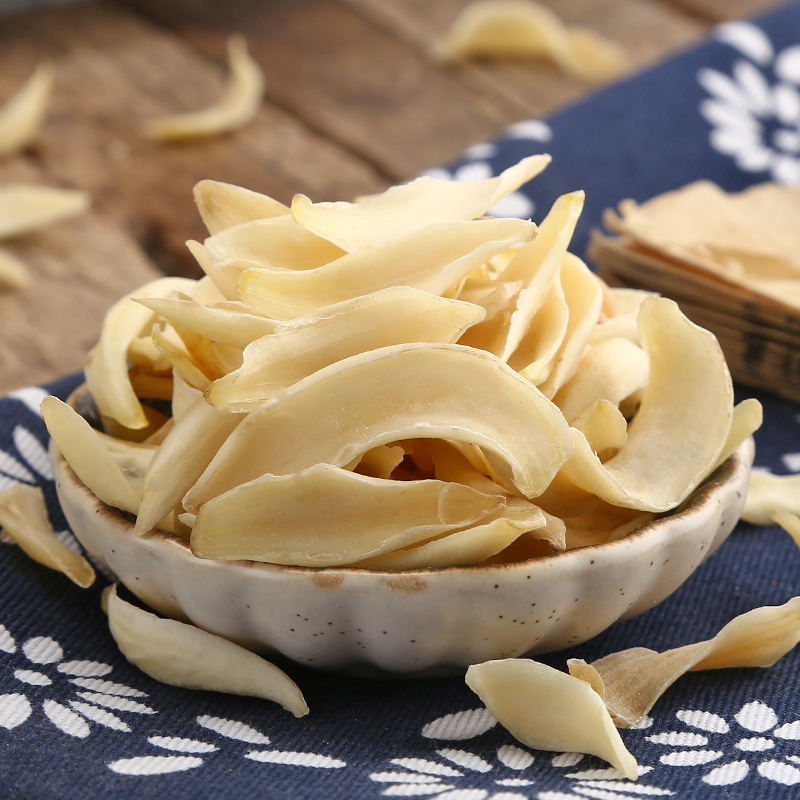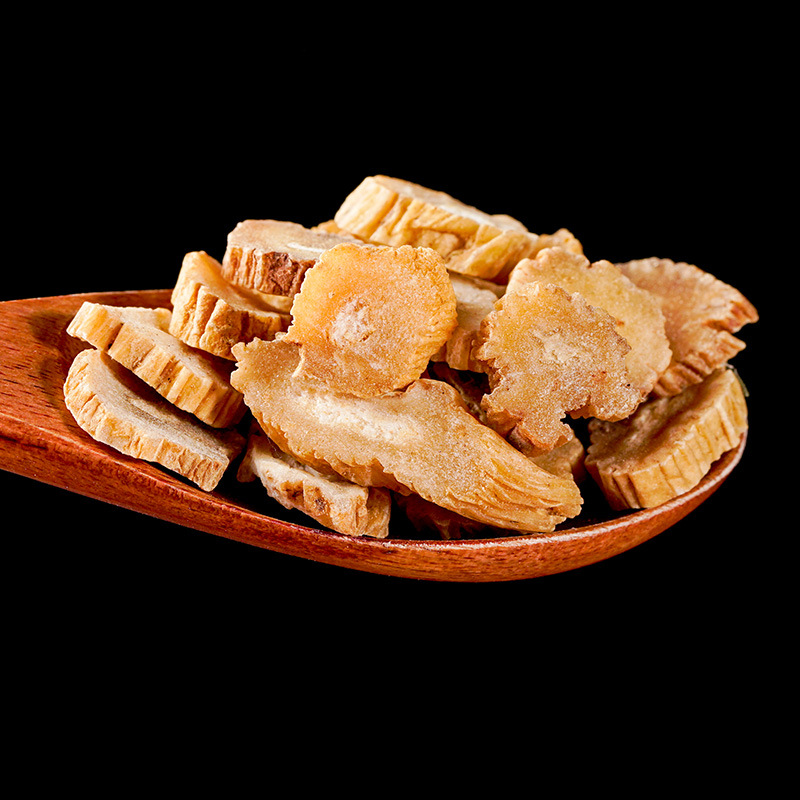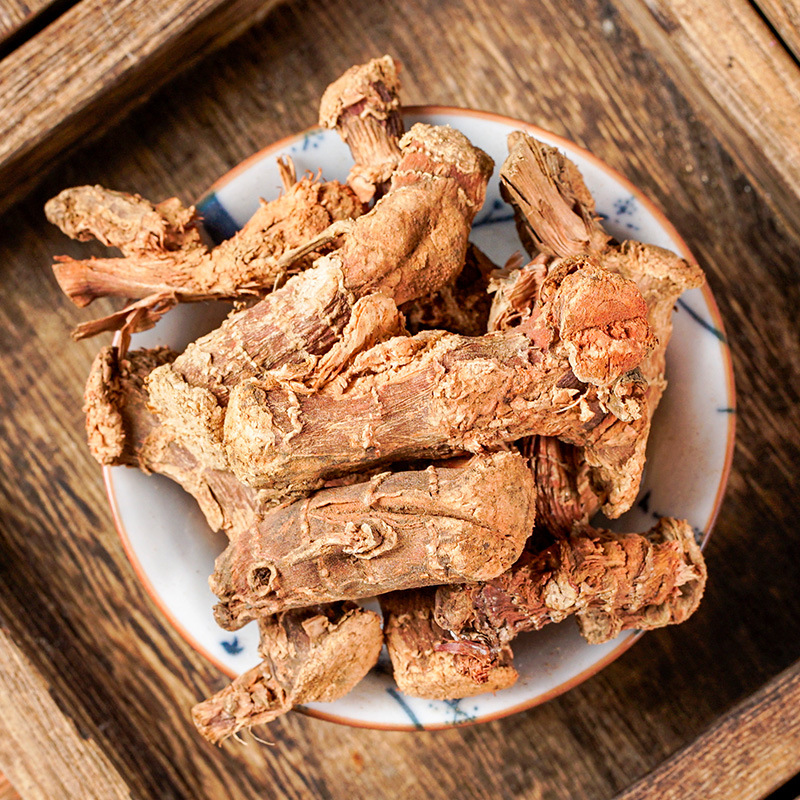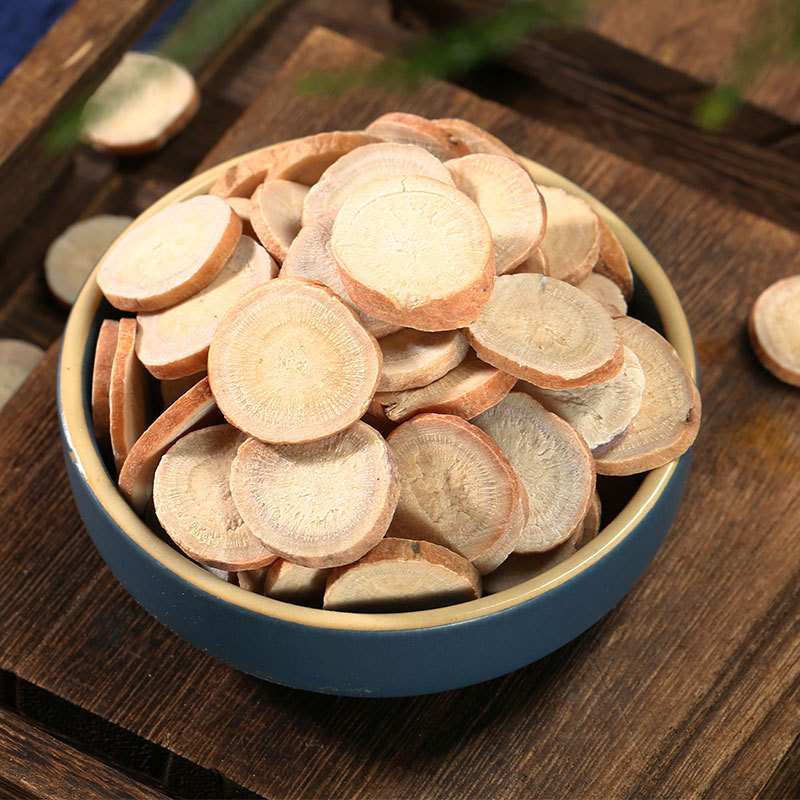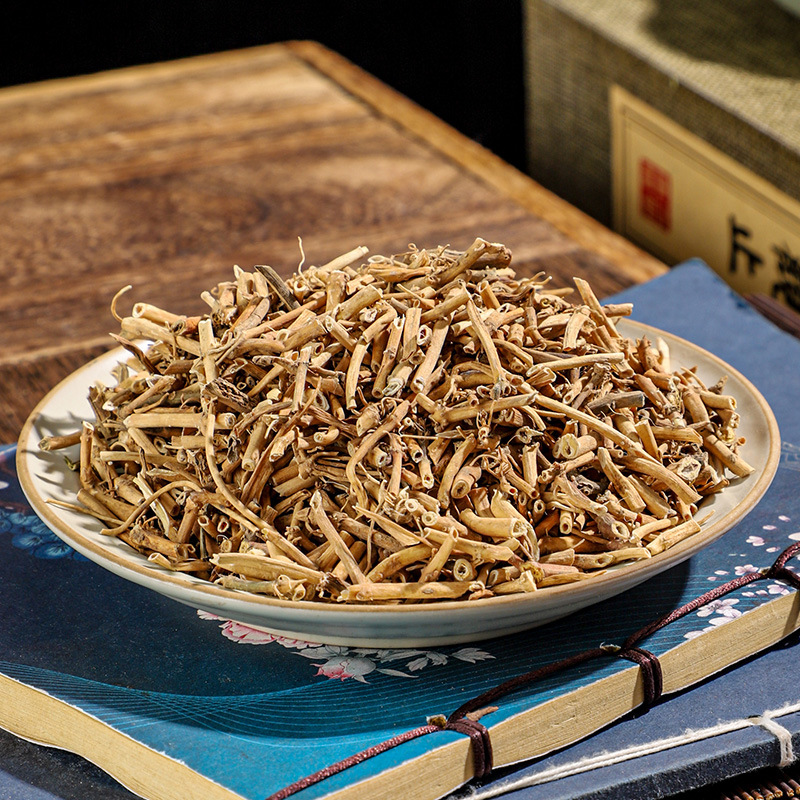
Bamboo leaf is the leaf of the grass family plant Phyllostachys nigra var. henonis, hence it is also called Danzhuye. However, the traditional Chinese medicine Danzhuye refers to the leaf of the herbaceous plant Lophatherum gracile, also known as Zhuyemaidong. The names and effects of these two medicines are similar and can easily be confused, so it is important to distinguish them clearly. Bamboo leaves can be picked at any time and are best used fresh; Danzhuye is often harvested in summer, dried, and cut into sections for medicinal use.
In ancient medical texts, such as the bamboo leaves used in the "Treatise on Cold Damage," they all refer to the leaves of bamboo. There are hundreds of varieties of bamboo, but only the leaves of a few types of light bamboo can be used as medicine. It was not until after the "Compendium of Materia Medica" that the whole plant of light bamboo leaves appeared. Today, the bamboo leaves or light bamboo leaves used in traditional Chinese medicine clinical practice are mostly light bamboo leaves. Even though the original formulas of Bamboo Leaf and Gypsum Decoction and Guide Out the Red Powder used bamboo leaves, they are now mostly replaced by light bamboo leaves, with little impact on efficacy.
I. Efficacy and Application of Bamboo Leaves
Bamboo leaf tastes sweet and bland, and is cold in nature. It enters the heart, lung, and stomach meridians.
Efficacy Clears heat and relieves restlessness, promotes fluid production, and promotes urination.
It is commonly used for the treatment of conditions such as fever with thirst, infantile convulsions, cough with vomiting and nosebleeds, scanty dark urine, and oral ulcers and tongue sores.
Summary of Masterpieces by Renowned Authors
Bie Lu: "It governs phlegm-heat in the chest, cough with counterflow qi ascent."
Compendium of Materia Medica: "It alleviates feverishness due to deficiency, restlessness, and insomnia, quenches thirst, promotes fluid production, facilitates urination, relieves throat obstruction, and treats pediatric wind-heat convulsions."
Anhui Chinese Herbal Medicine: "Clears heat, relieves restlessness, quenches thirst, promotes diuresis."
"Dietary Materia Medica": "Bamboo leaves, aside from the violet, bitter, bland, and sweet varieties, the rest are not suitable for medicinal use and are not beneficial for humans. The bland bamboo is the best, followed by the sweet bamboo."
Compatibility and Application
1. For febrile diseases with vexing thirst and dry mouth. Bamboo leaf can clear the heart and eliminate vexation, and promote fluid production. It is often combined with gypsum, ophiopogon root, and reed rhizome.
If treating residual heat not cleared in cold damage, warm disease, summerheat disease, with both qi and fluid damaged pattern. Often combined with Gypsum Fibrosum, Ginseng Radix et Rhizoma, Ophiopogonis Radix, Pinelliae Rhizoma, etc., which is Zhuye Shigao Tang.
Wang Ang said: "This is a medicine for the hand taiyin and foot yangming meridians. Bamboo leaf and gypsum, with their pungent and cold properties, disperse residual heat; ginseng, licorice, ophiopogon, and rice, with their sweet and neutral properties, benefit the lungs and soothe the stomach, replenish deficiency and promote fluid production; pinellia, with its pungent and warm properties, resolves phlegm and stops vomiting. Thus, it eliminates heat without harming the body's true qi, and guides counterflow while boosting qi."
2. Used for heart fire flaming upward, mouth and tongue sores, and various syndromes of infantile convulsive fever. Bamboo leaf can clear heart fire and also calm the spirit and settle convulsions. It is often combined with raw rehmannia root, moutan bark, and licorice tip, which is known as the Guide Out the Red Powder.
If combined with heat-clearing and wind-extinguishing substances such as Uncaria and Cicada slough, it can be used to clear the heart, calm the mind, and relieve convulsions.
3. Used for heat strangury and painful urination caused by heart fire transferring to the small intestine. Bamboo leaf has the effect of clearing the heart and promoting diuresis, and is often combined with plantain seed, rush pith, and akebia stem.
II. Efficacy and Application of Lophatherum
Lophatherum Herb tastes sweet and bland, and is cold in property. It acts on the heart, stomach and small intestine meridians.
Efficacy can clear heat and relieve restlessness, promote urination.
It is commonly used for the treatment of conditions such as fever with thirst, mouth sores, dark urine, and painful urination due to heat.
Compatibility and Application
1. Used for mouth and tongue sores, difficult urination, burning and painful urination, and other symptoms. Danzhuye is good at clearing heat from the heart and small intestine meridians, and also promotes diuresis and relieves strangury. It is often combined with Dengxincao, Baimaogen, Haijinsha, and other herbs.
2. Used for heat disease with vexation and thirst. Danzhuye can clear the heart and drain heat, relieve vexation and quench thirst. It is often combined with Maidong, Lugen, Tianhuafen, and other herbs.
Compendium of Materia Medica: "Relieves restlessness and heat, promotes urination, and clears the heart."
Usage and Precautions
The efficacy of bamboo leaves and lophatherum gracile is similar, with the difference being that bamboo leaves are particularly effective in clearing heat from the heart and stomach, while lophatherum gracile excels in clearing heat and promoting diuresis.
The common dosage of these two herbs in decoction is several grams to more than ten grams. They can also be consumed as a tea substitute.
Because they all have the properties of clearing heat and promoting diuresis, they are contraindicated for individuals with weak and cold constitutions and pregnant women.