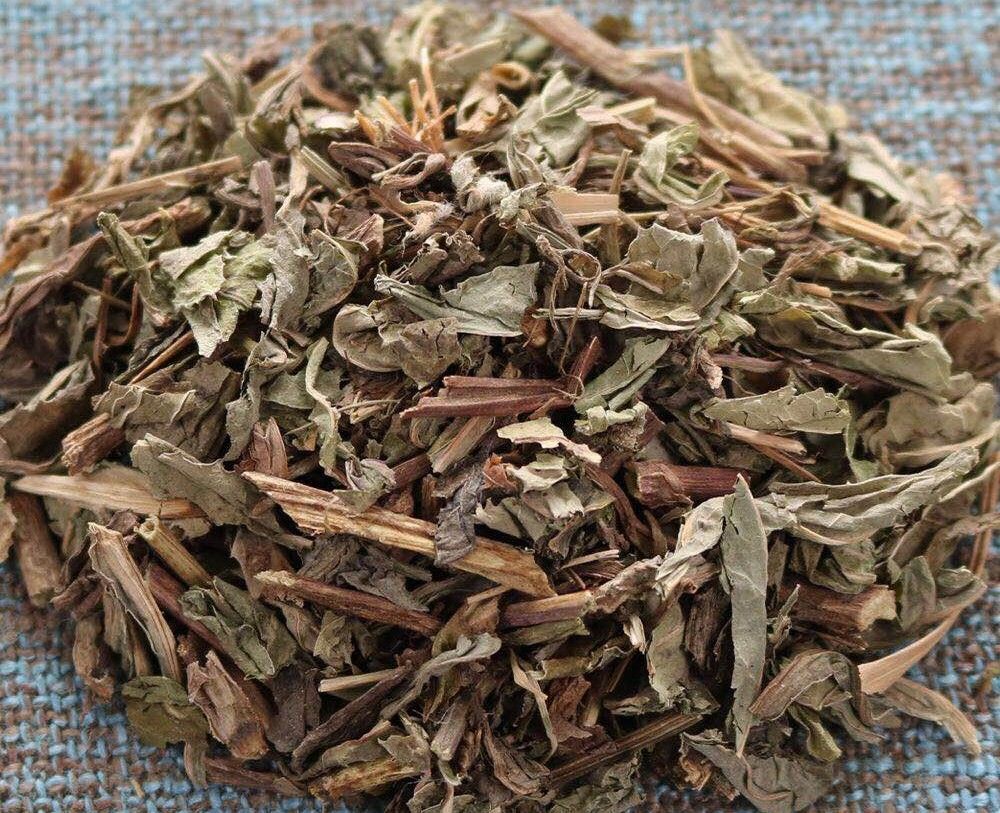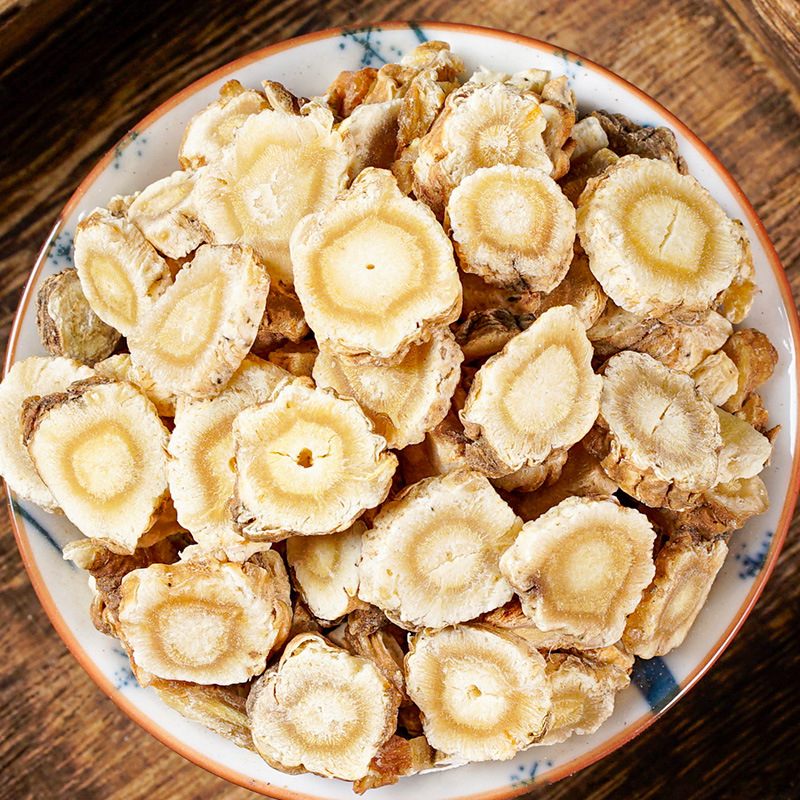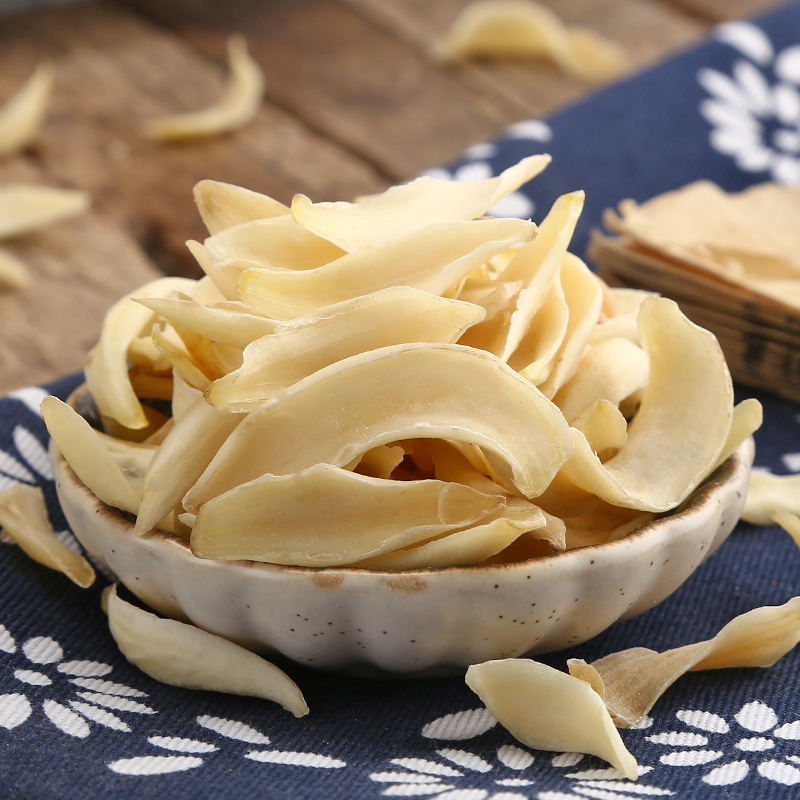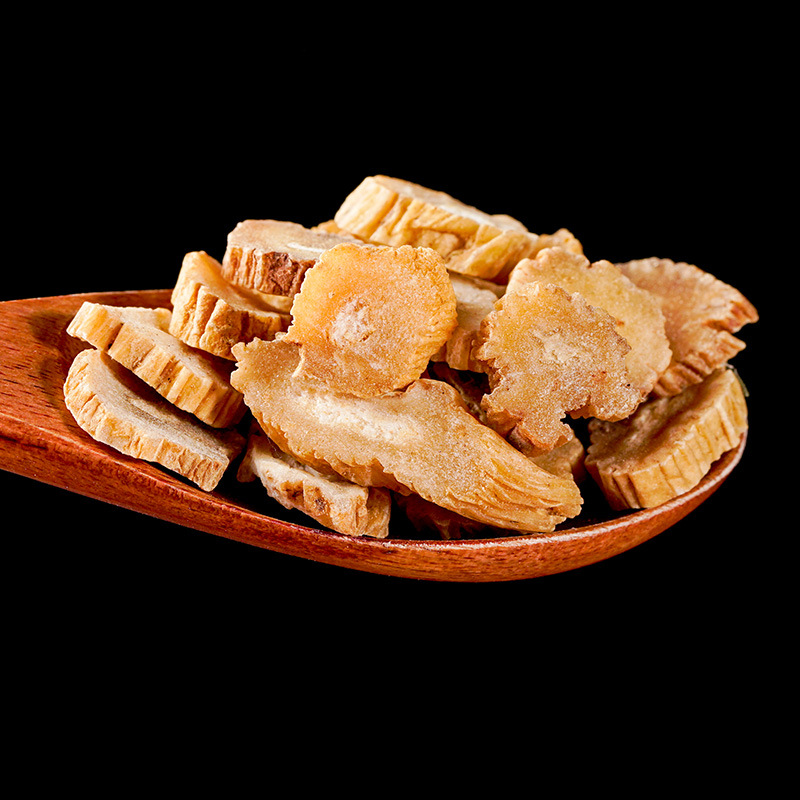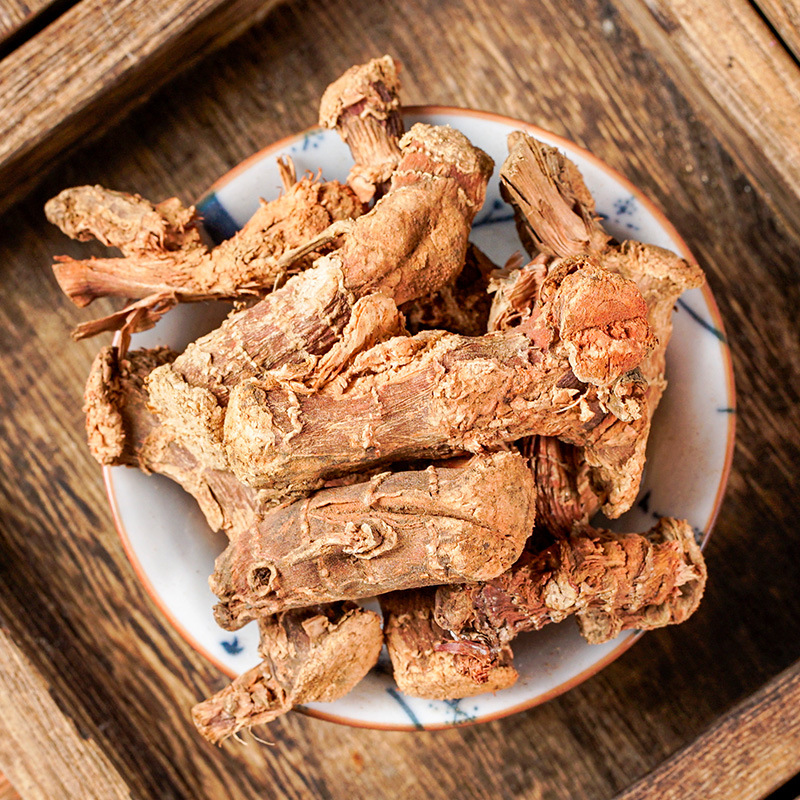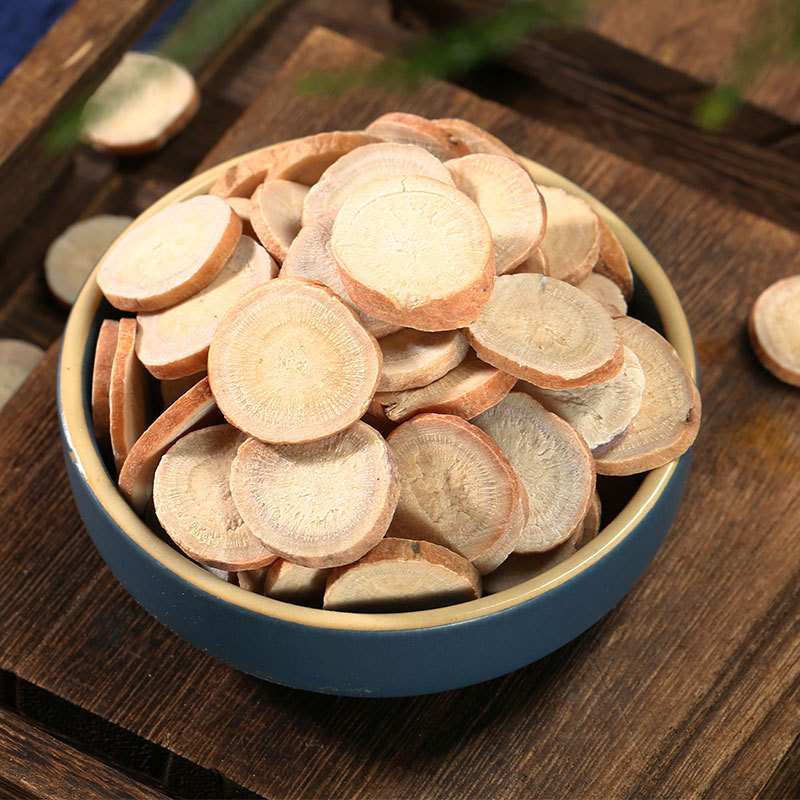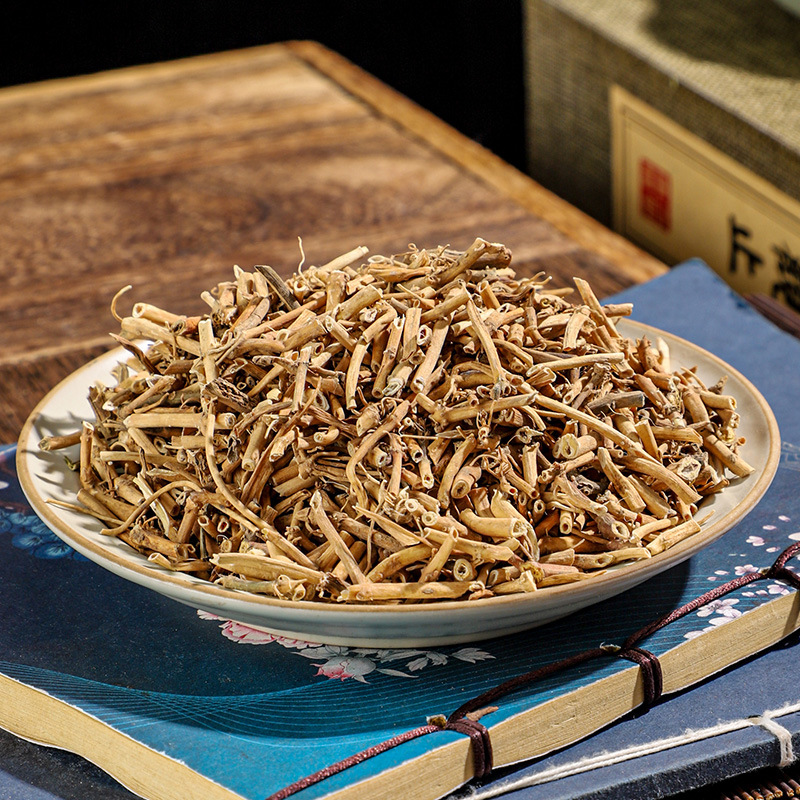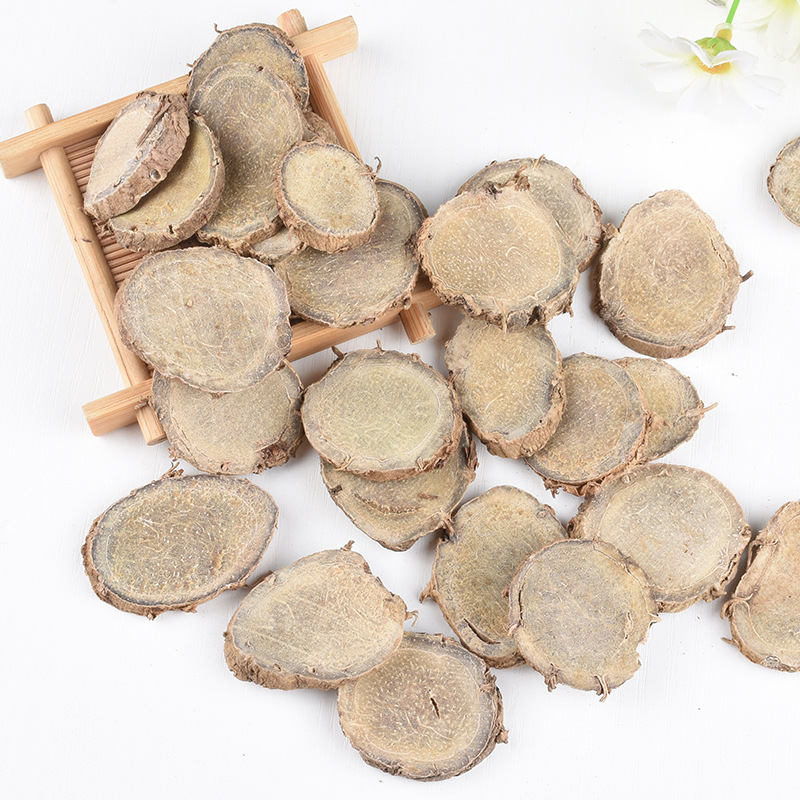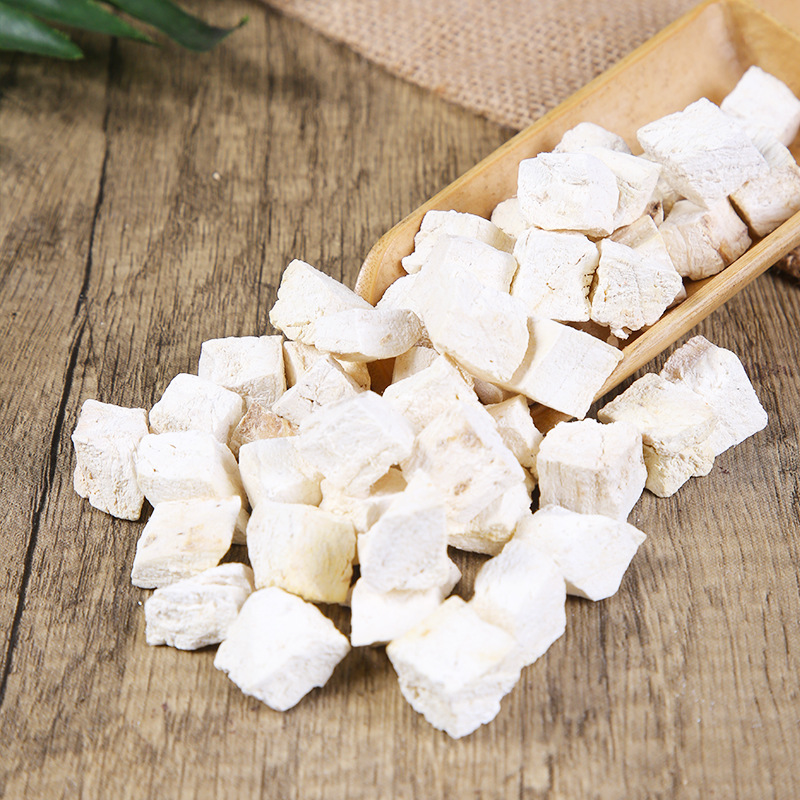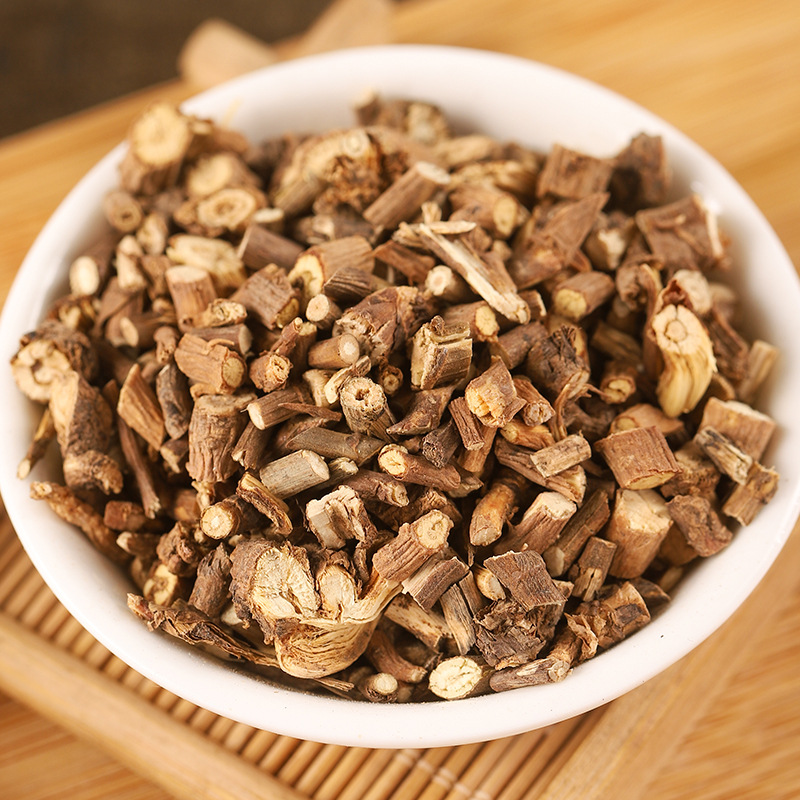
Patrinia Herb also known as bitter herb is the whole herb with roots of the perennial herbaceous plant Patrinia scabiosaefolia or Patrinia villosa of the Valerianaceae family It is named for its stale smell resembling spoiled paste It is produced throughout China It is harvested in autumn washed dried in the shade and cut into sections for use
I. Efficacy and Application
Patrinia scabiosifolia tastes pungent and bitter, slightly cold. It belongs to the stomach, large intestine, and liver meridians.
Efficacy It can clear heat and detoxify, eliminate carbuncles and expel pus, remove stasis and relieve pain. Its characteristic is particularly effective in treating heat-toxin carbuncle swelling and intestinal abscess, making it an essential medicine for detoxification and healing sores.
It is commonly used for the treatment of intestinal abscess, pulmonary abscess, dysentery, chest and abdominal pain, abscesses, boils, and sores.
Modern research has confirmed that Patrinia scabiosifolia has antiviral, antibacterial, antitumor, cholagogic, diuretic, and liver cell regeneration-promoting effects, thus it is widely used clinically for various inflammatory diseases.
Summary of Famous Works by Renowned Authors:
Ben Jing: "It primarily treats sudden fire sores, red qi, scabies, itching, ulcers, hemorrhoids, and saddle heat qi."
Bie Lu: "It eliminates carbuncles and swellings, disperses edema, resolves heat accumulation, treats wind impediment with deficiency, and relieves postpartum abdominal pain."
Compendium of Materia Medica: "Patrinia is effective in expelling pus and breaking up blood stasis. Therefore, Zhang Zhongjing used it to treat abscesses, and it was also employed in ancient gynecological prescriptions. It is an easily obtainable substance, yet later generations did not know how to use it, likely because they never encountered someone who understood its properties."
Changsha Materia Medica: Patrinia is bitter and cold, promoting free flow, adept at breaking up stagnant blood and dispersing abscesses and swellings, expelling pus and filth, and resolving abdominal masses.
II. Compatibility and Application
1. For heat-toxin abscesses and swellings. Patrinia scabiosifolia can drain heat and resolve toxins, dissipate binds and expel pus, and is especially good at treating internal abscesses, particularly intestinal abscess syndrome.
For treating intestinal abscess with pus formation, it is often combined with aconite and coix seed, known as Aconite Coix Patrinia Powder.
If treating intestinal abscess with pus not yet formed, it is often combined with honeysuckle flower and moutan bark.
If treating lung abscess with fever, coughing and spitting of pus and blood, it is often combined with herbs such as Houttuynia cordata, reed rhizome, and platycodon root.
For treating heat-toxin sores and boils, it can be taken orally or applied topically as a fresh poultice to the affected area, both methods are effective.
Tangye Bencao: "In the treatment of abdominal abscess with pus, Zhang Zhongjing used the Yiyiren Fuzi Baijiang Decoction. The formula consists of ten parts of coix seed, two parts of aconite, and five parts of patrinia. These three ingredients are ground into powder, and one square-inch spoonful is taken, boiled in two liters of water until reduced to one liter, and taken in one dose. Urination will follow, leading to recovery."
"Ancient Chinese Medicine of Circular Movement": "For the initial stage of intestinal abscess with symptoms of excess heat and pus not yet formed, use Dahuang Mudanpi Decoction; if the intestinal abscess has persisted for a long time, with pus already formed and symptoms of deficiency cold, then use Yiyi Fuzi Baijiang Powder."
Peng Ziyi said, "Yiyi Fuzi Baijiang Powder, Fuzi warms and restores the yang of the fu organs, Yiyi removes dampness, strengthens the spleen, and regulates stagnation, while Baijiang cleanses decay and promotes regeneration. This is the treatment method for intestinal abscess with deficiency-cold syndrome."
Hu Xishu said, "In clinical practice, the use of Patrinia scabiosifolia to break stasis and expel pus relies on the vital qi to drive it, so it is often appropriate to combine it with aconite."
2. For the syndrome of blood stasis causing chest and abdominal pain. Patrinia has the effect of dispelling stasis and relieving pain. To treat chest and abdominal pain, it can be used alone by decoction, or commonly combined with Trogopterus dung, Cyperus rotundus, Angelica sinensis, and other herbs.
If treating postpartum abdominal pain, it is often combined with Chinese angelica, Szechuan lovage rhizome, peony root, and teasel root.
3. Zhu Liangchun's Experience in Using Patrinia. Patrinia can reach the upper, middle, and lower jiao, and is used for syndromes of turbid pathogenic factors obstructing the upper jiao, damp-heat stagnation in the middle jiao, and stasis and turbidity obstructing the lower jiao.
For treating sinusitis, it is often combined with honeysuckle flower, scutellaria root, and asarum herb to clear heat, disperse wind, and promote the flow of lung qi.
For treating pulmonary infectious diseases, it is often combined with golden buckwheat, houttuynia cordata, and platycodon root to clear lung heat, resolve stasis, and expel pus.
For treating viral hepatitis and cholecystitis, it is often combined with herbs such as Lysimachia christinae, Artemisia capillaris, and Polygonum cuspidatum to clear damp-heat and regulate the liver and gallbladder.
For the treatment of chronic colitis, it is often combined with Agrimonia pilosa, Pteris multifida, and Allium chinense to clear heat, promote digestion, invigorate the spleen, and resolve dampness.
For the treatment of bile reflux gastritis, it is often combined with dandelion, Xu Changqing, and Bletilla striata to clear stagnant heat, regulate qi, and harmonize the stomach.
For the treatment of chronic pelvic inflammatory disease and adnexitis, it is often combined with Sargentodoxa cuneata, red peony root, and zedoary to clear heat, disperse masses, reduce swelling, and resolve accumulations.
For the treatment of chronic prostatitis and urinary tract infections, it is often combined with Smilax glabra, Polygonum cuspidatum, and Chrysanthemum indicum to clear heat, promote diuresis, eliminate turbidity, and resolve stasis.
In the treatment of damp-heat arthralgia syndromes such as suppurative arthritis, it is often combined with Paris polyphylla, coix seed, and rhaponticum to clear heat, detoxify, disperse stasis, and reduce swelling.
When damp-heat and blood stasis obstruct, leading to dysfunction of the internal organs and imbalance of qi, blood, yin, and yang, various symptoms arise. Patrinia scabiosifolia, a versatile herb, embodies both clearing and dispersing properties. Clearing reduces heat, while dispersing resolves stasis, making it suitable for application in all such cases.
Zhu Liangchun believes that Patrinia scabiosifolia can remove decay and promote regeneration, resolve stasis and restore vitality, and is highly effective for treating conditions of wind, dampness, heat, and stasis.
III. Usage and Dosage
Patrinia scabiosaefolia is often used in decoctions and rarely in pills or powders. The usual dosage in decoctions ranges from over ten grams to several tens of grams; the dosage of fresh herb is doubled. For external use, apply an appropriate amount.
To use it for pain relief, a large dose must be applied for better effect.
IV. Application Precautions
Patrinia scabiosaefolia is bitter and cold in nature, so it should be used with caution in individuals with weak spleen and stomach.
"Compendium of Materia Medica": "For chronic illnesses with stomach deficiency and spleen weakness, symptoms of diarrhea and loss of appetite, and all conditions of deficiency-cold with prolapse, it is contraindicated."