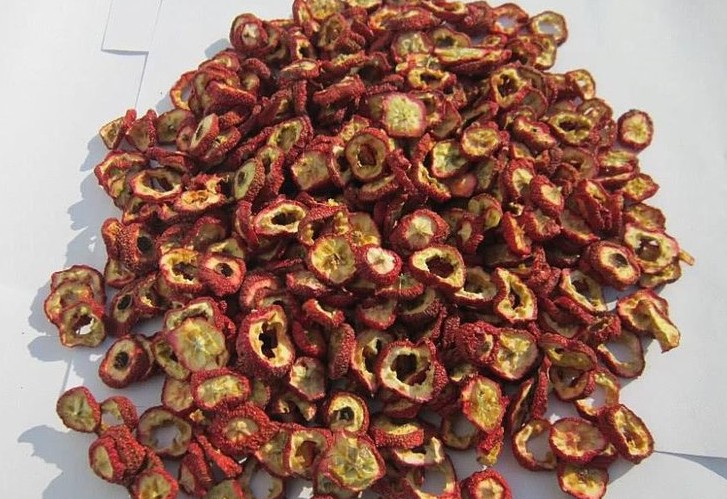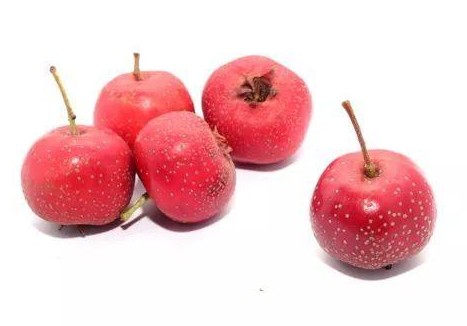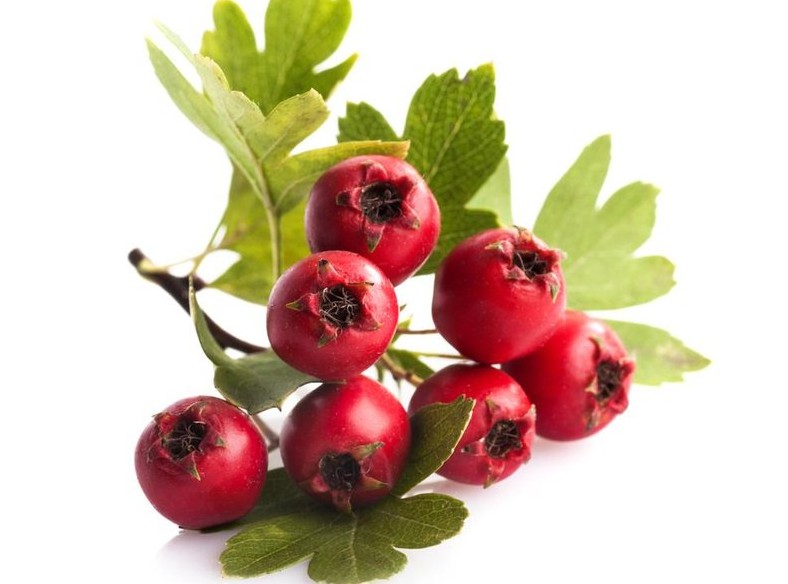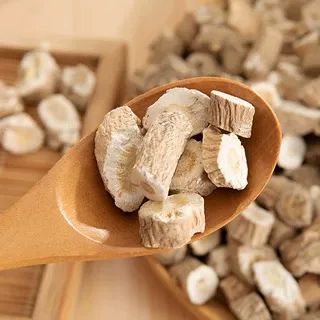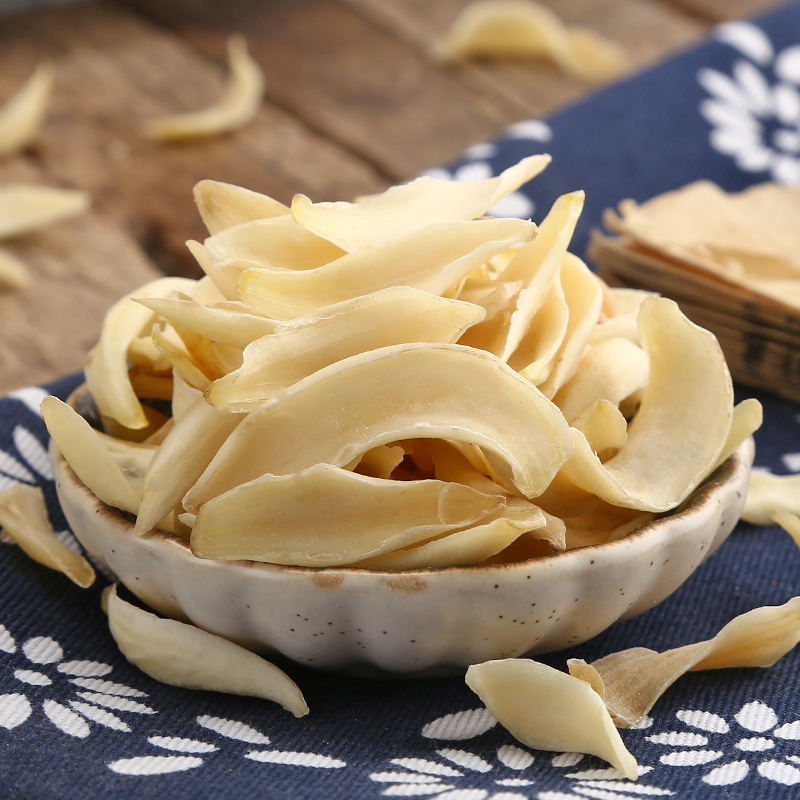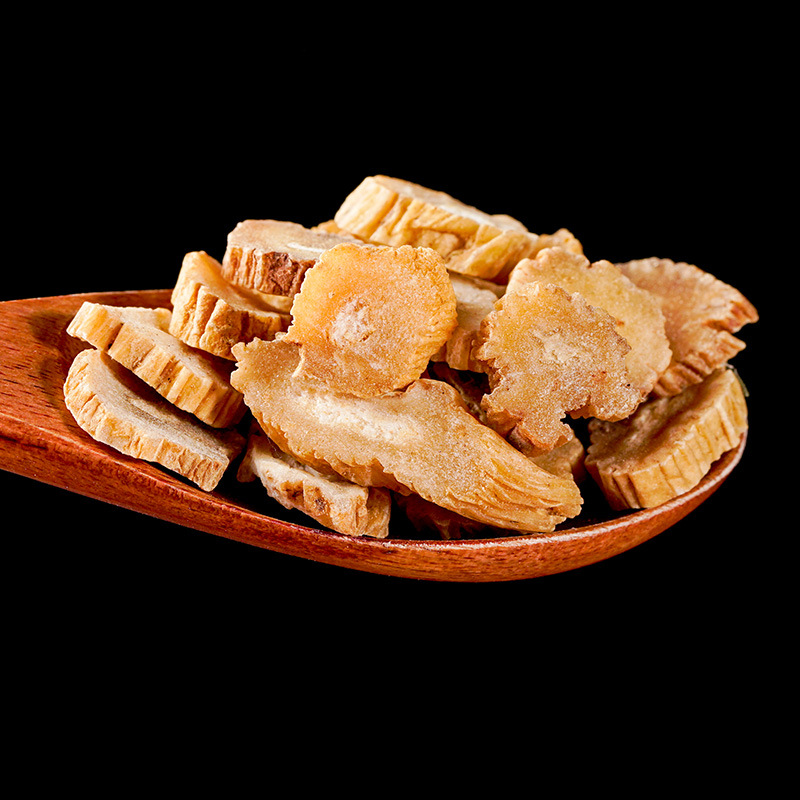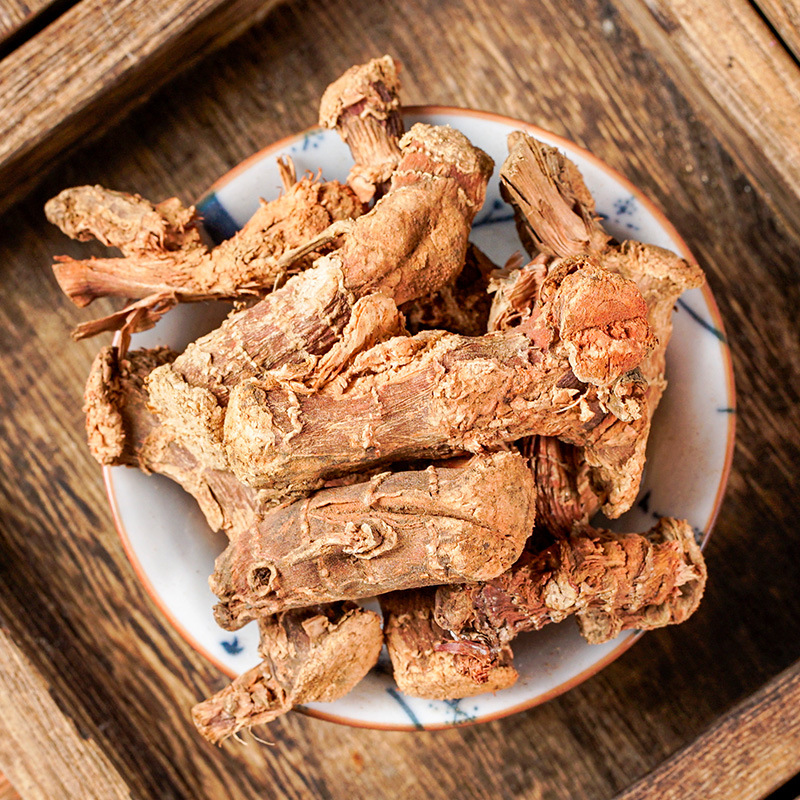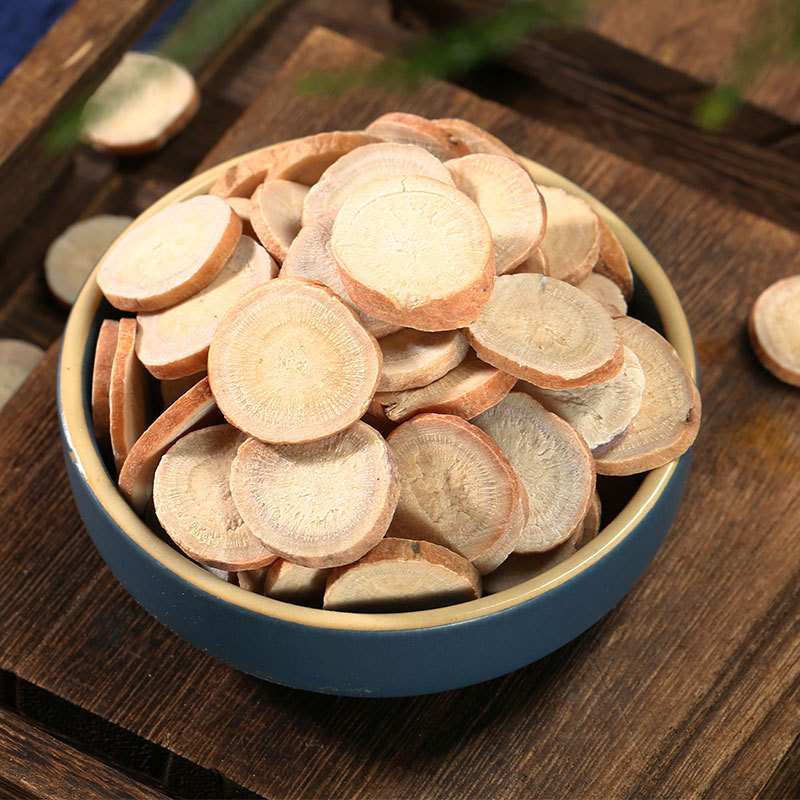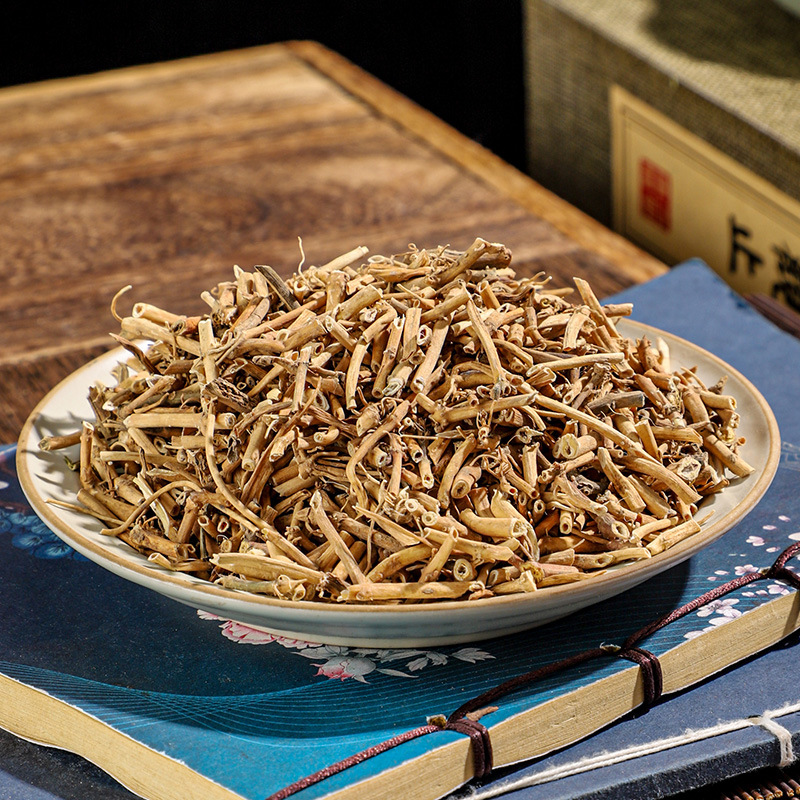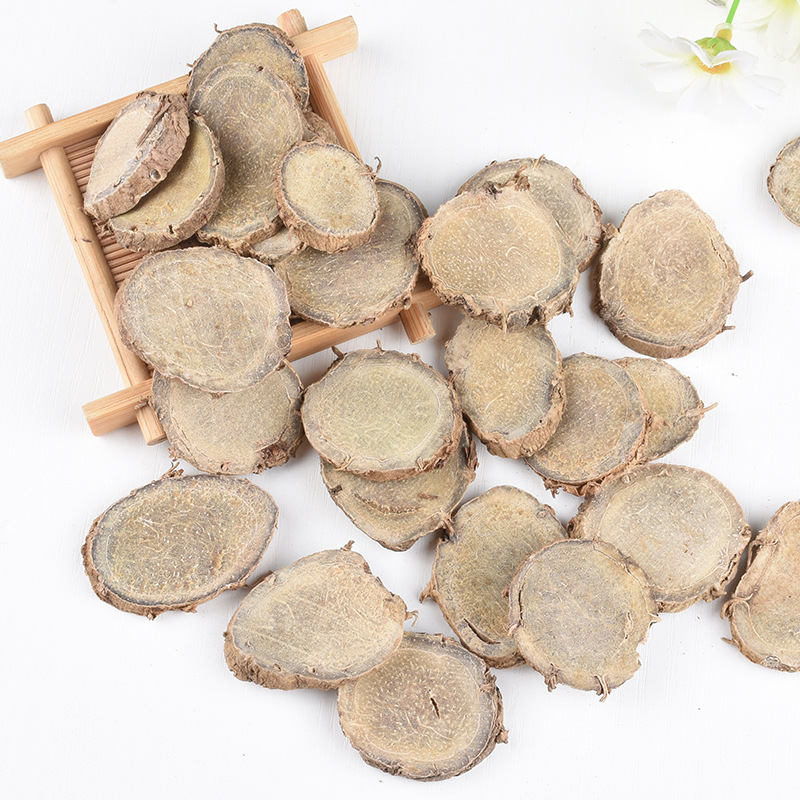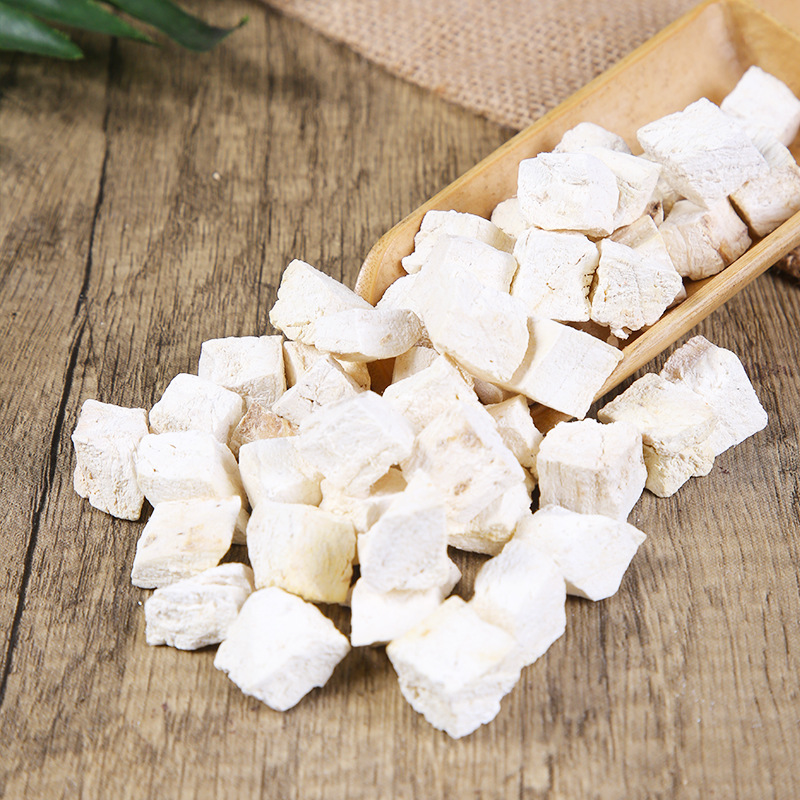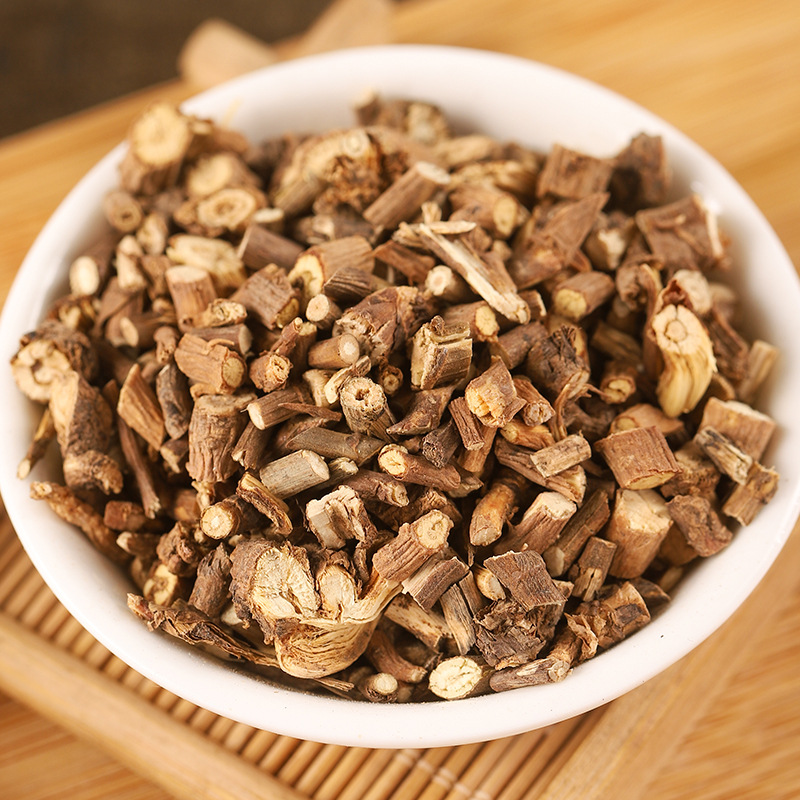
Hawthorn is the fruit of the wild hawthorn (also known as mountain hawthorn) or hawthorn, belonging to the Rosaceae family. It is produced throughout the country, with better quality from the northern regions. It is often used raw or stir-fried.
I. Efficacy and Application
Hawthorn tastes sour and sweet, slightly warm. It belongs to the spleen, stomach, and liver meridians.
Efficacy can promote digestion and remove food stagnation, activate blood circulation and dissipate blood stasis. Its characteristic is good at eliminating meat stagnation, known as the essential medicine for eliminating greasy meat stagnation. Huang Yuanyu said, "Hawthorn eliminates and grinds, all old meat and stagnant food, blood masses and qi lumps are removed."
Commonly used for the treatment of food stagnation, gastric distension, diarrhea and abdominal pain, blood stasis amenorrhea, postpartum blood stasis, heart and abdominal stabbing pain, hernia pain and other syndromes.
Modern pharmacological research confirms that hawthorn can dilate coronary arteries, increase coronary blood flow, and also lower blood lipids and blood pressure, with a cardiotonic effect.
Hawthorn is also a type of food, whether used as a seasoning in cooking, processed into various foods, or consumed as a fruit, it is commonly eaten by people, truly a fine example of the concept of medicine and food sharing the same origin.
Abstracts of Famous Works by Renowned Authors:
Compendium of Materia Medica: "It aids digestion, dissolves meat accumulations, treats abdominal masses, phlegm retention, epigastric fullness with acid regurgitation, and relieves pain and distension caused by stagnant blood."
"Suixiju Diet Manual": "Awakens the spleen qi, aids in the digestion of meat, breaks up stagnant blood, disperses accumulations and relieves distension, counteracts the effects of alcohol and resolves phlegm, eliminates malnutrition accumulation, and stops diarrhea and dysentery."
Ben Cao Yan Yi Bu Yi: Strengthens the stomach, promotes the flow of stagnant qi, treats postpartum abdominal pain and incomplete lochia in women. Boil the decoction and add sugar for immediate effect.
Newly Revised Materia Medica: "The juice is taken to treat watery dysentery, and used to wash the head and cleanse sores and itching on the body."
Jade Carving Medical Explanation: "Disperse accumulation and break up stagnation, promote blood circulation and open stasis."
Ben Cao Bei Yao: Strengthen the spleen and promote qi, disperse stasis and resolve phlegm, aid digestion and eliminate accumulation.
"Medical Records of Integrating Chinese and Western Medicine": "It is adept at entering the blood aspect and serves as a crucial herb for resolving blood stasis. It can eliminate abdominal masses and accumulations, amenorrhea in women, and postpartum blood stasis causing pain (commonly known as 'child's pillow pain'). It can also digest food accumulations, being particularly effective in treating meat stagnation."
II. Compatibility and Application
1. For food stagnation and indigestion, meat accumulation and indigestion, abdominal distension and fullness, abdominal pain and diarrhea, etc. Hawthorn can strengthen the spleen, promote digestion, and resolve accumulation, making it an essential medicine. For meat indigestion, it can be used alone by decoction.
If used to treat food stagnation and indigestion, it is often combined with Shenqu and Maiya to enhance the power of promoting digestion and resolving accumulation. Hawthorn, Shenqu, and Maiya all have the function of promoting digestion and resolving accumulation, and are often used in combination, known as Sanxian. If all three are stir-fried before use, they are called Chao Sanxian or Jiao Sanxian. If stir-fried Binglang is added, it is called Chao Sixian.
If treating food stagnation with indigestion, accompanied by abdominal distension and pain, it is often combined with qi-moving and stagnation-relieving herbs such as Aucklandia root and bitter orange.
If treating abdominal pain and diarrhea caused by food stagnation, you can use charred hawthorn fruit ground into powder, taken with boiled water, which also has the effect of promoting digestion and stopping diarrhea.
2. For blood stasis pain, or postpartum blood stasis abdominal pain, lochia not clean, etc. Hawthorn can enter the blood aspect, has the effect of promoting blood circulation, dispersing blood stasis and reducing swelling. For treating traumatic low back and leg pain, it is often combined with safflower, peach kernel, ground beetle, myrrh and other blood-activating and stasis-removing medicines.
If treating women with blood stasis and abdominal pain, it is often combined with blood-nourishing and blood-activating herbs such as Angelica sinensis, Ligusticum chuanxiong, and Leonurus japonicus.
Zhang Xichun said, "When a woman's menstrual period arrives but her menses do not come, use two qian of hawthorn to decoct a soup, then dissolve seven to eight qian of red cane sugar in it and take it. This method has been tried repeatedly and proven effective. If the menses have not come for several months, taking it several times will also help to restore the flow."
3. For insufficient blood supply to the heart and brain, hypertension, fatty liver, and other conditions. Hawthorn can lower lipids and unblock blood vessels, improving blood supply to the heart and brain, making it particularly suitable for the elderly or individuals with high blood pressure, high blood sugar, and high cholesterol. To treat insufficient blood supply to the heart and brain, it is often combined with ginseng, salvia miltiorrhiza, kudzu root, and notoginseng. It can be decocted for oral administration or ground into powder and taken with water.
If treating three highs and obesity, it is often combined with astragalus, atractylodes, pinellia, etc., which has the effect of lowering lipids and reducing weight.
If you want to lower lipids and lose weight, you can also refer to the Lipid-Lowering and Weight-Loss Soup created by Zhu Liangchun. The formula composition is as follows:
Processed Atractylodes Rhizome 10-15g, Astragalus Root 15-30g, Alisma Rhizome 15g, Epimedium Herb 10-15g, Coix Seed 15-30g, Winter Melon Peel 15-30g, Winter Melon Seed 15g, Dried Lotus Leaf 10-20g, Cassia Seed 15-30g, Salvia Root 15-30g, Pinellia Tuber 10-15g, Raw Hawthorn Fruit 20g, Bitter Orange 10g. The above formula can be decocted into a medicinal soup for oral administration, or it can be made into pills for consumption.
III. Usage and Dosage
Hawthorn is often used in decoctions and also made into pills or powders. The usual dosage in decoctions is over ten grams; if used for promoting blood circulation, removing blood stasis, lowering lipids, and unblocking blood vessels, the dosage can also be increased to several tens of grams or more.
Hawthorn is more effective in promoting digestion and removing food stagnation, activating blood circulation and resolving blood stasis when used raw; while it is more effective in strengthening the spleen and stopping diarrhea when stir-fried.
Hawthorn seeds can also be used to treat conditions such as hernia with swelling and pain, often combined with fennel and tangerine seeds.
IV. Application Precautions
Hawthorn can promote digestion and remove food retention, activate blood and dissipate stasis, so it should be avoided by those with weak spleen and stomach, on an empty stomach, with hypoglycemia, and pregnant women. Due to its sour taste, it is also not suitable for those with excessive stomach acid or poor teeth.
Wang Ang said, "Excessive consumption can cause restlessness and easy hunger, and conversely, it can impair the spleen and stomach's qi of generation and growth. For those who are not suitable for taking ginseng, consuming hawthorn can resolve the issue. One tonifies qi, while the other breaks qi."
Practical Notes on Traditional Chinese Medicine: 21.2.4 Second Draft