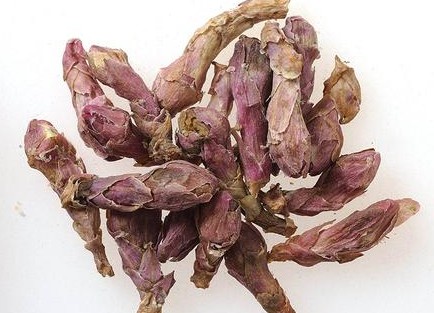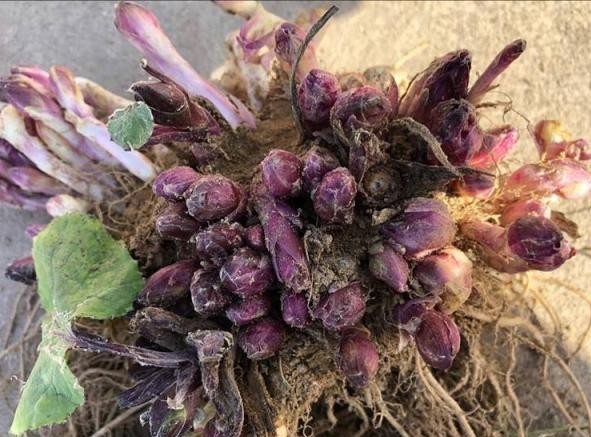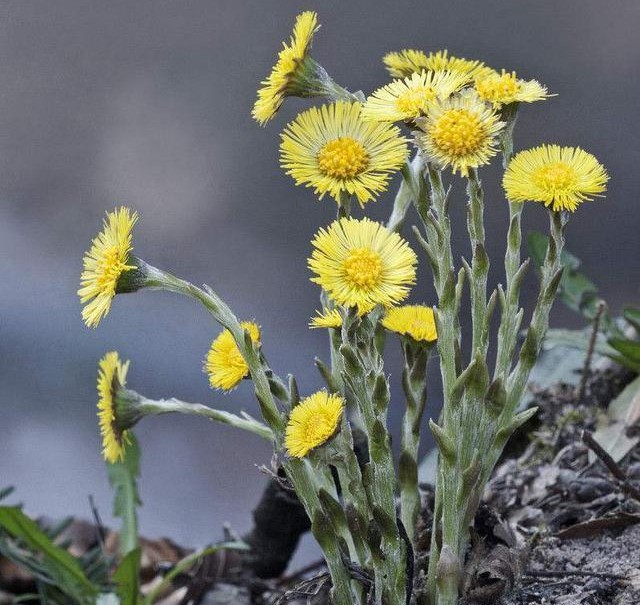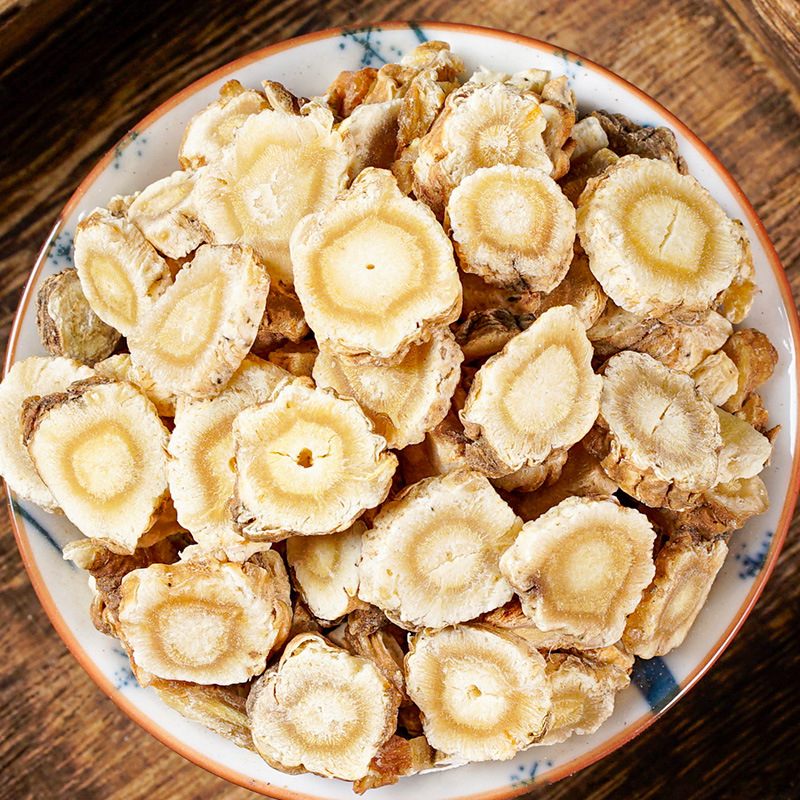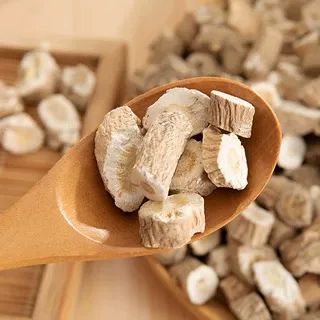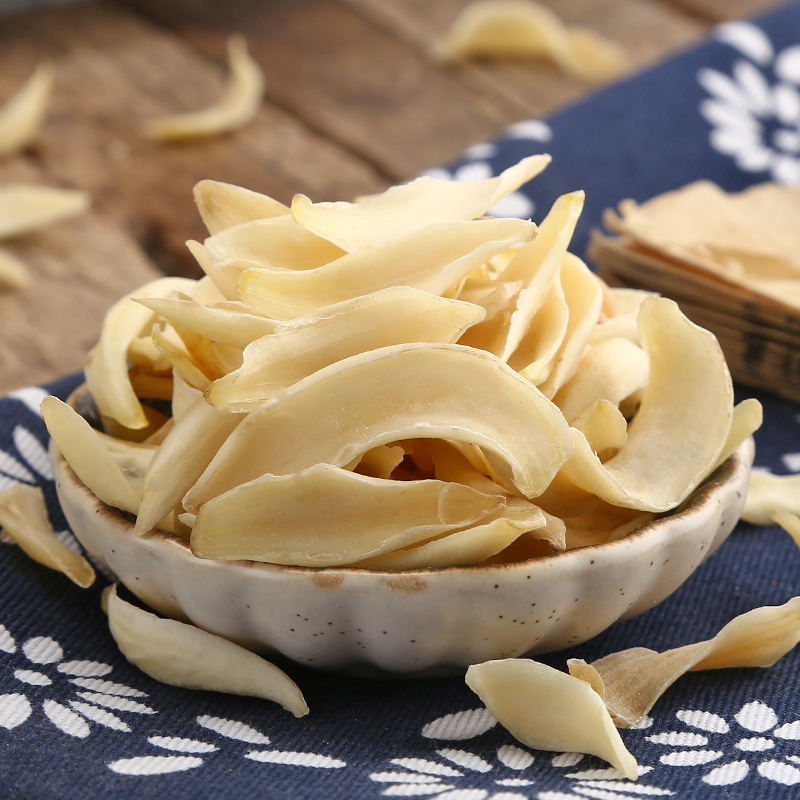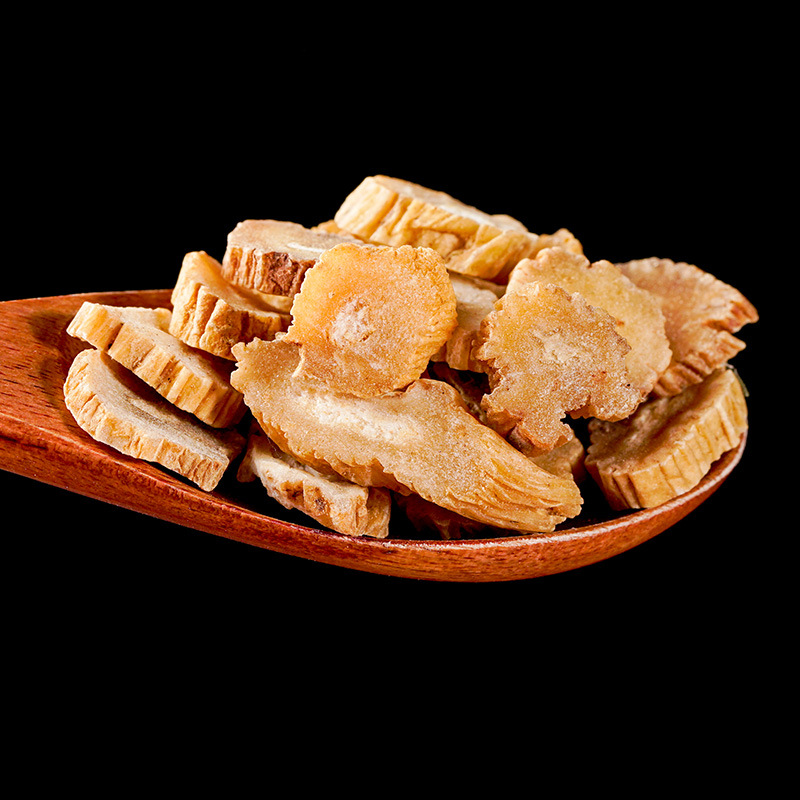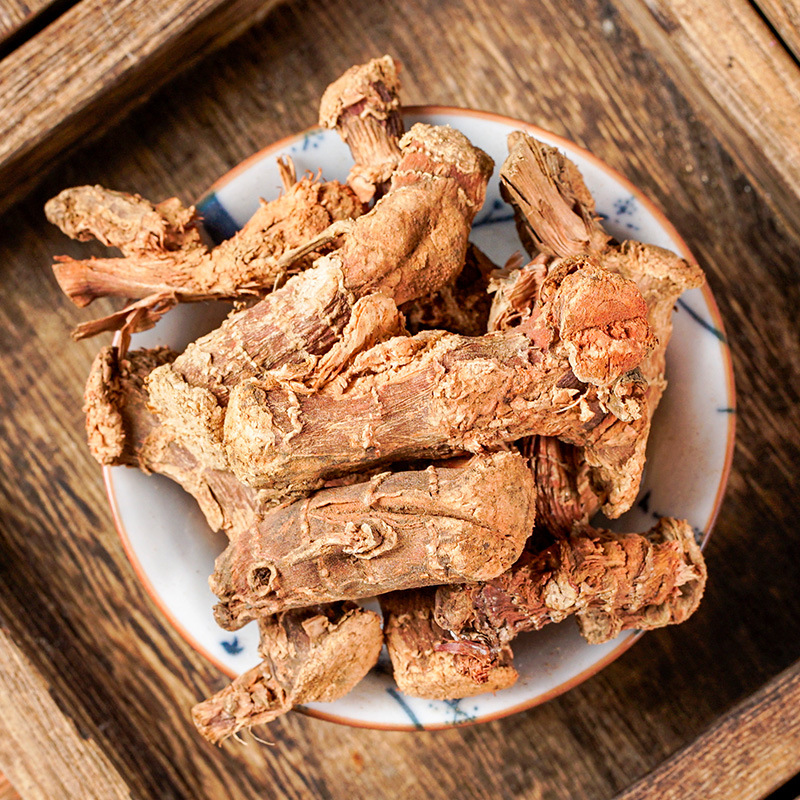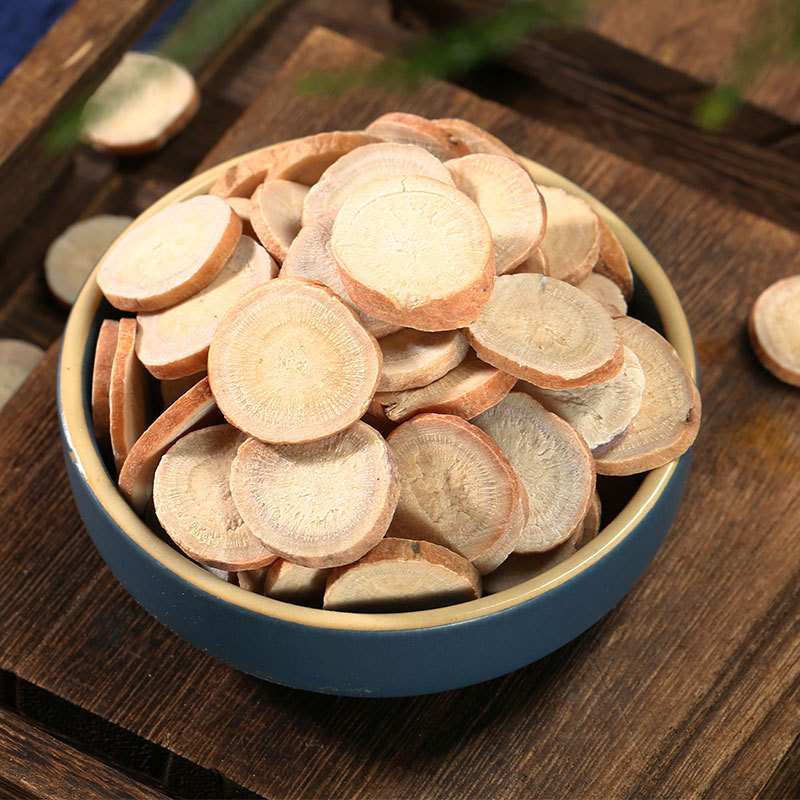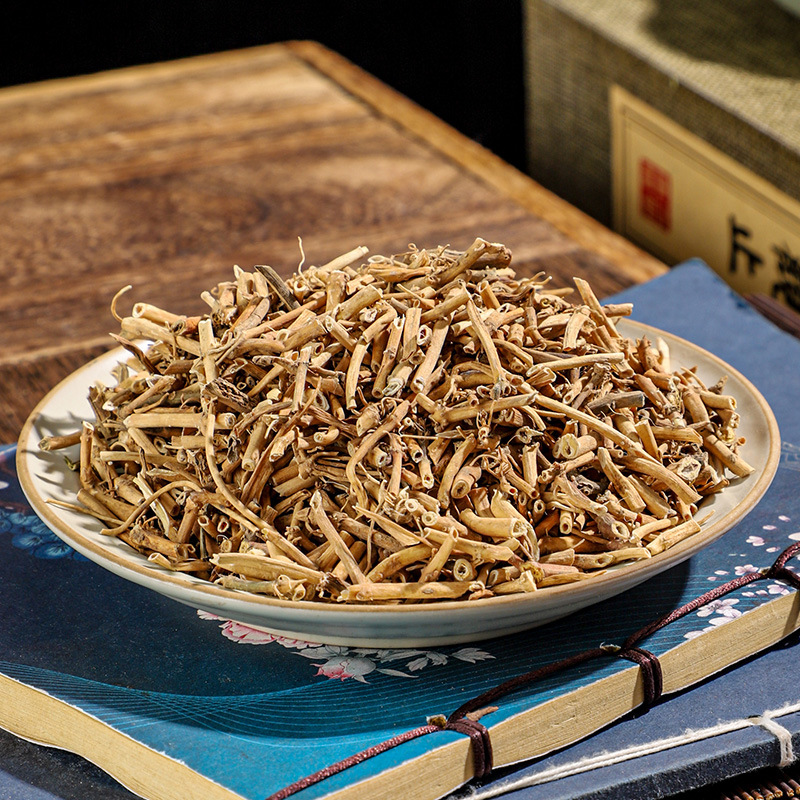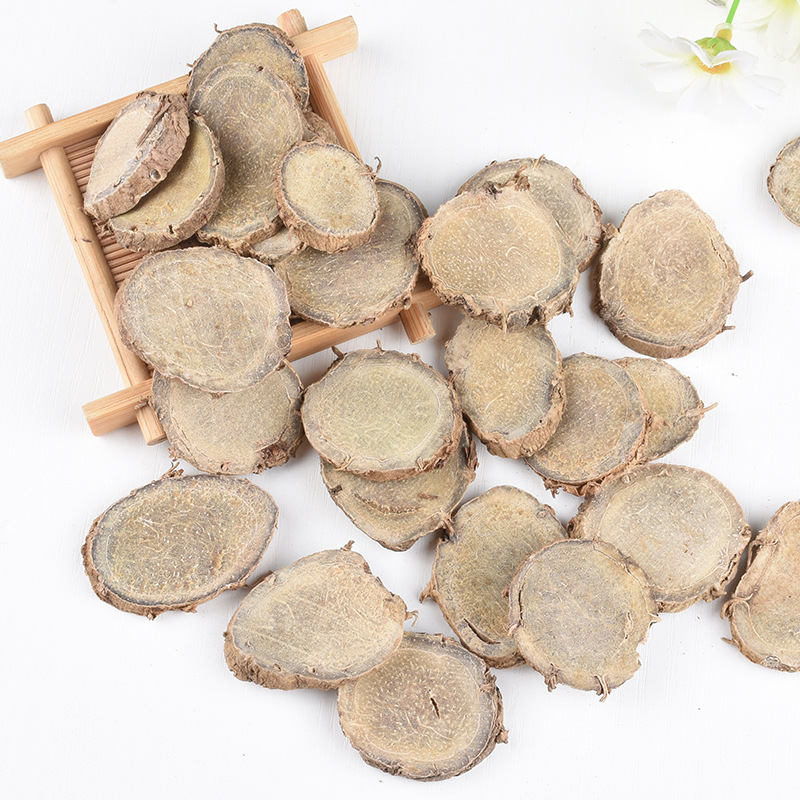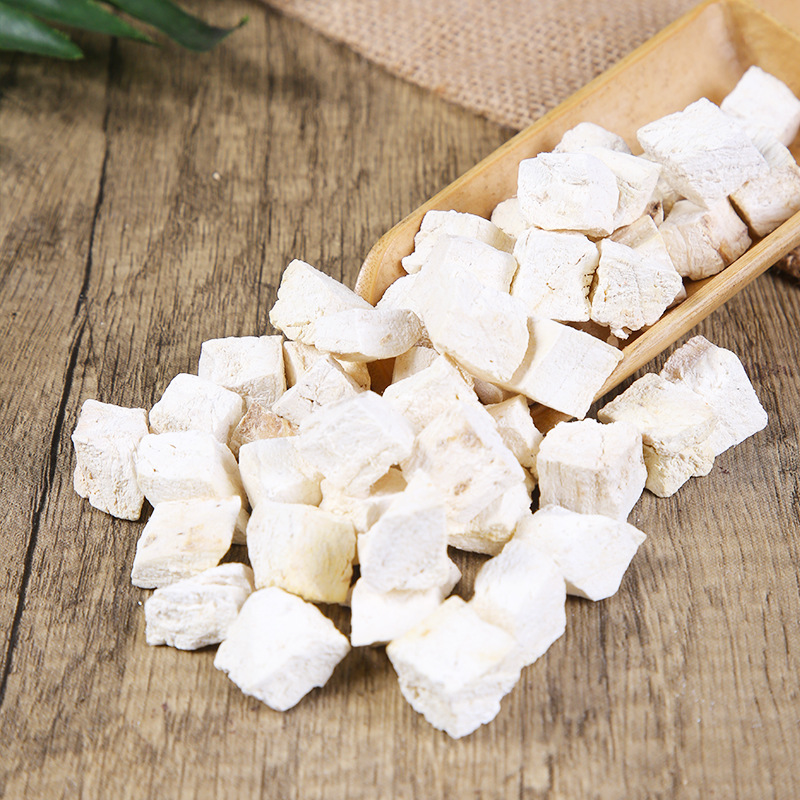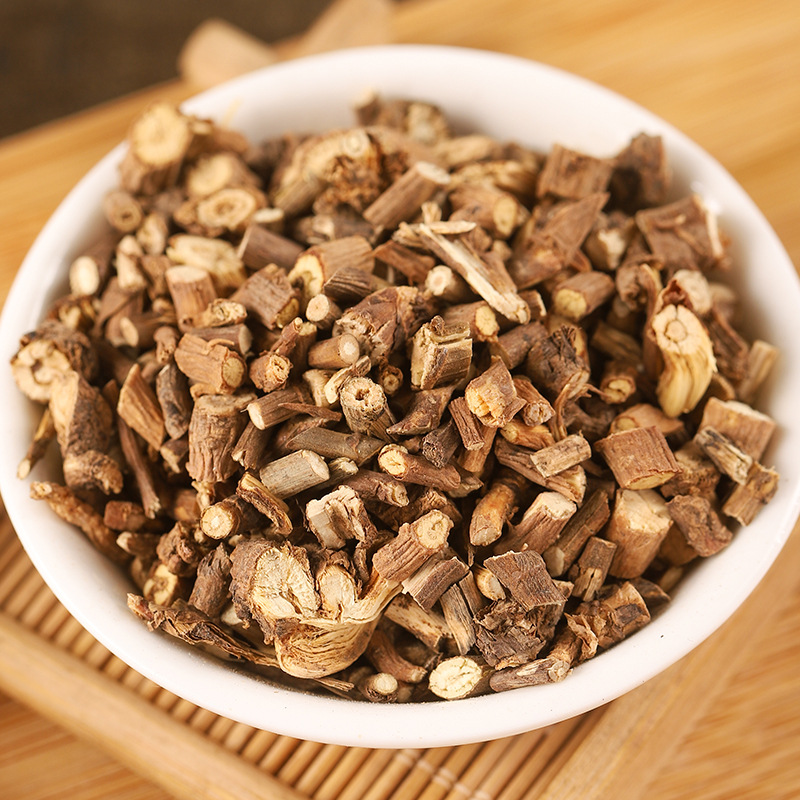
Tussilago farfara is the flower bud of the plant Tussilago farfara from the Asteraceae family. It is called winter flower because it blooms in winter. It is mainly produced in Henan, Gansu, Shanxi, Sichuan, and other regions. The buds are harvested before the ground freezes, when the flowers have not yet emerged from the soil. It is often used raw or honey-fried.
I. Efficacy and Application
Tussilago farfara tastes pungent and has a warm nature. It belongs to the lung meridian.
Efficacy It can moisten the lungs, direct qi downward, relieve cough, and resolve phlegm. It is praised as an essential medicine for stopping cough; Wang Ang stated that it can be applied in cases of cold, heat, deficiency, or excess.
Commonly used in the treatment of new and chronic coughs, wheezing with excessive phlegm, and cough with blood due to overexertion.
Summary of Famous Works by Renowned Authors
The Classic of Materia Medica: "It primarily treats cough and counterflow qi ascent, frequent panting, throat impediment, various fright epilepsy, cold and heat evil qi."
Ben Jing Feng Yuan: "Moistens the lungs and dissolves phlegm, stops coughing and stabilizes wheezing, suitable for both lung atrophy and lung abscess."
Ben Cao Bei Yao: "Drains heat and moistens the lungs, dispels phlegm and eliminates irritability, calms fright and brightens the eyes. Treats cough with counterflow qi ascent, panting and thirst. Throat impediment, lung wilting and lung abscess, cough with expectoration of pus and blood."
Changsha Materia Medica: "It eliminates lung abscess and purulent blood, removes sticky phlegm and nasal discharge, relieves throat obstruction and wheezing, and moistens chest and diaphragm irritability, all of which are its abilities to remove turbidity and restore clarity."
II. Compatibility and Application
Tussilago farfara is a key medicinal herb for treating cough, often used in combination with Aster tataricus to enhance its efficacy in relieving asthma and cough. Due to its warm nature, it is more suitable for cold-type coughs. For treating phlegm cough with blood or various types of coughs, it is commonly combined with Lilium brownii to form pills, known as Baihua Gao.
For treating explosive cough, it is often combined with apricot kernel, fritillary bulb, and anemarrhena rhizome, known as the Tussilago Farfara Decoction.
For treating cough due to lung deficiency, it is often combined with ginseng, licorice, etc., known as Tussilago Farfara Paste.
If treating lung abscess with turbid sputum that is fishy and foul, and prolonged vomiting of pus resembling rice porridge, it is often combined with large doses of licorice, platycodon root, and coix seed to detoxify and eliminate abscesses.
"Ben Jing Shu Zheng": "In 'Qian Jin' and 'Wai Tai', among the ten prescriptions for treating cough and chronic cough, nine use Zi Wan and Kuan Dong Hua. However, their differences are also evident. Generally, for cases involving expectoration of pus and blood, loss of voice, or severe wind-cold and water qi, Kuan Dong is rarely used, while Zi Wan is commonly employed. Kuan Dong, on the other hand, is often combined with warming and tonifying agents."
III. Usage and Dosage
The usage of Tussilago farfara is similar to that of Aster tataricus, which can be used as a reference. The common dosage for decoction is several grams to more than ten grams.
Tussilago farfara can be used either in its raw form or honey-fried. Generally, the raw form is used for new coughs and excess syndromes, while the honey-fried form is used for chronic coughs and deficiency syndromes.
IV. Application Precautions
Tussilago farfara is pungent and warm in nature, so it should be used with caution in cases of yin deficiency and excessive lung fire.