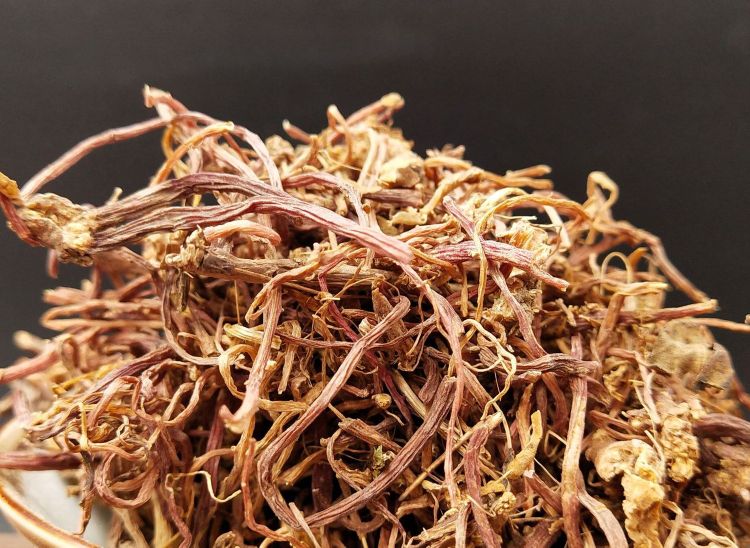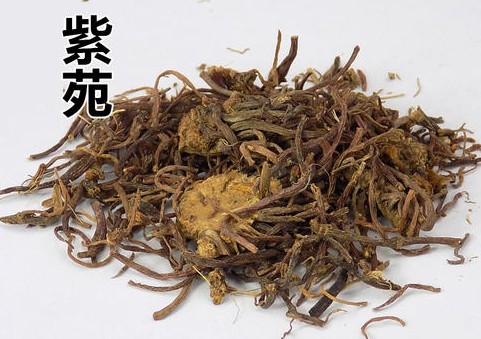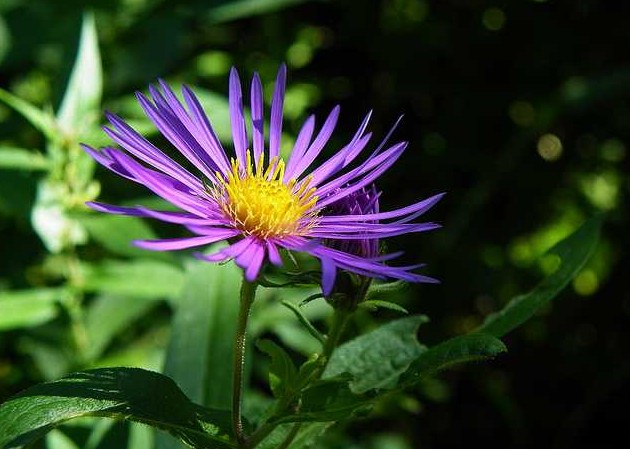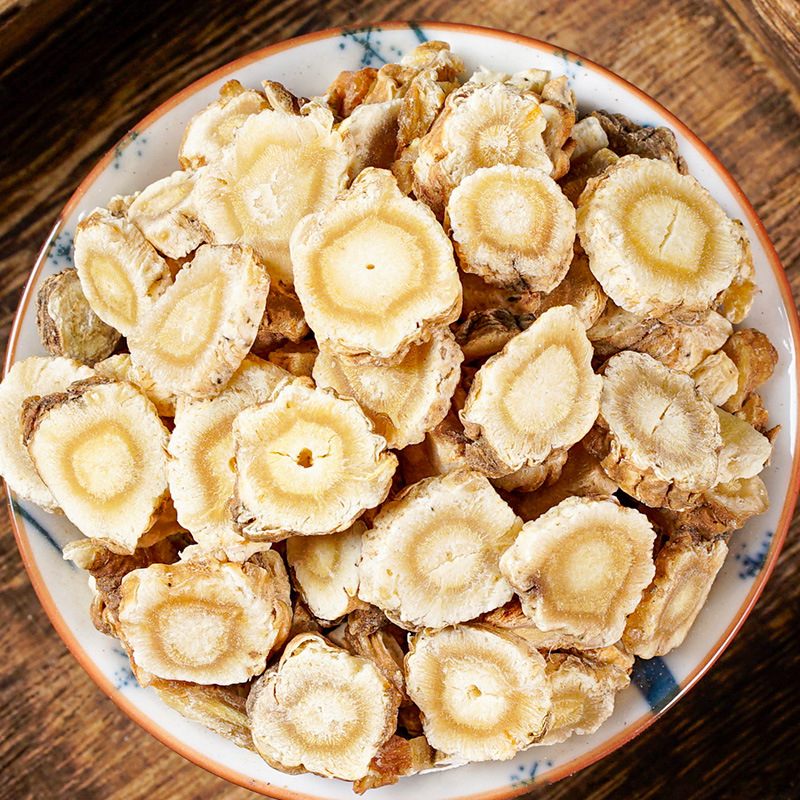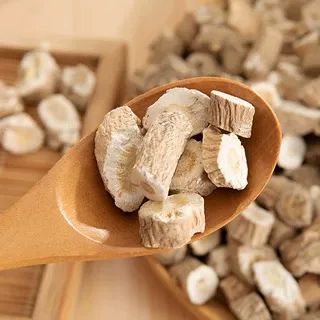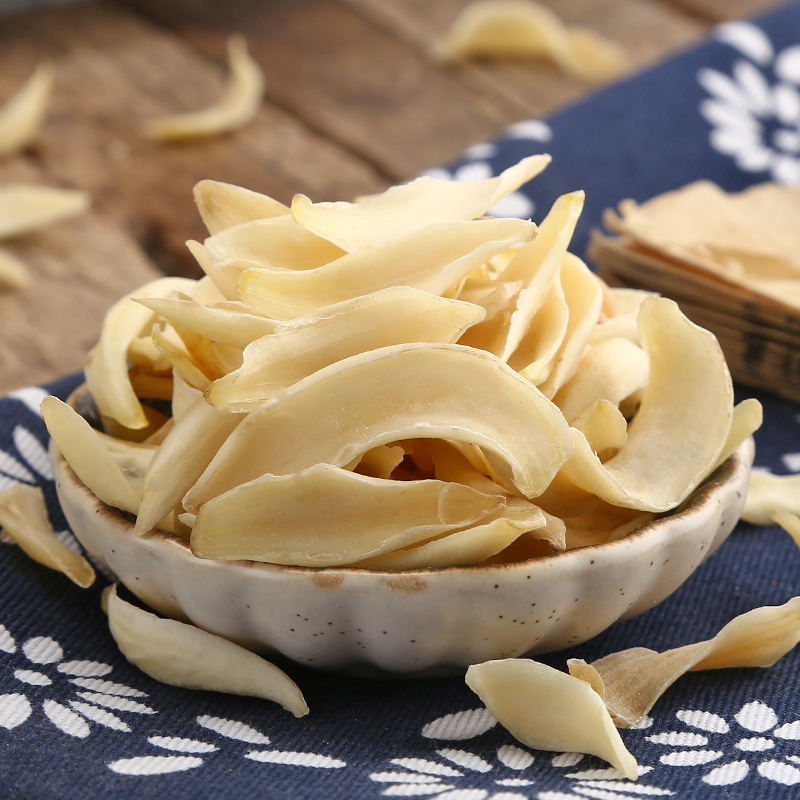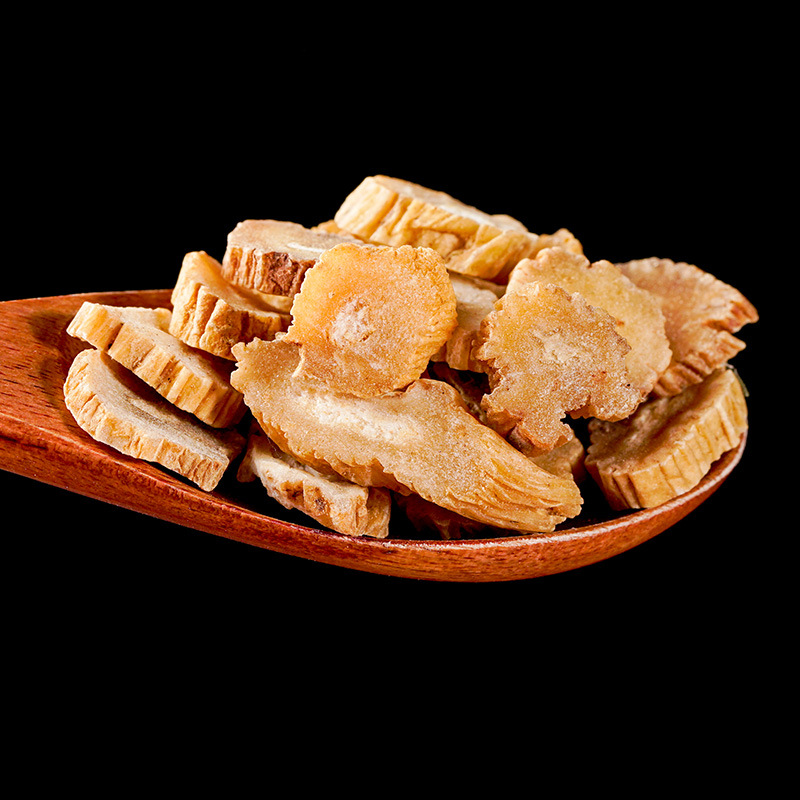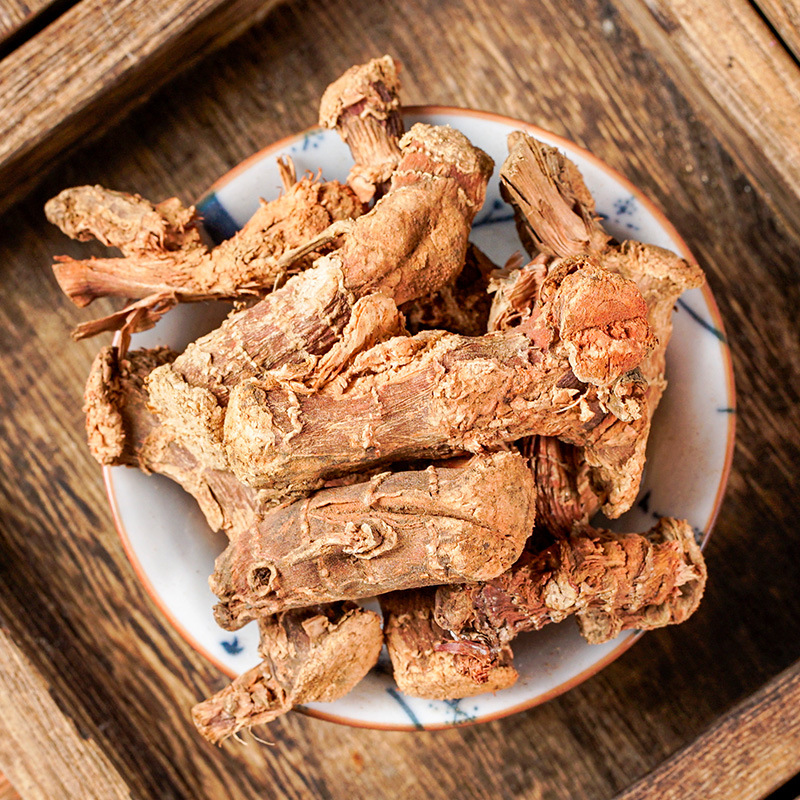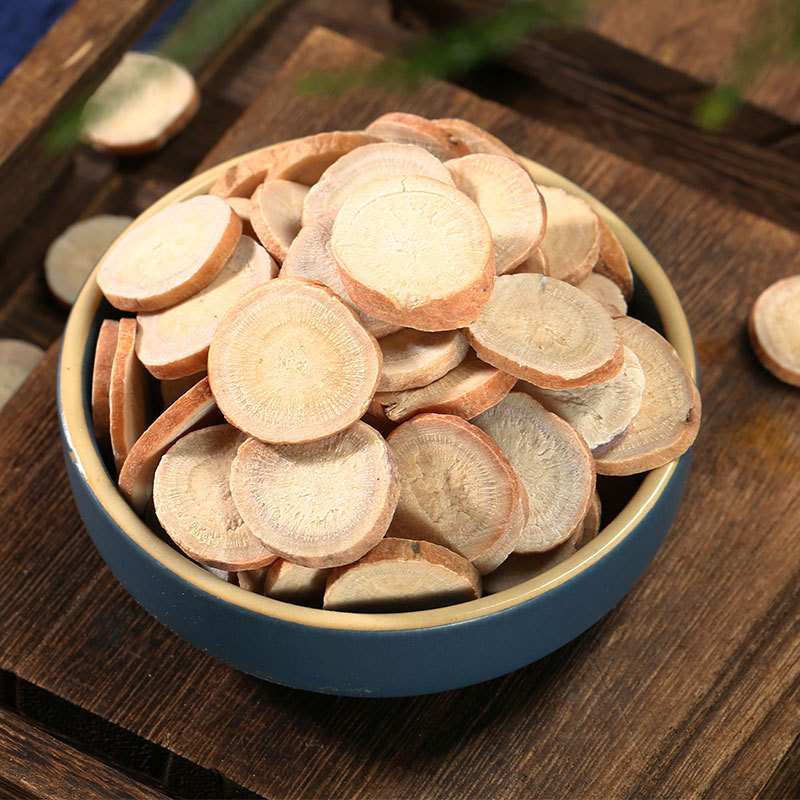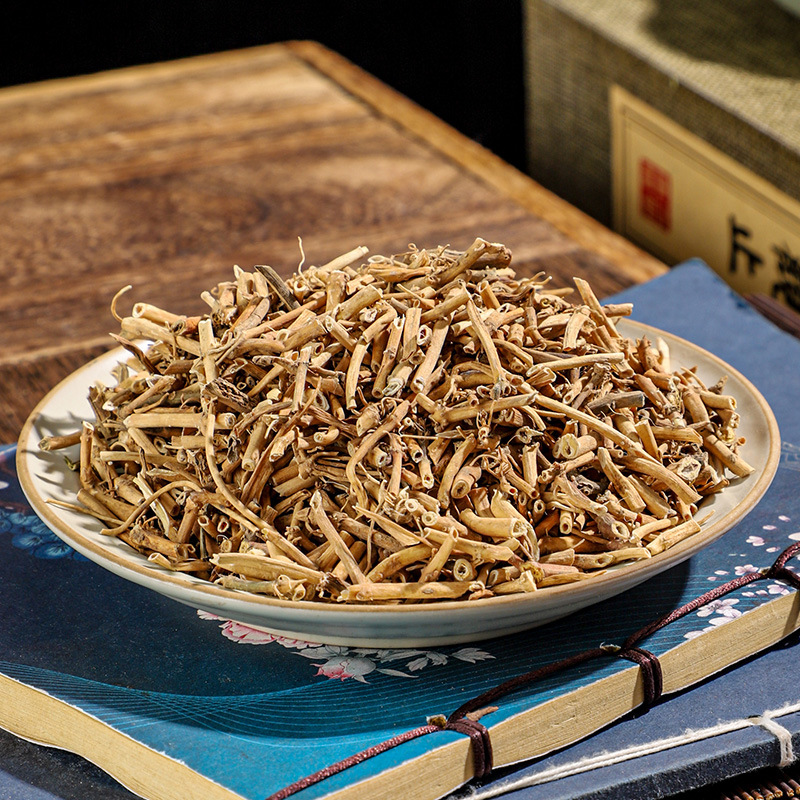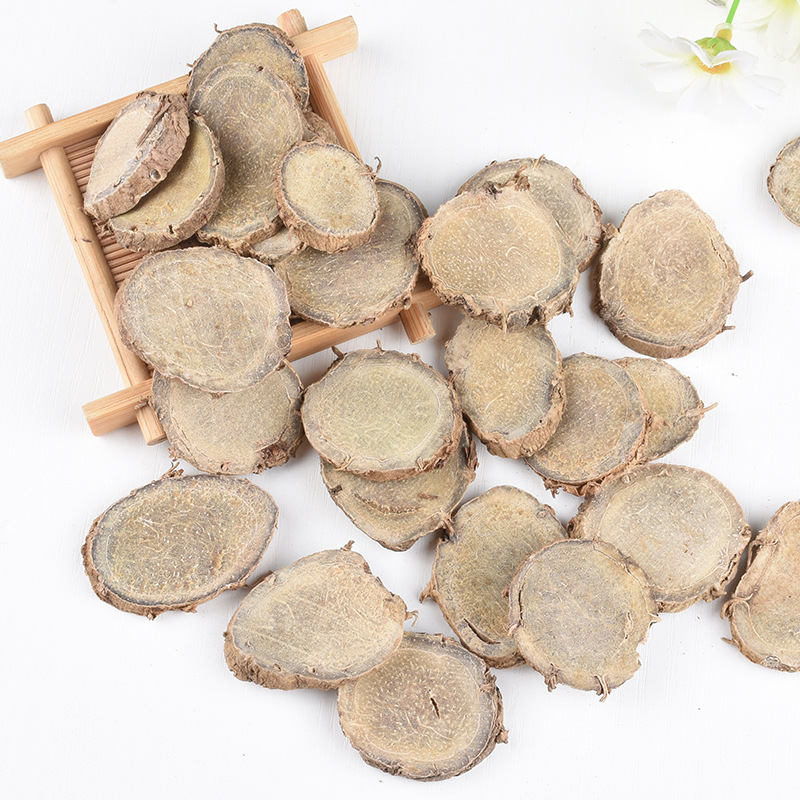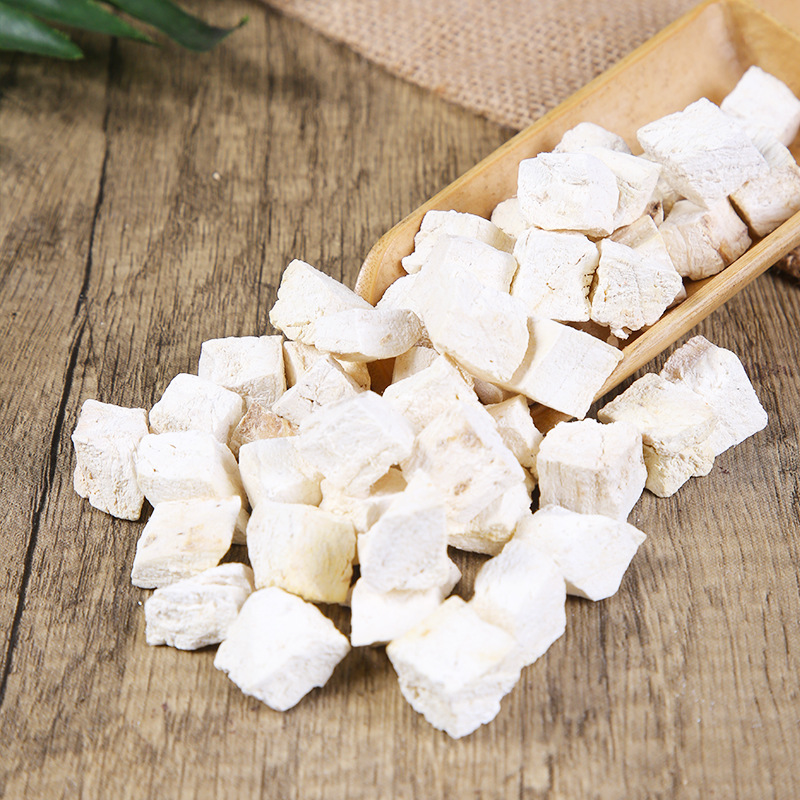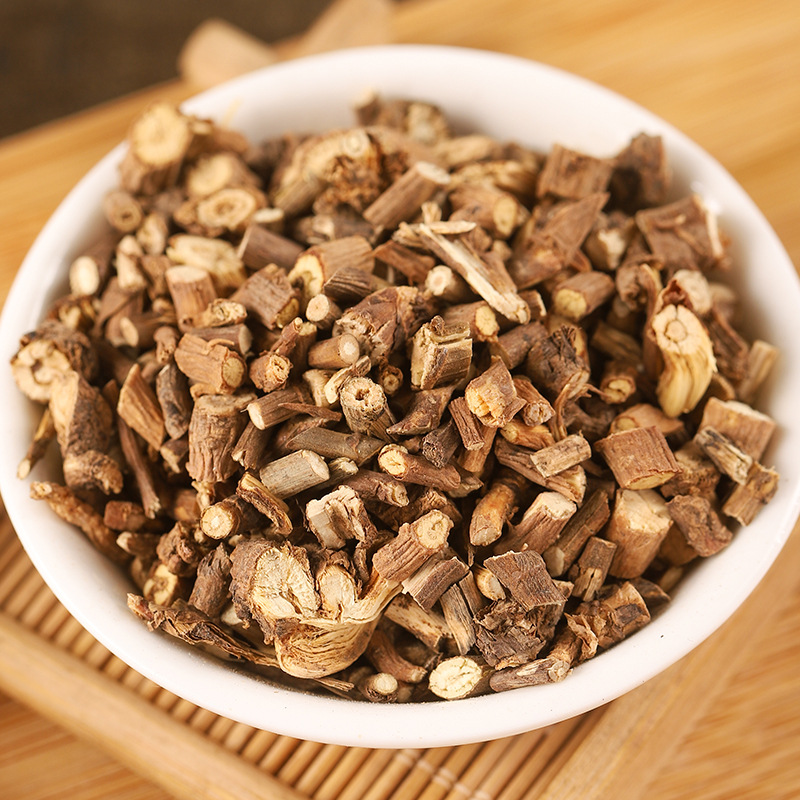
Aster can also be called Zi Yuan, which is the root and rhizome of the Aster plant in the Asteraceae family. The roots are fibrous, purple in color, and relatively soft, hence the name Zi Yuan. Its fibrous roots can be braided into a plait, so it is also known as "female braid" or "small braid." It is often used raw or honey-fried.
I. Efficacy and Application
Aster tastes bitter and sweet, slightly warm. It belongs to the lung meridian.
Efficacy can resolve phlegm and relieve cough. Wang Ang said it specifically treats bloody phlegm and is a sacred medicine for blood consumption.
Commonly used for wind-cold cough and asthma, consumptive cough with expectoration of pus and blood, throat impediment, and other conditions.
In addition, Aster can moisten and thus unblock, be pungent and thus promote movement, and be bitter to purge fire, so it also has the effect of promoting urination and defecation. It can be used for difficulty in urination and defecation caused by the failure of lung qi to disperse and the dysfunction of ascending and descending, especially for difficulty in urination.
Summary of Masterpieces by Renowned Authors:
The Classic of Materia Medica: "It primarily treats cough and counterflow qi ascent, cold and heat binding qi in the chest, eliminates gu toxins, treats wilting and limpness, and quiets the five viscera."
Bie Lu: "Treats cough with purulent sputum and blood, stops wheezing and palpitations, addresses the five types of fatigue and physical weakness, replenishes deficiencies, and treats infantile convulsions and epilepsy."
Ben Cao Feng Yuan: "Zi Wan is a medicine for the lung metal and blood aspects. It specifically unblocks lung qi, allowing heat to be expelled through urination and bowel movements."
Ben Cao Bei Yao: "Tonify deficiency and regulate the middle, eliminate phlegm and quench thirst. Treat cold and heat binding qi, cough and counterflow qi ascent, cough with expectoration of pus and blood. Lung channel deficiency heat, infantile fright epilepsy."
II. Compatibility and Application
1. For lung qi congestion, cough with excessive phlegm, chronic cough due to lung deficiency, and hemoptysis from consumptive cough, among other conditions. Aster is warm, moist, bitter, and dispersing, with good effects in resolving phlegm and relieving cough. It is often used in combination with coltsfoot flower. For example, to treat cough with upward qi and a frog-like sound in the throat, it is often combined with belamcanda, ephedra, asarum, schisandra, and coltsfoot flower, as in the Shegan Mahuang Decoction.
Aster and Coltsfoot Flower are used in combination, with Aster excelling in entering the blood aspect, dispersing lung qi and resolving phlegm to treat chronic heat cough and consumptive cough; Coltsfoot Flower, on the other hand, tends to enter the qi aspect, warming the lungs and resolving phlegm to treat chronic cold cough and wheezing. The combination of these two herbs moistens the lungs and stops coughing, often used with honey-frying.
If treating external contraction of wind cold with profuse phlegm and cough, it is often combined with Schizonepeta, Willowleaf Swallowwort Rhizome, Tangerine Peel, and other herbs.
If treating prolonged cough and hemoptysis due to lung deficiency, it is often combined with anemarrhena rhizome, fritillariae cirrhosae bulbus, and donkey-hide gelatin, known as aster decoction.
"Synopsis of the Golden Chamber": "For cough with upward qi flow and a frog-like sound in the throat, Shegan Mahuang Decoction is indicated."
"Ben Jing Shu Zheng": "In 'Qian Jin' and 'Wai Tai', among the ten prescriptions for treating cough and chronic cough, nine use Aster and Coltsfoot. However, their differences are also evident. Generally, for cases involving expectoration of pus and blood, loss of voice, or severe wind-cold and water qi, Coltsfoot is not commonly used, but Aster is preferred; Coltsfoot is often used in combination with warming and tonifying formulas."
Yumoto Kyushin: "Both herbs are warm-natured cough suppressants and expectorants, and Aster also has a blood-harmonizing effect."
"Li Xu Yuan Jian" Intestinal Wind and Bloody Stools Chapter: "To promote blood circulation and remove stasis, aster is the primary herb, which also has the wonderful effect of regulating blood and returning it to its channels."
2. For difficulty in urination and defecation. Aster has the function of promoting urination and defecation, and various medical theories can be used for reference.
Ben Cao Tong Xuan: "Zi Wan, pungent but not drying, moistening but not cold, tonifying but not stagnant. However, it cannot achieve quick effects unless used alone or in large doses; for urinary retention and hematuria, taking one liang yields immediate results."
Qianjin Yaofang: "For treating women's sudden inability to urinate, use aster root powder, take three finger-pinches with well water."
Taiping Holy Prescriptions for Universal Relief: "Use Aster with Coptis and Licorice to treat pediatric hematuria and painful, difficult urination."
Anhui Chinese Herbal Medicine: For habitual constipation, take 9 grams each of aster root, bitter apricot kernel, Chinese angelica, and cistanche, decoct and take. For difficulty in urination, take 12 grams each of aster root and plantain seeds (wrapped), decoct and take.
III. Usage and Dosage
Aster is often used in decoctions and rarely in pills or powders. The usual dosage in decoctions is over ten grams. If its diuretic properties are desired, the dosage can be slightly increased.
Wang Ang said: "The root with nodes, purple color, moist and soft texture is of good quality. Tussilago farfara is used as a guiding herb."
IV. Application Notes
Aster is warm in nature, so it should be taken with caution by those with excess heat.