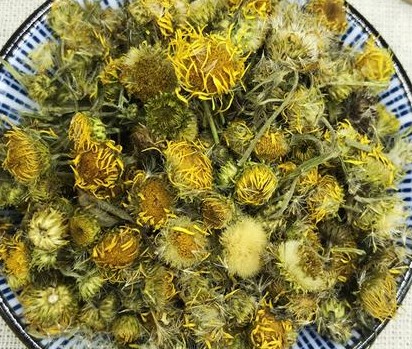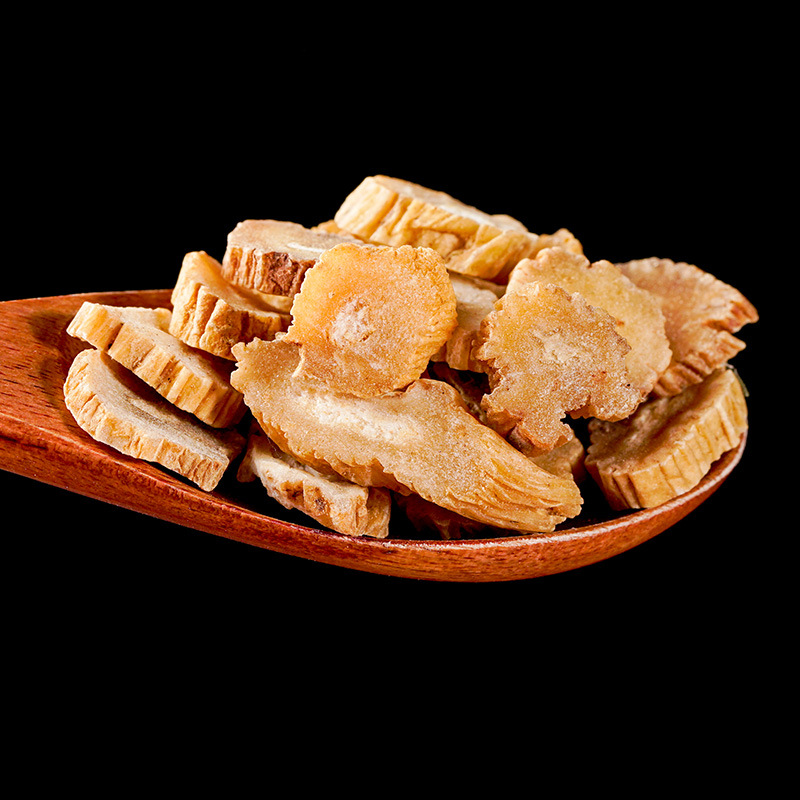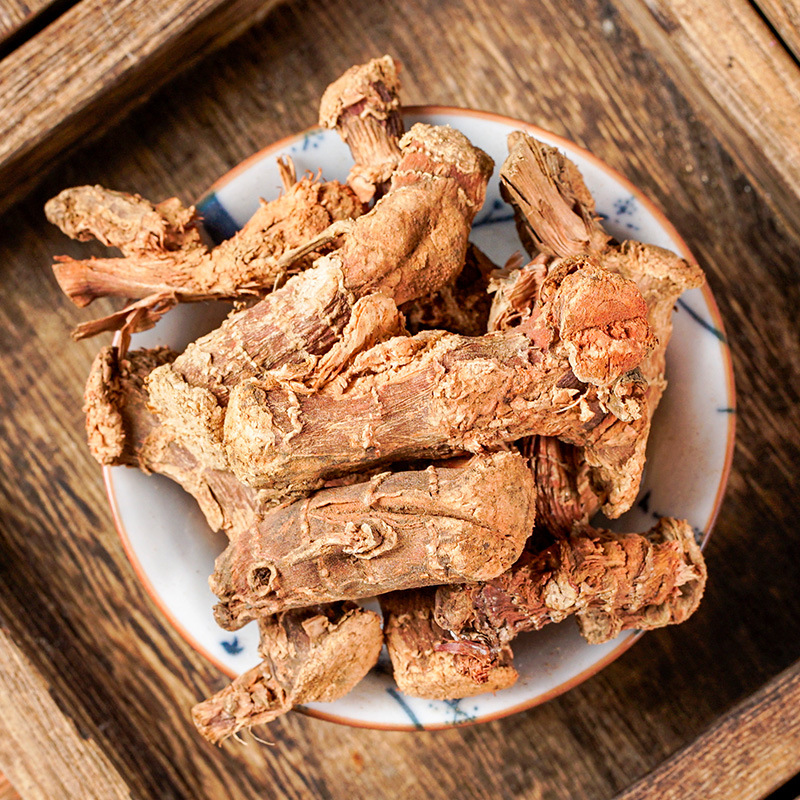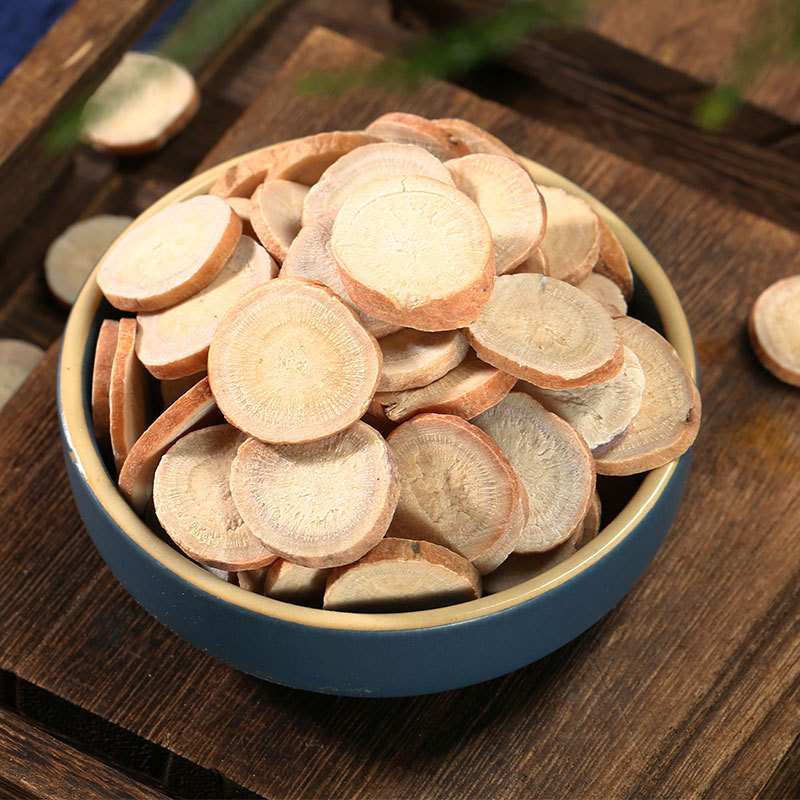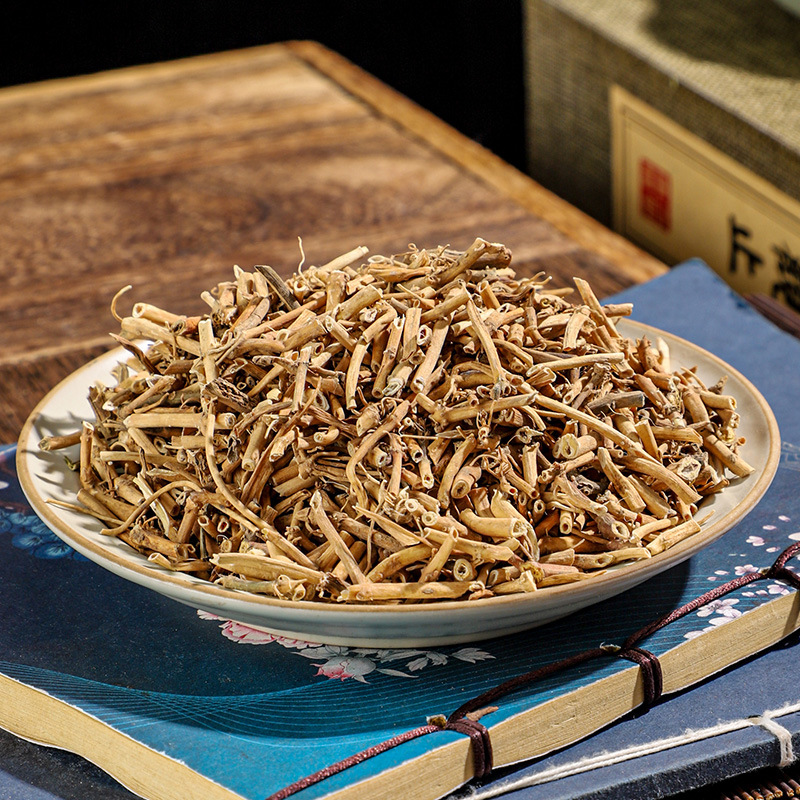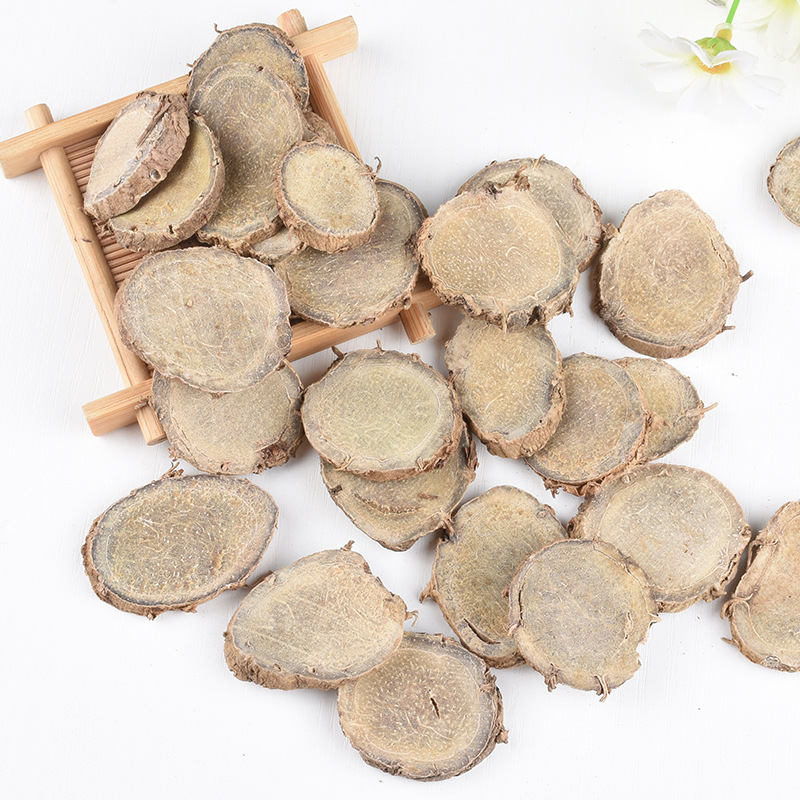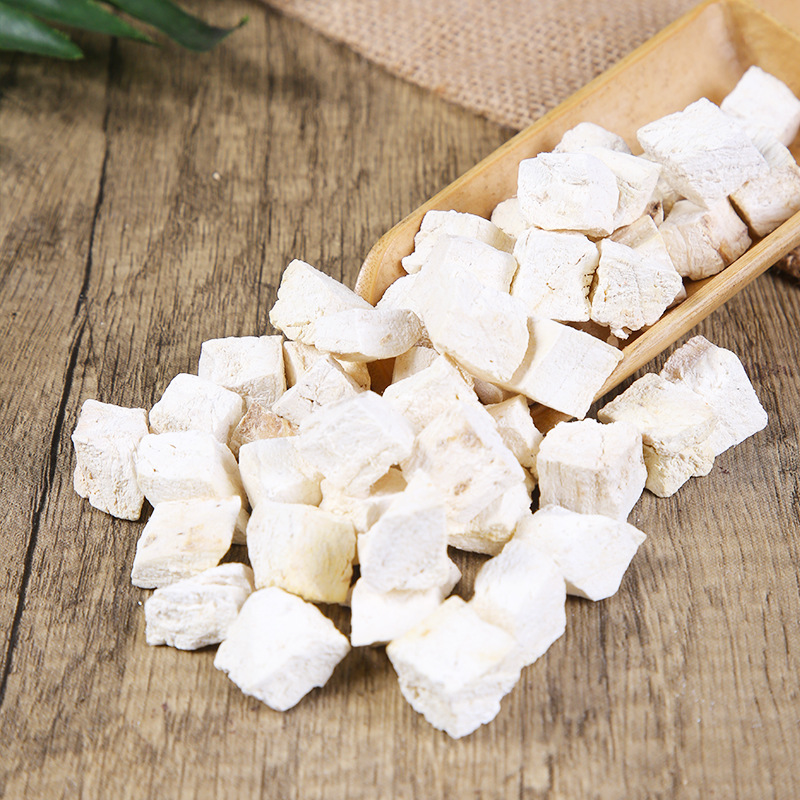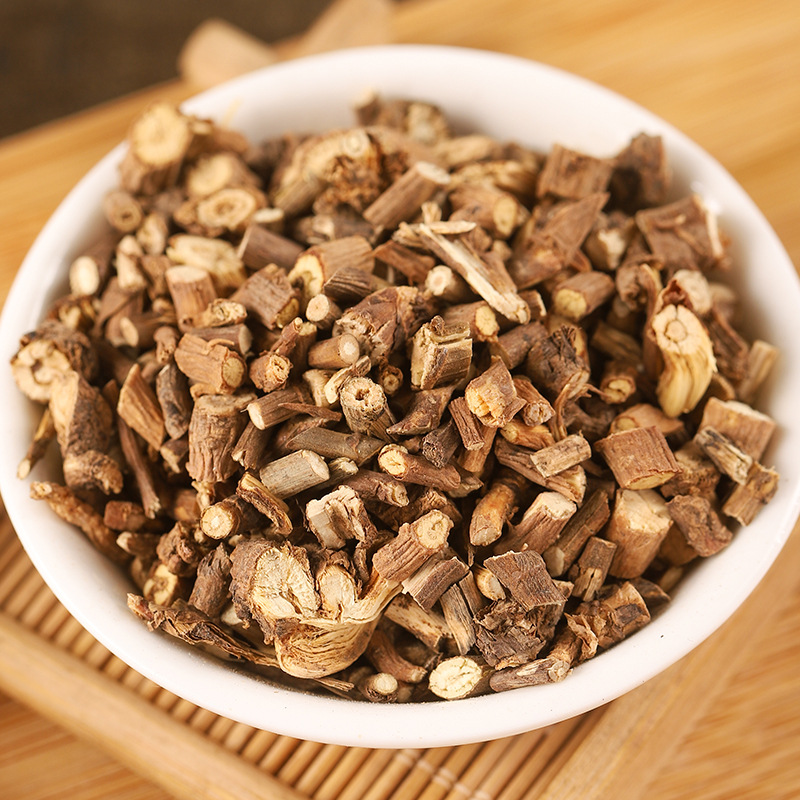
Inula japonica is the capitulum of the plant Inula japonica from the Asteraceae family. Its whole herb is also known as Jinfeicao. It is harvested when the flower buds open in summer and autumn, then dried in the sun. It is often used raw or honey-fried.
I. Efficacy and Application
Inula Flower tastes bitter, pungent, and salty, slightly warm. It belongs to the Lung, Spleen, Stomach, and Large Intestine meridians.
Efficacy It can eliminate phlegm, promote water metabolism, direct qi downward, and stop vomiting. Its characteristic is to effectively direct qi downward, eliminate phlegm, and stop vomiting and hiccups, suitable for both cold and heat conditions. Since ancient times, there has been a saying, "All flowers rise, only Inula flower descends."
It is commonly used for the treatment of conditions such as wind-cold cough, accumulation of phlegm and fluid, chest and diaphragm fullness and oppression, wheezing and cough with excessive phlegm, vomiting and belching, and epigastric fullness and hardness.
Summary of Famous Works by Renowned Authors:
The Classic of Materia Medica: "It primarily treats binding qi, fullness below the rib-side, fright palpitations, expels water, eliminates cold and heat from the five viscera, supplements the center and downbears qi."
Bie Lu: "It dissipates phlegm accumulation in the chest, expectorates sticky sputum, resolves phlegm and fluid retention in the heart and hypochondrium, eliminates retained fluid in the bladder, and treats wind-damp impediment."
"Treatise on Medicinal Properties": "Primarily treats edema, expels abdominal distension, stimulates appetite, and stops vomiting and inability to eat."
Ben Cao Yan Yi: "It promotes the flow of phlegm and water, and dispels wind from the head and eyes."
Compendium of Materia Medica: "Inula flower is a medicinal herb that eliminates phlegm, expels water, promotes the flow of qi, and directs it downward. It primarily treats conditions such as qi stagnation in the heart and lungs, deficiency and fullness below the ribs, phlegm accumulation in the chest, hard masses with belching, or hidden fluid retention in the heart and spleen, as well as lingering fluid and stagnant water in the bladder."
Ben Cao Feng Yuan: "Xuanfuhua (Inula Flower) can both ascend and descend, and it is a medicinal herb for the lungs and large intestine. Its efficacy lies in dispersing stagnation and directing qi downward, promoting water metabolism and resolving phlegm, treating palpitations and fright, eliminating masses and hardness, dispelling cold and heat, dispersing wind-dampness, promoting stomach qi, stopping vomiting and hiccups, and relieving belching. Therefore, it is suitable for treating latent fluid retention in the lungs and cold-induced cough."
Ben Cao Bei Yao: "Salty can soften hardness, bitter and pungent can direct qi downward and promote water metabolism, warm can unblock blood vessels. Enters the lung and large intestine meridians. Dissolves phlegm nodules and hard masses, sputum like glue or lacquer, unremitting belching, large abdominal edema, dispels wind from the head and eyes."
II. Compatibility and Application
1. For phlegm and saliva obstructing the lungs, cough and asthma with excessive phlegm, as well as phlegm and fluid retention, chest and diaphragm fullness and discomfort, etc. Inula flower can dissolve phlegm, promote water movement, and descend lung qi. For treating cold phlegm cough and asthma, or accompanied by external symptoms, it is often combined with ginger, pinellia tuber, and asarum, known as Jinfeicao Powder.
In the treatment of phlegm-heat cough and wheezing in excess patterns, it is often combined with Platycodon root, Mulberry root bark, and Rhubarb, as in the Xuanfu Hua Decoction.
2. For belching, vomiting, epigastric stuffiness and hardness, and other syndromes. Inula flower can lower qi and resolve phlegm, tonify the middle and descend qi to stop vomiting. For treating vomiting, belching, and epigastric fullness caused by spleen-stomach qi deficiency and upward rebellion of phlegm-dampness, it is often combined with hematite, pinellia tuber, fresh ginger, and ginseng, as in the Xuanfu Daizhe Decoction.
Inula flower is most commonly paired with hematite. Inula flower resolves phlegm and calms wheezing, directs qi downward and stops vomiting, diffuses the lung and promotes water metabolism; hematite calms the liver and drains heat, suppresses rebellion and directs qi downward, cools the blood and stops bleeding. Inula flower can diffuse qi and wash away fluid retention, while hematite can constrain floating yang and suppress rebellion. When used together, these two herbs jointly achieve the effects of directing qi downward and calming wheezing, resolving phlegm and dispersing masses. They are commonly used in modern times to treat cough with phlegm and wheezing, or cough and wheezing in pulmonary heart disease.
"Treatise on Cold Damage Disorders": "For cold damage disorders, if after inducing sweating, or if after vomiting or purging, the condition is resolved but there is a sensation of fullness and hardness below the heart, and belching does not cease, Xuanfu Daizhe Decoction should be prescribed."
III. Usage and Dosage
Inula japonica is often used in decoctions and rarely in pills or powders. The typical dosage in decoctions ranges from a few grams to over ten grams. Due to its fine hairs, which can irritate the throat, cause itching, and lead to coughing or vomiting, it is often honey-fried and must be wrapped in cloth when decocted.
When Shi Jinmo used Inula japonica and hematite, he often mixed the two herbs together and wrapped them for decoction. The wrapped herbs would not be too light to float on top, nor too heavy to sink to the bottom of the pot, making them very convenient for decoction. This is indeed an excellent method and worth promoting.
IV. Application Precautions
Inula flower is pungent and warm, so it is contraindicated for those with yin deficiency and consumptive cough, as well as for those with wind-heat and dry cough.
Wang Ang said, "This medicine is dispersing and moving, cold and purgative to the large intestine, and should be used cautiously in cases of deficiency."