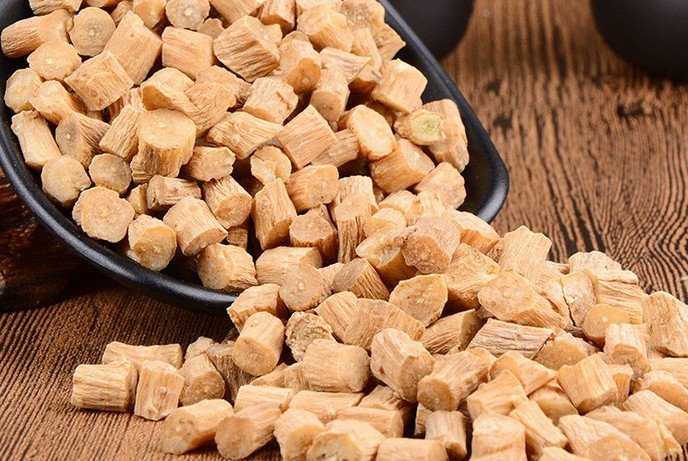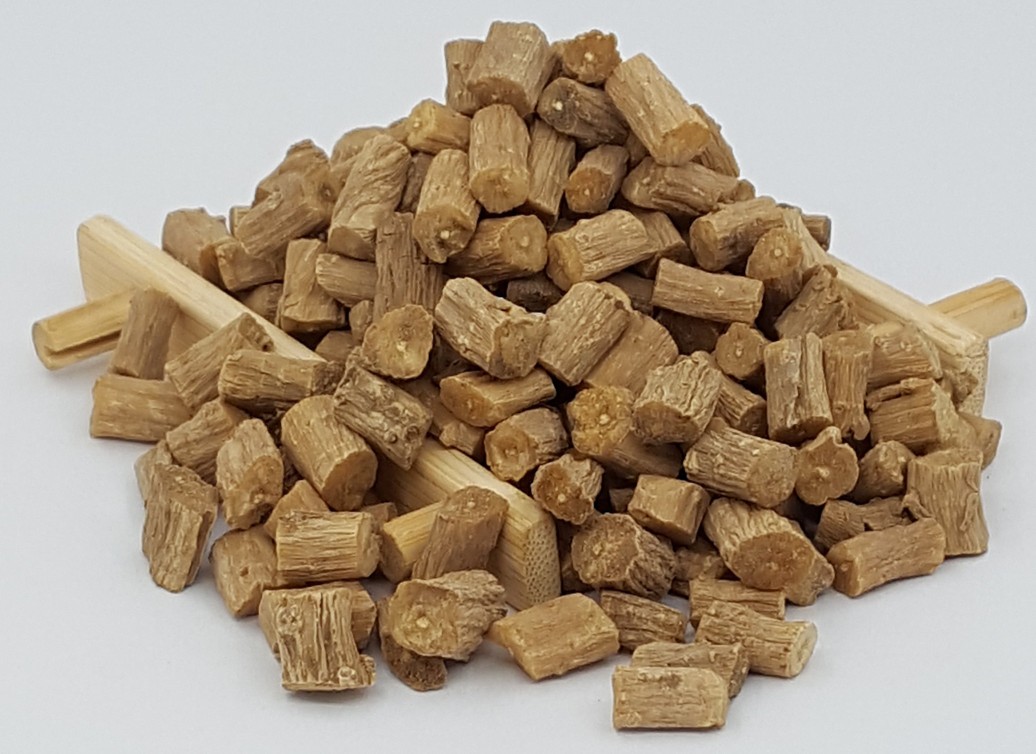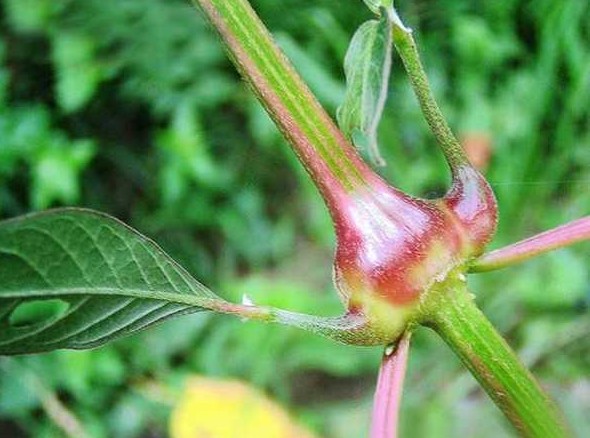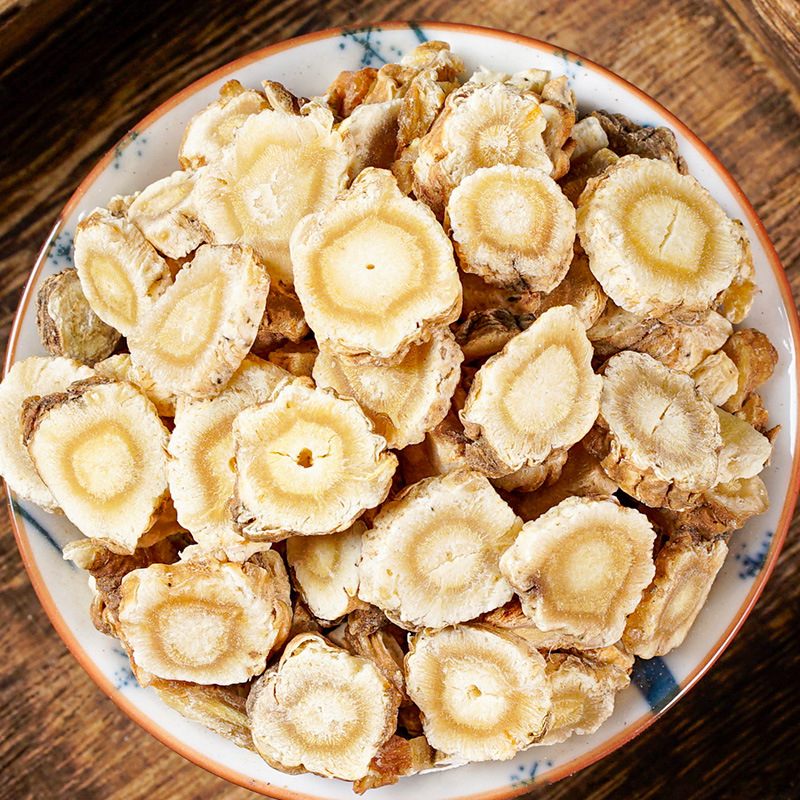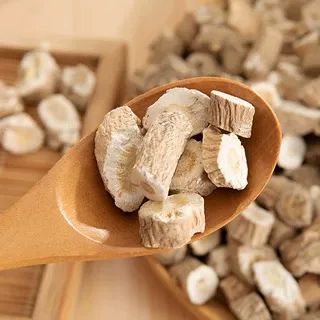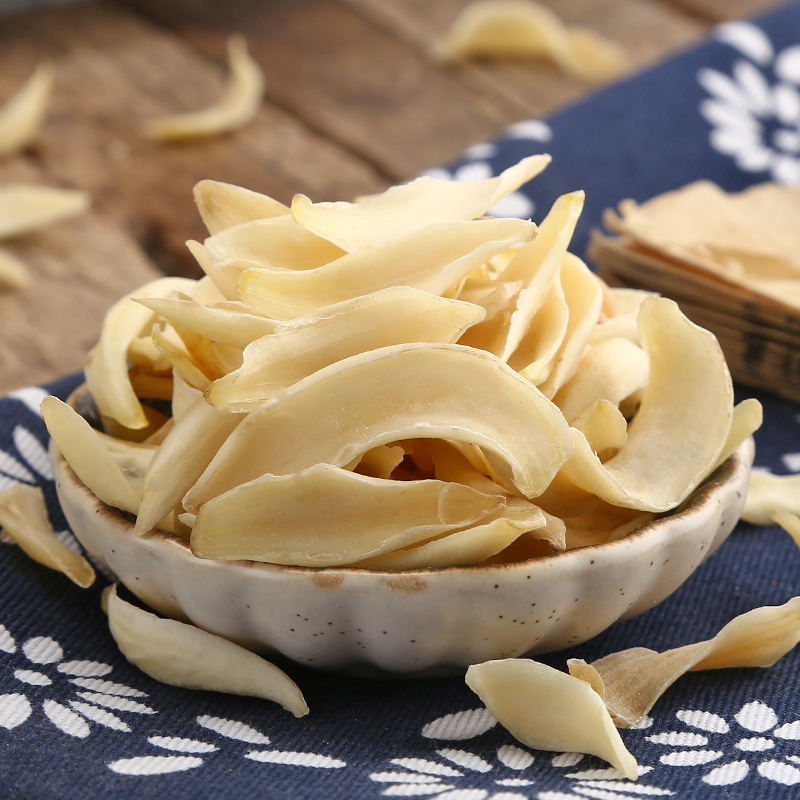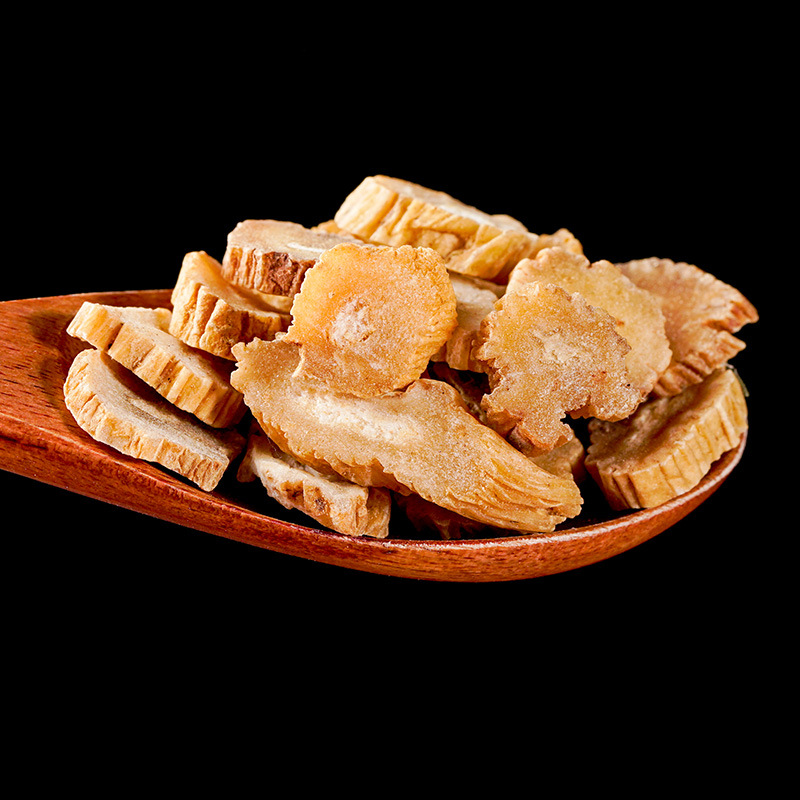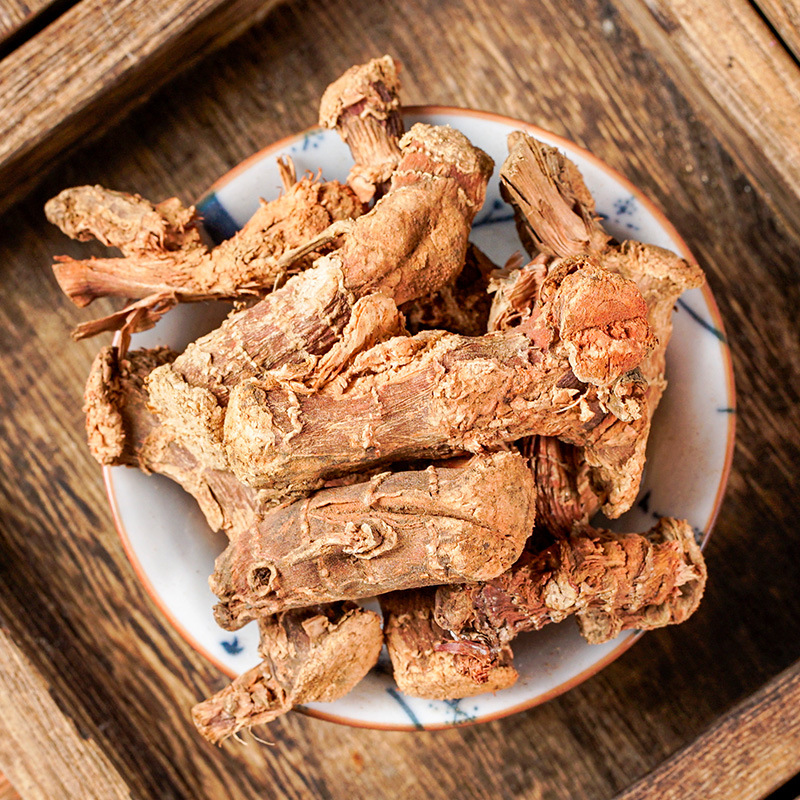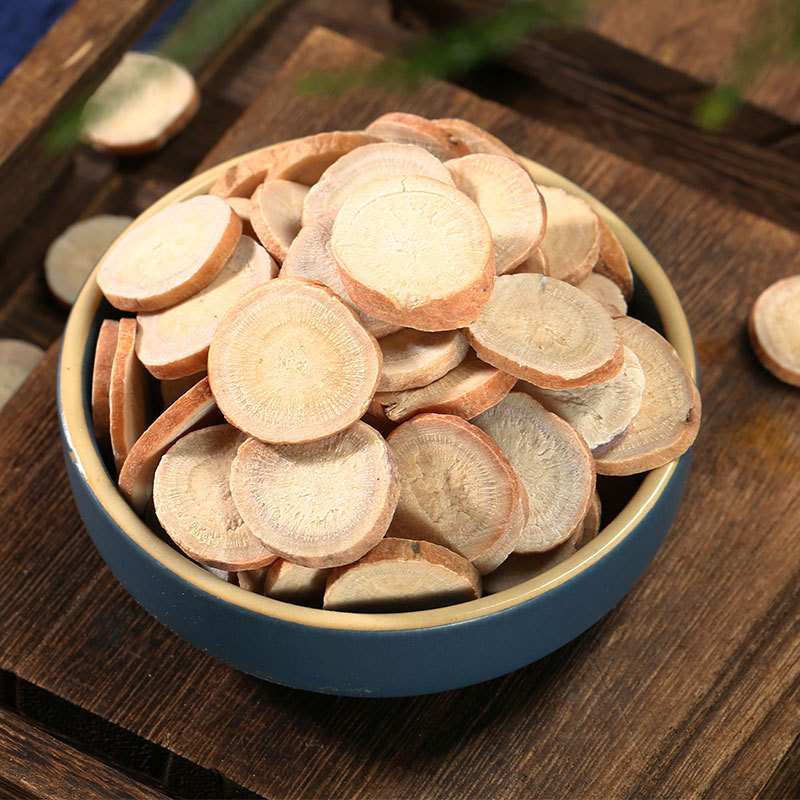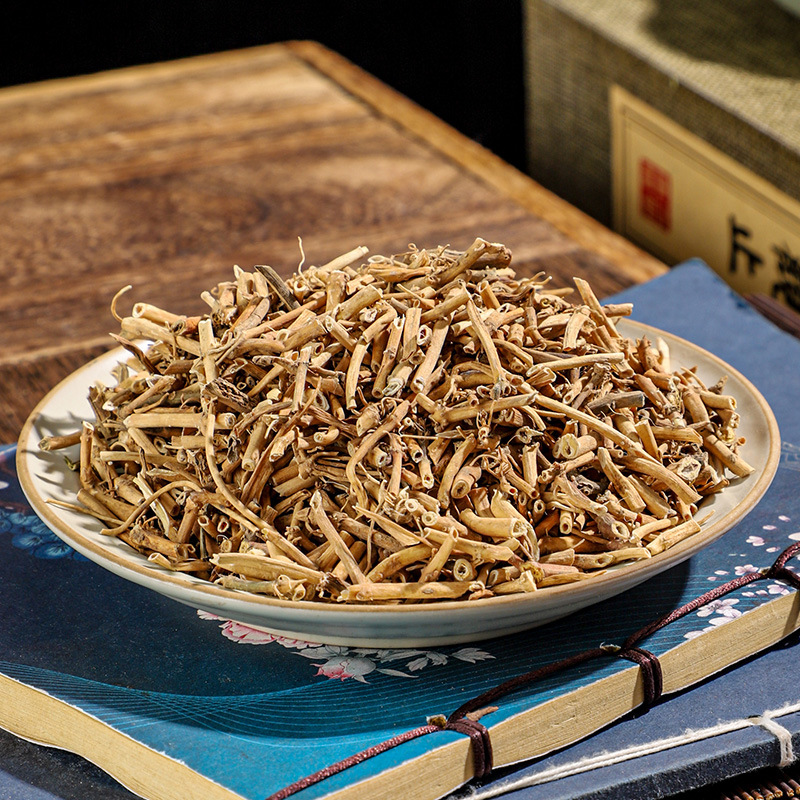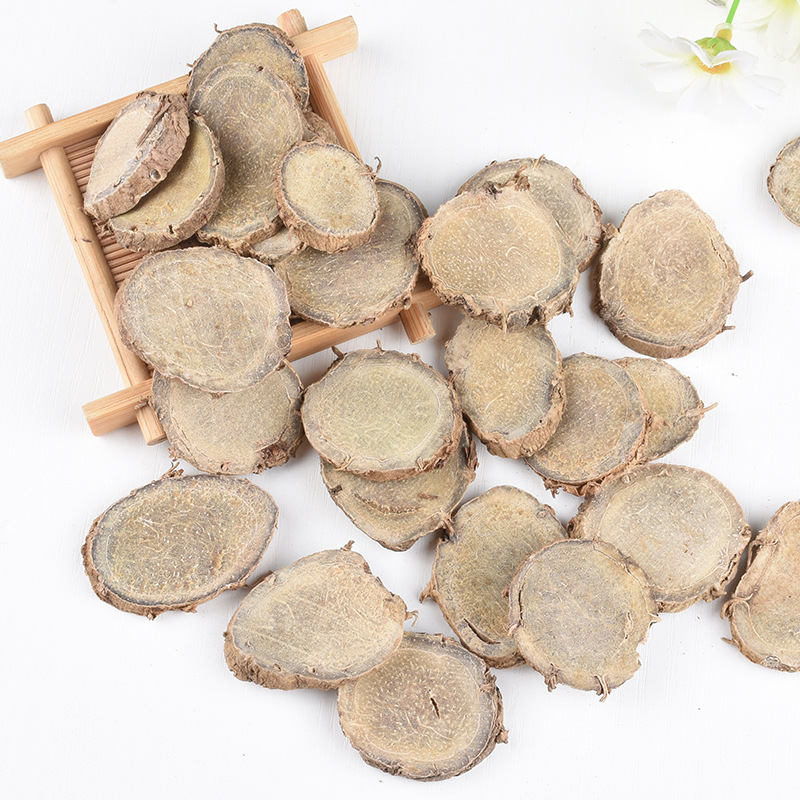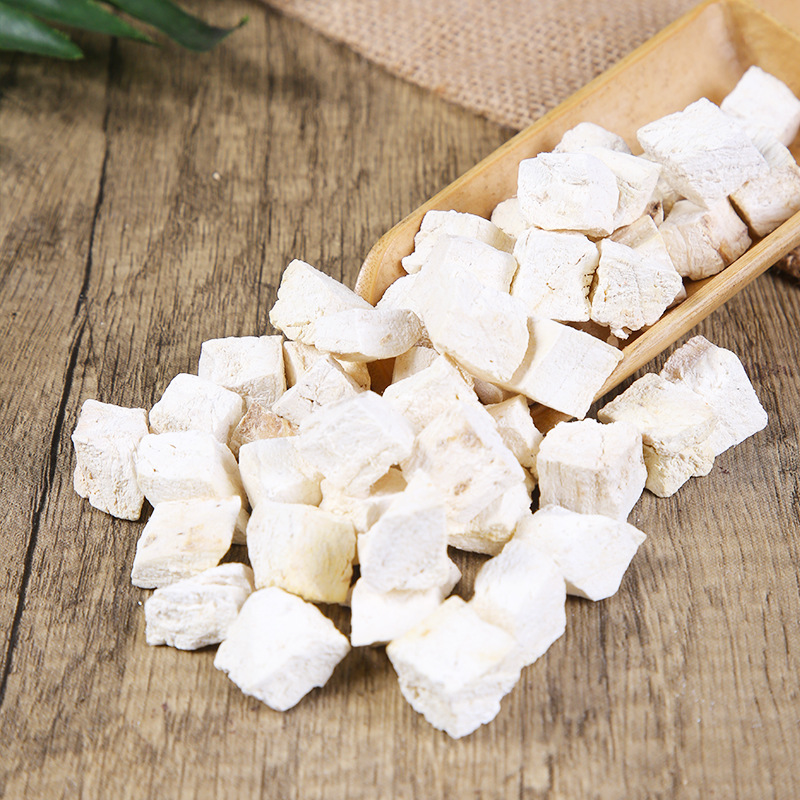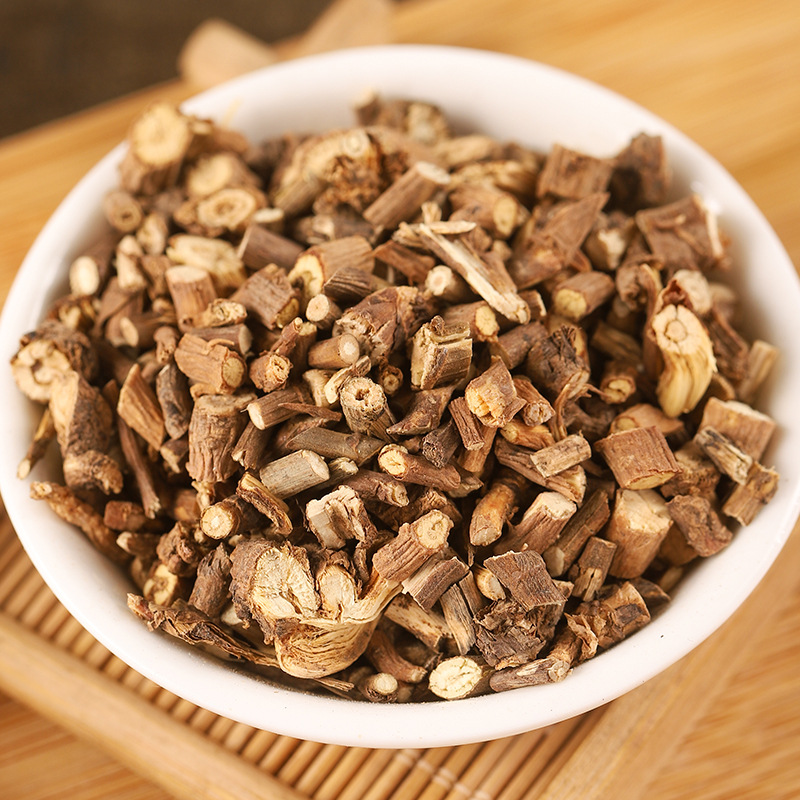
Niuxi is the root of the plant Achyranthes bidentata from the Amaranthaceae family. The stem of this plant is swollen like a cow's knee, hence the name. For medicinal use, it is divided into Huai Niuxi and Chuan Niuxi. It is often sliced and used raw or stir-fried with wine.
I. Efficacy and Application
Achyranthes bidentata tastes bitter and sour, and is neutral in nature. It belongs to the liver and kidney meridians.
Efficacy can activate blood and dispel stasis, tonify liver and kidney, strengthen tendons and bones, promote diuresis and relieve strangury, guide blood downward. Its characteristics include moving while tonifying, nature tends to descend, with the function of strengthening the waist and knees.
Commonly used for the treatment of amenorrhea, dysmenorrhea, soreness and pain in the lower back and knees, weakness of tendons and bones, strangury, edema, headache, dizziness, toothache, oral ulcers, hematemesis, epistaxis, and other conditions.
Summary of Famous Works by Renowned Authors:
The Classic of the Materia Medica: "It primarily treats cold-dampness-induced flaccidity and impediment, spasms and contractures of the four limbs, knee pain with inability to bend or extend, expels qi and blood, treats injury from intense heat and ulceration, and induces abortion."
Rihuazi Materia Medica: Treats weakness and coldness of the waist and knees, breaks accumulations and masses, expels pus, relieves pain, addresses postpartum heart and abdominal pain along with blood dizziness, expels dead fetus, and strengthens yang.
"Compendium of Materia Medica": "Treats chronic malaria with alternating chills and fever, five types of strangury with bloody urine, pain in the urethra, dysentery, throat obstruction, mouth sores, toothache, abscesses and malignant sores, and injuries and fractures."
Ben Cao Jing Shu: "It moves and can tonify, its nature is good at descending."
Jade Carving Medical Explanation: "Niuxi (Achyranthes bidentata) promotes diuresis and treats painful and difficult urination. It alleviates knee and leg weakness, numbness, and spasms, unblocks menstrual blockages in women, and addresses penile flaccidity and shrinkage in men. It also breaks up hard masses and stagnant blood, detoxifies and reduces swelling from malignant sores, and treats injuries from wooden or metal objects."
Ben Cao Bei Yao: It can guide all medicines downward. It treats various pains in the heart and abdomen, painful urination and hematuria. Amenorrhea and difficult childbirth. Throat obstruction and toothache. Carbuncles, swellings, malignant sores, incised wounds and fractures. It removes bamboo and wood splinters.
II. Compatibility and Application
1. For menstrual irregularities, dysmenorrhea, amenorrhea, postpartum abdominal pain due to blood stasis, and injuries from falls or trauma, etc. Achyranthes bidentata has the function of promoting blood circulation and removing blood stasis. For treating women's dysmenorrhea and amenorrhea due to blood stasis, postpartum abdominal pain due to blood stasis, it is often combined with safflower, peach kernel, angelica, and other herbs that promote blood circulation and regulate menstruation.
If treating pain due to blood stasis or chronic illnesses with significant stasis and other stubborn conditions, it is often combined with Platycodon grandiflorus, Bupleurum, and Citrus aurantium in the Taohong Siwu Decoction, representing a versatile formula known as Xuefu Zhuyu Decoction.
For treating injuries and pain in the waist, knees, and feet, it is often combined with Chinese angelica, safflower, teasel root, and myrrh.
Zhu Liangchun often combines ground beetles, leeches, and black-tailed snakes with other blood-activating and stasis-resolving insect-based medicines to treat gynecological and surgical conditions, as well as various diseases caused by blood stasis and stagnation. This approach aims to promote blood circulation, remove stasis, and guide the medicine downward.
2. For soreness and pain in the lumbar and knee regions, weakness of the lower limbs, and other symptoms. Achyranthes bidentata not only tonifies the liver and kidneys, strengthens the bones and muscles, but also promotes blood circulation and benefits the joints. It has a descending nature and is particularly effective in treating soreness and pain in the lumbar and knee joints of the lower body. For example, to treat soreness and pain in the lumbar and legs caused by liver and kidney deficiency, Achyranthes bidentata is often combined with Eucommia ulmoides, Dipsacus asper, Taxillus chinensis, and Chaenomeles speciosa.
If treating severe deficiency with flaccidity and weakness, it is often combined with prepared rehmannia root, tortoise plastron, and cynomorium, known as Huqian Wan.
If treating lower limb flaccidity and paralysis or beriberi swelling and pain caused by downward infusion of damp-heat, it is often combined with Atractylodes, Phellodendron, and Coix seed, known as Simiao Pills.
For treating lower limb joint pain caused by wind-dampness, it is common to use Cyathula officinalis in combination with Chaenomeles speciosa, Stephania tetrandra, Dioscorea hypoglauca, and Angelica pubescens.
If treating arthralgia syndrome for a long time, with deficiency of both liver and kidney, and insufficiency of qi and blood, it is often combined with Du Huo, Sang Sheng, Du Zhong, Xi Xin, etc., which is Du Huo Ji Sheng Tang. This formula is commonly used in modern times to treat chronic arthritis, rheumatoid arthritis, rheumatic sciatica, lumbar muscle strain, hyperosteogeny, poliomyelitis, etc., which belong to wind-cold-dampness arthralgia for a long time and deficiency of healthy qi, with significant therapeutic effects.
3. For conditions such as hematuria, dysuria, and painful urination. Achyranthes bidentata can promote diuresis and remove blood stasis to relieve stranguria. It is often combined with frankincense, ground into powder and taken orally, known as Tonglin Powder. If combined with Chinese angelica, Dianthus superbus, Medulla Tetrapanacis, and talc, it is known as Niuxi Decoction.
Medical Treatise on Five Types of Stranguria: "Heat accumulation in the bladder, with painful and difficult urination, is called stranguria. Qi stranguria is characterized by difficult urination and dribbling; fatigue stranguria is triggered by sexual overexertion; cold stranguria occurs with chills and subsequent urination; milky stranguria presents with urine resembling paste; stone stranguria involves the formation of stones from essence; hematuria is referred to as blood stranguria. Bright red urine indicates excess heat in the heart and small intestine; dark, stagnant-colored urine indicates deficiency cold in the kidneys and bladder."
Zhang Zihe said: "Stone strangury is due to the transfer of heat from the liver meridian to the bladder, which over time is decocted into stones; it is not a disease of the kidney or small intestine. The general treatment for strangury should focus on promoting qi flow, clearing the heart, calming fire, and promoting diuresis. Tonics should not be used, as they may exacerbate damp-heat."
Wang Ang said: "Niuxi is an essential herb for strangury, especially suitable for hematuria."
4. For guiding blood downward and guiding medicine downward. Achyranthes bidentata is bitter and descending, adept at guiding blood downward and guiding medicine downward, thereby reducing upward flaming fire, treating symptoms such as hematemesis, epistaxis, mouth and tongue sores, as well as headache and dizziness due to hyperactivity of liver yang.
For treating symptoms of reckless blood flow due to blood heat such as hematemesis and epistaxis, it is often combined with cool-blood hemostatic herbs like Imperatae Rhizoma, Cirsii Herba, and Gardeniae Fructus.
If treating toothache and mouth sores caused by yin deficiency with fire effulgence, it is often combined with Rehmannia, Gypsum Fibrosum, and Anemarrhena to nourish yin and reduce fire, known as Jade Woman Decoction.
If treating headache and dizziness caused by yin deficiency and yang hyperactivity, as well as internal stirring of liver wind, it is often combined with hematite, raw dragon bone, raw oyster shell, white peony root, and other herbs that nourish yin and subdue yang, calm the liver, and extinguish wind, such as in the Zhengan Xifeng Decoction.
Zhengan Xifeng Decoction is a commonly used prescription in traditional Chinese medicine today for treating hypertension of the liver yang hyperactivity type, but this does not mean that all hypertension can be treated with this prescription. The use of prescriptions in traditional Chinese medicine should be based on syndrome differentiation as a prerequisite, and one must not be misled by modern disease names. Those studying traditional Chinese medicine should also avoid using Western medical thinking to learn about Chinese herbs or prescriptions, as they are not from the same medical system.
Zhang Xichun said, "Headache, mouth sores, and toothache are all caused by the upward flow of qi and blood due to fiery heat. Heavy use of Achyranthes bidentata can guide the qi and blood downward and also bring down the floating and excessive fire. I realized this principle and applied it to treat cerebral congestion, combining it with heavy and astringent substances such as hematite, dragon bone, and oyster shell. The results were consistently effective, and the number of cured cases is too many to count."
III. Usage and Dosage
Niuxi is often used in decoctions and can also be used in pills and powders. The usual dosage in decoctions is over ten grams. If it is the main ingredient in a formula, such as in the usage of Zhengan Xifeng Tang, it can also be used in amounts of several tens of grams or more.
Niuxi is divided into Huainiuxi and Chuanniuxi. Huainiuxi is more inclined to tonify the liver and kidneys, strengthen tendons and bones; Chuanniuxi is more inclined to invigorate blood circulation, remove blood stasis, and relieve pain by promoting menstruation.
Different processing methods of Achyranthes bidentata lead to distinct therapeutic effects.
"Compendium of Materia Medica": "Steamed with wine, it becomes sweet and sour in taste and warm in nature, benefiting the liver and kidneys, strengthening the bones and tendons. It treats pain in the waist, knees, and bones, as well as foot weakness and tendon spasms. When used raw, it disperses stagnant blood and breaks up accumulations and masses. It treats various pains in the heart and abdomen, as well as painful urination and bloody urine."
Wang Ang said: "The best ones come from Xichuan and Huaiqing Prefecture, being long, large, plump, and moist. For descending effects, use them raw; for inclusion in nourishing medicines, soak them in wine and steam them."
Zhang Xichun said, "This medicine is best produced in Huai, and that produced in Sichuan has two colors, purple and white, with purple being the best."
IV. Application Precautions
Achyranthes bidentata can promote blood circulation and remove blood stasis, and guide blood downward, so it is contraindicated for pregnant women and those with excessive menstruation.
Huang Yuanyu said, "Its nature is descending, so it should not be used for those with liver and spleen depression and sinking."
Wang Ang said: "Its nature is descending and slippery, so it is contraindicated for those who experience nocturnal emissions and spermatorrhea, as well as those with spleen deficiency and sinking, leading to swelling and pain in the legs and knees. Misuse may cause miscarriage."
Zhang Xichun said, "Its nature is solely to descend and pour downward, so it is contraindicated in all cases of unconsolidated qi transformation in the lower jiao and any conditions involving slippage and prolapse."