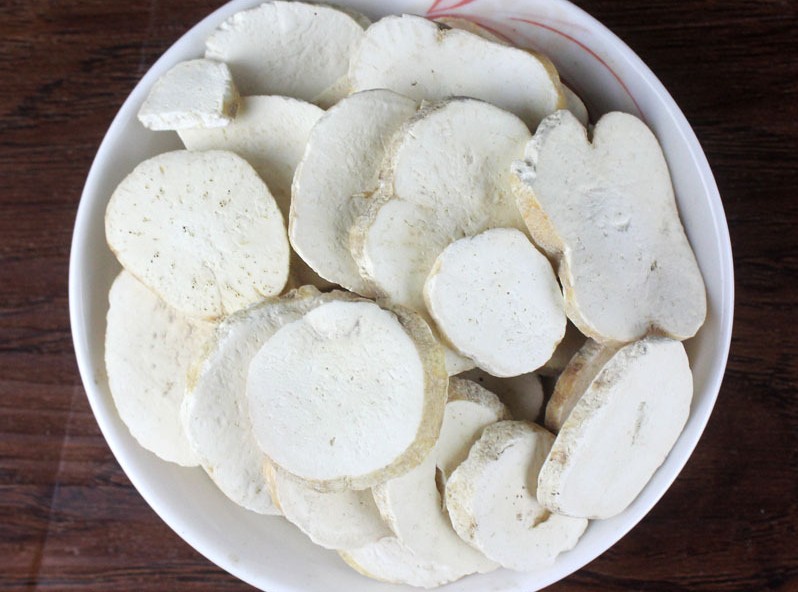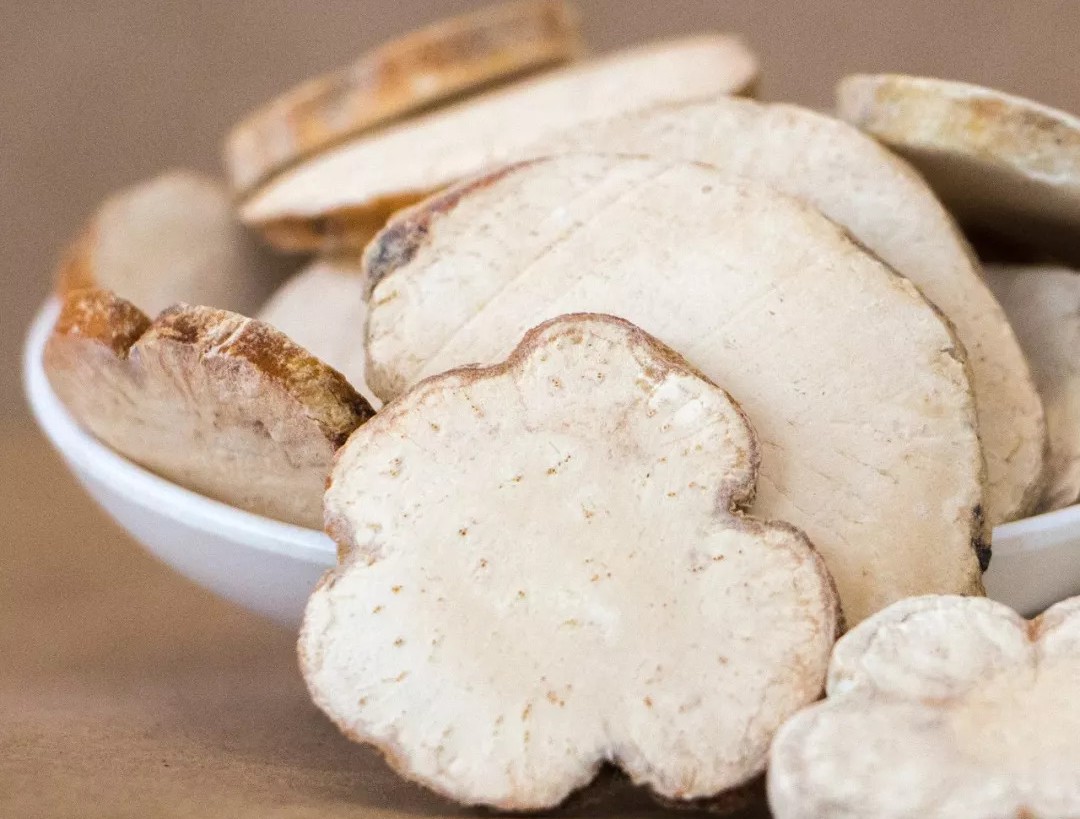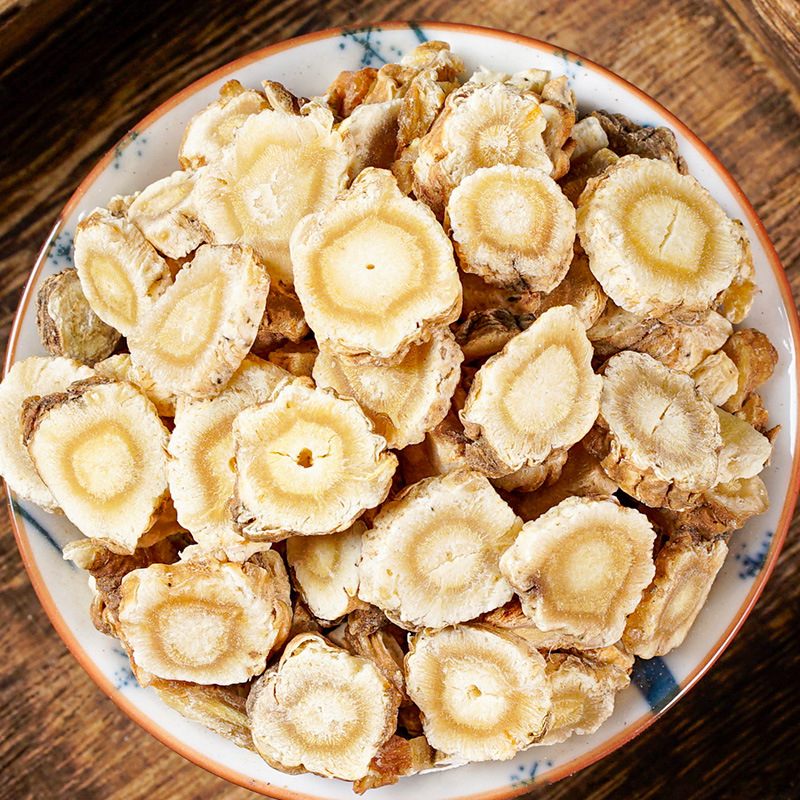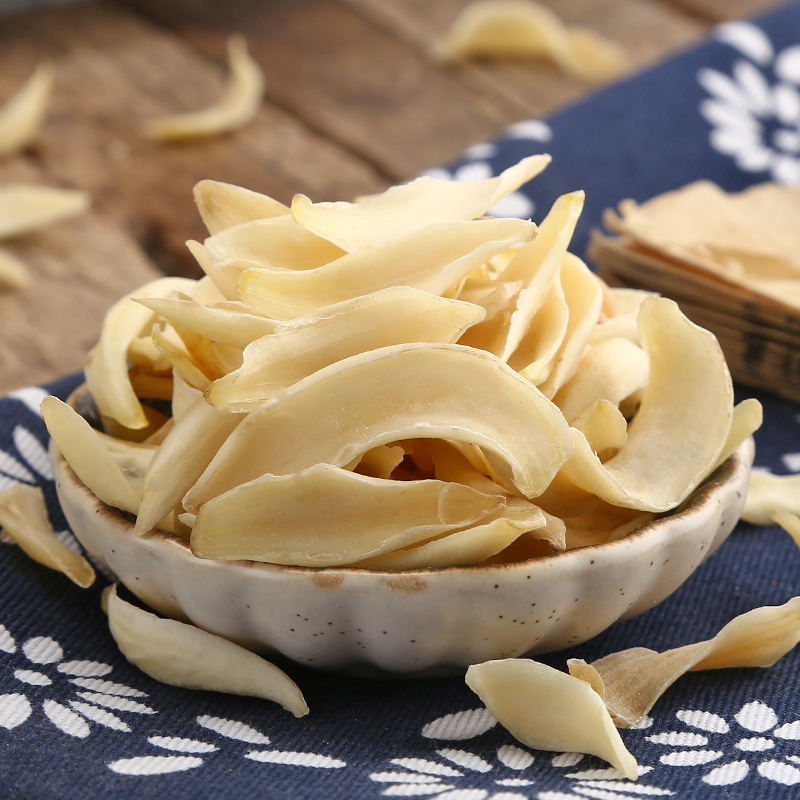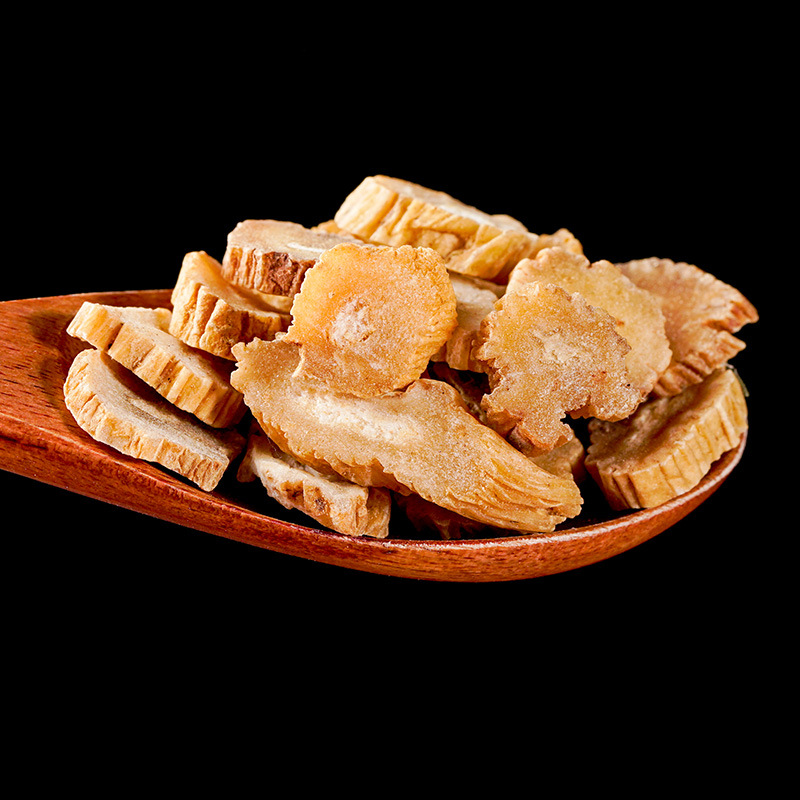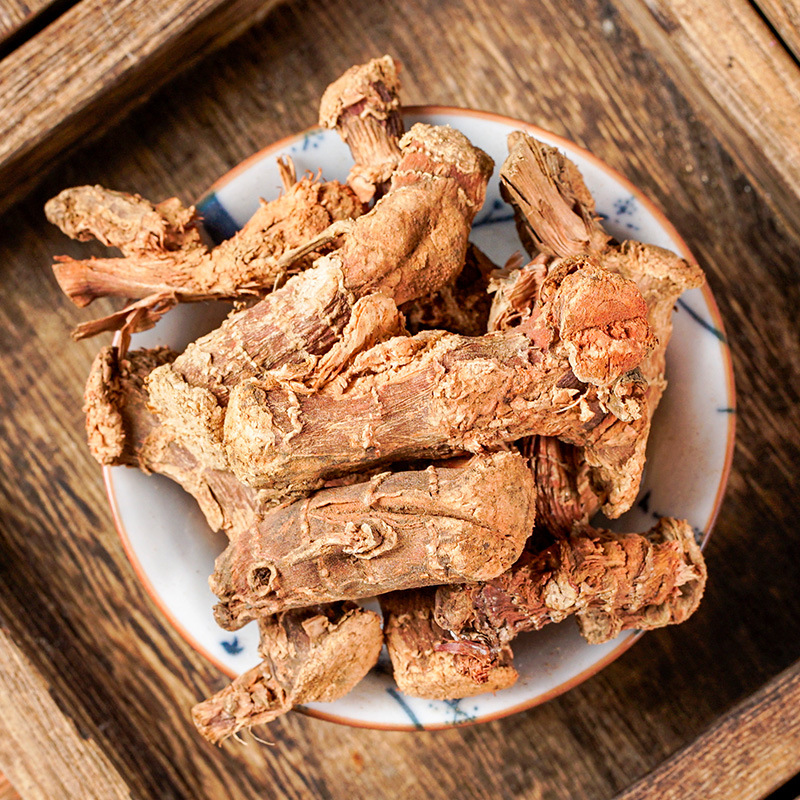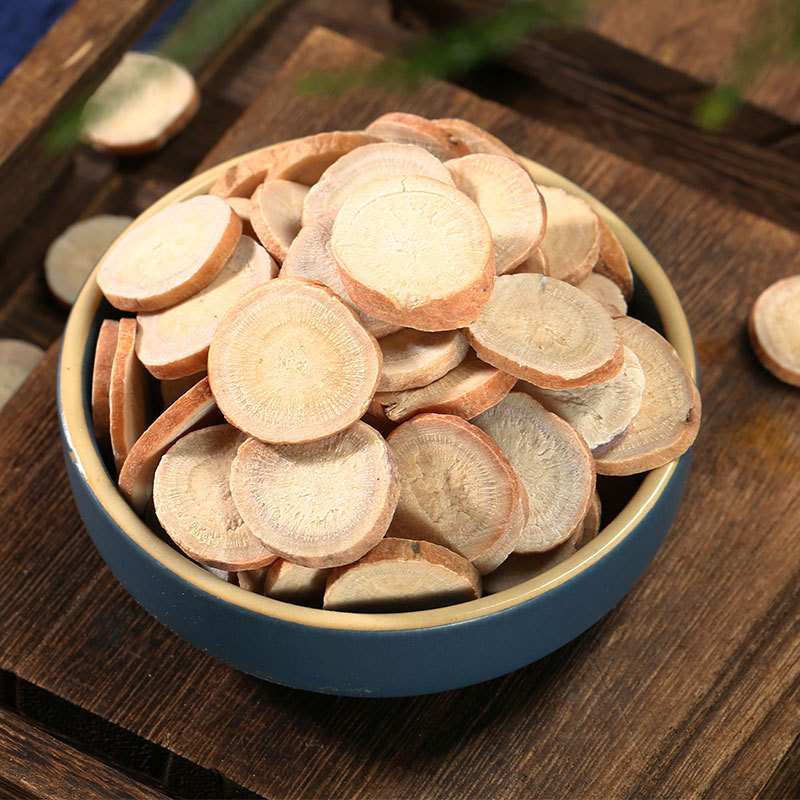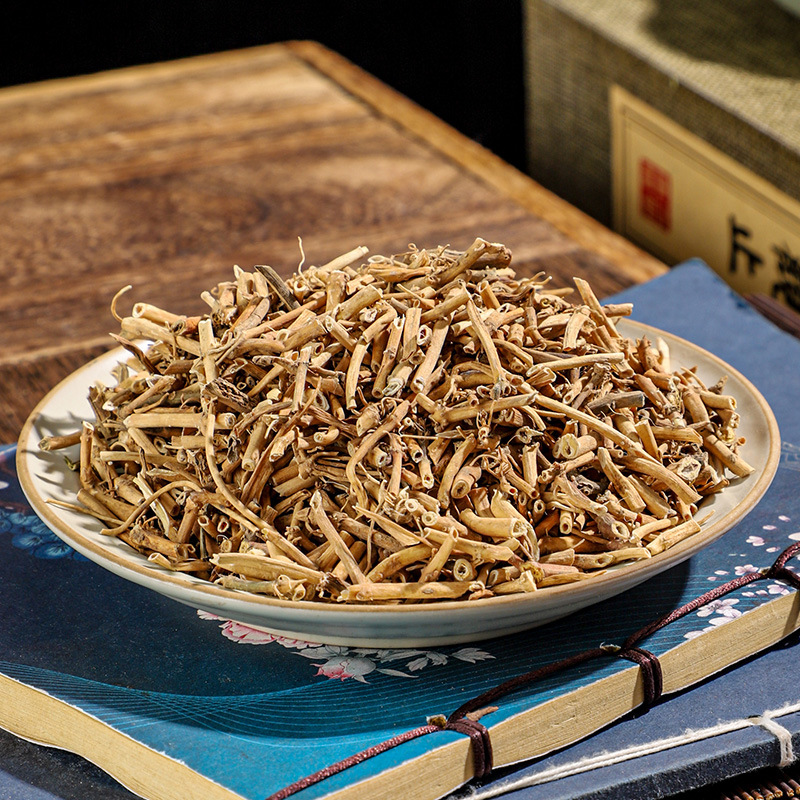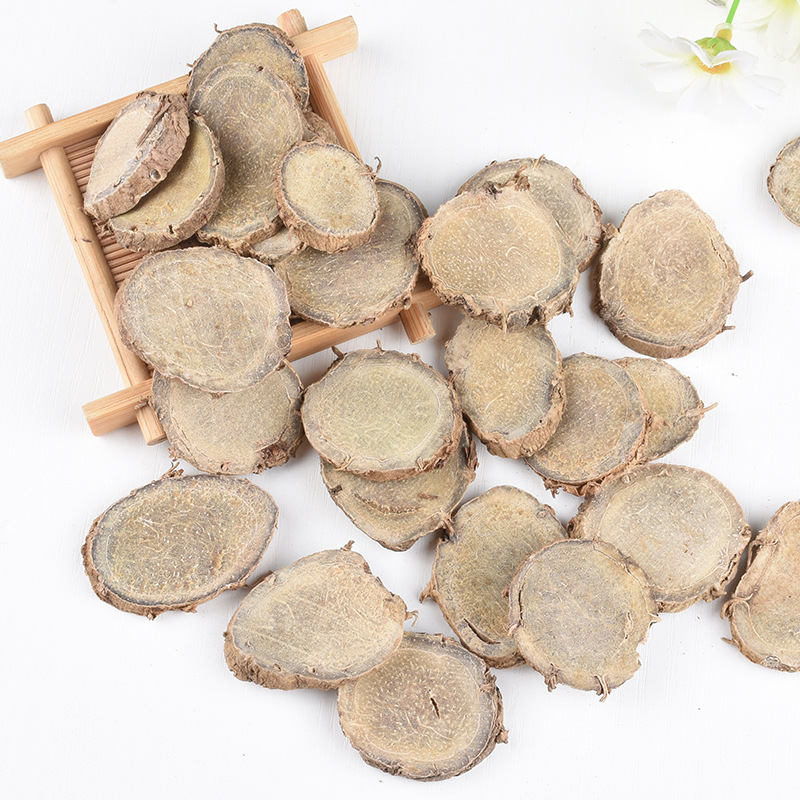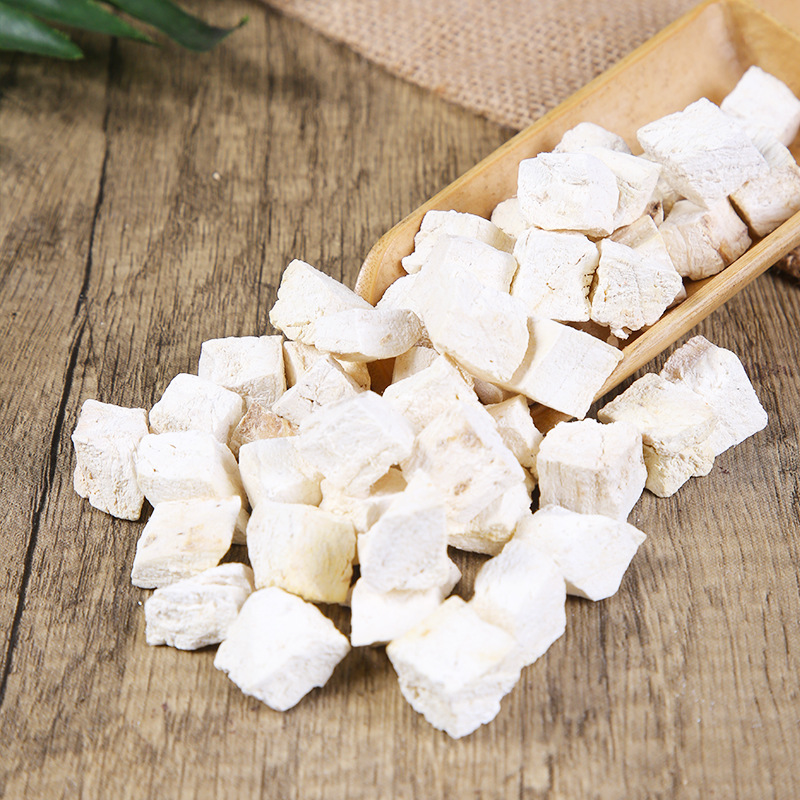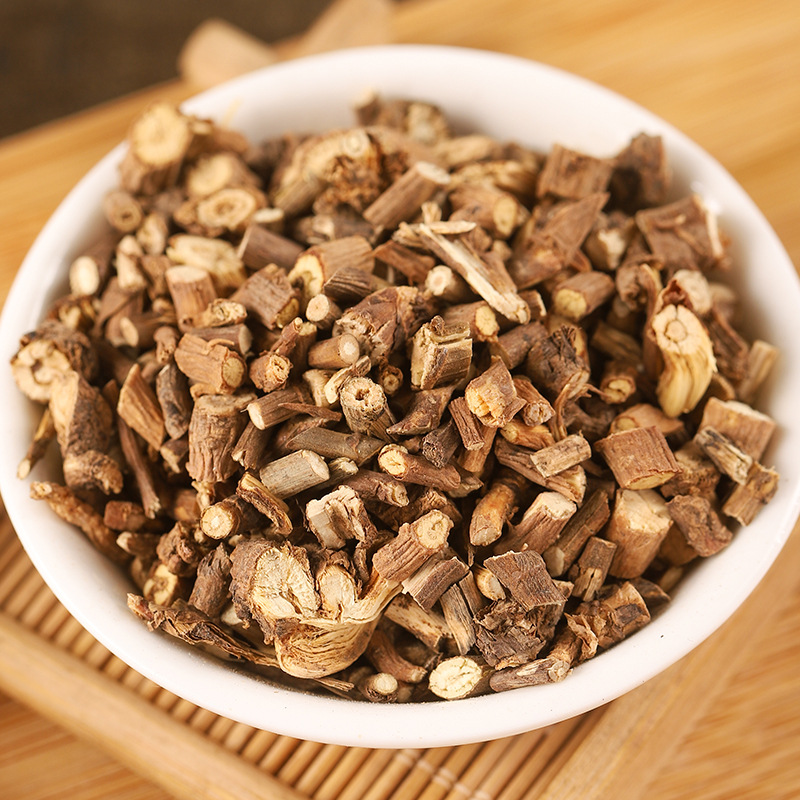
Trichosanthes root is the tuberous root of the Chinese medicinal herb Trichosanthes kirilowii, known in ancient times as Trichosanthes root or Gualou root. During the Tang and Song dynasties, fresh tuberous roots were processed into powder for use, hence the name Tianhuafen. After the Tang and Song dynasties, it was no longer processed into powder, but the name "Tianhuafen" has been retained and used to this day. It is produced throughout the country. After harvesting in autumn and winter, it is cut into sections, dried, and used as medicine.
I. Efficacy and Application
Trichosanthes Root tastes bitter and slightly sweet, and is cold in nature. It belongs to the lung and stomach meridians.
Efficacy It can clear heat, promote fluid production, reduce swelling, and expel pus. Its characteristic is particularly notable for clearing heat and quenching thirst. Zhang Xichun called it the essential medicine for quenching thirst.
It is commonly used for the treatment of conditions such as fever with thirst, dry cough due to lung heat, internal heat causing thirst, and sores and abscesses.
In modern diabetes, whenever there is irritability and thirst, trichosanthes root should be used.
Summary of Famous Works by Renowned Authors:
"The Classic of Materia Medica": "It primarily treats wasting-thirst, feverish body, vexation and fullness, and great heat."
Compendium of Materia Medica: "Trichosanthes root, sweet in taste with slight bitterness and sourness, sourness can promote fluid production, thus it can quench thirst and moisten dryness."
"Ben Cao Feng Yuan": "Trichosanthes root, reduces phlegm-heat in the diaphragm, moistens vexing thirst in the heart, eliminates seasonal disease mania and fever, dispels alcohol jaundice dampness and yellowing, treats abscesses and sores, detoxifies and expels pus."
Rihuazi's Materia Medica: "Promotes the flow of the small intestine, expels pus, reduces swelling and toxicity, promotes tissue regeneration and muscle growth, and dissipates blood stasis from injuries. Treats seasonal febrile diseases with mania, breast abscesses, back carbuncles, hemorrhoids, fistulas, sores, and boils."
"Southern Yunnan Materia Medica": "Treats carbuncles, sores, swellings, and toxins, and also stops coughing with blood."
Changsha Materia Medica: Clears the lungs and promotes fluid production, quenches thirst and moistens dryness, relieves spasms and convulsions in convulsive diseases, and alleviates strangury and urinary retention in those suffering from thirst.
"Compendium of Materia Medica": Sourness can promote the production of body fluids, sweetness does not harm the stomach, slightly bitter, slightly cold. It reduces fire, moistens dryness, dissolves phlegm, and quenches thirst. It promotes tissue regeneration, expels pus, reduces swelling, promotes diuresis, regulates menstruation, and stops excessive urination. It treats febrile mania and seasonal diseases. It addresses stomach heat, jaundice, dry mouth and lips, swelling and toxins, carbuncles on the back, breast abscesses, sores, and hemorrhoids.
II. Compatibility and Application
1. For febrile diseases where heat pathogens damage body fluids, causing dry mouth and tongue, excessive thirst, and diabetes. Trichosanthes root can clear stomach heat, reduce heart fire, and promote fluid production to quench thirst. It is used to treat excessive thirst in febrile diseases or conditions where thirst is the main symptom, often combined with Scrophularia root, reed rhizome, cogongrass rhizome, and Ophiopogon root to nourish yin and clear heat.
If treating diabetes with vexing heat and wasting thirst, it is often combined with Puerariae Lobatae Radix, Schisandrae Chinensis Fructus, and Anemarrhenae Rhizoma, which is known as Jade Fluid Decoction.
If treating internal heat and wasting-thirst with dual impairment of qi and yin, it is often combined with ginseng, known as Jade Pot Pill.
If treating dryness injuring the lung and stomach, with dry throat and thirst, it is often combined with Radix Adenophorae, Radix Ophiopogonis, and Rhizoma Polygonati Odorati, which is known as the Adenophorae and Ophiopogon Decoction.
"Pearl Pouch": "For those with parched thirst in the heart, nothing but this can relieve it."
2. For lung heat cough or dry cough with thick phlegm, as well as hemoptysis and other syndromes. Trichosanthes root can clear lung heat, reduce heat phlegm in the diaphragm and moisten lung dryness. To treat the above syndromes, it is often combined with Fritillaria, Mulberry Bark, Platycodon Root, etc., which is known as Shegan Douling Decoction.
If treating lung heat with dry cough, it is often combined with Tian Dong, Mai Dong, Sheng Di, etc., which is known as Zi Zao Tang.
3. For carbuncles, sores, and ulcers, with intense heat toxin, red swelling, and burning pain. Trichosanthes root can be taken orally or applied externally to clear heat, purge fire, expel pus, and disperse swelling. For the initial stage of yang-pattern carbuncles, sores, and ulcers, it is often combined with honeysuckle flower, saposhnikovia root, angelica dahurica, fritillaria thunbergii, and gleditsia spine, as in the formula Xianfang Huoming Yin.
Zhang Xichun said, "To resolve all heat toxins in sores, for early-stage furuncles and abscesses, use it together with forsythia to dissipate them; for sores and ulcers that have already ulcerated, use it together with astragalus and licorice to promote tissue regeneration and expel pus. Even if the ulceration is deep and spreads to other areas where medicine cannot be applied, it can still generate new tissue from within and gradually expel the pus."
4. For prickly heat, sores, and eczema. Trichosanthes root can clear summer heat and detoxify. It can be used alone or combined with half the amount of talcum powder and a small amount of borneol, ground into a very fine powder for external application. If accompanied by symptoms such as thirst, restlessness, and scanty dark urine, it can be taken orally in combination with heat-clearing and dampness-draining herbs such as honeysuckle, forsythia, lophatherum, talcum, and raw licorice.
III. Usage and Dosage
Trichosanthes root is often used in decoctions, and can also be made into pills, powders, or for external use. The common dosage in decoctions ranges from over ten grams to several tens of grams. For external use, apply an appropriate amount.
IV. Application Notes
Trichosanthes Root is bitter and cold in nature, so it should not be used by those with spleen and stomach deficiency cold or loose stools.
Since it is the root of Trichosanthes kirilowii, some physicians believe it also "opposes Aconitum," but there is actually no basis for this.
Wang Ang said: "It is the root of Trichosanthes kirilowii, with the same contraindications. It is prohibited for those with deficiency and cold in the spleen and stomach."