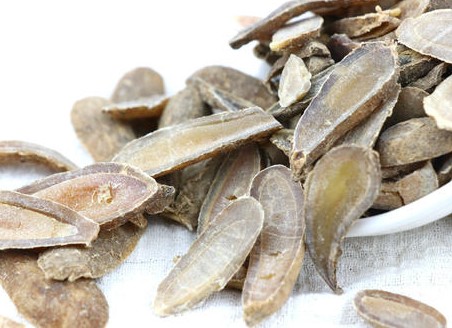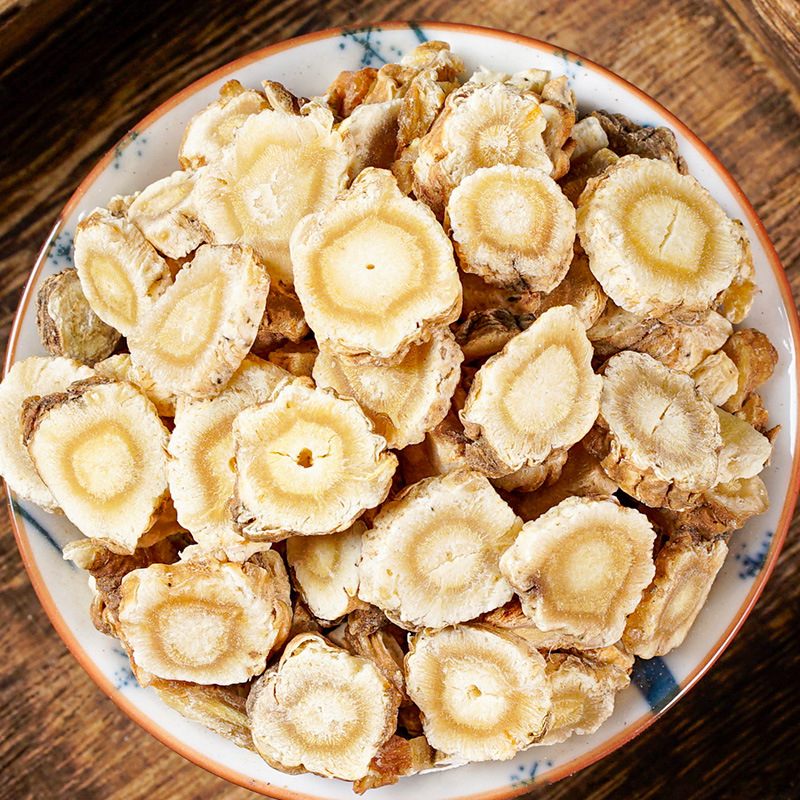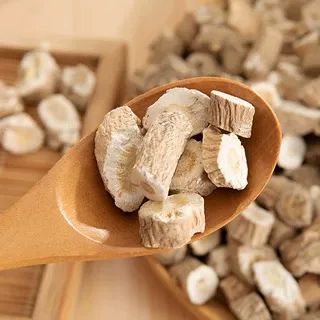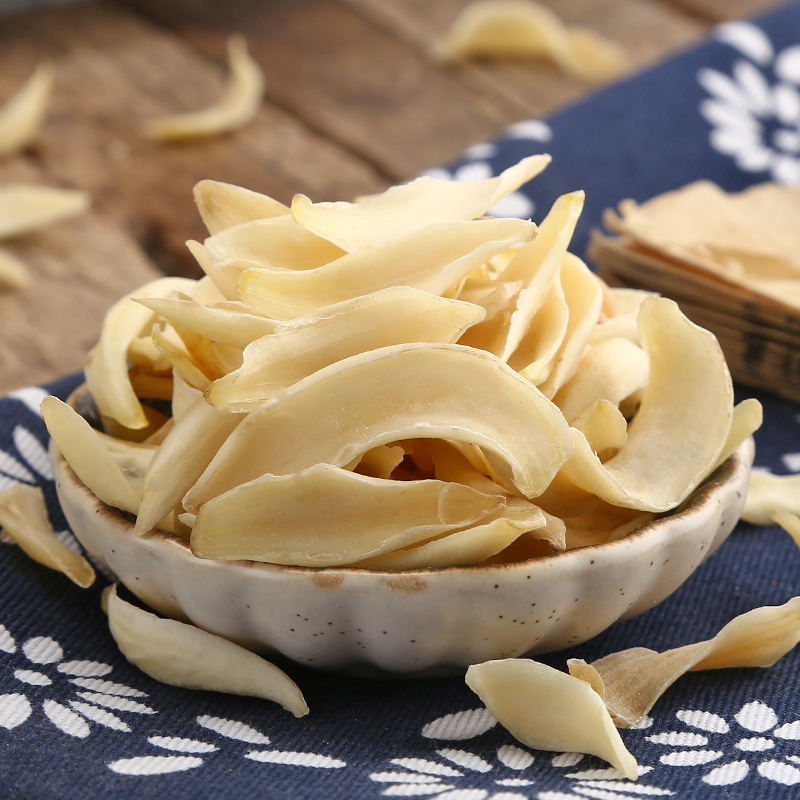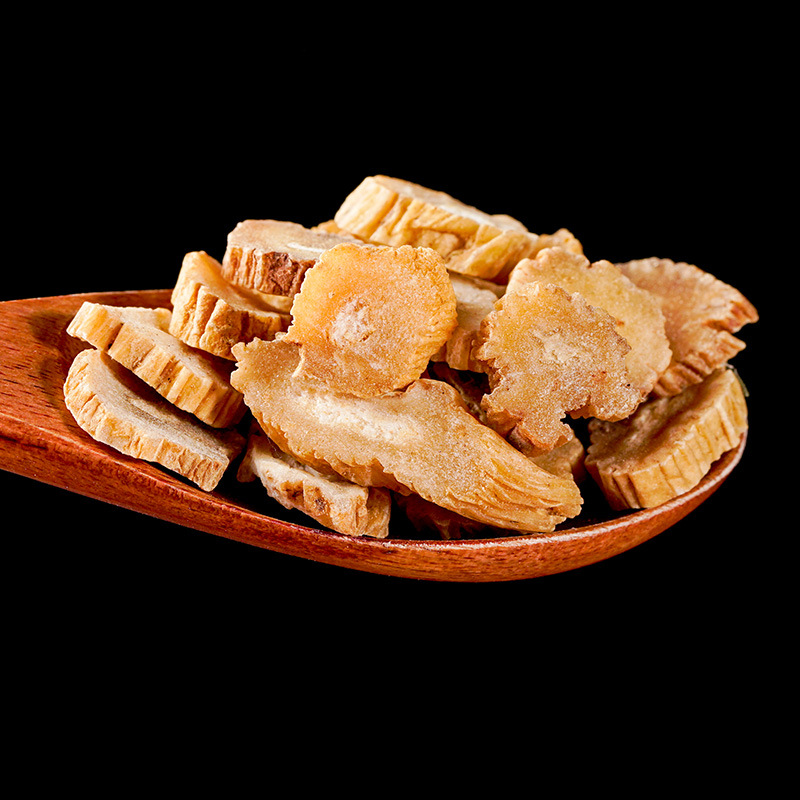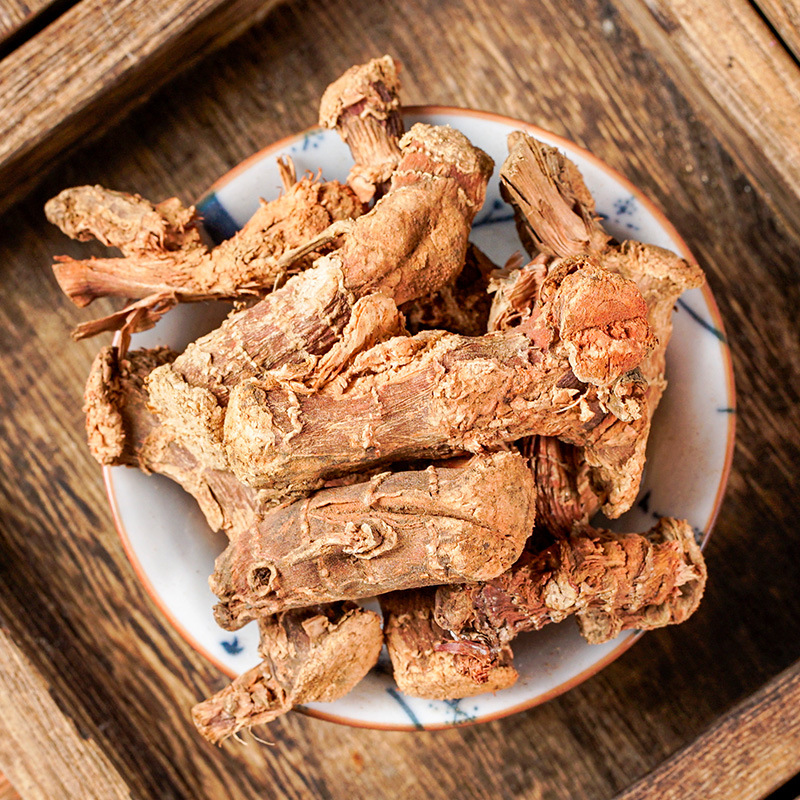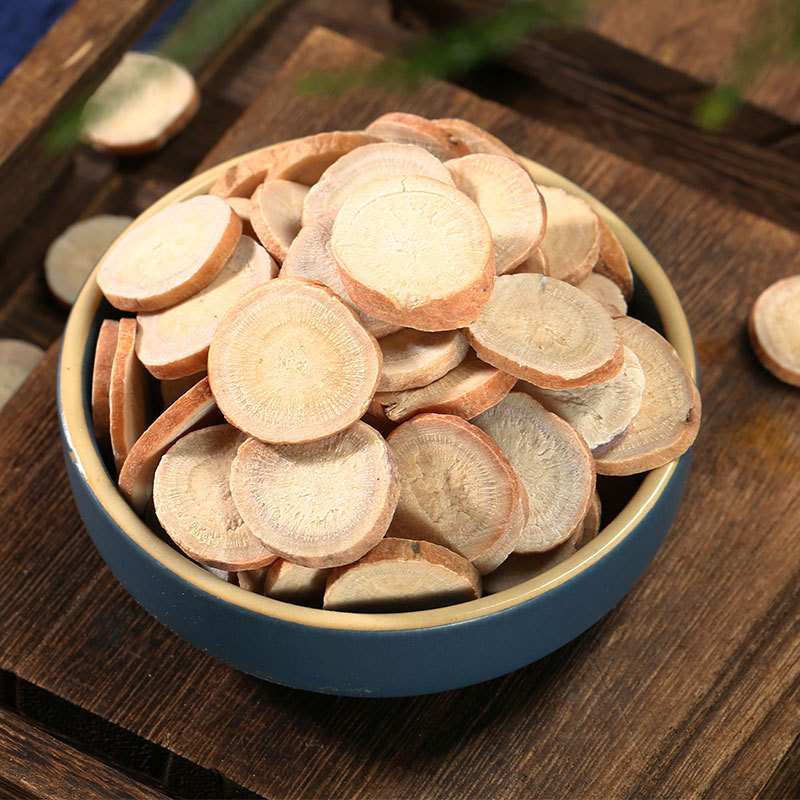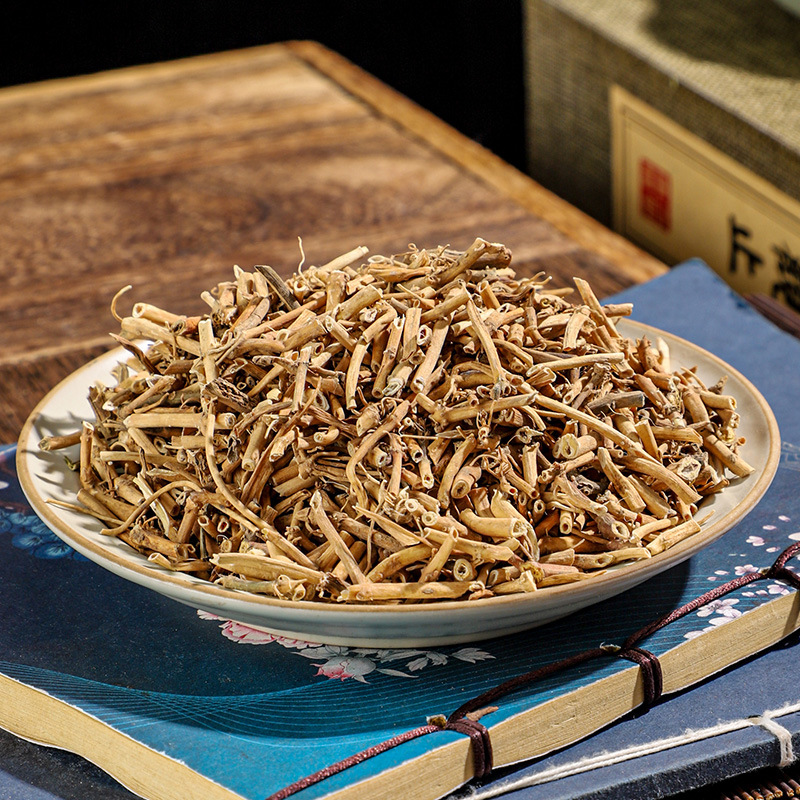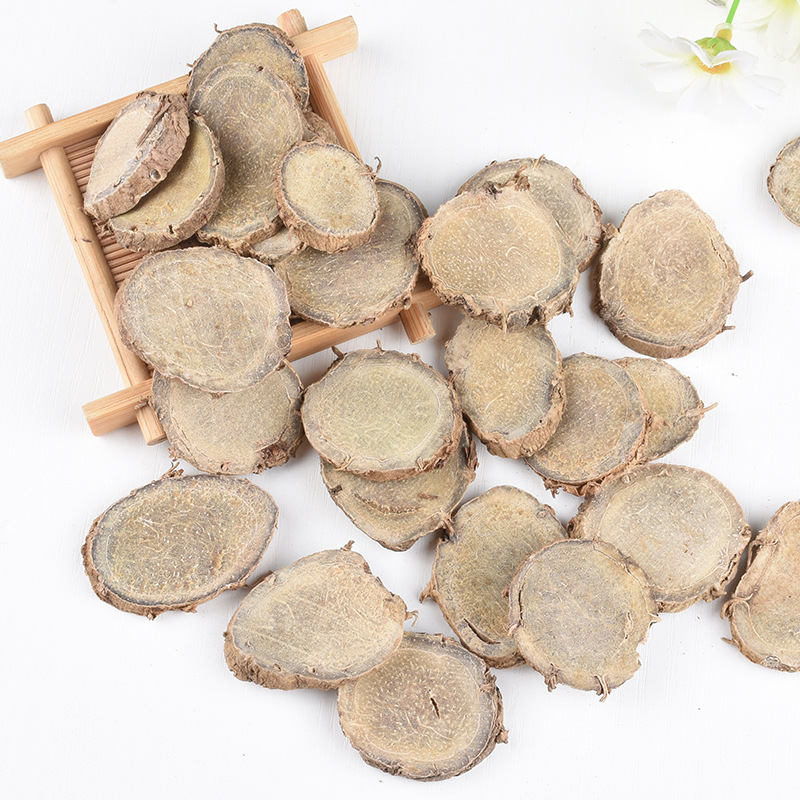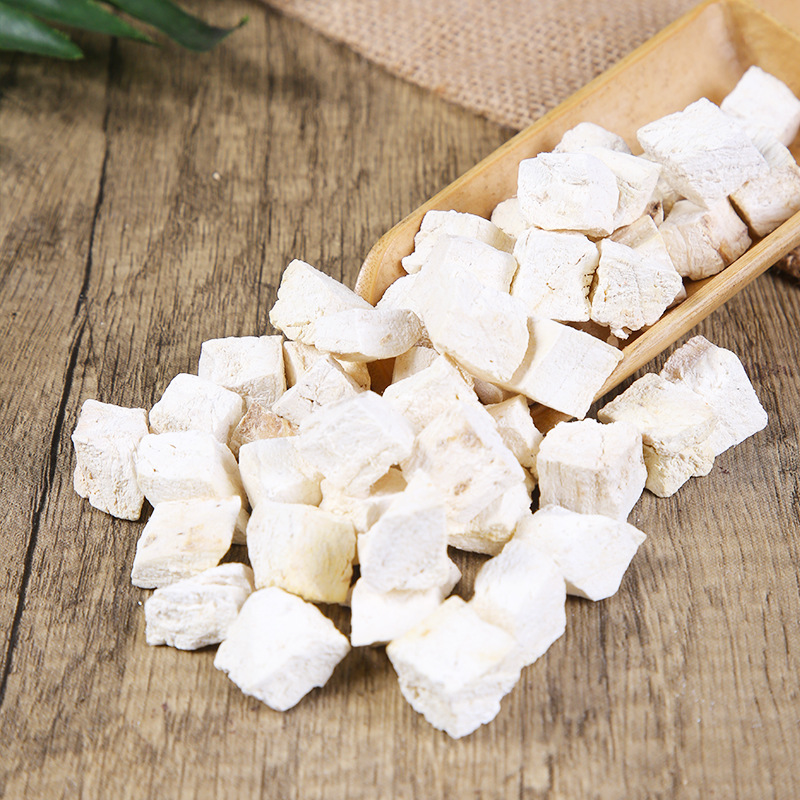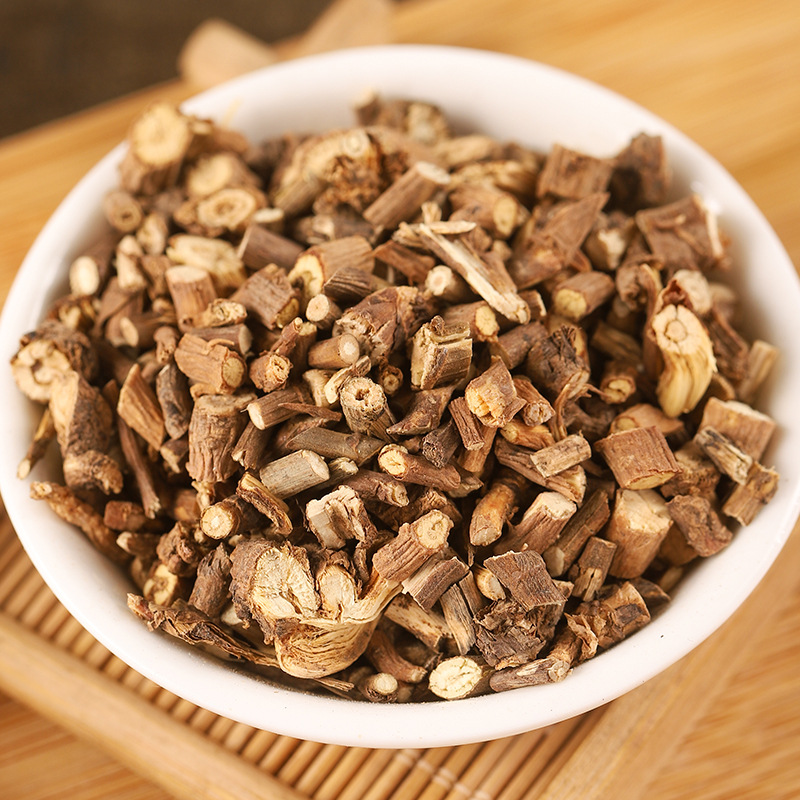
Turmeric is the tuberous root of various plants in the ginger family. Turmeric and zedoary share similar origins and have comparable effects, both being blood-regulating and qi-regulating herbs. There are many classifications for medicinal use, with yellow turmeric being of the highest quality.
I. Efficacy and Application
Turmeric tastes pungent and bitter, slightly cold. It is a pure yin substance. It belongs to the heart, liver, and gallbladder meridians.
Efficacy It can activate blood circulation to relieve pain, promote qi flow to alleviate depression, cool blood to clear the heart, and benefit the gallbladder to reduce jaundice. Its characteristic is its effectiveness in treating qi stagnation and blood stasis in the chest and abdomen, as well as its ability to clear the heart, relieve depression, and benefit the gallbladder. It is praised by medical practitioners as an essential medicine for activating blood circulation, promoting qi flow, and alleviating depression.
Commonly used for the treatment of chest and hypochondriac pain, chest impediment and heart pain, amenorrhea and dysmenorrhea, breast distension and pain, febrile diseases with clouded spirit, epilepsy and mania, hematemesis and epistaxis due to blood heat, jaundice with reddish urine, and other syndromes.
Summary of Famous Works by Renowned Authors:
Xinxiu Bencao: "It primarily treats blood accumulation, promotes qi descent, promotes tissue regeneration, stops bleeding, breaks malignant blood, treats blood strangury, hematuria, and metal-inflicted wounds."
Compendium of Materia Medica: "Treats blood and qi, heart and abdominal pain, postpartum lochia rushing to the heart causing near-death, and loss of mind leading to madness."
"Compendium of Materia Medica": "Cool heart heat, disperse liver stagnation, direct qi downward and break blood stasis. It moves stagnant qi without harming healthy qi; it breaks stagnant blood and also generates new blood. Treats vomiting, nosebleeds, urinary bleeding, and reversed menstrual flow in women. Alleviates various pains due to blood and qi disorders, postpartum harmful blood attacking the heart, and madness with loss of mental clarity."
II. Compatibility and Application
1. Used for symptoms such as chest, abdominal, and hypochondriac distension and pain, irregular menstruation, dysmenorrhea, and abdominal masses caused by liver qi stagnation and internal blood stasis. Curcuma can promote qi flow to relieve depression and remove blood stasis to alleviate pain, with effects similar to those of Ligusticum chuanxiong. The difference lies in that Curcuma is cold in nature, making it more suitable for conditions where blood stasis and heat are intertwined, while Ligusticum chuanxiong is warm in nature, making it more suitable for cold-induced blood stasis. Ligusticum chuanxiong is particularly effective in treating blood stasis in the five zang and six fu organs and throughout the body, whereas Curcuma is especially effective in treating blood stasis in the chest and abdomen.
For treating distending pain in the chest, abdomen, and rib region, it is often combined with qi-regulating and pain-relieving herbs such as Salvia miltiorrhiza, Bupleurum, Cyperus rotundus, and Citrus aurantium.
If treating liver depression with heat and premenstrual abdominal pain, it is often combined with Bupleurum, Cyperus, Angelica, and White Peony Root, known as the Xuan Yu Tong Jing Decoction.
If treating hypochondriac masses, it is often combined with blood-activating and stasis-removing herbs such as Salviae Miltiorrhizae Radix et Rhizoma, Trionycis Carapax, Lycopi Herba, and Citri Reticulatae Pericarpium Viride.
2. For damp-warm disease with turbid pathogen clouding the clear orifices, chest and epigastric stuffiness and oppression, clouded spirit, as well as epilepsy or mania due to phlegm qi congestion and obstruction of the heart orifices. Curcuma can cool blood and clear the heart, and has the effect of moving qi and relieving depression.
For treating pathogenic factors clouding the clear orifices and causing mental confusion, it is often combined with Acorus tatarinowii, bamboo sap, gardenia, and forsythia, as in the Acorus and Curcuma Decoction. In this formula, the combination of Acorus tatarinowii and Curcuma, one acting on qi and the other on blood, one warm and the other cold, resolves phlegm and promotes qi flow, relieves obstruction and alleviates pain, complementing each other perfectly. This pairing is indeed one of the most commonly used combinations for awakening the mind, opening the orifices, resolving phlegm, and clearing the heart.
In the treatment of epilepsy or mania, turmeric is often combined with alum, which is effective in treating stubborn phlegm, known as the White Gold Pill.
Wang Ang said, "Dian is characterized by frequent laughter and a sense of fear, indicating a deficiency syndrome; Kuang is characterized by frequent anger and uncontrollable behavior, indicating an excess syndrome. This disease is often caused by fright and worry, with stagnant blood blocking the heart orifices. Seven liang of turmeric and three liang of alum are made into pills with rice paste and taken, known as the White Gold Pill. Turmeric enters the heart to disperse stagnant blood, while alum transforms stubborn phlegm."
3. For jaundice, gallstones, and other syndromes. Curcuma can promote bile secretion and relieve jaundice. For gallstone syndrome, it is often combined with Lysimachia christinae, Gallus gallus domesticus endothelium corneum, and Lygodium japonicum, known as the Four Gold Decoction.
If treating damp-heat jaundice, it is often combined with herbs such as Yin Chen and Shan Zhi to enhance the effect of promoting bile secretion and reducing jaundice.
For the treatment of acute and chronic cholecystitis, turmeric can also be combined with a large dose of bitter orange, often yielding good results. If accompanied by gallstones, fish occipital bone and lysimachia can be added to promote bile secretion, dissolve stones, and facilitate stone expulsion.
In addition, turmeric can also be used for the treatment of damp-heat strangury, hematuria, and reversed flow of meridians in women.
III. Usage and Dosage
Turmeric is often used in decoctions and can also be made into pills or powders. The usual dosage in decoctions ranges from a few grams to over ten grams. If it serves as the main ingredient in a prescription, it can be used in amounts exceeding several tens of grams.
Wang Ang said: "It comes from Sichuan and Guangdong, with a sharp and round shape like a cicada's belly, yellow on the outside and red on the inside, bright in color, slightly fragrant, and bitter with a hint of sweetness, which is genuine. Many merchants often counterfeit it with turmeric."
IV. Application Precautions
The efficacy of turmeric is similar to that of zedoary, so the precautions for its use can be referenced to those of zedoary, meaning it should be avoided by individuals with excessive menstrual flow and pregnant women.
Since ancient times, there has been a saying in traditional Chinese medicine that "turmeric fears clove," but this is not entirely credible. Today, there are indeed those who combine these two herbs, and they possess unique and excellent abilities, such as Li Ke.
Li Keyan: "Clove and turmeric are paired together. Clove is pungent and warm, aromatic, entering the four meridians of the lung, stomach, spleen, and kidney. It warms the kidneys and supports yang, relieves distension, and directs qi downward. Turmeric is pungent and cool, aromatic, clearing the heart and opening the orifices, moving qi to relieve stagnation, dispelling stasis to alleviate pain, and promoting bile flow to reduce jaundice. When these two herbs are combined in equal parts, they have the effects of warming and promoting the flow of qi, opening stagnation to relieve pain, broadening the chest and facilitating the diaphragm, relieving distension and fullness, and awakening the spleen and stomach. For cold pain and distension in the epigastrium and lower abdomen, or for epigastric distension and pain due to a mixture of cold and heat, the decoction takes effect in less than a quarter of an hour after entering the stomach, promoting qi flow, relieving distension, and stopping pain."