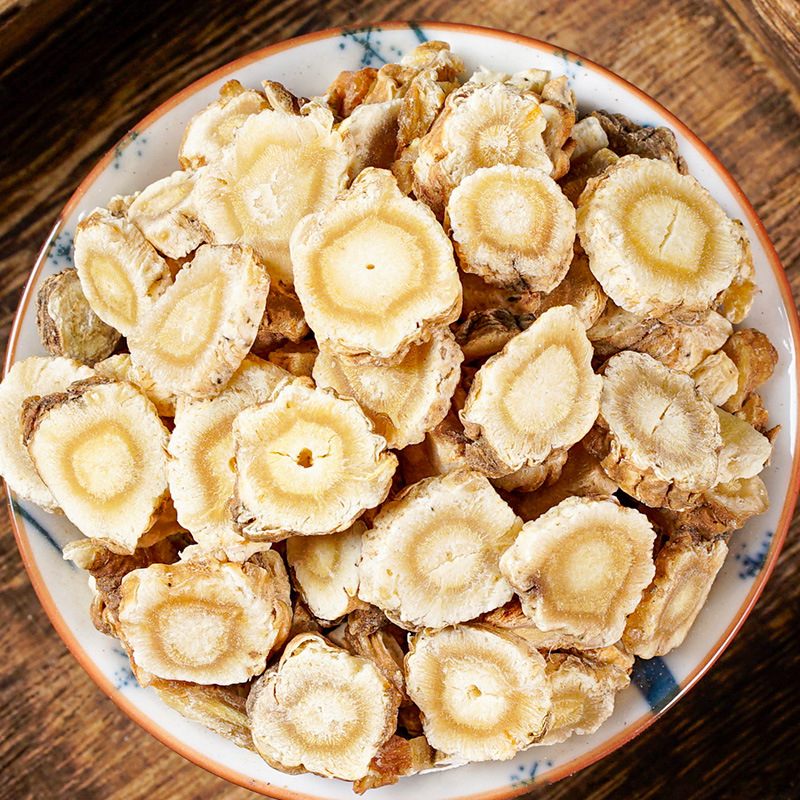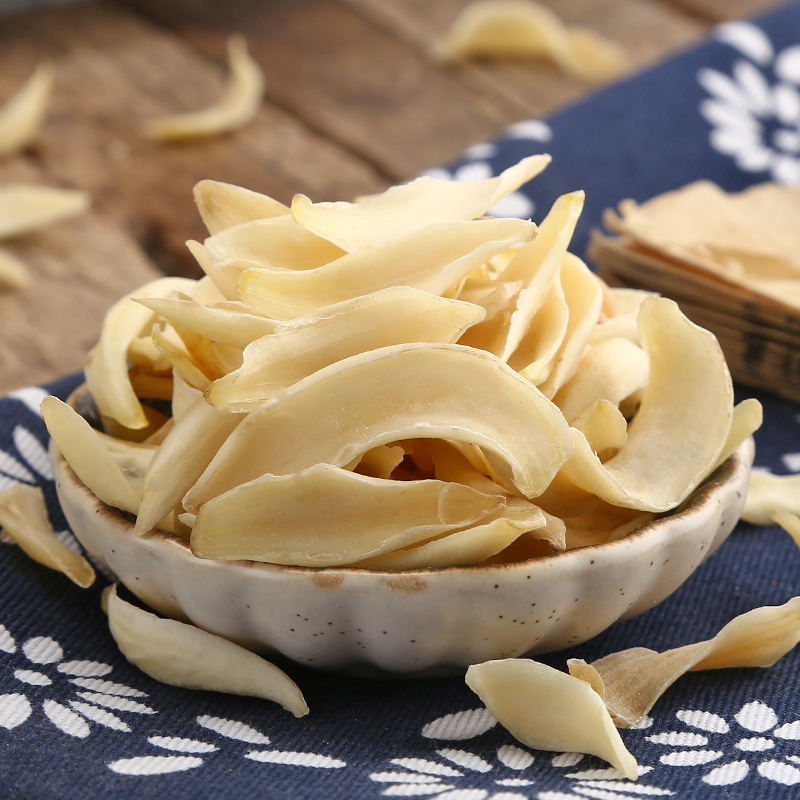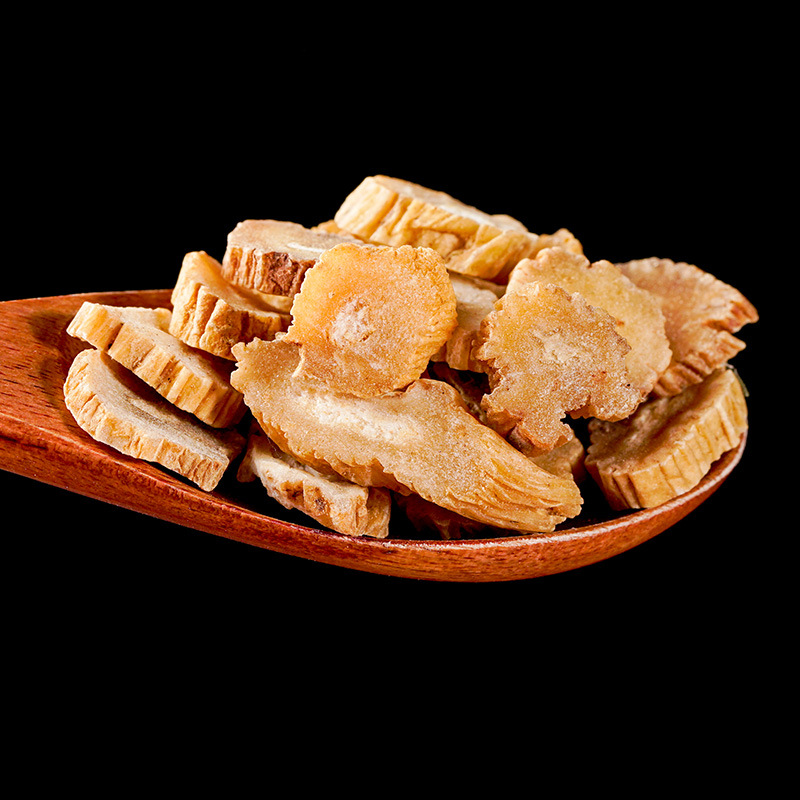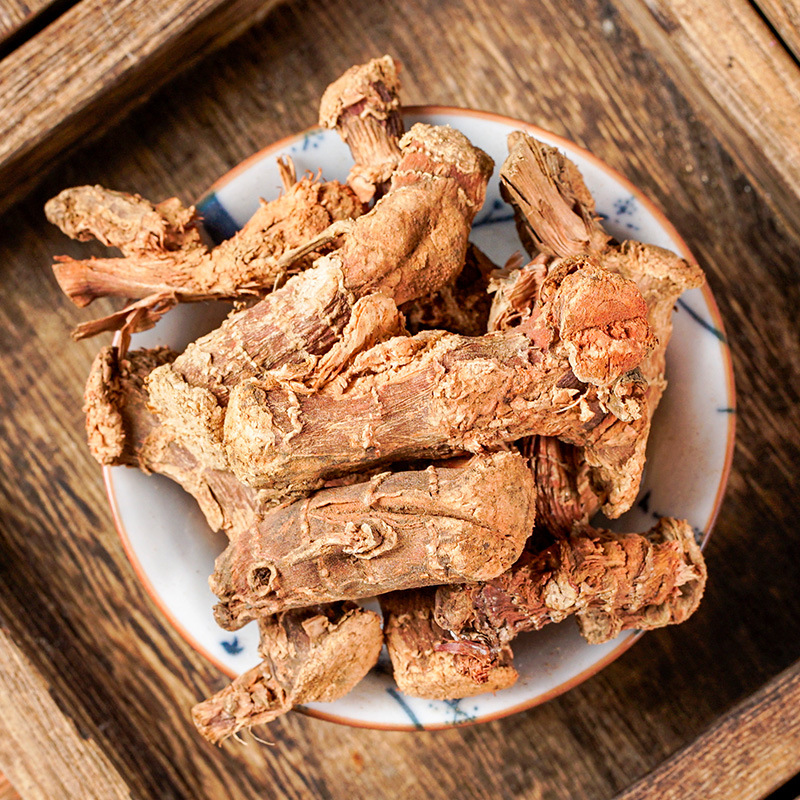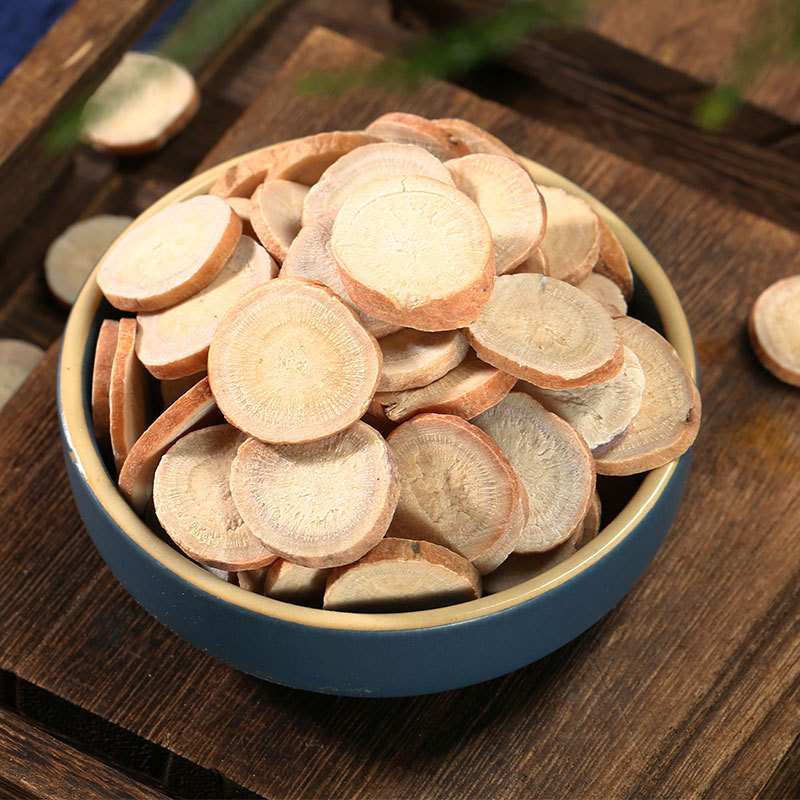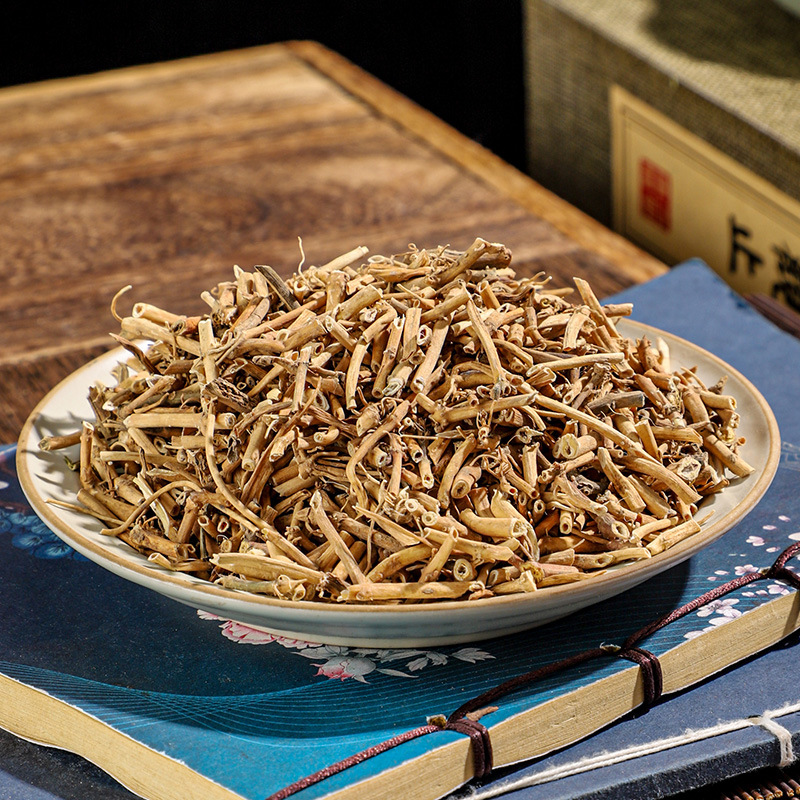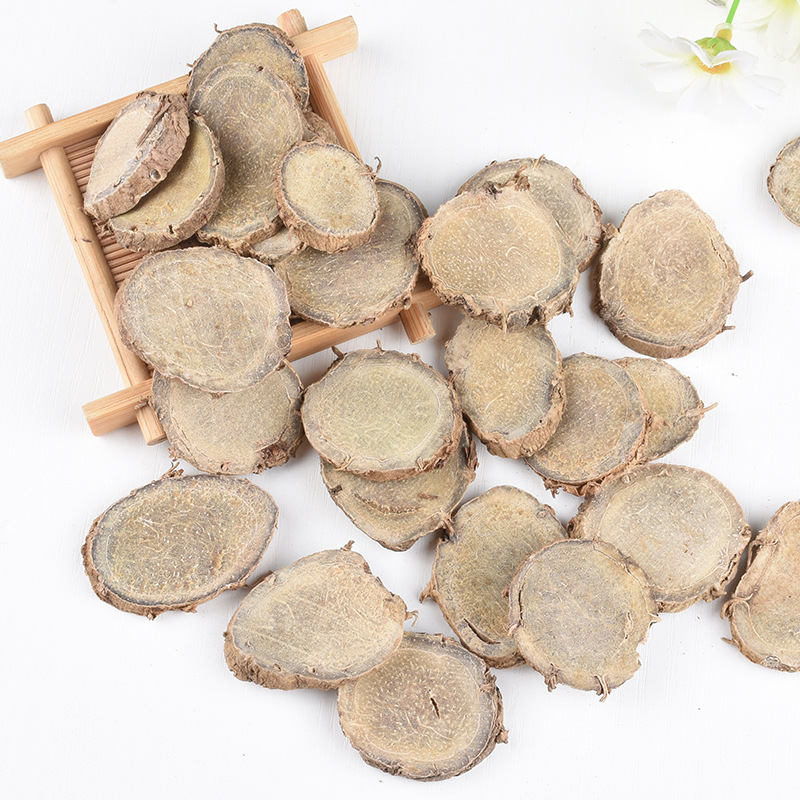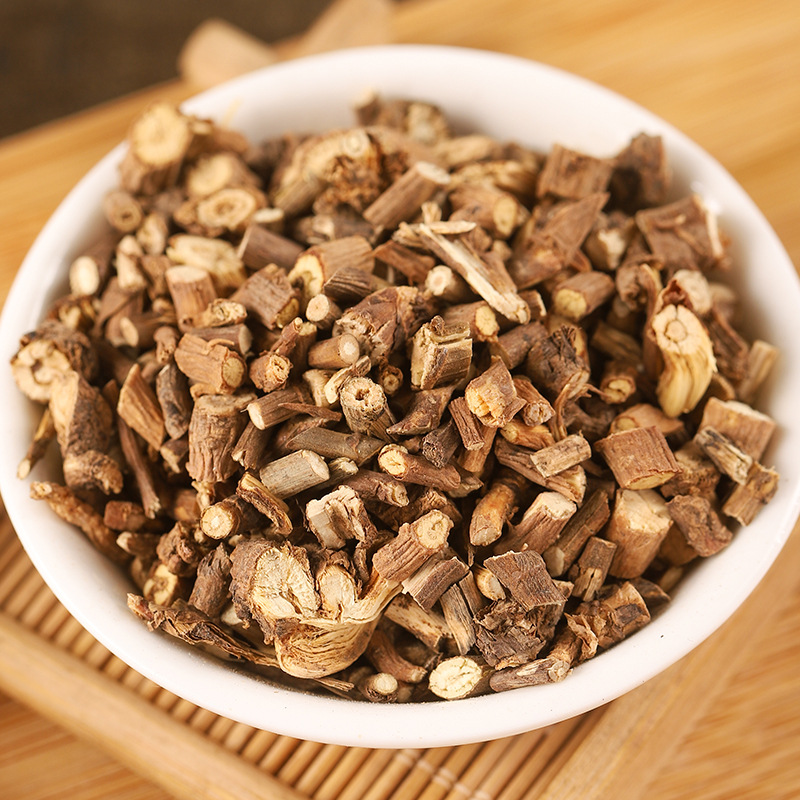
Loquat leaf is the leaf of the loquat plant in the Rosaceae family. It is mainly produced in the Yangtze River basin and southern provinces. The robust leaves are harvested in late spring and early summer, dried, brushed to remove hairs, washed, chopped, and used medicinally. It is often used raw or honey-fried.
I. Efficacy of Loquat Leaf:
Loquat leaf tastes bitter and is neutral in nature. It belongs to the lung and stomach meridians. Its effects includeResolving phlegm and relieving cough, harmonizing the stomach and descending adverse qi, quenching thirst。
Commonly used forLung heat with phlegm cough, Yin deficiency with consumptive cough, stomach heat with vomiting and retching, wasting-thirst, and lung wind with facial soresTreatment of conditions such as
Summary of Famous Works by Renowned Authors:
Bie Lu: "Treating sudden hiccups that do not stop, and descending qi."
"Newly Revised Materia Medica": "It primarily treats cough and counterflow, and inability to eat."
Compendium of Materia Medica: Harmonizes the stomach and directs qi downward, clears heat and resolves summerheat toxins, treats beriberi.
Jade Louse Medicine Explanation: Clears metal and lowers qi, calms cough and stops vomiting, cools and clears to drain the lung, a product for treating the branch.
Ben Cao Bei Yao: "Clears the lung and harmonizes the stomach to direct qi downward; when qi descends, fire is subdued and phlegm is eliminated. Treats heat cough, vomiting and retching, and thirst."
II. Compatibility and Application of Loquat Leaf:
1. For cough and asthma with thick sputum due to lung heat. Loquat leaf can clear lung heat and resolve phlegm, direct qi downward and relieve cough, especially effective for cough caused by wind-heat, dryness, and fire. For wind-heat cough, it is often combined with Qianhu, mulberry leaf, apricot kernel, chrysanthemum, and other herbs.
If treating dry heat cough and asthma, it is often combined with Sangbaipi and Shashen, which are products that nourish yin and moisten the lungs.
If treating cough due to lung heat, it is often combined with lung-clearing herbs such as mulberry bark, skullcap root, and fritillary bulb.
2. For stomach heat with thirst, vomiting, and retching. Loquat leaf has the effect of clearing stomach heat and stopping vomiting and retching. To treat stomach heat with vomiting, retching, and thirst, it is often combined with stomach-clearing and fluid-promoting substances such as Ophiopogon root, bamboo shavings, and reed rhizome.
If treating stomach heat induced vomiting, it is often combined with ginger, pinellia, and coptis to jointly achieve the effect of clearing stomach heat and stopping vomiting, with significant therapeutic results.
Li Shizhen said, "When fire is subdued and phlegm is regulated, then the rebellious will not rebel, the vomiting will not vomit, the coughing will not cough, and the thirsting will not thirst."
III. Usage and Dosage of Loquat Leaf:
Loquat leaf is often used in decoctions, can also be made into paste or included in pills and powders, and in recent years, it is commonly used to make various oral liquids. The usual dosage in decoctions ranges from over ten grams to several tens of grams.
When using loquat leaves as medicine, the hairs must be brushed off, otherwise they may cause throat discomfort. If honey-fried, this issue can be avoided; if used raw, they should be wrapped for decoction.
Newly Revised Materia Medica: "When using the leaves, they must be roasted over fire and wiped with cloth to remove the hairs. Otherwise, they will irritate the lungs and cause incessant coughing."
Huang Yuanyu said, "Remove the hair, honey-fry, it is best for stopping cough."
Wang Ang said: "Wipe off the hair, as the hair can irritate the lungs and cause coughing. For treating stomach ailments, roast with ginger juice; for treating lung ailments, roast with honey."
IV. Application Notes for Loquat Leaf:
Loquat leaf has a bitter taste and cold nature, thusPatients with cough due to wind-cold or vomiting due to stomach cold should avoid taking it。